

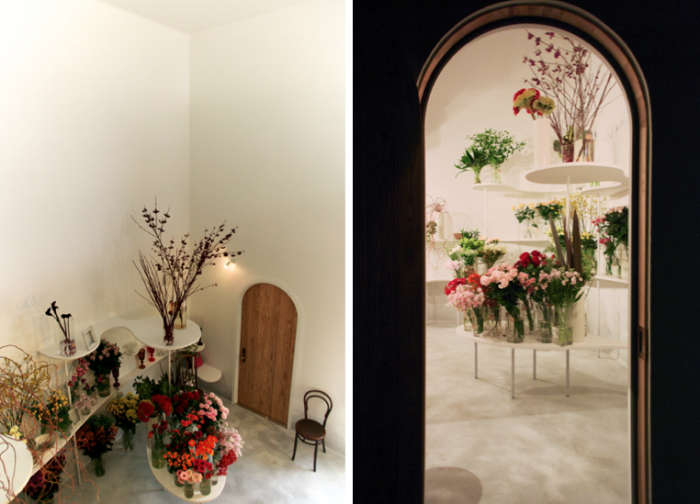
Walk into most flower shops and you expect a cheerful botanical traffic jam: roses waving at lilies, carnations crowding the counter, balloons bobbing like they just heard good gossip. But an exotic flower shop where less is more feels different. It does not shout. It does not pile every tropical bloom into one arrangement and call it “luxury.” Instead, it whispers with confidence. One sculptural anthurium. Three orchid stems. A clean ceramic vase. A bend of monstera leaf that looks like nature hired an architect.
This is the beauty of minimalist floral design: fewer flowers, stronger emotion. In a world full of overflowing bouquets and “more is more” event décor, the refined exotic flower shop offers something calmer, smarter, and surprisingly memorable. It proves that a single unusual bloom can do what two dozen filler stems often cannot: stop someone mid-sentence.
The idea is simple, but not plain. Exotic flowers such as orchids, proteas, anthuriums, birds of paradise, ginger flowers, heliconias, and tropical foliage already carry natural drama. They do not need a marching band behind them. When arranged with space, line, balance, and restraint, they become living sculpture.
What Makes an Exotic Flower Shop Feel Different?
An exotic flower shop is not defined only by rare flowers. It is defined by point of view. The best shops choose blooms for shape, longevity, seasonality, color harmony, and emotional impact. They treat each stem like a design decision, not an item tossed into a bucket because there was room.
In a “less is more” flower shop, the display table may look almost gallery-like. You might see a row of glass cylinders holding cymbidium orchids, pincushion proteas, and deep green leaves. There may be negative space between arrangements, soft lighting, and handwritten care cards. The overall effect says, “Relax. The flowers know what they are doing.”
This approach works especially well for modern homes, boutique hotels, luxury offices, restaurants, weddings, and thoughtful gifting. Instead of sending a giant bouquet that requires a vase the size of a soup pot, customers can choose one elegant arrangement that feels personal, intentional, and easy to live with.
The Philosophy of Less Is More in Floral Design
Minimalist floral design borrows from several design traditions, including modern interior styling, botanical sculpture, and Japanese ikebana. Ikebana, in particular, values line, balance, form, and the expressive use of stems, leaves, and empty space. The lesson is not “use fewer flowers because flowers are expensive,” although your wallet may applaud politely. The deeper lesson is that space helps beauty breathe.
When a designer places one orchid stem slightly off center, the eye follows it. When an anthurium faces outward like a glossy red heart, it becomes the star. When a curved branch leans over a low bowl, the arrangement tells a story about movement, not just decoration.
Negative Space Is Not Empty Space
In floral design, negative space is the open area around and between materials. Beginners sometimes panic when they see it. They want to fill every gap with baby’s breath, eucalyptus, ribbon, or something sparkly enough to confuse a magpie. But professional designers know that negative space creates focus. It makes each exotic flower more visible and more valuable.
Think of a luxury watch displayed in a glass case. The store does not surround it with twelve other watches, three coupons, and a stuffed bear. It gives the object room. Exotic flowers deserve the same respect.
Best Exotic Flowers for Minimalist Arrangements
The best flowers for a less-is-more arrangement have strong identity. They should hold their shape, command attention, and pair well with clean vases or simple foliage. Here are some favorites that florists often use when creating modern exotic flower arrangements.
Orchids: Elegant, Architectural, and Surprisingly Versatile
Orchids are the quiet celebrities of the floral world. They are instantly recognizable, available in many varieties, and suitable for both cut arrangements and potted gifts. Phalaenopsis orchids feel soft and graceful, cymbidiums add structure and polish, and dendrobiums bring airy movement.
In minimalist floral design, orchids work beautifully because the stems already create rhythm. A single white orchid branch in a matte black vase can look more expensive than a crowded arrangement with twenty competing blooms. It is the floral equivalent of a perfectly tailored suit.
Anthuriums: Glossy, Modern, and Bold
Anthuriums are ideal for customers who want something exotic but not fussy. Their heart-shaped spathes, waxy texture, and long stems make them excellent focal flowers. They come in red, pink, white, green, burgundy, peach, and even chocolate tones.
A minimalist shop might place three anthuriums in a tall cylinder vase with one folded leaf. That is it. No filler. No ribbon doing gymnastics. The result feels contemporary, tropical, and confident.
Proteas: Dramatic Without Being Loud
Proteas have a sculptural quality that makes them perfect for modern arrangements. King proteas, pincushion proteas, and blushing bride varieties offer texture, structure, and unusual silhouettes. They are especially effective in neutral interiors where one bold bloom can provide warmth and personality.
Because proteas are visually strong, they do not need much support. Pair one with dried grasses, a clean ceramic vessel, or a single tropical leaf, and you have an arrangement that looks designed rather than assembled in a hurry.
Bird of Paradise: Movement in Flower Form
Bird of paradise flowers look like they are about to fly out of the vase and start a small airline. Their orange and blue forms bring energy, height, and motion. They are perfect for entryways, reception desks, and bold home interiors.
For a minimalist arrangement, one or two stems are usually enough. Too many can turn the design into a tropical shouting contest. Used sparingly, bird of paradise feels artistic and memorable.
Heliconia and Ginger: Tropical Texture With Attitude
Heliconias and ginger flowers add vertical drama and rich color. They work best in arrangements where their strong shape is balanced by simple greenery. These blooms are excellent for hotels, restaurants, and event spaces that want an island-inspired feeling without turning the room into a luau buffet.
Why Minimalist Exotic Arrangements Look More Luxurious
Luxury is rarely about quantity. It is about editing. A luxury boutique does not throw every product into the window. A good chef does not hide fresh seafood under seventeen sauces. A refined florist does not bury a rare orchid behind carnations, leatherleaf fern, and a bow the size of a small dog.
Minimalist exotic arrangements look luxurious because they show restraint. They suggest that every stem was chosen on purpose. This creates trust. Customers feel they are buying design, not just flowers.
Fewer Stems Can Mean Better Stems
When a shop uses fewer flowers, it can often invest more attention in quality. That may mean selecting longer-lasting stems, choosing unusual varieties, sourcing from responsible growers, or conditioning flowers properly before they reach the customer.
This matters because exotic flowers are often purchased for special occasions: anniversaries, grand openings, sympathy gestures, dinner parties, hotel lobbies, and modern wedding designs. A carefully selected arrangement can create a stronger impression than a crowded bouquet that wilts unevenly.
Sustainability: The Hidden Strength of Less Is More
Minimalist floristry also supports a more sustainable way of thinking. The cut flower industry can involve long supply chains, imported stems, refrigeration, packaging, and waste. A thoughtful shop can reduce impact by designing with fewer materials, choosing seasonal flowers when possible, composting scraps, minimizing plastic, avoiding unnecessary floral foam, and encouraging reusable containers.
This does not mean every exotic flower must be local. Many tropical blooms come from warm growing regions, and customers love them for good reason. But a responsible exotic flower shop can still make better choices: buy from transparent suppliers, mix imported statement flowers with regional foliage, avoid over-ordering, and educate customers on care so arrangements last longer.
In other words, sustainability is not always about saying no to beauty. It is about designing with intelligence. Less waste, fewer throwaway accessories, longer-lasting stems, and better care can all make the flower-buying experience more meaningful.
How a Less-Is-More Flower Shop Designs an Arrangement
A minimalist floral designer usually begins with one question: what is the hero? The hero might be a white orchid, a coral anthurium, a king protea, or a twisting branch. Once the focal material is chosen, every other element must support it.
Step 1: Choose the Focal Flower
The focal flower carries the emotional weight of the design. For romance, a soft orchid or blush protea may work beautifully. For a corporate lobby, a tall bird of paradise or green anthurium may feel more appropriate. For a sympathy arrangement, white orchids and simple foliage can create peace without feeling cold.
Step 2: Select the Vessel
The vase is not an afterthought. Minimalist arrangements rely heavily on vessel shape, height, texture, and color. A low ceramic bowl creates calm. A narrow glass cylinder feels clean and modern. A stoneware vase adds natural warmth. The wrong vase can make even a stunning flower look like it moved into the wrong apartment.
Step 3: Add Line and Movement
Line is what guides the eye. A curved stem, a tall leaf, or an angled branch creates direction. Without line, the arrangement may feel flat. With line, even a small design can feel dynamic.
Step 4: Edit Ruthlessly
The final step is often removing something. This is where confidence matters. A designer may take away a leaf, reduce the number of stems, or shift one flower slightly lower. Editing is not a loss. It is how the arrangement becomes clear.
Customer Experience: Buying Fewer Flowers, Feeling More
Customers sometimes assume a smaller arrangement should automatically cost less. That is understandable, but minimalist exotic floristry is not priced only by stem count. It is priced by flower quality, design expertise, conditioning, sourcing, vessel selection, and presentation.
A three-stem orchid arrangement may require more skill than a large mixed bouquet. The designer cannot hide mistakes behind filler. Every angle matters. Every cut matters. The empty space is part of the composition. It is like cooking a simple pasta dish: when there are only a few ingredients, they had better be excellent.
Perfect Occasions for Minimalist Exotic Flowers
These arrangements work well for people who appreciate design, modern interiors, and gifts that feel personal. They are especially strong for birthdays, anniversaries, thank-you gifts, housewarming presents, restaurant tables, boutique retail displays, executive offices, spa receptions, and intimate weddings.
They also work beautifully for people who say, “I do not like fussy flowers.” That person may not want roses wrapped in glitter paper. But they may love a single sculptural protea in a handmade vase. Minimalist floristry often converts the so-called non-flower person.
How to Care for Exotic Flowers at Home
Even the most artistic arrangement needs basic care. Exotic flowers may look like they were grown on another planet, but they still appreciate clean water, fresh cuts, and a good location.
Use a Clean Vase
Bacteria shorten vase life. If you transfer flowers to another container, wash the vase thoroughly with soap and water. Clean tools also matter. A sharp knife or floral snips create a clean cut that helps stems drink properly.
Trim Stems at an Angle
Cut stems at an angle before placing them in water. This increases the surface area for water uptake and helps prevent the stem from sitting flat against the vase bottom.
Change Water Every Two to Three Days
Fresh water helps flowers last longer. Remove leaves that fall below the waterline because submerged foliage encourages bacteria. If the water looks cloudy, change it sooner. Flowers are lovely; swamp water is not part of the design concept.
Keep Arrangements Away From Heat
Place flowers away from direct sun, heating vents, fireplaces, and hot appliances. Tropical flowers enjoy warmth when growing, but cut flowers usually last longer in a cool, stable indoor location.
Interior Design Tips for Displaying Exotic Flowers
A less-is-more arrangement becomes even more powerful when placed correctly. In a modern living room, put a tall orchid or anthurium arrangement on a console table with breathing room around it. On a dining table, choose a low design that does not block conversation. Nobody wants to ask, “Please pass the salt,” through a jungle.
For offices, select long-lasting flowers with strong lines and low fragrance. Orchids, anthuriums, and proteas are excellent choices because they feel polished and do not overwhelm the room. For bedrooms, softer colors and simpler shapes create a calming effect. For retail spaces, one dramatic arrangement near the entrance can set the mood instantly.
Experience Section: A Visit to an Exotic Flower Shop Where Less Is More
The first thing you notice when entering a minimalist exotic flower shop is the quiet. Not silence exactly, but visual quiet. There are flowers everywhere, yet nothing feels crowded. The room smells fresh, not perfumed into submission. A few orchids stand in tall glass vases. A row of anthuriums glows under soft light. A single protea sits on a stone counter like it is waiting for its portrait to be painted.
The florist does not rush toward you with a menu of twelve bouquet sizes and a laminated sheet of add-ons. Instead, they ask what the flowers are for. A dinner party? A new apartment? A client gift? An apology? That last one always requires extra design sensitivity and possibly chocolate.
You explain that you want something unusual but not too much. The florist nods, because this is their favorite sentence. They pull out a white ceramic vase, one burgundy anthurium, two stems of green cymbidium orchid, and a glossy leaf. At first, it seems too simple. You wonder if more flowers are coming. They are not. The florist turns the vase slowly, trims one stem, lowers another, and suddenly the arrangement makes sense. The anthurium gives drama. The orchids add elegance. The leaf creates movement. The empty space makes everything feel intentional.
What surprises you is how personal the arrangement feels. A large mixed bouquet might have looked generous, but this feels chosen. It has a mood. It belongs in a room with linen curtains, good coffee, and someone who owns exactly one beautiful chair and refuses to let guests sit on it.
You take the arrangement home and place it on a small table near the entryway. The effect is immediate. The room looks cleaner, calmer, and more expensive, even though the mail pile is still judging you from the corner. Guests notice the flowers before they notice anything else. They ask what kind of flower it is. They walk closer. They touch the vase. They say, “This is so simple,” which in design language means, “I wish I had thought of this.”
Over the next several days, the arrangement changes slowly. The orchid petals remain graceful. The anthurium keeps its glossy shape. You change the water, trim the stems, and remove one fading piece of foliage. Instead of collapsing all at once, the design evolves. Eventually, you move the remaining orchid stem to a smaller bud vase, extending the life of the arrangement in a new form.
That is the real pleasure of a less-is-more exotic flower shop. It teaches you to see flowers differently. You stop measuring beauty by volume. You begin noticing curve, texture, shadow, proportion, and pause. You realize that one extraordinary bloom can hold a room the way one perfect sentence can hold a story. And yes, you may become the kind of person who says “negative space” at dinner. Your friends will survive.
Conclusion: The Power of Restraint in Bloom
An exotic flower shop where less is more offers more than flowers. It offers clarity. By using rare and tropical blooms with restraint, it turns arrangements into living art. Orchids, anthuriums, proteas, birds of paradise, and sculptural foliage do not need to be crowded to be impressive. They need space, care, and a designer who knows when to stop.
This approach is ideal for modern customers who want beauty without clutter, luxury without excess, and gifts that feel thoughtful rather than generic. It also supports smarter floristry through better stem selection, reduced waste, longer-lasting arrangements, and more meaningful design.
Less is not empty. Less is focused. Less is elegant. Less is the moment a single flower walks into a room and somehow makes every other decoration sit up straighter.