

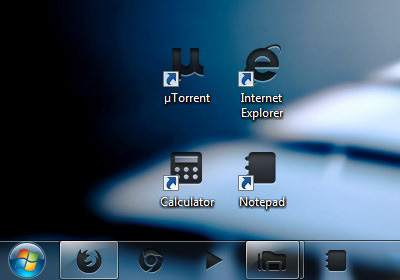
Windows has always been a little like a sensible office chair: reliable, familiar, and not exactly invited to the design awards banquet. Sure, you can change the wallpaper, move the taskbar around, and argue with the Start menu like it owes you money. But when it comes to giving your icons a complete visual makeover, Windows often makes you do the digital equivalent of repainting a house with a toothbrush.
That is where 7Conifier earned its cult-favorite status. This lightweight Windows customization tool was designed to apply custom icon packs to Windows with just a few clicks. Instead of changing every shortcut icon manually, 7Conifier lets users select an icon package, apply it, and quickly transform taskbar, Start Menu, and shortcut icons into a cleaner, more consistent visual style.
Although 7Conifier is best known from the Windows 7 era, the idea behind it still matters today: users want a faster, easier way to personalize Windows without digging through endless menus, editing every shortcut, or accidentally turning their desktop into a museum of mismatched app logos. In this guide, we will explore what 7Conifier does, how custom icon packs work, why one-click icon customization became popular, and what you should know before using classic personalization tools on modern Windows systems.
What Is 7Conifier?
7Conifier is a portable Windows desktop customization utility created to help users replace multiple Windows icons at once using prebuilt icon packs. The name is a blend of “Windows 7” and “iconifier,” which is exactly the kind of software name that sounds like it was built by someone who loved both clean desktops and efficient buttons.
The tool became popular because it simplified something that Windows users had been doing manually for years: changing shortcut icons one at a time. Traditionally, if you wanted your browser, media player, file manager, and productivity apps to share one visual theme, you had to open each shortcut’s properties, click “Change Icon,” browse for a replacement icon, apply it, and repeat the process until your patience filed a resignation letter.
7Conifier approaches the problem differently. Instead of treating each icon as a separate chore, it uses icon packages. A package contains replacement icons for common Windows shortcuts and applications. Once selected, the pack can be applied quickly, giving the taskbar and Start Menu a unified design.
Why Use Custom Icon Packs On Windows?
Custom icon packs are not only about making your desktop look “cool,” although that is absolutely part of the fun. A well-designed icon theme can improve recognition, reduce visual clutter, and make a workspace feel more personal. If you spend hours on a Windows PC every day, even small visual upgrades can make the experience feel fresher.
1. A cleaner desktop experience
Default icons often come from many different design eras. One app may have a glossy icon, another may be flat, another may look like it time-traveled from 2009 holding a USB stick. Custom icon packs help create visual consistency, especially on the taskbar where your most-used programs sit side by side.
2. Faster visual recognition
Good icons are not just decoration. They are tiny signposts. When icons share a coherent style but remain distinct in shape and color, it becomes easier to find what you need quickly. This is especially useful for users who keep many programs pinned to the taskbar.
3. Personal branding and mood
Some people prefer minimalist monochrome icons. Others like colorful glass-style icons, dark themes, or retro Windows-inspired packs. Your desktop is a personal workspace. If it feels pleasant, organized, and yours, that can make everyday computing feel less like a chore and more like a setup you actually enjoy using.
How 7Conifier Works
7Conifier works by applying a selected icon package to supported shortcuts and pinned items. The basic process is straightforward: open the program, choose a package, preview or confirm the selection, and apply the icon set. In many cases, the changes appear quickly, although users may need to restart Explorer, refresh the desktop, or sign out and back in if Windows keeps showing cached icons.
The program also became popular because it included backup and restore features. This matters because icon customization can get messy. If a theme does not look good, if icons do not match your setup, or if Windows decides to behave like a moody printer, being able to restore the original icons is extremely useful.
Typical 7Conifier workflow
- Download 7Conifier from a reputable source.
- Extract the portable program folder.
- Run the application.
- Select an available icon pack.
- Create or confirm a backup of current icons.
- Apply the icon pack.
- Restart Explorer or refresh Windows if needed.
This workflow is what made 7Conifier appealing: it changed Windows icons in bulk instead of forcing users into repetitive manual edits. For anyone who loves desktop customization, that is less “utility software” and more “tiny miracle with a button.”
Where 7Conifier Fits In Windows Customization
Windows already includes built-in personalization options. You can change themes, wallpapers, colors, desktop icons, pinned apps, and taskbar settings. Microsoft also provides ways to adjust desktop icons through Settings and classic icon dialogs. However, Windows does not provide a native, universal “apply this entire third-party icon pack everywhere” button for all icons.
That gap is where tools like 7Conifier and commercial alternatives such as IconPackager became useful. IconPackager focuses on applying broad icon packages across Windows. 7Conifier, by contrast, became popular as a free and lightweight option for changing common taskbar and Start Menu icons quickly, especially on Windows 7-style setups.
Is 7Conifier Still Useful Today?
The honest answer is: it depends on your Windows version and expectations. 7Conifier was created for older Windows environments, especially Windows 7. Some users have also discussed using it around Windows 8-era customization, but modern Windows 10 and Windows 11 systems are more restrictive and handle pinned apps, packaged applications, icon caches, and system icons differently.
That does not mean the concept is outdated. The desire for one-click icon customization is still very alive. What has changed is Windows itself. Windows 11, for example, handles the taskbar differently than Windows 7 did. Microsoft Store apps, modern app shortcuts, and protected system elements may not behave the same way as classic desktop shortcuts. As a result, older tools may work partially, inconsistently, or not at all depending on the exact setup.
If you use 7Conifier today, treat it as a classic customization utility rather than a guaranteed modern Windows theming platform. It may be best for older Windows installations, virtual machines, retro setups, or users experimenting with legacy desktop customization.
How To Apply Custom Icon Packs With 7Conifier
Before making any visual changes to Windows, take a practical approach. Customizing icons is usually safe, but replacing shortcuts and icon references can create confusion if you do not keep backups. A little caution now prevents future you from staring at a blank white shortcut and whispering, “What have I done?”
Step 1: Download from a reputable source
Because 7Conifier is an older utility, avoid random download pages, suspicious mirrors, and files bundled with installers you did not ask for. Look for reputable software archives or well-known customization communities. After downloading, scan the file with Windows Security or another trusted antivirus tool before running it.
Step 2: Extract the portable folder
7Conifier is commonly distributed as a compressed archive. Extract it into a dedicated folder, such as a utilities folder in Documents or Downloads. Avoid running customization tools directly from inside a compressed file because settings and backups may not save properly.
Step 3: Run the program carefully
Open 7Conifier and review the available icon packs. Older versions included several preloaded sets, and users could also add custom packages. Do not rush the process. Preview the style and make sure it matches your desktop theme, wallpaper, and taskbar layout.
Step 4: Back up your current icons
This is the step you do not skip. If 7Conifier offers to create a backup before applying changes, say yes. Backups allow you to restore your original icons if the pack does not apply correctly or if you simply decide the new theme looks like a robot designed a nightclub.
Step 5: Apply the icon pack
Once you select the icon package, apply it. The process should update supported icons in bulk. Depending on the system, some icons may update immediately, while others may require a refresh, Explorer restart, sign-out, or reboot.
Step 6: Refresh Windows if icons do not appear
Windows stores icon images in a cache so it does not have to reload them constantly. That is good for performance, but occasionally annoying for customization. If icons look unchanged, outdated, blank, or inconsistent, the icon cache may need to refresh. Restarting Windows Explorer or signing out and back in can help. In stubborn cases, rebuilding the icon cache may be necessary.
Tips For Choosing The Best Icon Pack
Not every icon pack belongs on every desktop. A great icon theme should support your workflow, not just look impressive in a screenshot. Here are a few practical tips before you apply one.
Match the icon style to your Windows theme
If you use a dark theme, bright white icons may look crisp and modern. If your desktop has a colorful wallpaper, minimalist icons can prevent visual chaos. If you love retro design, older Windows-style icons can create a nostalgic setup without making your PC feel outdated.
Check app coverage
A pack may include icons for popular apps like browsers, media players, folders, settings, and common utilities. However, it may not include every program installed on your computer. If several icons remain unchanged, the final look may feel unfinished. Choose icon packs that cover your most-used apps first.
Avoid overly similar icons
Minimalist icon packs can look beautiful, but if every icon becomes a nearly identical white outline, your taskbar may become a guessing game. Design consistency is good. Total visual camouflage is not.
Keep the original files
Save the downloaded icon pack and 7Conifier folder in a safe location. If you later move or delete icon files that shortcuts rely on, Windows may lose track of them. A little organization helps your custom setup survive longer than one enthusiastic cleanup session.
Common Problems And Fixes
Icons did not change
If nothing changes after applying a pack, the tool may not support your Windows version, the shortcuts may be stored differently, or Windows may still be showing cached icons. Try refreshing the desktop, restarting Explorer, or signing out and back in. On newer Windows versions, some pinned or Store app icons may resist older customization methods.
Some icons changed, but others did not
This is common. Icon packs only replace icons they include and can recognize. If you use newer apps, custom installations, portable apps, or Microsoft Store apps, 7Conifier may not have matching entries for them.
Icons turned blank or generic
Blank icons usually mean Windows cannot find the referenced icon file or the icon cache is confused. Restore from backup if available. Then refresh or rebuild the icon cache. Also make sure you have not moved or deleted the icon pack folder.
The theme looks bad after applying
This is not a technical failure. This is design regret, and it happens to the best of us. Use the restore option to return to your previous icons, then test a different pack. Screenshots can be deceiving; an icon set that looks amazing on someone else’s desktop may clash with your wallpaper, scaling, or pinned apps.
7Conifier Vs. Manual Icon Changing
Manual icon changing gives you precise control. You can right-click a shortcut, open Properties, choose Change Icon, and select a specific icon file. This is useful when you only want to change one or two icons. It is also more reliable on modern Windows because you are changing standard shortcut properties directly.
However, manual customization becomes tedious when you want a full theme. If you have twenty pinned apps and desktop shortcuts, changing them one by one is not exactly a thrilling Friday night. 7Conifier solves that problem by applying many icons at once through packages. The tradeoff is that compatibility depends on how well the package matches your shortcuts and how well the tool works with your Windows version.
Best Practices Before Using 7Conifier
- Create a restore point: This gives you a safety net before changing system appearance settings.
- Use trusted downloads: Older utilities are often reuploaded by third-party sites, so scan files before running them.
- Keep backups: Save original icon settings when the tool offers the option.
- Test one pack first: Do not install five themes in a row and then wonder which one caused the mess.
- Understand limitations: Windows 10 and Windows 11 may not behave like Windows 7.
Who Should Use 7Conifier?
7Conifier is best for users who enjoy classic Windows customization, especially those working with Windows 7-style environments. It is also useful for people who want to experiment with icon themes without paying for heavier customization software. If you like portable utilities, visual tweaking, and fast theme switching, 7Conifier can be a fun tool to explore.
However, if you are using a fully updated Windows 11 system and want complete, system-wide icon replacement, you may need newer tools, manual customization, or commercial icon software designed for modern Windows. 7Conifier is charming, lightweight, and clever, but it is not a magic wand for every Windows version.
Experience Notes: What It Feels Like To Use 7Conifier
Using 7Conifier feels a lot like discovering a secret shortcut in a video game. You spend years accepting that Windows icon customization is slow and slightly annoying, then suddenly there is a tool that says, “Pick a pack, click apply, and let’s make this desktop look intentional.” That feeling is the main appeal. It turns a repetitive task into a quick visual refresh.
The best experience comes when you start with a clean desktop and a clear theme idea. For example, suppose your setup uses a dark wallpaper, centered taskbar icons, and a minimal workspace. A monochrome icon pack can make the taskbar look sharp and organized. Browser, folder, media, and utility icons suddenly feel like they belong to the same family instead of being strangers sharing an elevator.
Another satisfying use case is reviving an older Windows 7 laptop. Many older machines still run beautifully for writing, media playback, schoolwork, light browsing, or offline tasks. Applying a custom icon pack with 7Conifier can make that older desktop feel fresh again. It is not a hardware upgrade, but visually it can make the computer feel less dusty and more deliberate.
That said, the experience is not always flawless. Sometimes a few icons refuse to change. Sometimes Windows clings to old cached icons like a raccoon holding a shiny object. Sometimes an icon pack looks elegant in previews but too low-contrast on your actual taskbar. This is why backups matter. The freedom to experiment is much more enjoyable when you know you can undo the experiment.
One practical lesson is to avoid chasing perfection. A desktop does not need every icon to match perfectly to look good. Focus on the programs you use constantly: browser, file explorer, notes, media player, design tools, communication apps, and settings shortcuts. If those icons look consistent, the entire workspace feels more polished.
Another lesson is that icon customization works best when paired with other small improvements. A matching wallpaper, sensible taskbar arrangement, fewer desktop shortcuts, and a clean folder structure can make a bigger difference than icons alone. 7Conifier is the fun part, but organization is the secret sauce. Otherwise, you simply create a beautifully themed mess, which is still a messjust wearing a nicer jacket.
For users who enjoy personalization, 7Conifier is also a reminder of why desktop customization became popular in the first place. It is not just about aesthetics. It is about ownership. The default Windows look is made for everyone, which means it is made for no one in particular. A custom icon pack makes the system feel a little more like your own space.
In real-world use, the smartest approach is simple: download carefully, scan files, back up the original icons, apply one pack, refresh Windows, and live with the new look for a day. If it still feels good after normal use, keep it. If not, restore and try another. The beauty of icon packs is that they are low-commitment. Unlike painting a bedroom wall neon orange, you can undo the decision without explaining yourself to family members.
Overall, 7Conifier remains memorable because it solved a real annoyance with a simple idea. One-click icon packs made Windows customization feel friendly, fast, and fun. Even if modern Windows users may need newer methods for full compatibility, the spirit of 7Conifier still holds up: your computer should not look boring unless you want it to.
Final Thoughts
Applying custom icon packs on Windows with one click using 7Conifier is a great example of how small tools can make a big difference in everyday computing. 7Conifier took a slow, manual process and turned it into something approachable. For Windows 7 users and classic customization fans, it remains a clever utility for refreshing the taskbar and Start Menu with themed icons.
Modern Windows users should approach it with realistic expectations. Windows 10 and Windows 11 have changed how icons, pinned apps, and system components work, so compatibility may vary. Still, the core lesson is timeless: a clean, consistent icon set can make your workspace feel better, faster, and more personal.
If you try 7Conifier, use safe downloads, scan files, keep backups, and do not be afraid to experiment. The perfect desktop setup is rarely created in one attempt. Sometimes it takes a few icon packs, a new wallpaper, and the courage to admit that your first theme looked like a spaceship dashboard designed by a confused toaster.
Note: 7Conifier is a classic Windows customization tool, so results may vary on newer Windows versions. Always back up your current icons and use trusted software sources before applying visual changes.