

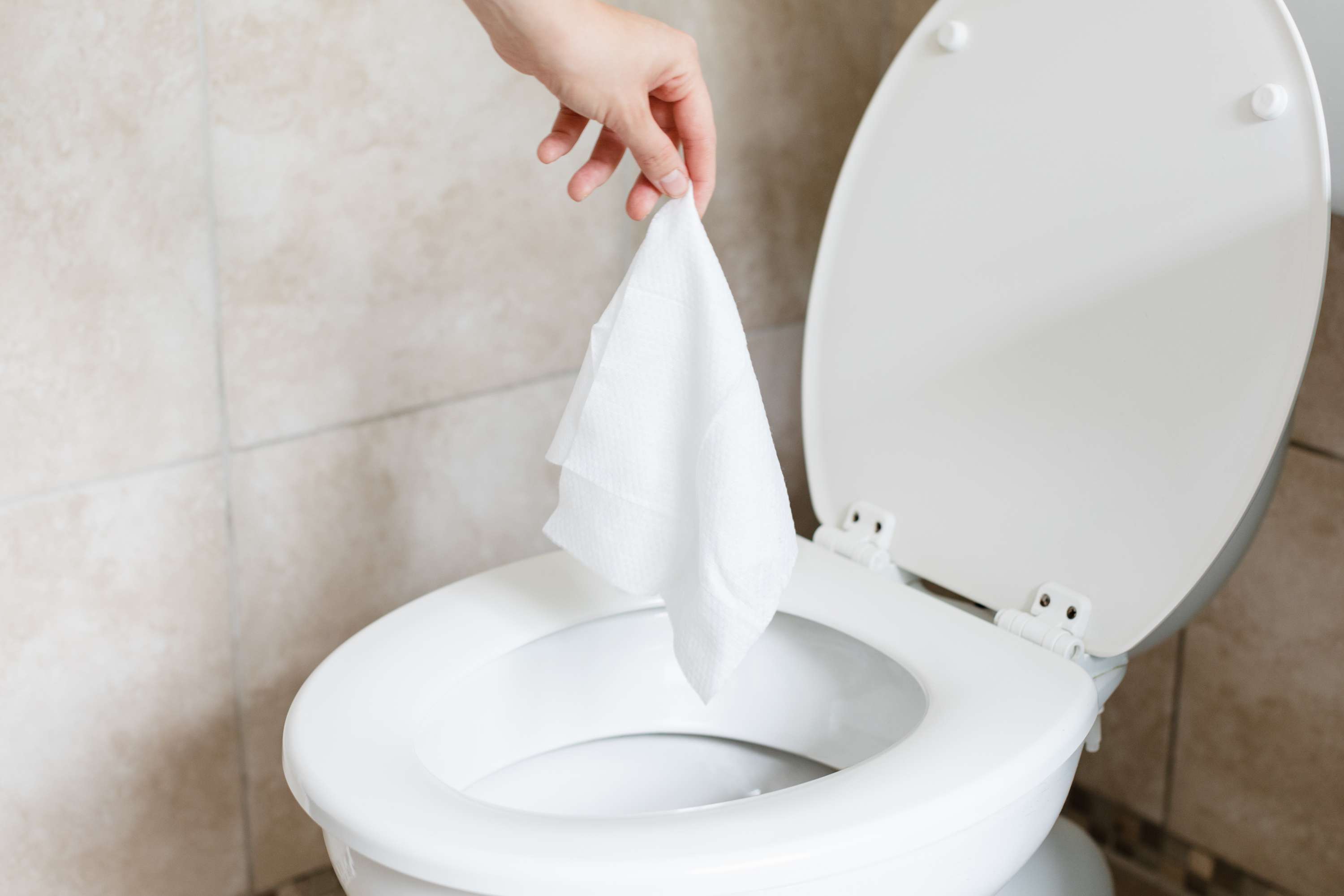
If you have ever stood in a store aisle holding a pack of “flushable” wipes and thought, Well, the package seems pretty confident, you are not alone. The label sounds reassuring. It suggests convenience, cleanliness, and a worry-free trip down the toilet. But your plumber, your local wastewater utility, and probably your future self with a plunger may have a very different opinion.
So, are flushable wipes really flushable? Technically, many of them can be flushed. But that is not the same thing as saying they should be flushed. And that tiny distinction is where the trouble begins. A product can disappear past the bowl and still cause problems farther down the line, whether that line belongs to your house, your septic tank, or your city’s sewer system.
This is why the flushable wipes debate refuses to die. On one side, manufacturers have argued that some wipes are designed to break down better than older products. On the other side, plumbers, wastewater utilities, and consumer advocates keep waving the same red flag: toilet paper is made to disintegrate quickly in water, while wipes often stay stronger for longer. That extra strength may feel nice in your hand, but it is not exactly a love letter to pipes.
Let’s unpack the truth behind the label, the science behind the clog, and the practical answer for anyone who wants a cleaner bathroom routine without accidentally sponsoring a sewer disaster.
What Does “Flushable” Actually Mean?
This is the first problem: the word flushable sounds more definitive than it really is. Most consumers hear it and think the product is as safe for plumbing as toilet paper. But in practice, the word has often been used to mean something much narrower, like “it can physically pass through the toilet.” That is a very low bar. A wedding ring can also physically pass through the toilet, and nobody is calling that a plumbing recommendation.
The bigger question is not whether a wipe leaves the bowl. The real question is whether it breaks apart fast enough and thoroughly enough to move through home plumbing, municipal sewer lines, pumps, screens, and treatment equipment without causing trouble. That is where flushable wipes have repeatedly run into criticism.
Over the years, consumer regulators and wastewater agencies have challenged the gap between marketing language and real-world performance. In plain English, a wipe may survive a lab test or a controlled flush, but real sewer systems are messy, long, greasy, imperfect, and full of turns, roots, pumps, and older infrastructure. Your toilet is only the opening scene. The plot twist happens miles later.
Why So Many Experts Say “Don’t Flush Them”
The strongest practical advice from many U.S. utilities is simple: flush toilet paper and human waste, and toss wipes in the trash. That guidance exists because sewer systems are not magical disappearing tunnels. They are physical systems with moving parts, and those parts do not enjoy wrestling fabric-like products that stay intact longer than toilet paper.
Wastewater agencies across the country have spent years warning residents that wipes contribute to clogged pumps, blocked pipes, sewer backups, and equipment damage. Some utilities have built entire public campaigns around the message. New York City tells residents to trash wipes even if they are labeled “flushable.” DC Water says the same. Charleston Water has been blunt that wipes and grease are top causes of clogs. Detroit’s water department also warns that wipes of any kind can back up your sewer line.
That level of consistency matters. These are not random opinions from grumpy pipe enthusiasts. These are the organizations that deal with the aftermath when households flush things that should have gone into a lined trash can with a lid and a little dignity.
Toilet Paper vs. Flushable Wipes: The Difference That Matters
To understand the issue, it helps to compare wipes to toilet paper. Toilet paper is engineered to be weak in water. That sounds insulting, but it is actually a compliment. Once flushed, it starts breaking apart quickly, which helps it move through plumbing and wastewater systems with less risk of snagging, wrapping, or clumping.
Wipes, by contrast, are designed for strength while wet. That is their selling point. Nobody wants a wipe that dissolves in the middle of use like a paper snowman in a rainstorm. But that same wet strength means a wipe often stays in one piece much longer after flushing. It may bend, travel, and eventually get caught around roots, rough spots, grease buildup, or pump components. Then another wipe joins it. Then another. Soon the sewer has started knitting a nightmare sweater.
This is also why a wipe may seem harmless when flushed once in a newer home with excellent plumbing. The problem is cumulative and system-wide. One wipe may not trigger immediate chaos. Repeated flushing over time is where the risk grows.
The Sewer System Problem: Fatbergs, Blockages, and Expensive Messes
If you have heard the word fatberg, congratulations and condolences. A fatberg is the hideous result of fats, oils, grease, and non-dispersing materials like wipes joining forces in the sewer. Imagine a monster made of cooking grease, dental floss, and bad choices. That is essentially the idea.
Wipes do not always cause sewer clogs by themselves. Often, they become especially destructive when they mix with grease. The wipe acts like a structural support beam for the gunk. It tangles. It snags. It catches more debris. Eventually, what started as one “flushable” wipe turns into a larger blockage that can restrict flow, jam pumps, and trigger backups into homes, streets, or waterways.
And this is not just a theoretical concern. Utilities continue to report real incidents tied to wipes. In one recent example, WSSC Water in Maryland linked a sanitary sewer overflow in February 2026 to a wipes blockage, with more than 10,000 gallons of untreated wastewater involved. That is the kind of sentence that should make any wipe package feel a little less charming.
When sewer overflows happen, the consequences can include property damage, cleanup costs, environmental contamination, foul odors, and public health concerns. In other words, a bathroom shortcut can become everyone’s problem.
What About Your Home Plumbing?
Even if you never think about the public sewer system, your own plumbing should be enough reason to be cautious. Household drain lines are full of opportunities for trouble: scale inside pipes, older joints, partial blockages, roots, low-flow toilets paired with marginal slope, and bends that are perfect places for wipes to hang up.
Homeowners often assume that if something flushes today, it was safe to flush. Plumbing does not work that way. A wipe can move partway through the system, linger, catch on an imperfection, and contribute to a clog that appears days or weeks later. When that happens, the relationship between cause and effect becomes annoyingly easy to forget. People blame the toilet, the house, the plumber, the moon, and almost everything except the product labeled “flushable.”
Plumbers, meanwhile, have seen this movie before. They know that wipes are frequent suspects in stubborn clogs because they do not shred the way toilet paper does. That means the risk is not imaginary, even if the packaging uses friendly colors and the word “fresh” eleven times.
Are Flushable Wipes Safe for Septic Systems?
If you have a septic system, the safest answer is still no. Septic systems depend on a balance of settling, breakdown, and bacterial action. They are not designed to welcome durable wipes that resist disintegration. Even if a wipe makes it out of the toilet and into the tank, that does not mean it is helping. It can accumulate, contribute to solids buildup, and increase the likelihood of maintenance issues or pumping needs.
EPA guidance for septic care is about as subtle as a stop sign: flush human waste and toilet paper, and avoid items like wipes. Septic owners already have enough to worry about without turning the tank into a museum of moist towelettes.
Have Manufacturers Improved Flushable Wipes?
Here is where the conversation gets more nuanced. Some manufacturers and industry groups have argued that the category has improved, and current standards efforts aim to distinguish products that disperse better from those that clearly should not be flushed. There has also been a push for clearer “Do Not Flush” labeling on products that are not intended for toilets.
That is a step in the right direction. Better testing and better labels are useful. But they do not erase the fact that many wastewater agencies and consumer experts still advise against flushing wipes at all. Why? Because real-world systems vary wildly. A product that performs adequately under one set of conditions may still cause trouble in older, rougher, or grease-heavy systems. And most consumers are not going to study flushability specifications before using the bathroom. They are going to read the front of the package and make a split-second decision.
For that reason, the simplest advice remains the best: if protecting your pipes is the goal, the trash can is still the safer destination.
Why the Labeling Debate Keeps Growing
The controversy around wipes has grown large enough that lawmakers and regulators have pushed for clearer labeling rules. Several states now require visible “Do Not Flush” warnings on non-flushable wipes packaging, and the broader policy conversation has focused on making disposal instructions easier for shoppers to understand at a glance.
That trend says a lot. When a product category needs legislative attention just to clarify what should not go into a toilet, that is not exactly a ringing endorsement of consumer clarity. The market has gotten better at talking about wipes, but the underlying issue remains the same: people need labels that match what happens in the real world, not just what sounds convenient in an ad.
So, Should You Ever Flush Them?
If your goal is minimizing risk, the answer is straightforward: no. Even wipes marketed as flushable are usually a worse bet for plumbing and wastewater systems than toilet paper. Could a single wipe pass through without incident in some homes? Sure. Could that same habit contribute to a blockage over time? Also yes. That is the gamble.
And it is not a very exciting gamble. Nobody wins a prize for successfully flushing a wipe. The best-case scenario is nothing happens. The worst-case scenario is a clog, a backup, a plumbing bill, or damage downstream. Those odds are not exactly Vegas-worthy.
Better Alternatives to Flushing Wipes
1. Use a small covered trash can
This is the easiest fix. Place a lined trash bin next to the toilet and empty it regularly. It is not glamorous, but neither is a backed-up sewer line.
2. Stick with toilet paper for flushing
Toilet paper remains the safest standard because it is designed to break down quickly.
3. Use wipes, but dispose of them properly
If you like wipes for personal care, makeup removal, child care, or quick cleanup, that is fine. Just think of them as trash items, not plumbing items.
4. Consider bidets or washlets
Many households switch to bidets for a cleaner feel without adding more waste to pipes. They also reduce dependence on wipes and can lower toilet paper use.
5. Keep grease out of drains too
Wipes and grease are a notorious duo. Even if you stop flushing wipes, pouring fats or oils down the sink still helps create the same sewer monster from another angle.
The Bottom Line
Flushable wipes occupy that frustrating space between marketing and reality. The label suggests convenience, but the practical evidence from plumbers, utilities, septic guidance, and consumer reporting points in a different direction. In the real world, wipes often stay intact longer than toilet paper, making them more likely to snag, tangle, and contribute to clogs at home and in public systems.
So, are flushable wipes really flushable? The honest answer is this: they may flush, but they are not reliably harmless. And that is the standard most people actually care about. If you want the safest choice for your pipes, septic tank, sewer system, and wallet, do what the people who fix these messes keep recommending. Use the wipe if you want. Then throw it away.
Experiences With Flushable Wipes: What People Learn the Hard Way
A lot of the confusion around flushable wipes comes from personal experience. Someone uses them for months, maybe even years, and nothing dramatic happens. The toilet flushes. The water swirls. Life goes on. That creates a false sense of security. It feels like proof that the label was right all along. Then one day the toilet gurgles. The tub burps. The downstairs bathroom starts making sounds like it is reconsidering every decision it has ever made. Suddenly, the “flushable” claim feels less like a promise and more like an alibi.
One common experience homeowners describe is the slow-motion clog. It is not a cinematic disaster with water shooting to the ceiling. It is subtler than that. The toilet starts flushing a little slower. A second flush becomes normal. Then a plumber arrives and pulls out a blockage that looks like a science project made of wipes, hair, and mineral buildup. The homeowner is shocked because they only flushed products that were “made for toilets.” The plumber is not shocked at all. This is Tuesday.
Families with kids often run into this issue faster. Wipes are convenient, they are always nearby, and everyone in the house assumes the label means permission. In busy households, convenience usually wins. Then one child flushes several wipes at once, another tosses in extra toilet paper, and the plumbing system decides it has had enough teamwork for one week.
People with septic systems tend to have an even sharper learning curve. Septic trouble does not always announce itself immediately, either. Sometimes the problem shows up during tank pumping, when the technician points out material that has not broken down the way toilet paper would. That is the moment when many homeowners realize that “disposable” and “safe for septic” are not automatic synonyms. A product can leave your hand and still refuse to leave your life.
There are also people who stop flushing wipes before disaster strikes simply because they hear enough stories from friends, plumbers, or local utilities. That experience matters too. A covered trash can in the bathroom may not feel luxurious, but it quickly becomes normal. Many people who make the switch say the adjustment takes about three days, and after that they mostly forget it was ever an issue. In exchange, they get fewer plumbing worries and one less category of bathroom roulette.
Then there is the municipal side, which most of us never see. Wastewater crews are the people dealing with the consequences at scale. Their experience is not one clogged toilet. It is pumps wrapped in wipes, screens jammed with debris, backups caused by blockages, and cleanup jobs nobody grows up dreaming about. Their repeated message is worth paying attention to because it comes from direct exposure, not theory.
What all these experiences have in common is surprisingly simple: the product often seems harmless right up until it does not. That is why so many people end up changing habits even if they once believed the label. When the choice is between tossing a wipe in the trash now or paying for regret later, the trash can starts looking pretty sophisticated.
Conclusion
The flushable wipes debate is not really about whether a wipe can vanish from the toilet bowl. It is about whether it behaves like toilet paper after that. In too many cases, the answer is no. For consumers, the smartest move is also the simplest one: trust your pipes more than the package design, and trust the trash can more than the marketing copy.