

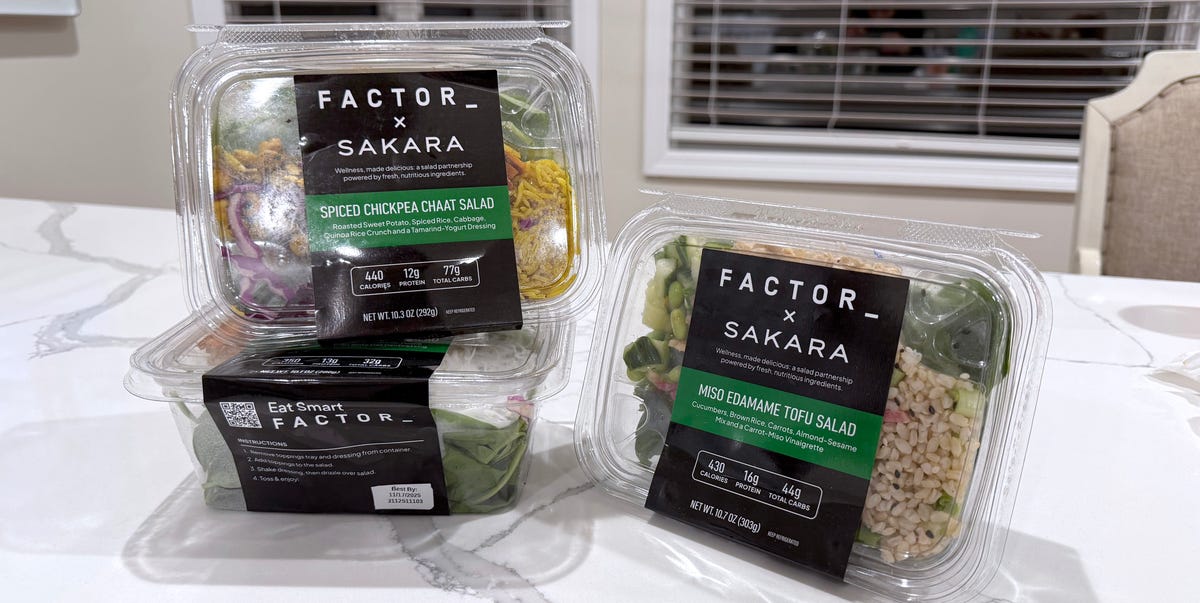
If your social feed has recently turned into a parade of glossy lunch bowls, crunchy toppings, and people acting emotionally available because they found a decent desk salad, you are not imagining things. The Factor x Sakara salads are having a moment. They sit right at the crossroads of two internet food archetypes: Factor, the practical protein-forward meal delivery favorite, and Sakara, the wellness-world darling known for colorful, plant-heavy meals that look like they were styled by someone with excellent lighting and a very organized refrigerator.
So the question is fair: Are the trending Factor x Sakara salads actually good? The short answer is yes, mostly. The longer and more useful answer is that they are good in a very specific way. They are fresh, flavorful, thoughtfully designed, and far more interesting than the average sad lunch salad. But they are not magic. They are still packaged prepared meals, they are not cheap by grocery standards, and some of them make more sense for certain eaters than others.
That means if you are expecting a life-changing spiritual experience from a plastic container of greens, you may need to lower the candlelight and raise your skepticism just a notch. But if you want a convenient, genuinely tasty lunch that lands somewhere between wellness fantasy and real-world practicality, these bowls make a strong case for themselves.
What Are Factor x Sakara Salads, Exactly?
The collaboration blends the identities of both brands in a way that makes immediate sense. Sakara built its reputation on plant-based, visually stunning, nutrient-dense meals with a wellness-first image. Factor is better known for chef-prepared, ready-to-eat meals that lean into convenience, protein, and macro-friendly eating. Put them together and you get refrigerated salads that try to feel both elevated and functional.
That is the pitch, anyway. In practice, the lineup includes globally inspired bowls like the Five-Spice Tofu Noodle Salad, Spiced Chickpea Chaat Salad, Miso Edamame Tofu Salad, Asian Crunch Chicken Salad, Chipotle Chicken Pasta Salad, Chicken Taco Bowl Salad, Chicken Shawarma Salad, Buffalo Chicken Salad, and Tahini Lentil Chicken Salad. The menu rotates weekly, which helps keep things from turning into a never-ending spinach-based Groundhog Day.
That rotation is important because part of the appeal here is variety. These are not just lettuce, grilled chicken, and a tiny cup of dressing pretending to be lunch. The collaboration aims for texture, layered flavor, and better balance. Think grains, legumes, crunchy toppings, bold sauces, and protein that does more than merely exist in the background.
Why People Are Talking About Them
The trendiness is not hard to explain. First, the pairing itself is catnip for food internet. Factor brings scale, convenience, and mainstream accessibility. Sakara brings wellness credibility, premium branding, and the kind of aesthetic that makes people say things like “I want to become the kind of person who eats like this.”
Second, there is a real market gap here. Many prepared salads are either too bland, too small, too soggy, or too nutritionally lopsided. Some are basically a pile of greens with the emotional support of three chickpeas. Others taste fine but leave you raiding the snack drawer by 2:30 p.m. The Factor x Sakara bowls are designed to solve that problem by combining high-protein salads, fiber, and stronger flavor profiles in a format that requires zero prep.
Third, they make the kind of lunch that photographs well but also seems built for actual weekday use. That combination is rare. Usually a salad is either social-media pretty or genuinely practical. These try to be both, which explains the buzz.
So, Are They Actually Good?
Flavor: Better Than “Healthy Food” Usually Gets Credit For
This is where the salads seem to win most consistently. Reviews repeatedly point to bold dressings, smart seasoning, and ingredients that do not taste like they were assembled by a committee terrified of salt, acid, or joy. The bowls lean into flavors like tamarind, miso, dan dan-style sauce, tahini, and shawarma spice rather than settling for generic vinaigrette and vibes.
That matters because convenience meals often fail at one simple thing: making you actually want to eat them again. These salads largely avoid that trap. The dressings are frequently described as the standout, which makes sense. A good dressing can rescue a mediocre salad, but a great dressing can make a refrigerated lunch feel almost restaurant-adjacent. Not candlelit bistro good, obviously, but very respectable-for-a-workday good.
The bowls also seem to understand texture. Crunch matters. Chewy grains matter. Crispy greens matter. The best versions appear to use contrast well, which is a big reason they read as premium instead of merely packaged.
Freshness: Surprisingly Strong for Ready-to-Eat Salads
Freshness is usually where pre-made salads go to die. Nobody dreams of spending premium money on limp greens and a cucumber slice that looks emotionally exhausted. Yet one of the most common positives in reviews is that the ingredients hold up well in the fridge, thanks in part to packaging that separates greens from toppings until you are ready to eat.
That design is not glamorous, but it is important. Smart packaging is the difference between “crisp lunch” and “compost with ambition.” For busy people who need a grab-and-go work lunch, this detail does a lot of heavy lifting.
Convenience: This Is Their Real Superpower
If the salads have one truly undeniable strength, it is convenience. These bowls remove shopping, chopping, washing, and dressing from the equation. You open the container, mix things together, and eat. That sounds basic, but that level of ease is exactly why services like Factor keep growing. They do not promise culinary transcendence. They promise to save your Tuesday.
And for many people, that is worth paying for. If your alternative is a greasy takeout lunch, skipping lunch entirely, or making a vending machine dinner out of crackers and regret, a well-built prepared salad starts to look pretty compelling.
Where the Salads Truly Deliver
They are more exciting than the average prepared lunch. That is the big headline. The collaboration appears to bring Sakara’s flair for colorful, plant-forward combinations into Factor’s more mainstream subscription model. The result is something fresher and more vibrant than many standard prepared meals.
They hit a useful middle ground. These bowls are more interesting than basic supermarket salads and less painfully expensive than full Sakara meal plans. That middle territory may be the entire reason the collaboration works.
The protein story is often legit, especially with chicken options. If you want a salad that can function as an actual meal rather than a prelude to a second lunch, the chicken bowls make the strongest case. Several of the salads reportedly land well above 30 grams of protein, which is meaningful for satiety.
They feel modern without being gimmicky. Yes, the branding is trendy. Yes, the bowls are photogenic. But the better sign is that the appeal seems to hold up after the photo. Nobody wants a lunch that peaks on Instagram and collapses in real life like a celebrity-endorsed moon boot.
Where the Hype Gets a Little Ahead of Reality
Not Every Salad Matches the Big Protein Promise
This is one of the most important caveats. Some of the plant-based bowls are much lower in protein than the collaboration’s top-line marketing numbers suggest. In other words, “up to 37 grams of protein” is doing a lot of work there. If you grab a tofu or chickpea option expecting bodybuilder lunch energy, you may end up hungry enough to start negotiating with a granola bar by mid-afternoon.
That does not make the plant-based options bad. It just means shoppers should read the nutrition details instead of assuming every bowl performs the same way. Some are built more for balanced light lunches; others are clearly intended to be heartier meals.
Portion Size May Be the Dealbreaker for Some People
This comes up often with both Factor meals and Sakara meals in general: portion size is subjective, and for bigger appetites, these bowls may feel a little restrained. If you are the type of person who finishes lunch and immediately starts thinking in dinner terms, you may want a side, snack, or extra protein nearby.
That is not unusual in the premium prepared meal world, but it is worth noting because the aesthetic can suggest abundance while the actual volume is closer to “smart lunch” than “feast.” Beautiful? Yes. Bottomless? Absolutely not.
Sodium Can Sneak Up on You
Some bowls reportedly run fairly high in sodium, which is common in prepared foods because seasoning and shelf life are doing a delicate little dance together. If you are watching sodium for health reasons, this is not the sort of product to buy on branding alone. You will want to check the label, not the marketing mood board.
They Are Affordable for Sakara, Not Affordable for Salad
This is the pricing paradox. Compared with Sakara’s usual per-meal cost, these salads are notably more accessible. Compared with making lunch at home, they are still expensive. So whether they are “worth it” depends entirely on your baseline.
If your lunch benchmark is homemade grain bowls, the price may feel absurd. If your benchmark is Sweetgreen, airport salads, or daily takeout, the math starts to look more reasonable. Convenience has always been the hidden ingredient here, and convenience is never free.
Who Will Probably Love These Salads?
You will probably like the Factor x Sakara salad review experience if you fit into one of these groups: busy professionals, remote workers tired of sad lunches, people who want more vegetables without doing weekend meal prep, and eaters who care about both taste and nutrition but do not have the time or energy to build gorgeous lunch bowls from scratch.
They also make sense for people who are curious about Sakara but unwilling to pay full Sakara prices. In that sense, the collaboration works almost like a lower-risk introduction to the Sakara aesthetic and flavor philosophy.
Who Might Be Disappointed?
If you are on a strict budget, hate subscription meal delivery, need very large portions, or prefer hot meals over cold lunches, these may not be your best fit. Likewise, if you expected every bowl to offer huge protein, ultra-low sodium, and gourmet-restaurant freshness at the price of a homemade sandwich, the salads are going to disappoint you because no refrigerated lunch product is that heroic.
And if you simply do not enjoy the Sakara style of eating, meaning lots of vegetables, grains, legumes, and wellness-coded flavor combinations, the collaboration will not convert you. A trendy salad is still, in the final analysis, a salad.
Final Verdict: Good, But for the Right Expectations
So, are the trending Factor x Sakara salads actually good? Yes. In many cases, they are genuinely good. They seem to deliver on flavor, freshness, convenience, and a more elevated take on ready-to-eat lunch than most competitors manage. They also fill a useful niche between premium wellness food and practical prepared meals.
But the best way to think about them is not as miracle food. Think of them as well-executed premium prepared salads that happen to be trendier, prettier, and more thoughtfully composed than average. That is already a lot. They do not need to cure your life, optimize your aura, or turn your desk into a Malibu wellness retreat.
If you choose based on your priorities, especially protein needs, appetite, and budget, they can be a very smart buy. If you buy purely because the internet made them look like the final boss of lunch, proceed with slightly calmer expectations and maybe a backup snack.
The Real-World Experience: What Eating Factor x Sakara Salads Actually Feels Like Over Time
The most revealing part of the conversation around these salads is not the first bite. It is what happens by lunch number three, four, and five. That is where the novelty wears off, the workweek chaos kicks in, and a trendy product has to prove whether it is useful or just photogenic. Based on the way multiple reviewers describe them, the real-world experience of Factor x Sakara salads is less about one dramatic “wow” moment and more about a steady realization that lunch has become easier, tastier, and less depressing.
Day one tends to be about surprise. The packaging looks neat, the ingredients appear fresher than expected, and the bowl feels more premium than the average ready-made salad. You notice the separated toppings, the sauce that looks like it was made by someone who has heard of seasoning, and the fact that the greens have not collapsed into a wet paper towel situation. Already, that is a win. The first thought is usually not “This changed my life.” It is more like, “Oh, this is actually lunch, not punishment.”
By day two, the convenience starts to matter even more than the novelty. There is no chopping, no cleanup, no mid-morning grocery detour, and no emergency takeout order because the afternoon is stacked with meetings. You pull a bowl from the fridge, mix, eat, and move on. That ease is probably the strongest argument in favor of the collaboration. A lot of healthy food fails because it asks too much of people. These salads ask almost nothing except that you remember to bring a fork.
By day three, the specific differences between bowls become clearer. The stronger options are the ones with real contrast: creamy dressing against crisp vegetables, chewy grains against crunchy toppings, protein that feels substantial instead of symbolic. This is also when appetite becomes the deciding factor. If you picked one of the more protein-heavy chicken bowls, you may feel pleasantly fueled. If you picked a lighter plant-based option, you may start scouting the kitchen for a yogurt, fruit, or snack bar. That does not make the salad a failure, but it does reveal who each bowl is really for.
By day four, some people will love the routine. Others may start craving a hot meal. Cold lunch fatigue is real. Even a very good salad is still a salad, and repeated exposure can make the spinach base feel a little too familiar. That said, the better dressings and flavor profiles keep the experience from becoming boring too quickly. You are not just chewing leaves. You are getting miso, tamarind, shawarma spice, chili, crunch, and texture. That helps.
By day five, the big question is value. Not flavor. Not branding. Value. Did these bowls save time, improve lunch, and keep you from spending even more on takeout? For a lot of busy people, the answer is probably yes. The salads seem best for someone who wants reliable, polished, healthy-ish lunches without doing the labor personally. They are not a bargain. They are not giant. But they can make a hectic week feel more under control, and that is part of what people are really buying.
In other words, the experience is not glamorous every single day. It is practical, consistently pleasant, and occasionally impressive. And honestly, for weekday lunch, that is a stronger compliment than hype ever is.