

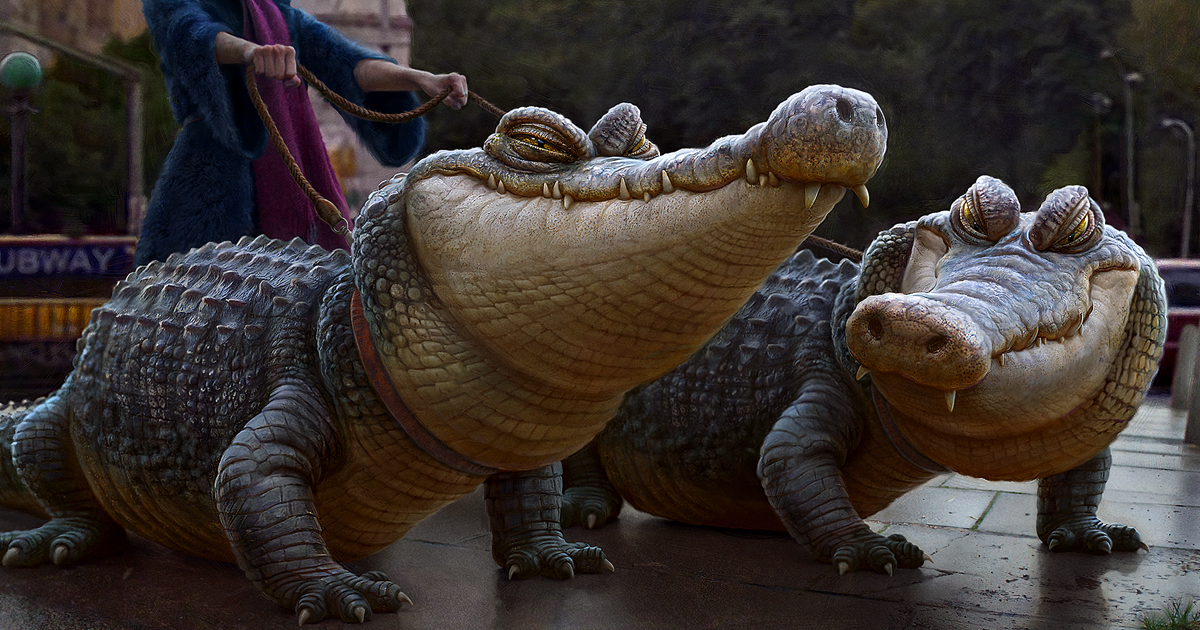
What would happen if a cartoon character walked into a coffee shop, ordered an oat milk latte, and complained about rent? That is the wonderfully strange question behind realistic pop-culture character art. In this viral corner of digital creativity, familiar icons from animation, comics, games, and movies are reimagined with human skin texture, believable facial structure, realistic clothing, expressive eyes, and the sort of tiny imperfections that make a face feel alive.
The result is both delightful and mildly alarming. Homer Simpson suddenly looks like someone’s tired uncle at a backyard barbecue. A toy cowboy starts to resemble a real actor waiting between takes. A villain with a gigantic cartoon jaw becomes a person you might avoid making eye contact with in an elevator. It is fan art, character design, digital sculpture, nostalgia, and a tiny psychological jump scare all rolled into one.
One artist strongly associated with this style is Turkish 3D character artist Hossein Diba, known for creating realistic versions of famous animated and pop-culture characters. His work stands out because it does not merely paste human skin onto cartoon shapes. Instead, it translates the visual language of animation into believable anatomy while preserving the personality that made the character memorable in the first place. That is the magic trick: realism without losing the joke.
Why Realistic Pop-Culture Character Art Is So Addictive
People love “what if” art. What if a Disney character lived in our neighborhood? What if a cartoon dad had pores, wrinkles, and a suspiciously realistic five o’clock shadow? What if a video game hero looked less like a polished avatar and more like someone who needs coffee before saving the universe?
Realistic character recreations work because they sit at the intersection of memory and surprise. We already know these characters. Their silhouettes, colors, costumes, hairstyles, and expressions are stored in our brains like old theme songs. When an artist rebuilds them with realistic proportions, our minds do two things at once: we recognize the original, and we study the new version like evidence at a crime scene.
This is why realistic cartoon characters often go viral. They invite instant reaction. Viewers do not need a degree in art history to participate. Everyone can say, “That looks exactly right,” “That is nightmare fuel,” or “Why does this version of Mr. Burns look like he owns three mysterious offshore companies?”
The Art Behind Making Fictional Characters Look Real
Turning a stylized character into a realistic one is much harder than simply adding wrinkles and eyelashes. Great character design is built on exaggeration. Animation often uses oversized eyes, tiny noses, impossible hair, rubbery bodies, and simplified mouths to communicate emotion quickly. Realism demands the opposite: structure, restraint, anatomical logic, and believable detail.
A skilled 3D artist has to make dozens of decisions. How wide would the eyes be if this character were a real person? How much of the original head shape should remain? Should the mouth keep its cartoon proportions, or should it be redesigned around human anatomy? What skin tone, age, facial asymmetry, hairstyle, and bone structure best preserve the character’s personality?
The best realistic pop-culture recreations do not erase the original design. They translate it. A round cartoon face might become a soft jaw and fuller cheeks. A sharp villain silhouette might become angular cheekbones and deep-set eyes. A simple animated hairstyle might become carefully sculpted strands that still match the iconic outline. The artist’s job is not to ask, “What would this character look like as a random human?” The better question is, “What would this character look like if the cartoon had always been hiding a real person underneath?”
15 Realistic Pop-Culture Character Ideas That Show Why This Trend Works
While every artist has a different portfolio and style, the most successful realistic re-creations usually share one trait: they keep the character instantly recognizable. Here are 15 types of pop-culture character transformations that explain why this genre has become such a fan favorite.
1. The Cartoon Dad Who Becomes Alarmingly Believable
Characters like Homer Simpson are perfect candidates for realistic redesigns because they are visually simple but emotionally huge. The challenge is keeping the bald head, tired eyes, round face, and “I just made a questionable decision” energy while giving him human skin, realistic stubble, and a face that could actually exist.
2. The Animated Mom With Real-World Elegance
Marge Simpson-style characters are tricky because their original designs depend on impossible proportions. A realistic version must decide how to handle the famous hair, long face, and calm but exhausted expression without turning the character into a costume-party accident.
3. The Toy Cowboy With Actor-Like Detail
A character inspired by a beloved toy cowboy can become surprisingly cinematic when re-created with realistic stitching, fabric texture, weathered plastic, and expressive eyes. The goal is to keep the warmth and loyalty of the original while making him look like he stepped out of a live-action adventure film.
4. The Space Ranger With Real Armor and Real Ego
A realistic space ranger design gives an artist room to play with hard-surface modeling, plastic shine, fabric folds, scratches, and heroic posture. The fun lies in making the character feel physically possible while keeping that confident “I definitely read the manual” attitude.
5. The Mad Scientist Who Gets Human Skin
Characters in the Rick Sanchez category are built on chaos. A realistic version needs wild hair, sunken eyes, expressive wrinkles, and the exhausted look of someone who has seen the multiverse and still cannot find a decent parking spot.
6. The Nervous Sidekick Who Becomes Too Real
Morty-like characters depend on anxiety, softness, and awkward youthfulness. Realistic redesigns can make these traits even stronger through facial tension, posture, eye direction, and subtle skin detail. Suddenly, the joke feels more human.
7. The Villain With a Face You Would Recognize Anywhere
Villains are some of the best subjects for realistic re-creations because they often have exaggerated shapes already: long noses, pointed chins, dramatic eyebrows, or theatrical expressions. A realistic villain can become deeply unsettling because the design feels less like a drawing and more like someone who might actually interrupt your dinner plans.
8. The Sweet Elderly Character With Emotional Weight
Older animated characters can become powerful realistic portraits. Wrinkles, tired eyes, soft skin, and careful lighting can turn a simple cartoon into a moving study of age, memory, and personality. This is where digital fan art can feel almost cinematic.
9. The Mischievous Clown or Trickster
Clown-like characters are dangerous territory. Too little realism, and the image feels flat. Too much realism, and suddenly nobody is sleeping tonight. The best versions balance colorful design with real facial anatomy, keeping the humor without accidentally summoning a horror franchise.
10. The Video Game Hero With Battle-Worn Texture
Game characters already live close to realism in many franchises, but a reinterpretation can still add personality. Scars, fabric wear, armor dents, dirt, sweat, and facial asymmetry can make a hero feel less like a render and more like a person who has had a very rough Tuesday.
11. The Comic Book Icon Rebuilt in 3D
Comic characters rely on strong silhouettes, bold colors, and heroic exaggeration. A realistic 3D version must preserve that graphic identity while adding believable materials, anatomy, and lighting. When done well, it feels like concept art for the live-action movie fans have been arguing about online since 2008.
12. The Childhood Favorite With Grown-Up Detail
Some realistic recreations hit viewers right in the nostalgia. A character remembered from Saturday morning cartoons can look surprisingly emotional when given realistic eyes and skin. The effect is part joy, part confusion, and part “why am I suddenly thinking about my old lunchbox?”
13. The Animal-Like Character With Human Personality
Anthropomorphic characters are challenging because artists must decide how much animal anatomy to keep. The most convincing designs preserve the creature’s expression, posture, and charm while making fur, eyes, teeth, and muscles feel physically grounded.
14. The Side Character Who Steals the Show
Sometimes the most memorable realistic redesigns are not the obvious heroes. Background characters, oddball neighbors, grumpy shopkeepers, and comic-relief figures often become fascinating because their designs already contain strong personality cues.
15. The Character You Did Not Expect to Work
The best surprise is when an artist chooses a character that seems impossible to humanize. A sponge, a toy, a monster, or a rubbery cartoon creature should not work in realismand yet, with smart design choices, it can. That is where the artist’s imagination earns applause.
Why Some Realistic Characters Feel Cool While Others Feel Creepy
There is a reason people use words like “amazing,” “terrifying,” “accurate,” and “please put it back” in the same comment section. Realistic pop-culture character art often brushes against the uncanny valley, the uneasy feeling that happens when something looks almost human but not quite.
Cartoons get away with exaggeration because they announce their unreality. A yellow face, huge eyes, or tiny body does not bother us because the whole world follows the same visual rules. But when those features are rendered with real skin, pores, lighting, and human texture, the brain starts asking questions. Why are the eyes that big? Why does that smile feel frozen? Why does this cartoon teenager look like a substitute teacher from another dimension?
Good artists manage this tension carefully. They keep enough stylization to preserve charm while adding enough realism to make the image believable. It is not about making every character look like a passport photo. It is about finding the sweet spot between iconic design and human plausibility.
Digital Tools Make the Magic Possible
Modern realistic character art often involves 3D sculpting, digital painting, texturing, rendering, and sometimes AI-assisted experimentation. Character artists may use sculpting software to build facial forms, then add skin materials, hair, clothing, surface detail, and studio-style lighting. The process can resemble a mix of sculpture, photography, makeup design, costume design, and visual effects.
Texture is especially important. Real faces are not smooth plastic. They have pores, redness, wrinkles, scars, tiny color shifts, uneven lips, individual hairs, and asymmetry. When artists add these details thoughtfully, the character begins to feel alive. When they add too much, the character may look like a wax figure that knows your secrets.
Lighting also changes everything. A soft portrait setup can make a cartoon character feel warm and human. Dramatic shadows can make the same character look like the final boss in a crime drama. Realistic rendering is not just technical; it is storytelling.
Why Fans Love Seeing Childhood Icons Reimagined
Realistic pop-culture character art gives fans permission to revisit familiar characters in a new way. It is not replacing the originals. Nobody is campaigning to delete cartoons and make every animated character look like a tired accountant. The appeal is transformation.
Fans enjoy comparing the old and new versions because it reveals how strong the original design really was. If a character remains recognizable after being rebuilt in a realistic style, that proves the design has a powerful visual identity. The hair, costume, posture, expression, and color palette all carry meaning.
This is also why realistic fan art spreads so easily on social media. It encourages instant engagement. People tag friends. They debate whether the artist nailed the look. They ask for other characters. They complain lovingly. They make jokes. In the internet economy, emotional reaction is rocket fuel, and realistic cartoon art is practically built out of reaction buttons.
The Fine Line Between Tribute and Transformation
Pop-culture re-creations exist in a complicated creative space. On one hand, fan art is a major part of modern fandom. It celebrates characters, keeps older franchises visible, and helps artists demonstrate skill. On the other hand, famous characters are usually protected intellectual property, and artists should understand that commercial use can raise legal questions.
The safest way to appreciate this type of art is to view it as transformative commentary, tribute, and creative interpretation rather than an official replacement for the original. Responsible artists typically credit the inspiration, avoid misleading audiences into thinking the work is official, and use the project to show their own craft.
For viewers, the joy is simple: we get to see imagination at work. A realistic re-creation asks us to notice details we normally overlook. What makes a character recognizable? Is it the costume? The face shape? The attitude? The emotional memory we bring to it? The answer is usually all of the above, plus a little childhood nostalgia wearing a trench coat.
What Artists Can Learn From Realistic Character Re-Creations
For beginner and intermediate digital artists, realistic pop-culture re-creations are excellent case studies. They teach anatomy, likeness, stylization, design translation, materials, and storytelling. The artist must respect the original without becoming trapped by it.
A strong workflow often starts with observation. Study the original character from multiple angles. Identify the non-negotiable features: silhouette, eyes, hair, costume, mouth shape, posture, and expression. Then decide what needs to change for realism. A cartoon nose might become a real bridge and nostrils. A simple shirt might become fabric with seams and folds. A flat color might become a layered material affected by light.
The next step is restraint. Realism does not mean adding every pore known to science. The best redesigns are selective. They add details that support character, not details that scream, “Look, I found the skin texture brush!” Good realistic fan art feels intentional from forehead to footwear.
Why This Trend Is Not Going Away
As digital tools become more accessible, more artists will experiment with realistic versions of fictional characters. High-quality rendering, sculpting software, online portfolios, and social platforms have made it easier than ever for an independent artist to reach a global audience.
At the same time, audiences remain hungry for nostalgia with a twist. We do not just want to remember the characters we loved. We want to remix them, question them, laugh at them, and imagine them in new worlds. Realistic pop-culture character art satisfies that craving perfectly.
It also reflects a larger shift in entertainment. Movies, games, and streaming series constantly reimagine familiar franchises. Live-action remakes, realistic game adaptations, and cinematic reboots have trained audiences to ask what animated worlds would look like in physical reality. Digital artists answer that question one portrait at a time.
Conclusion: When Nostalgia Gets Pores
Realistic pop-culture character re-creations are more than a novelty. They show how flexible great character design can be. A truly iconic character survives transformation because its identity is bigger than one style. Whether the result is charming, hilarious, emotional, or just a little cursed, these artworks remind us that familiar characters still have new ways to surprise us.
The best realistic redesigns are not trying to “improve” the originals. They are having a conversation with them. They ask what makes a cartoon feel alive, what details our memories hold onto, and how far an artist can push realism before the magic turns into a haunted museum exhibit. And honestly, that is half the fun.
Experience Notes: What It Feels Like to See Pop-Culture Characters Become Real
There is a special kind of pause that happens when you first see a realistic version of a character you grew up with. It is not the same as looking at ordinary fan art. Fan art can be beautiful, funny, romantic, dramatic, or stylish, but realistic character art has a different effect. It feels like the character has escaped the flat world of animation and is now standing uncomfortably close to your personal space.
The first reaction is usually recognition. You notice the colors, the outfit, the hairstyle, or the expression, and your brain says, “I know this person.” Then the second reaction arrives: “Wait, why does this person have pores?” That tiny moment of confusion is what makes the experience memorable. The familiar becomes unfamiliar, and the viewer suddenly sees the character with fresh eyes.
For many fans, the most enjoyable part is comparing details. A realistic Homer-style character might make you notice how much of the original personality is carried by the mouth and eyes. A realistic toy character might reveal how important costume texture is to emotional storytelling. A realistic villain might show that the eyebrows alone were doing enough dramatic work to deserve their own agent.
These artworks also create shared conversations. One person may think a design is brilliant because it captures the soul of the character. Another may think it is unsettling because the proportions are too close to human but still slightly exaggerated. Both reactions are valid. In fact, that debate is part of the experience. Realistic pop-culture art succeeds when it makes people look twice and talk about why it worksor why it almost works.
For artists, studying these pieces can be surprisingly practical. It teaches that realism is not a filter; it is a series of choices. The artist must choose what to preserve, what to soften, what to exaggerate, and what to rebuild from scratch. A beginner might assume the hardest part is making skin look real. But often the hardest part is keeping the character recognizable after changing almost everything about the design language.
For viewers, the experience is more emotional than technical. These characters are often attached to childhood, comfort, humor, family memories, weekend mornings, movie nights, games, and inside jokes. Seeing them re-created realistically can feel like meeting an old friend who has changed careers, grown facial hair, and started paying taxes. It is funny, strange, and oddly touching.
That is why the trend keeps finding an audience. Realistic pop-culture character art gives nostalgia a new outfit. It lets fans revisit beloved figures without simply replaying the past. Sometimes the result is gorgeous. Sometimes it is creepy. Sometimes it is both, which is the internet’s favorite flavor. But every strong re-creation proves the same point: great characters are not locked inside one style. They can survive translation, transformation, and even the dangerous addition of realistic teeth.