

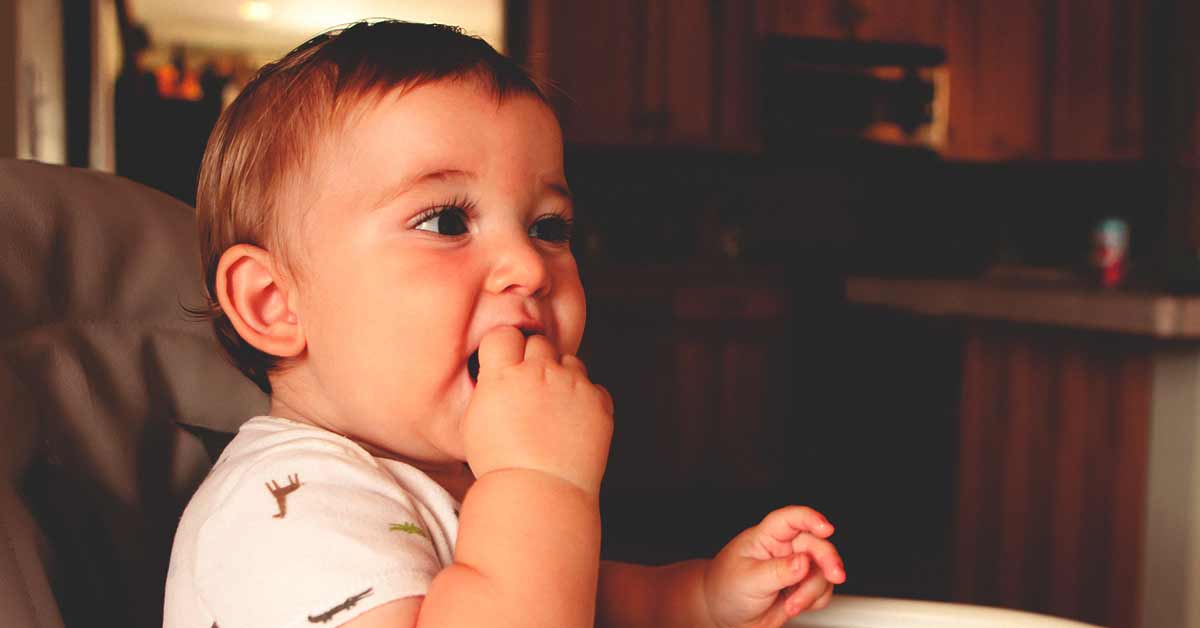
Starting solid foods is an exciting milestone, although “solid” may be an ambitious description when most of the meal ends up mashed into a highchair, rubbed into someone’s hair, or quietly adopted by the family dog.
Baby-led weaning has become a popular alternative to traditional spoon-feeding. Instead of an adult delivering purées one tiny spoonful at a time, a developmentally ready baby is offered appropriately prepared finger foods and allowed to pick them up, explore them, and eat independently.
Supporters say the method encourages independence, exposes babies to varied textures, and makes family meals easier. Critics worry about choking, inadequate iron intake, and whether a six-month-old can be trusted with a broccoli spear. Both sides raise reasonable points.
The most useful question is not whether baby-led weaning is universally better. It is whether its central ideas can be used safely, flexibly, and in a way that meets an individual baby’s nutritional and developmental needs.
What Is Baby-Led Weaning?
Baby-led weaning, commonly abbreviated as BLW, is an approach to complementary feeding in which babies feed themselves soft pieces of ordinary food from the beginning of their solid-food journey. Traditional versions of the method generally skip the stage of exclusively spoon-fed purées.
Despite the name, baby-led weaning does not mean suddenly ending breastfeeding or formula feeding. In this context, “weaning” means gradually adding complementary foods. Breast milk or iron-fortified infant formula should remain an important source of nutrition throughout the first year while solid foods slowly take on a larger role.
The basic baby-led approach
- The baby sits upright and participates in family meals.
- Food is prepared in a shape and texture the baby can manage safely.
- The baby brings food to their own mouth rather than being force-fed.
- The caregiver decides what, when, and where food is offered.
- The baby decides whether to eat and how much to consume.
That final principle is also central to responsive feeding. Caregivers notice and respect hunger and fullness signals instead of turning dinner into a tiny courtroom drama in which the defendant must finish two more bites of squash.
When Is a Baby Ready to Start Solid Foods?
Most babies are ready to begin complementary foods at about six months, but the calendar is only part of the decision. Introducing solids before four months is not recommended, and reaching a certain birthday does not automatically produce safe eating skills overnight.
Signs of developmental readiness
A baby may be ready for baby-led feeding when they can:
- Sit upright with minimal assistance and maintain a stable position in a highchair.
- Control their head and neck steadily throughout the meal.
- Reach for objects, grasp them, and bring them accurately to the mouth.
- Swallow food instead of automatically pushing everything out with the tongue.
- Show interest in food and participate comfortably in mealtimes.
Being large for age, having one or two teeth, or staring intensely at your sandwich does not prove readiness. Babies can mash many soft foods with their gums, so teeth are not essential. Stable posture and coordinated oral skills matter more.
Potential Benefits of Baby-Led Weaning
It encourages self-feeding skills
Picking up food, rotating it in the hand, moving it toward the mouth, and releasing it all require coordination. Baby-led meals give infants repeated opportunities to practice these abilities. As the pincer grasp develops, babies can progress from holding large food strips to picking up smaller pieces.
It provides early exposure to textures
A soft pear slice feels different from scrambled egg, shredded chicken, oatmeal, or roasted zucchini. Offering varied textures may help babies become comfortable with the sensory qualities of food. Texture exposure is valuable, but it does not guarantee that a toddler will never reject dinner because the banana was “too banana-shaped.”
It may simplify family meals
Many family foods can be adapted for a baby before extra salt, sugar, or spicy sauce is added. A baby might receive soft strips of meat, mashed beans, steamed vegetables, or ripe fruit while everyone else eats a seasoned version of the same basic meal.
It supports responsive feeding
Because the baby controls what enters the mouth, caregivers may find it easier to observe signs of hunger and fullness. Turning away, closing the mouth, dropping food repeatedly, slowing down, or becoming distracted can mean the baby has had enough.
What the research does not prove
Baby-led weaning is sometimes promoted as a guaranteed way to prevent obesity, eliminate picky eating, or create a future vegetable enthusiast. Current evidence is not strong enough to promise those outcomes. Research on modified baby-led programs suggests the method can support healthy growth and safe feeding when families receive clear nutrition and choking-prevention guidance, but it has not been shown to be universally superior to well-managed spoon-feeding.
The Main Concerns About Baby-Led Weaning
Choking
Choking is the concern parents mention most often, and it deserves serious attention. Any baby eating solid food can choke, whether the food is self-fed or delivered by spoon. The risk depends heavily on readiness, supervision, posture, food texture, and preparation.
Studies of structured baby-led feeding programs that included safety education have not found a higher choking rate than traditional feeding. That does not mean choking is impossible. It means parents should treat food preparation and active supervision as essential parts of the method, not optional accessories.
Gagging versus choking
Gagging is a protective reflex that helps move food away from the airway. A gagging baby may cough, make noise, open the mouth, turn red, or push the tongue forward. It can look dramatic enough to age a parent approximately seven years during one breakfast.
Choking occurs when the airway is blocked. A choking baby may be unable to cry, cough effectively, or breathe. The baby may become quiet or show a change in skin color. Caregivers should complete an accredited infant CPR and choking-response course before starting solids. If a baby cannot breathe, cry, or cough effectively, call 911 and immediately follow age-appropriate first-aid instructions.
Do not place fingers blindly into a baby’s mouth. A blind finger sweep can push food deeper into the airway.
Iron and energy intake
At approximately six months, babies need dependable sources of iron in addition to breast milk. A plate consisting only of soft fruit and steamed vegetables may photograph beautifully but can fall short nutritionally.
Include an iron-rich food frequently, ideally at every main meal as intake grows. Useful choices include:
- Soft shredded beef, chicken, turkey, lamb, or dark-meat poultry.
- Flaked low-mercury fish with every bone carefully removed.
- Well-cooked egg.
- Mashed beans, lentils, chickpeas, tofu, or bean-based patties.
- Iron-fortified infant cereal served on a preloaded spoon.
Plant-based iron is absorbed more effectively when paired with vitamin C-rich foods such as strawberries, tomatoes, broccoli, mango, or bell pepper. Babies who were born prematurely, have poor growth, eat a restricted diet, or have known iron deficiency need individualized medical guidance.
How to Practice Baby-Led Weaning Safely
1. Begin with stable seating
Use an upright highchair with a secure harness and, ideally, a footrest. The baby should not recline, slump sideways, or eat while crawling, riding in a stroller, or sitting in a moving vehicle.
2. Stay close and attentive
An adult who knows how to respond to choking should remain within reach throughout the meal. Avoid feeding while you are distracted by a phone, cooking across the room, or attempting to answer twenty-seven work emails.
3. Make food soft enough
Early foods should be soft enough to mash easily between the fingers. Tough meat, raw carrot, raw apple, hard crackers, and firm chunks of cheese are not suitable starter foods.
4. Use developmentally appropriate shapes
At around six months, many babies handle soft finger-length strips or pieces with a natural “handle.” Examples include a soft avocado wedge with part of the skin left on for grip, a strip of omelet, a broccoli floret with a long stem, or a roasted sweet-potato wedge.
As the pincer grasp develops, usually later in infancy, food can be offered in smaller soft pieces. Round or coin-shaped foods are risky because they can match the shape of the airway.
5. Let the baby control the food
Place food on the tray or hand the baby a preloaded spoon. Avoid pushing finger foods into the mouth. A baby who is tired, upset, sick, or turning away should not be pressured to continue.
6. Start slowly
One relaxed meal a day is enough at first. The initial goal is exploration and skill-building, not consuming a three-course dinner. Increase meal opportunities gradually as the baby becomes more capable and interested.
How to Prepare Common Foods
| Food | Safer Preparation for a Beginner |
|---|---|
| Avocado | Offer a thick, ripe wedge that squishes easily. |
| Broccoli | Steam until very soft and leave enough stem for gripping. |
| Egg | Cook thoroughly and cut an omelet into wide strips. |
| Chicken | Serve moist, tender, shredded meat or a soft strip without skin or bones. |
| Beans | Mash them, spread them thinly on toast, or form a soft patty. |
| Peanut butter | Thin smooth peanut butter with warm water, breast milk, formula, or purée. Never serve a sticky spoonful. |
| Apple | Cook until soft. Avoid hard raw pieces for babies. |
| Grapes | For older babies, cut lengthwise into quarters. Never serve whole grapes. |
| Oatmeal | Prepare it thick enough to cling to a preloaded spoon. |
| Fish | Cook thoroughly, remove all bones, and serve soft flakes or a tender patty. |
Introducing Peanut, Egg, and Other Allergens
Parents were once commonly advised to delay allergenic foods. Current guidance generally supports introducing common allergens when a baby is developmentally ready for solids, rather than delaying them without a medical reason.
Peanut must be offered in an infant-safe form. Whole peanuts, nut pieces, and thick blobs of nut butter are choking hazards. Smooth peanut butter can be thinned and offered from a preloaded spoon or mixed into a familiar food. Egg should be fully cooked.
Introduce an allergen at home during the daytime when the baby is healthy and an adult can observe them. Start with a small amount, then offer more if no reaction develops. Once an allergen is tolerated, include it regularly in the diet rather than serving it once and then forgetting about it until kindergarten.
Babies with severe eczema, an existing food allergy, or a previous reaction require advice from a pediatrician or allergy specialist. Infants with severe eczema or egg allergy may need peanut introduced earlier and under a clinician-directed plan.
Hives, swelling, repetitive vomiting, wheezing, breathing difficulty, unusual sleepiness, or sudden widespread symptoms can indicate an allergic reaction. Breathing problems, significant swelling, or symptoms affecting more than one body system require emergency care.
Foods and Drinks to Avoid
- Honey before 12 months: Honey can expose infants to spores associated with infant botulism.
- Whole nuts and popcorn: These are serious choking hazards.
- Whole grapes and cherry tomatoes: Modify them by cutting lengthwise into quarters when developmentally appropriate.
- Hot dog coins: Hot dogs are firm and round. They require careful lengthwise cutting and further modification.
- Hard raw produce: Raw carrots and firm apple pieces are difficult for babies to manage.
- Sticky spoonfuls of nut butter: Thin nut butter before serving.
- Undercooked eggs, meat, or seafood: Cook animal foods thoroughly and avoid unpasteurized products.
- Foods high in added sugar or sodium: Babies have limited room for foods that provide calories without important nutrients.
- Juice before 12 months: Whole fruit is a more useful choice for most infants.
- Cow’s milk as the main drink before 12 months: Breast milk or infant formula remains the appropriate primary milk. Pasteurized yogurt and cheese can generally be offered earlier.
Baby-Led Weaning Versus Purées: Must Parents Choose?
No feeding law requires families to select one camp and defend it on social media. A flexible or mixed approach is often practical.
A baby can self-feed a strip of toast at breakfast, eat mashed beans from a preloaded spoon at lunch, and accept a caregiver-fed spoonful of yogurt at dinner. Thick purées, mashed foods, lumpy textures, finger foods, and utensils can all help develop eating skills.
Using a spoon does not cancel baby-led feeding. The important distinction is whether the caregiver responds to the baby’s cues. Hold the spoon where the baby can see it, wait for an open mouth or forward movement, and stop when the baby turns away or closes the mouth.
A hybrid approach may make it easier to provide iron-fortified cereal, yogurt, hummus, stew, and other nutrient-dense foods that are inconvenient to serve as handheld pieces. Flexibility also helps childcare providers and family members participate safely.
A Simple Starter Menu
This example is not a rigid meal plan. Portion sizes should begin small, and breast milk or formula should continue according to the baby’s usual routine.
Day One
- Soft omelet strip
- Ripe avocado wedge
- A small amount of water in an open cup
Day Two
- Iron-fortified oatmeal on a preloaded spoon
- Very soft pear slice
- Plain, pasteurized full-fat yogurt
Day Three
- Soft shredded beef or a tender lentil patty
- Steamed broccoli floret
- Mashed berries on a preloaded spoon
When first introducing allergens, avoid serving several brand-new allergenic foods in the same meal. Keeping the meal simple makes it easier to identify the likely cause if a reaction occurs.
When Baby-Led Weaning May Need Modification
Some infants need an individualized feeding assessment before beginning baby-led weaning. Speak with the baby’s healthcare team if the child:
- Was born prematurely and has not reached the necessary developmental skills.
- Has difficulty sitting upright or controlling the head and trunk.
- Coughs, chokes, or has breathing changes during milk feeds.
- Has a known swallowing disorder, oral-motor delay, cleft palate, or neuromuscular condition.
- Has poor weight gain, iron deficiency, severe reflux, or complex medical needs.
- Shows extreme distress around textures or repeatedly refuses to bring food to the mouth.
A pediatric dietitian, occupational therapist, or speech-language pathologist specializing in feeding can recommend safe textures, positioning, utensils, and nutritional strategies.
What Baby-Led Weaning Feels Like in Real Life
The following is a realistic composite of experiences commonly described by families rather than the story of one specific baby.
The first meal: more investigation than ingestion
A family begins with a soft strip of omelet and an avocado wedge. The baby squeezes the avocado with great concentration, stares at the green hand that results, and eventually tastes approximately one molecule. The adults wonder whether the meal “counted.” It did. Early feeding is about learning how food feels, smells, moves, and changes inside the mouth.
On the third attempt, the baby gags on a tiny piece of omelet, coughs, pushes it forward, and immediately reaches for it again. The parents remain close but allow the protective reflex to work. They are grateful they completed an infant first-aid class because understanding the difference between noisy gagging and silent choking makes the moment less frightening.
The iron problem appears
During the second week, the family realizes that most of its convenient starter foods are fruit, avocado, sweet potato, and steamed vegetables. All are useful, but the menu needs more iron and protein.
They begin offering shredded dark-meat chicken, a soft lentil patty, egg, mashed beans, and iron-fortified oatmeal on a preloaded spoon. They pair beans with tomato and oatmeal with mashed strawberries. The meals become nutritionally stronger without becoming complicated.
The allergen breakfast
Peanut introduction feels more intimidating. After discussing the plan with their pediatrician, the parents thin smooth peanut butter with warm water and mix a small amount into familiar oatmeal. They serve it in the morning, when the baby is healthy and they have time to observe.
No reaction occurs, so peanut returns regularly in safe forms. Egg, dairy, sesame, wheat, and fish are introduced gradually as well. The family keeps a simple note on the refrigerator rather than attempting to store the entire feeding history in a sleep-deprived brain.
The unexpected value of a mixed approach
At first, the parents believe “real” baby-led weaning means avoiding all caregiver-fed food. That rule becomes inconvenient when they want to offer yogurt, soup, hummus, and cereal. They switch to a responsive hybrid method. The baby holds one spoon while a parent offers another, waiting for the baby to lean forward and open the mouth.
Some meals are enthusiastic. Other meals end after two bites because the baby is tired, teething, or more interested in dropping broccoli and studying gravity. Intake varies from day to day, which is normal as long as milk feeds, growth, development, and overall nutrition remain on track.
Progress without perfection
After several weeks, less food lands on the floor. The baby becomes better at biting, chewing, and moving food around the mouth. The parents become better at preparing safe textures and recognizing fullness cues.
The most useful lesson is that baby-led weaning is not a performance. A meal is not a failure because the baby eats little, needs a softer texture, or uses a spoon. Success means providing safe, nutritious opportunities while allowing skills and confidence to develop at the baby’s pace.
Final Verdict: Is Baby-Led Weaning the Right Approach?
Baby-led weaning can be a safe and practical way to start solids for many healthy, developmentally ready infants. It encourages self-feeding, offers varied textures, and can help babies participate in family meals. However, the benefits depend on thoughtful food preparation, direct supervision, responsive feeding, and regular access to iron-rich, energy-dense foods.
It is not the only healthy approach. Traditional spoon-feeding can also support excellent nutrition and development, particularly when caregivers introduce increasingly varied textures and respect the baby’s signals. Many families will find that a responsive combination of finger foods, mashed meals, purées, and preloaded spoons works best.
The right approach is not the one with the trendiest label. It is the one that keeps the baby upright, supervised, nourished, developmentally challenged, and happily involved in mealtimeseven when most of lunch is technically being worn as a hat.
Note: This article provides general educational information and does not replace advice from a pediatrician, registered dietitian, allergy specialist, or feeding therapist who has assessed an individual child.