

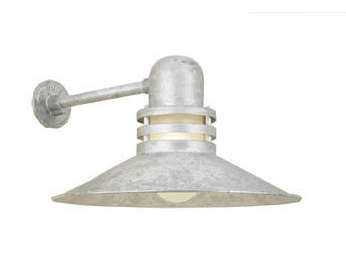
Some light fixtures simply illuminate a wall. Others manage to illuminate a wall, flatter a doorway, whisper something charming about the house, and make the whole place look like it has its life together. The Barn Light Wall Mount Revival Sconce belongs in that second camp. It is the kind of fixture that feels practical first, stylish second, and somehow ends up excelling at both.
That is part of its appeal. A revival sconce borrows the honest, hardworking spirit of old barn and warehouse lighting, then refines it for modern homes. It looks at home on a farmhouse porch, beside a mudroom door, above a garage, near a kitchen entry, or even in a bathroom that leans industrial without trying too hard. In other words, it is the lighting equivalent of well-worn denim: useful, timeless, and suspiciously good at making everything around it look cooler.
What makes the Barn Light Wall Mount Revival Sconce especially interesting is that it bridges old-school utility and modern customization. Historic barn-style fixtures were designed to direct light exactly where it was needed. Today’s wall-mounted revival sconces keep that focused purpose, but they add better finishes, more shade sizes, improved weather ratings, LED-friendly sockets, and style flexibility that works across farmhouse, industrial, rustic, traditional, and even modern homes.
Why This Sconce Still Feels Fresh
The word revival is doing some heavy lifting here, and for good reason. This style revives the practical silhouette of traditional barn lighting while updating the fixture for contemporary living. The original appeal of barn lights was never fussy. They were built to throw useful light over doors, walkways, work areas, and service entries. That direct, no-nonsense purpose still matters today.
What has changed is the context. Instead of lighting a feed room or a stable wall, a revival sconce might now frame a front entry, highlight a side porch, brighten a bathroom vanity wall, or add character above a built-in bench. The look is rooted in history, but it does not feel stuck there. That balance is why it continues to show up in renovation projects and curb-appeal upgrades year after year.
Historically inspired wall sconces also work because they speak the language of architecture. They have enough visual weight to feel intentional, but they do not demand the spotlight the way a flashy lantern or oversized designer fixture might. A barn-style revival sconce complements the house instead of hijacking it. Frankly, that is a rare and lovely personality trait.
What Defines a Barn Light Wall Mount Revival Sconce?
At its core, this fixture is a wall-mounted light with industrial-farmhouse DNA. Expect a metal shade, a straightforward arm or wall-mount structure, and a shape designed to direct or soften illumination. Some versions lean more warehouse. Others lean more porch lantern. The best ones land in the sweet spot between sturdy and elegant.
The classic design cues usually include:
- A dome or angled metal shade that directs light downward or outward
- A wall-mounted arm or compact bracket that keeps the profile useful and architectural
- Metal construction such as aluminum, steel, brass, or copper
- Finish options like black, white, bronze, green, galvanized metal, or custom powder coating
- Indoor/outdoor versatility when the fixture carries the proper damp or wet rating
One of the details that makes this category so compelling is scale. Older product listings for the Barn Light Wall Mount Revival Sconce offered a surprisingly wide range of shade sizes, from compact 8-inch versions to generous 24-inch shades. That tells you something important: this is not a one-size-fits-all style. A revival sconce can read delicate and tidy, or bold and architectural, depending on how you size it.
Where a Revival Sconce Works Best
Front Entry
This is the obvious star location. A barn-style wall sconce beside a front door creates a welcoming first impression and gives the entry real visual structure. If the house has simple siding, painted brick, board-and-batten, or shiplap, the fixture often looks especially good because the clean lines of the architecture let the silhouette stand out.
Garage and Side Doors
Wall-mounted barn lights also shine around garage doors, service doors, and side entrances. These are practical zones where people carry groceries, search for keys, and occasionally attempt the awkward dance of opening a door while balancing three bags and their dignity. A well-placed revival sconce improves visibility while adding curb appeal that feels purposeful rather than decorative for decoration’s sake.
Covered Porches and Patios
On a covered porch, this style delivers the relaxed charm people want from farmhouse-inspired lighting. It looks especially strong in pairs, where symmetry can make even an ordinary builder-grade entry feel more custom.
Bathrooms, Mudrooms, and Kitchens
Inside the house, the same fixture can look great in a bathroom, a mudroom, or a kitchen that mixes vintage character with practical surfaces. This style works well when paired with tile, natural wood, painted cabinetry, or matte-black hardware. It can also be part of a layered lighting plan, where sconces support ambient ceiling lighting and task lighting instead of trying to do every job alone.
How to Choose the Right Size
Here is where many homeowners go wrong: they buy a fixture that is too small, then wonder why it looks apologetic. Good exterior lighting should not look timid. It should look proportionate.
A useful rule of thumb for entry lighting is simple. If you are using one fixture next to a door, it should be about one-third the height of the door. If you are using two fixtures, one on each side, each can be around one-fourth the door height. That guideline prevents the “tiny porch light on a giant wall” problem, which is one of the fastest ways to make a beautiful house look oddly unfinished.
With a barn-style revival sconce, shade size matters just as much as overall fixture height. A larger shade creates more visual drama and often spreads light more broadly. A smaller shade feels neater and more restrained. Neither is wrong. The question is whether you want the light to whisper or announce itself.
For example, a narrow side door on a modest bungalow may look best with a compact sconce in the 8- to 12-inch shade range. A garage bay or broad farmhouse facade can usually handle a 14- to 20-inch shade without breaking a sweat. On larger homes, going undersized is usually the bigger mistake.
Placement: Height, Spacing, and Glare Control
Once you choose the right size, placement becomes the difference between “designer-looking” and “close enough.” For most front-entry wall sconces, a common recommendation is to install the center of the fixture at roughly 65 to 75 inches above the ground. Another classic visual rule is to align the fixture roughly with the upper third of the door. Those two guidelines usually overlap nicely, though real houses have a charming habit of refusing to be identical.
If you are using a single sconce, placing it on the doorknob side of the door usually provides the most useful light when entering or greeting guests. If you are using double sconces, keep them symmetrical and generally 6 to 12 inches from the door casing, adjusted as needed for trim width and fixture scale.
On covered porches and side walls, keep glare in mind. A revival sconce should cast comfortable, useful light, not an interrogation-room beam. If the shade is shallow or the bulb is very exposed, choose a bulb and mounting height that reduce harsh brightness at eye level. Where a softer effect is needed, diffused or frosted glass can help mellow shadows and create a gentler glow.
Finishes, Materials, and the Mood They Create
The finish of a barn light wall mount revival sconce changes the mood more than most people expect. Matte black is the classic favorite because it works with almost everything: white siding, red brick, wood doors, painted trim, stone veneer, and modern farmhouse palettes. It is reliable, handsome, and hard to mess up.
White finishes feel crisp and slightly more coastal or cottage-inspired. Bronze adds warmth and a traditional edge. Green can look wonderfully heritage-driven on farmhouses or cottages. Copper is beautiful if you want a living finish that develops patina over time. Brass accents add polish without turning the fixture into a diva.
The interior of the shade matters too. A white interior generally boosts brightness and clean reflection. A brass-toned interior tends to warm the light and add richness. That tiny detail can completely change how the fixture feels at night. Think of it as the lighting equivalent of choosing between a crisp white shirt and a camel cashmere sweater. Both are lovely. They just tell different stories.
Bulbs, Brightness, and Modern Performance
While vintage listings often referenced incandescent wattage, modern homeowners usually get the best results with LED bulbs. That gives you more efficiency, longer bulb life, and better control over brightness and color temperature. For most residential applications, a warm white bulb around 2700K to 3000K feels inviting without turning the porch into a dentist’s office.
If the fixture uses an E26 socket, replacement is easy and flexible. Some newer styles also offer integrated LED systems or dusk-to-dawn features with built-in photocells. Those options can be useful for service doors, garage walls, and areas where automatic nighttime lighting is a convenience rather than a luxury.
As for brightness, more is not always better. A revival sconce is often most attractive when it creates a warm, useful pool of light instead of a blast of glare. For many entries, a modest LED bulb is enough. If the fixture has clear glass or a very open profile, a softer bulb or diffused bulb shape can produce a more flattering nighttime effect.
Wet, Damp, or Dry? Do Not Skip This Part
This is the unglamorous but essential chapter. If the fixture is going outdoors, you need to match the location rating to the environment. A dry-rated fixture belongs in dry indoor spaces. A damp-rated fixture can handle moisture in the air and is appropriate for covered porches or protected exterior areas. A wet-rated fixture is built for direct exposure to rain and weather.
That means a revival sconce on a fully exposed exterior wall should usually be wet-rated. A covered porch may only require damp rating, depending on exposure. It is always smarter to be slightly overqualified than sadly underprepared. Rain has no respect for your decorating budget.
Also pay attention to materials. Aluminum, steel with protective finishes, brass, and copper are common choices for outdoor versions because they hold up better under changing weather conditions. If you live in a humid, coastal, or storm-prone climate, durability is not a bonus feature. It is the feature.
How to Style It Without Going Full Theme Park Farmhouse
Yes, this fixture works beautifully in farmhouse design. No, that does not mean you need a wagon wheel, twelve reclaimed signs, and a decorative rooster the size of a small pony.
The best way to style a Barn Light Wall Mount Revival Sconce is with restraint. Let it play against clean architectural lines, natural textures, and a limited palette. A matte-black sconce beside a stained wood door looks crisp and timeless. A bronze version on painted brick feels warm and grounded. A white or green finish can soften the look on cottages or more relaxed exteriors.
Indoors, pair it with subway tile, beadboard, natural stone, unlacquered brass, oak shelving, or simple mirrors. In a bathroom, it can feel industrial but still inviting. In a mudroom, it adds character without sacrificing toughness. In a kitchen, it works best as part of a layered plan rather than the only source of illumination.
Is a Barn Light Wall Mount Revival Sconce Worth It?
In many cases, yes. It is one of those fixtures that earns its keep. It provides useful light, improves curb appeal, supports a wide range of styles, and generally ages well. Unlike trendier statement lighting, a good revival sconce rarely feels embarrassing five years later.
It is especially worth considering if you want a fixture that feels rooted in American industrial and farmhouse design traditions but still works with modern materials and expectations. Choose the right scale, rating, finish, and bulb, and you get a light that looks good in daylight, performs well after dark, and continues to make sense long after trend lists have moved on to whatever shiny thing they are chasing next.
Real-World Experiences With a Barn Light Wall Mount Revival Sconce
Living with a Barn Light Wall Mount Revival Sconce is often a lesson in how much one fixture can change the character of a space. The first thing most people notice is not brightness. It is presence. In daylight, the fixture reads almost like a small architectural detail rather than an accessory. A plain side entry starts looking more intentional. A garage wall feels less blank. A covered porch suddenly seems styled, even when the furniture is modest and the doormat is just doing its best.
The second experience is scale awareness. People often do not realize how undersized their previous lighting was until the new sconce goes up. A correctly sized revival sconce has real visual confidence. It can anchor a doorway, frame trim, and make a facade feel balanced. That is why many homeowners who swap out a tiny builder-grade lantern for a barn-style wall mount end up saying the same thing: they did not just replace a light, they improved the whole exterior.
There is also a noticeable difference in the quality of light. Because many revival-style sconces use a shade that directs illumination downward or outward, the light tends to feel purposeful. At an entry, you can actually see the lock, the step, and the threshold without flooding the whole wall in harsh brightness. On a porch, the glow can feel calm and welcoming rather than theatrical. Indoors, especially in mudrooms, powder rooms, or kitchens, that same directed light can create a cozy rhythm on the wall.
Another common experience is realizing how much finishes matter at night. During the day, black, bronze, white, copper, or green might seem like simple decorative decisions. After dark, they affect the whole mood. A white-interior shade often creates a cleaner, brighter reflection. A warmer interior finish gives the light a richer tone. Frosted or diffused glass can soften the fixture’s output and reduce the hard-edged shadows that sometimes come with exposed bulbs. These details sound small on paper and look very large in real life.
Maintenance tends to be pleasantly boring, which is exactly what you want. A good outdoor sconce should not require dramatic attention. Most of the lived experience involves occasional dusting, wiping away pollen or grime, and replacing bulbs far less often if you use LED. The main thing people learn over time is that proper rating matters. A fixture in a protected porch can age beautifully, while one exposed to driving rain needs true weather-ready construction. When the right fixture is used in the right place, it usually keeps looking handsome rather than haggard.
Perhaps the most satisfying experience is how flexible the style remains over time. Homeowners repaint, change hardware, replace doors, update planters, and rethink decor. A well-chosen Barn Light Wall Mount Revival Sconce usually survives all of those shifts. It still works when the house leans more modern, more rustic, or a little more traditional. That staying power is hard to overstate. In a world full of temporary trends and impulsive purchases, a fixture that keeps making sense year after year feels quietly luxurious.
Final Thoughts
The Barn Light Wall Mount Revival Sconce endures because it solves real problems beautifully. It gives useful light, creates atmosphere, strengthens architecture, and adapts to a surprising range of rooms and exterior zones. It is practical without being plain, nostalgic without becoming kitschy, and customizable without losing its identity.
If you want a wall light that brings together farmhouse warmth, industrial clarity, and everyday usefulness, this is a smart choice. Just remember the essentials: choose the right size, hang it at a thoughtful height, match the rating to the environment, and select a finish that complements the house rather than competing with it. Do that, and your lighting will not just work. It will quietly elevate everything around it.