

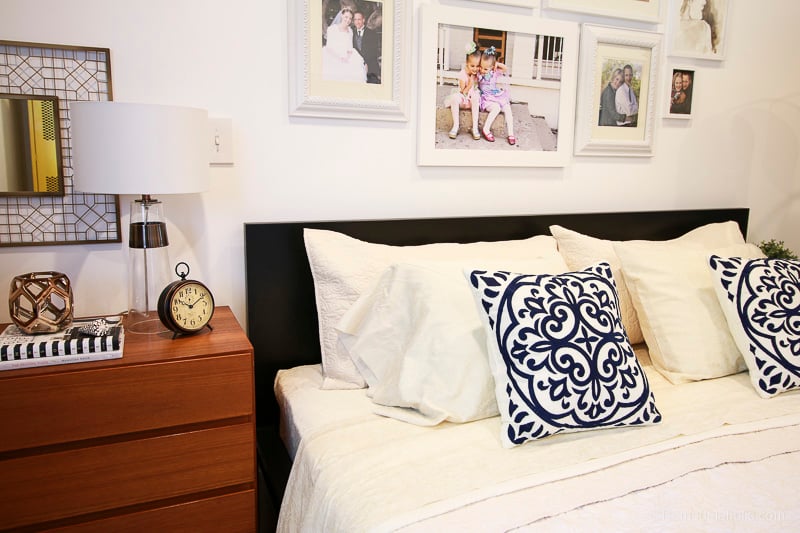
Your bedroom should do more than provide four walls and a convenient place to collapse after a long day. Itct your personality without resembling a furniture showroomor the mysterious chair where clean laundry goes to wait for a decision.
The best bt before buying accessories, selecting colors that create the right mood, layering practical lighting, and finding storage solutions that keep everyday clutter under control. Whether you are decorating a large primary suite, a compact apartment bedroom, or a guest room on a
Start With a Bedroom Layout That Works
Before choosing paint, pillows, or a decorative object shaped like an emotionally unavailable llama, examine how you move through the room. A beautiful bedroom becomes frustrating when dresser drawers hit the bed, closet doors cannot open fully, or every midnight bathroom trip feels like an obstacle course.
Make the Bed the Main Focal Point
The bed is usually the largest item in the room, so let it anchor the design. When possible, position the headboard against a solid wall where the bed is visible from the doorway. This creates a natural focal point and makes the room feel settled.
Leave enough space to walk comfortably around the bed. In a shared bedroom, access on both sides is ideal. In a very small bedroom, placing one side against a wall may be necessary, but the rest of the layout should remain open and easy to navigate.
Choose Furniture According to Scale
A king-size bed, two wide nightstands, a dresser, a bench, and a reading chair may look lovely in a catalog. In a 10-by-10-foot room, they may form a tiny upholstered traffic jam. Measure the bedroom and major furniture pieces before buying anything.
Low-profile beds and furniture with visible legs can make a compact room feel lighter. In a large bedroom, taller headboards, substantial nightstands, and an upholstered bench help fill the space without relying on dozens of small decorative items.
Build a Bedroom Color Palette Around a Mood
There is no single “correct” bedroom color. The best palette depends on how you want the space to feel when you enter it. Soft blues, muted greens, warm whites, clay tones, taupe, and gentle gray-browns can create a peaceful atmosphere. Navy, charcoal, forest green, burgundy, and chocolate brown produce a darker, cocoon-like effect.
For an easy decorating formula, select one main color, one supporting neutral, and one or two accents. For example, combine warm white walls with natural wood furniture, olive bedding, and small touches of rust. Another option is dusty blue walls, cream textiles, walnut furniture, and aged brass lighting.
Test Paint in the Actual Room
Paint can change dramatically throughout the day. A beige that appears calm in a store may look unexpectedly peach at sunset. Test large samples on different walls and view them during morning, afternoon, and evening light before committing.
Try Color Drenching for a Cozy Effect
Color drenching involves using one color, or closely related shades, across walls, trim, doors, and sometimes the ceiling. It can make a bedroom feel enveloping and sophisticated. Soft sage creates a gentle version of the look, while deep blue or brown delivers more drama.
Turn the Bed Into the Design Centerpiece
A well-styled bed can improve the entire bedroom even when everything else is simple. Begin with comfortable sheets and a duvet, quilt, or comforter suited to your sleeping habits. Add visual depth through texture rather than creating a mountain of pillows that must be relocated every night.
A practical arrangement might include two sleeping pillows per person, two decorative shams, one lumbar pillow, and a folded throw near the foot of the bed. Mix smooth cotton, washed linen, velvet, wool, or a chunky knit while repeating colors from the rest of the room.
Use a Headboard to Establish Character
An upholstered headboard softens the bedroom and provides a comfortable surface for reading. A wood headboard adds warmth, while cane, rattan, or woven designs suit relaxed coastal and bohemian rooms. For a budget update, paint a headboard shape directly on the wall or install removable wallpaper behind the bed.
Artwork, sconces, or narrow shelves can also frame the sleeping area. Keep heavy objects securely mounted and avoid placing anything unstable directly above the pillows. Style is wonderful; being awakened by a falling ceramic bird is less wonderful.
Layer the Bedroom Lighting
One harsh ceiling fixture rarely provides everything a bedroom needs. A successful lighting plan combines ambient, task, and accent lighting so the space can shift from bright and practical in the morning to soft and relaxing at night.
- Ambient lighting: Use a ceiling fixture, pendant, recessed lights, or a fan with an integrated light for general illumination.
- Task lighting: Add bedside lamps, adjustable sconces, or a floor lamp near a reading chair.
- Accent lighting: Highlight artwork, architectural details, shelving, or the headboard with a subtle decorative glow.
Dimmers provide greater control and can make even an inexpensive fixture feel more sophisticated. Warm-toned bulbs generally create a cozier evening atmosphere than cool, blue-white light. In small bedrooms, wall-mounted sconces free up valuable nightstand space.
Use Window Treatments for Style and Sleep
Window treatments add softness, privacy, light control, and visual height. For flexibility, combine light-filtering curtains with blackout shades or lined drapes. The sheer layer softens daylight, while the blackout layer helps create a darker sleeping environment.
Mount curtain rods several inches above the window frameor closer to the ceilingto make the room appear taller. Extending the rod beyond the sides of the window allows open curtains to reveal more glass and natural light.
Choose curtains that reach the floor rather than stopping awkwardly halfway down the wall. A slight break at the floor feels relaxed, while fabric that barely touches the floor looks tailored and modern.
Add Warmth With Texture
Texture prevents a neutral bedroom from feeling flat. A cream-colored room can still have plenty of visual depth when it includes linen curtains, woven baskets, a wool rug, an upholstered bed, wood furniture, and softly wrinkled bedding.
An area rug is especially useful for defining the bed and making hard flooring more comfortable. For a balanced arrangement, place a large rug beneath the lower two-thirds of the bed so it extends beyond both sides and the foot. In a narrow room, runners placed beside the bed offer a more affordable alternative.
Natural materials such as wood, cotton, linen, wool, rattan, and jute introduce warmth, but they do not all need to match. Combining several finishes often looks more collected and personal than buying an identical furniture set.
Explore Smart Small Bedroom Decor Ideas
A small bedroom does not need to be visually empty. It simply needs furniture and decor that earn their space. Begin by reducing the number of pieces rather than automatically choosing miniature versions of everything.
Use Vertical Space
Install floating shelves, tall bookcases, wall hooks, or cabinets that draw the eye upward. Floor-to-ceiling curtains and vertically arranged artwork can also emphasize height. Keep frequently used objects within easy reach and reserve higher shelves for seasonal or decorative items.
Choose Multipurpose Furniture
A storage bed, dresser used as a nightstand, wall-mounted desk, or bench with a lift-up seat can replace several separate pieces. A narrow console may function as both a vanity and workspace. In a guest room, a daybed or Murphy bed allows the room to support other activities when no one is visiting.
Reduce Visual Clutter
Closed storage usually creates a calmer appearance than a collection of open bins. Use matching boxes on shelves, drawer dividers inside dressers, and baskets for extra blankets. Selective open storage can display attractive objects, but it should not become an archaeological record of every purchase made since 2017.
Decorate Bedroom Walls With Intention
Wall decor should support the room rather than fill every available inch. Above the bed, consider one large artwork, a coordinated pair of prints, a textile hanging, or a balanced gallery wall. Larger pieces often look calmer and more confident than many tiny frames scattered across a wide wall.
Personal photographs, travel souvenirs, handmade art, vintage finds, and favorite books make the bedroom feel individual. Use repeated frame colors, subject matter, or spacing to connect different pieces.
Removable wallpaper offers a renter-friendly way to create an accent wall, decorate a recessed nook, or add pattern behind a headboard. Picture ledges are another flexible option because art can be changed without repeatedly drilling new holes.
Bedroom Decor Ideas for Popular Styles
Modern Bedroom
Choose clean-lined furniture, restrained colors, simple bedding, and a limited number of sculptural accessories. Add warmth through wood, textured fabric, and an oversized rug so the room does not feel clinical.
Cozy Bedroom
Layer soft bedding, warm neutrals, shaded lamps, full curtains, and tactile materials. Deep wall colors can make a larger room feel more intimate, while candles or fragrance diffusers may add atmosphere when used safely.
Bohemian Bedroom
Combine vintage furniture, patterned textiles, handmade objects, plants, and natural materials. Repeat a few colors throughout the room to keep the mix energetic rather than chaotic.
Hotel-Inspired Bedroom
Use crisp bedding, an upholstered headboard, symmetrical bedside lighting, lined curtains, uncluttered surfaces, and a bench or luggage rack. A decorative tray on the dresser can organize small items while creating a polished look.
Renter-Friendly Bedroom
Focus on portable changes: removable wallpaper, plug-in sconces, large artwork, curtains, rugs, upgraded bedding, and freestanding storage. Replacing basic hardware can also make a noticeable difference, provided the original pieces are stored safely for move-out day.
Budget-Friendly Bedroom Updates
A bedroom makeover does not require replacing every piece of furniture. Start with high-impact changes that improve both appearance and comfort:
- Rearrange the furniture to create better circulation.
- Paint the walls, trim, ceiling, or an existing dresser.
- Replace worn or undersized curtains.
- Upgrade lampshades and use coordinated bulbs.
- Add a washable rug or soft bedside runners.
- Change pillow covers instead of buying complete pillows.
- Frame inexpensive prints, fabric remnants, or personal photographs.
- Remove unnecessary decor before purchasing anything new.
Thrift stores, estate sales, and online resale platforms are excellent sources for nightstands, mirrors, lamps, frames, and solid-wood furniture. A mismatched pair of nightstands can look intentional when connected through matching lamps or a shared paint color.
Common Bedroom Decorating Mistakes
Avoid selecting a rug that barely extends beyond the bed, relying on a single overhead light, hanging curtains too low, or filling every surface with accessories. Furniture that is too large can interrupt movement, while furniture that is too small may make a spacious room look unfinished.
Another common mistake is copying a trend without considering daily habits. Open clothing racks look charming when holding eight coordinated garments. They look rather different when supporting an entire wardrobe, three tote bags, and a bathrobe that has apparently become part of the architecture.
Most importantly, do not sacrifice comfort for appearance. Bedding should feel pleasant, lighting should support reading and dressing, and storage should be easy enough to use every day.
Real-World Bedroom Decorating Experiences: What Actually Works
Real bedroom makeovers often reveal a gap between what looks attractive in a photograph and what remains practical after several months of daily use. One of the most consistent lessons is that layout changes usually deliver more value than decorative shopping. Moving a bed to a stronger focal wall can improve circulation, create space for two nightstands, and make existing furniture appear more intentional. It costs nothing, although it may briefly expose an alarming amount of dust.
Another useful experience is to decorate slowly. Purchasing an entire matching bedroom collection in one afternoon creates instant coordination, but it can also make the room feel impersonal. Spaces developed over time tend to have greater character. A simple bed may be paired with inherited wood furniture, modern lamps, vintage artwork, and new textiles. The finishes do not need to be identical when proportions, colors, or shapes provide a visual connection.
Lighting upgrades frequently produce one of the most noticeable improvements. Bedrooms that initially feel cold or unfinished often depend on a bright ceiling fixture. Adding two bedside lamps immediately changes the atmosphere, especially when the light is softened by fabric or frosted-glass shades. Plug-in wall sconces can achieve a similar effect without electrical work and are particularly helpful when the nightstands are small.
Bedding is another area where practicality matters. An elaborate arrangement of twelve decorative pillows may photograph beautifully, but it creates a nightly relocation project. In everyday bedrooms, a smaller combination of supportive sleeping pillows, two decorative pillows, and one lumbar pillow usually feels polished without becoming inconvenient. A washable throw at the foot of the bed adds color and protects the bedding from pets, luggage, or afternoon naps taken in clothing that has encountered the outside world.
Storage solutions work best when they match existing habits. A storage bench is helpful only when its lid is easy to open. Under-bed boxes are useful only when they can slide out without moving furniture. Decorative baskets can collect blankets, but too many baskets eventually become attractive containers for unidentified objects. The most successful organization systems reduce the number of steps needed to put something away.
Color choices also benefit from patience. Small paint samples can appear misleading, especially in bedrooms with changing natural light. Larger samples viewed over several days reduce the chance of selecting a color that looks calm in the morning but strangely fluorescent at night. When a dramatic wall color feels intimidating, introducing it through bedding, curtains, or artwork provides a lower-risk test.
Finally, the most satisfying bedroom decor tends to include personal details rather than decorations chosen solely because they are fashionable. A framed family photograph, a book collected during a trip, handmade pottery, or a restored nightstand can make the room emotionally meaningful. Trends can provide inspiration, but the bedroom should ultimately feel like the person who uses it. A successful room is not merely photogenic; it supports sleep, simplifies routines, and feels welcoming at the end of an ordinary day.
Create a Bedroom That Feels Like Yours
The strongest bedroom decor ideas begin with comfort and function, then build personality through color, lighting, textiles, art, and meaningful objects. Establish a practical layout, make the bed the focal point, control clutter, and layer the lighting before concentrating on smaller accessories.
You do not need a large room or luxury budget. Thoughtful proportions, comfortable bedding, attractive storage, and a few personal details can transform even a basic bedroom into a stylish retreat. The goal is not to create a perfect showroom. It is to design a room where you can relax, recharge, and occasionally ignore the laundry chair with dignity.