

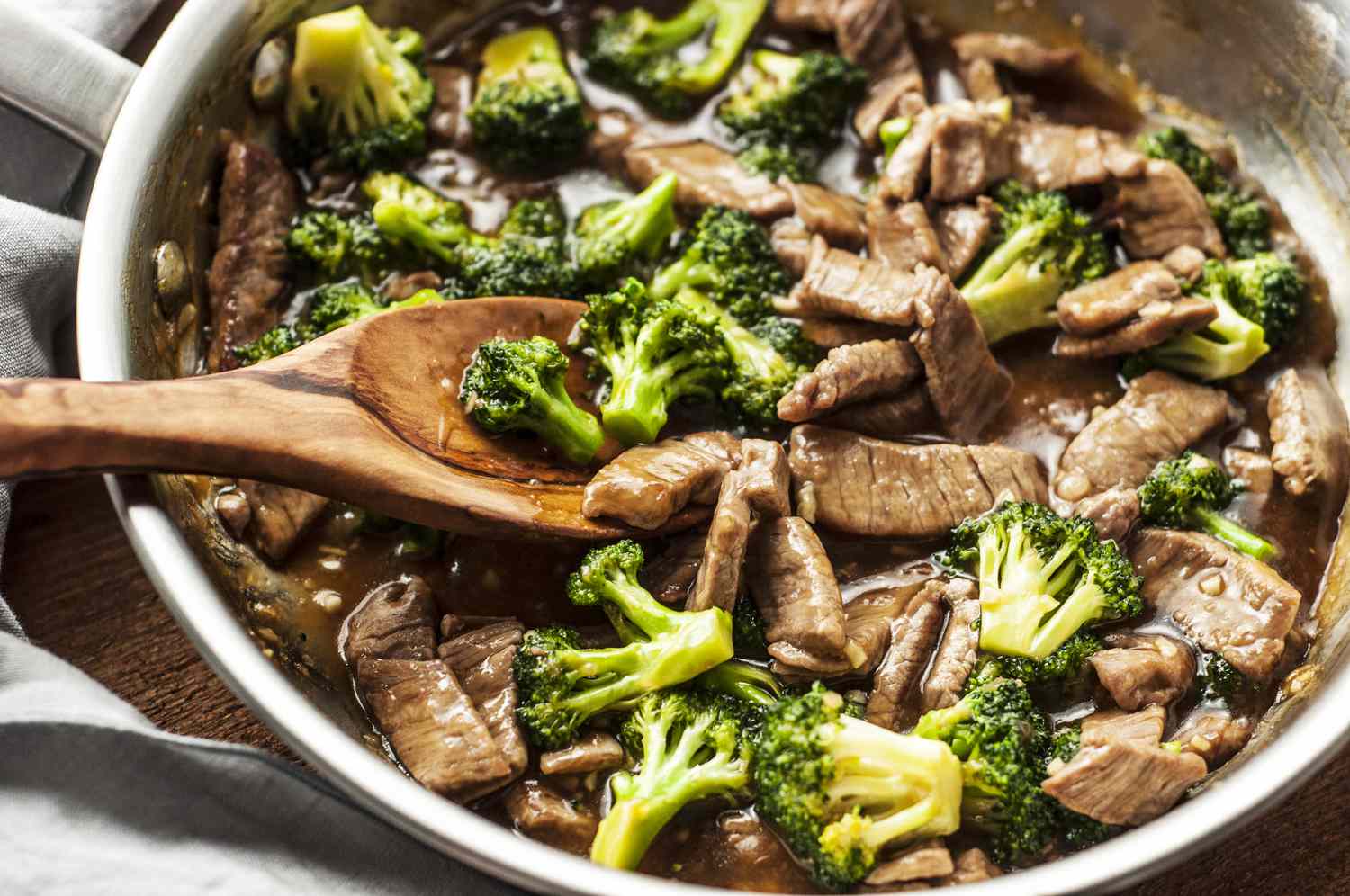
Some dinners whisper. This one kicks the kitchen door open, smells amazing in under 30 minutes, and makes everyone suddenly appear with bowls in hand. That is the charm of a great beef and broccoli stir-fry recipe. It is fast, savory, glossy, deeply satisfying, and somehow manages to feel both like comfort food and like you pulled off something impressively clever on a weeknight.
The beauty of homemade beef and broccoli is that it gives you all the things people usually love about takeout without the mystery. You control the beef, the broccoli, the sauce, the salt level, the sweetness, and the final texture. Want the broccoli bright and crisp-tender instead of limp and tired? Easy. Want a rich, glossy broccoli beef sauce that clings to every bite instead of puddling sadly at the bottom of the plate? Also easy. This dish is less about culinary drama and more about knowing a few smart stir-fry moves.
Below, you will find an easy, reliable recipe, plus tips for tender beef, bold flavor, quick prep, storage, reheating, and a longer experience-based section at the end for anyone who wants to understand why this dish earns a permanent place in the weeknight dinner hall of fame.
Why This Beef and Broccoli Stir-Fry Recipe Works
A good beef and broccoli stir-fry recipe lives or dies by contrast. The beef should be tender and richly browned. The broccoli should keep a little bite. The sauce should be glossy, savory, lightly sweet, and just thick enough to coat the ingredients without turning into wallpaper paste. In other words, balance is everything.
This version works because it uses a few practical techniques. First, the beef is sliced thinly across the grain, which helps it stay tender. Second, a quick marinade gives the meat flavor and helps with browning. Third, the sauce is mixed before the pan gets hot, because stir-fry is not the right moment to begin an exciting scavenger hunt for soy sauce. Finally, the cooking happens fast, in stages, so nothing turns mushy, gray, or emotionally disappointing.
Ingredients You Will Need
For the Beef Marinade
- 1 1/4 pounds flank steak or sirloin steak
- 2 tablespoons low-sodium soy sauce
- 1 tablespoon oyster sauce
- 1 tablespoon Shaoxing wine or dry sherry
- 1 tablespoon cornstarch
- 1 teaspoon toasted sesame oil
- 1/4 teaspoon black pepper
- 1/4 teaspoon baking soda (optional, but helpful for extra tenderness)
For the Sauce
- 1/3 cup low-sodium beef broth or water
- 3 tablespoons low-sodium soy sauce
- 2 tablespoons oyster sauce
- 1 tablespoon hoisin sauce
- 1 tablespoon brown sugar or honey
- 1 teaspoon rice vinegar
- 1 teaspoon cornstarch
- 1/4 teaspoon red pepper flakes (optional)
For the Stir-Fry
- 4 to 5 cups broccoli florets
- 2 tablespoons neutral oil, such as avocado, canola, or peanut oil
- 3 garlic cloves, minced
- 1 tablespoon fresh ginger, grated or finely minced
- 2 scallions, sliced
- Hot cooked jasmine rice or brown rice, for serving
- Sesame seeds, for garnish (optional)
How to Make Beef and Broccoli Stir-Fry
1. Slice the Beef the Right Way
Put the beef in the freezer for 15 to 20 minutes first. This firms it up slightly and makes thin slicing much easier. Then cut it into thin strips across the grain. This is not a tiny detail. It is one of the main reasons restaurant-style beef feels tender instead of chewy. If you slice with the grain, your jaw gets a workout it did not ask for.
2. Marinate the Beef
In a bowl, combine the soy sauce, oyster sauce, Shaoxing wine or sherry, cornstarch, sesame oil, pepper, and optional baking soda. Toss the sliced beef until evenly coated. Let it sit for 15 to 20 minutes while you prep everything else.
This short marinade helps season the meat and gives it a lightly velveted texture. That is the magic behind those tender, glossy strips in a good Chinese-inspired beef stir-fry.
3. Mix the Sauce Before Cooking
In a small bowl or measuring cup, whisk together the broth, soy sauce, oyster sauce, hoisin, brown sugar or honey, rice vinegar, cornstarch, and red pepper flakes if using. Set it near the stove. Stir-fry happens quickly, and this is not the time to realize the cornstarch is still in the pantry behind three bags of pasta and a cookie cutter shaped like a snowman.
4. Prep the Broccoli
Cut the broccoli into bite-size florets. If the stems are thick, peel the tougher outer layer and slice the tender inside. That part is delicious and should not be sent into exile. For extra speed, you can microwave or blanch the broccoli for 1 minute, then drain well. This gives it a head start so it stays bright green and crisp-tender in the pan.
5. Sear the Beef
Heat a large skillet or wok over high heat until very hot. Add 1 tablespoon oil. When it shimmers, add half the beef in a single layer. Cook for about 45 to 60 seconds, flip or toss, and cook briefly until mostly browned but not fully done. Transfer to a plate. Repeat with the remaining beef and another bit of oil if needed.
Avoid crowding the pan. Crowding creates steam, and steam is the sworn enemy of good stir-fry texture.
6. Cook the Broccoli and Aromatics
Add the remaining oil to the skillet. Toss in the broccoli and stir-fry for 2 to 3 minutes, until bright green and just tender. Add the garlic, ginger, and most of the scallions. Stir for about 30 seconds, just until fragrant.
7. Bring It All Together
Give the sauce another quick stir, then pour it into the pan. Let it bubble for 30 seconds to 1 minute. Return the beef and any accumulated juices to the skillet. Toss everything together for another 1 to 2 minutes, until the sauce thickens and coats the beef and broccoli beautifully.
Serve immediately over hot rice. Sprinkle with sesame seeds and the remaining scallions if you want a little extra flair.
Tips for Tender Beef and Crisp Broccoli
- Use the right cut: Flank steak and sirloin are both great for an easy beef and broccoli recipe.
- Slice thinly: Thin slices cook fast and stay tender.
- Cut across the grain: This shortens the muscle fibers and improves texture.
- Do not over-marinate: Fifteen to twenty minutes is enough for this dish.
- Keep the pan hot: High heat gives you better browning and faster cooking.
- Do not overcook broccoli: You want bright green florets with a little snap.
- Have everything ready first: Stir-fry is quick, not leisurely.
Easy Variations
Swap the Protein
This formula also works with chicken, shrimp, or tofu. The sauce is flexible enough to support a quick fridge-cleanout dinner without losing its personality.
Add More Vegetables
Bell peppers, mushrooms, snow peas, carrots, onions, or bok choy fit right in. Just be smart about cooking times. Harder vegetables need a bit more time; delicate ones should go in later.
Make It Spicier
Add chile-garlic sauce, sriracha, or extra red pepper flakes if you like a stir-fry with a little attitude.
Lighten the Sauce
Use low-sodium soy sauce and reduce the sugar slightly if you prefer a less sweet version. The result is still flavorful, just a bit leaner and more savory.
What to Serve With Beef and Broccoli
Rice is the classic move, especially jasmine rice, brown rice, or even cauliflower rice if you want something lighter. Noodles also work beautifully. If you are feeding a crowd, pair this weeknight stir-fry dinner with cucumber salad, simple sautéed greens, or egg drop soup.
And yes, spooning the extra sauce over rice is mandatory. That is not a rule from a cookbook. That is just common sense.
Storage and Reheating
Let leftovers cool slightly, then refrigerate them in an airtight container. They make an excellent next-day lunch because the flavors settle in and become even more savory.
Reheat in a skillet over medium heat with a splash of water or broth to loosen the sauce. The microwave also works, but use short bursts so the beef does not overcook and the broccoli does not cross into mush territory.
For best texture, eat leftovers within a few days. If you already know tomorrow’s lunch is spoken for, congratulations: you are the kind of organized person the rest of us are trying to become.
Common Mistakes to Avoid
Using a Cold Pan
If the skillet is not hot enough, the beef releases moisture and steams. You want a fast sear, not a gloomy simmer.
Adding Too Much Sauce
More is not always better. Too much sauce can drown the stir-fry and make it heavy. The goal is a glossy coating, not soup with career ambitions.
Cooking Everything at Once
Stir-fry rewards staging. Cook the beef first, then the broccoli, then combine. This keeps every ingredient at its best.
Ignoring Prep
Stir-fry is incredibly quick, which is wonderful once everything is chopped and measured. If it is not, dinner can turn into a frantic soy-splashed panic.
Experience: Why Beef and Broccoli Stir-Fry Becomes a Repeat Dinner
One of the most interesting things about making a beef and broccoli stir-fry recipe at home is how quickly it changes the way you think about dinner. At first, it seems like a takeout copycat. Then you make it once, maybe twice, and suddenly it becomes one of those recipes that teaches you broader cooking instincts. You start to understand heat better. You get more comfortable with timing. You learn that a sauce only needs a few pantry staples to taste layered and satisfying. Most importantly, you realize that “fast dinner” does not have to mean “boring dinner.”
This dish is also an excellent confidence builder. If someone feels intimidated by stir-frying, beef and broccoli is a smart place to start because the ingredient list is approachable and the flavor payoff is immediate. Slice the beef, whisk the sauce, prep the broccoli, heat the pan, and go. There is no long braise, no mystery reduction, no special equipment beyond a skillet or wok, and no complicated finishing step that requires the dexterity of a magician.
Over time, people usually begin customizing it without even noticing. One night it gets mushrooms because they need using up. Another night it gets extra ginger because the weather is cold and the kitchen could use a little warmth. Sometimes it becomes a cleaner, lighter broccoli beef recipe with less sugar and more garlic. Other times it leans richer and more takeout-style, with extra sauce for drizzling over a heroic mound of rice. That flexibility is part of its charm. The recipe is dependable, but it is not rigid.
There is also something deeply practical about the experience of cooking this dish. It teaches mise en place without sounding fancy about it. You cannot really make a good stir-fry while hunting for a spoon, opening three condiments, answering a text, and wondering where the ginger went. The process gently forces you to become more organized. Not in a stressful, color-coded binder way, but in a useful, dinner-is-ready-and-I-am-feeling-capable way.
Then there is the texture lesson. Home cooks often discover that the difference between mediocre and excellent stir-fry is not some secret ingredient from a hidden market on a foggy Tuesday. It is timing. Pull the beef out just before it seems fully done. Keep the broccoli bright and snappy. Thicken the sauce only until it clings. That awareness carries into other meals too. Suddenly, chicken stir-fry improves. Sautéed vegetables improve. Even random leftovers improve because you start understanding when to stop cooking instead of powering forward until everything looks tired.
And finally, this recipe has that magical everyday quality: it feels generous. It can feed a family, stretch with rice, work for meal prep, and still taste like something you actually wanted to eat rather than something you settled for because Tuesday happened. That is probably why so many people keep coming back to it. Beef and broccoli stir-fry is not flashy, but it is deeply reliable, fast, flavorful, and adaptable. In the world of home cooking, that is not a minor achievement. That is dinner gold.
Conclusion
A great beef and broccoli stir-fry recipe is one of the smartest meals you can keep in rotation. It is fast enough for busy evenings, flavorful enough to beat the takeout craving, and flexible enough to adapt to your kitchen, your preferences, and your schedule. With thinly sliced beef, crisp-tender broccoli, a glossy savory sauce, and a hot pan, you get a meal that tastes like effort without demanding too much of it.
Once you make it a couple of times, it stops feeling like a recipe and starts feeling like a skill. And that is when dinner gets really good.