

Editor’s note: This article is for general educational purposes only. CBD is not approved by the U.S. Food and Drug Administration as a treatment for anxiety, and people considering any cannabis-derived product should speak with a qualified healthcare professional first.
Search interest in CBD oils for anxiety is still going strong in 2026, and honestly, it is not hard to understand why. Anxiety is exhausting. It can make a normal Tuesday feel like a poorly organized obstacle course, complete with sweaty palms, overthinking, and the sudden belief that every unanswered text message is somehow a crisis.
CBD, short for cannabidiol, has become one of the most discussed wellness ingredients of the past decade. It is a compound found in cannabis and hemp plants, and unlike THC, it is not known for producing a “high.” That single detail helped CBD move from niche wellness shelves into mainstream conversations about stress, sleep, relaxation, and everyday calm.
But here is the part that deserves a giant flashing sign: popularity is not the same thing as proof. While early research suggests CBD may have potential for anxiety-related symptoms, the evidence is still developing. Product quality also varies widely, and marketing claims can sprint far ahead of the science like an influencer running toward a ring light.
So instead of treating “best CBD oils for anxiety” as a simple shopping list, a smarter 2026 approach is to look at what the research actually says, what safety issues matter, and what responsible consumers should understand before making any decisions.
What Is CBD Oil?
CBD oil is typically made by extracting cannabidiol from hemp or cannabis plants and mixing it with a carrier oil. The result is often sold as a liquid product. Depending on how it is formulated, CBD oil may contain CBD alone or CBD alongside other naturally occurring plant compounds.
In general, CBD products are often described in three broad categories:
Full-Spectrum CBD
Full-spectrum CBD products contain cannabidiol plus other compounds from the plant, which may include trace amounts of THC. In the United States, hemp-derived products are commonly discussed around a legal threshold of no more than 0.3% THC by dry weight, but laws and regulations can vary by state and product type.
Broad-Spectrum CBD
Broad-spectrum CBD products are designed to contain CBD and other plant compounds while attempting to remove THC. However, because product testing and manufacturing quality can differ, consumers should not assume every label tells the whole story.
CBD Isolate
CBD isolate refers to cannabidiol that has been separated from other plant compounds. Some people prefer isolate because it is simpler in composition, but “simpler” does not automatically mean “better,” “safer,” or “more effective.”
Can CBD Help With Anxiety?
This is the million-dollar question, or at least the question printed on half the wellness internet. Research on CBD and anxiety is promising in some areas but not yet strong enough to treat CBD oil as a proven anxiety treatment.
Some human studies and reviews suggest that CBD may influence anxiety symptoms, especially in controlled settings such as social anxiety research. However, studies have varied in size, design, dose, product type, and duration. That makes it difficult to draw broad conclusions for everyday use.
In plain English: CBD may help some people feel calmer, but it is not a guaranteed anxiety solution, and it should not replace evidence-based mental health care. Anxiety disorders can be serious, and treatment may involve therapy, lifestyle changes, prescribed medication, or a combination of approaches. CBD is not a magic eraser for panic, worry, trauma, or chronic stress.
Why “Tried and Tested” Needs a Reality Check
The phrase “tried and tested” sounds reassuring, like someone in a lab coat personally tucked every bottle into bed and read it a bedtime story. In reality, CBD testing can mean many different things.
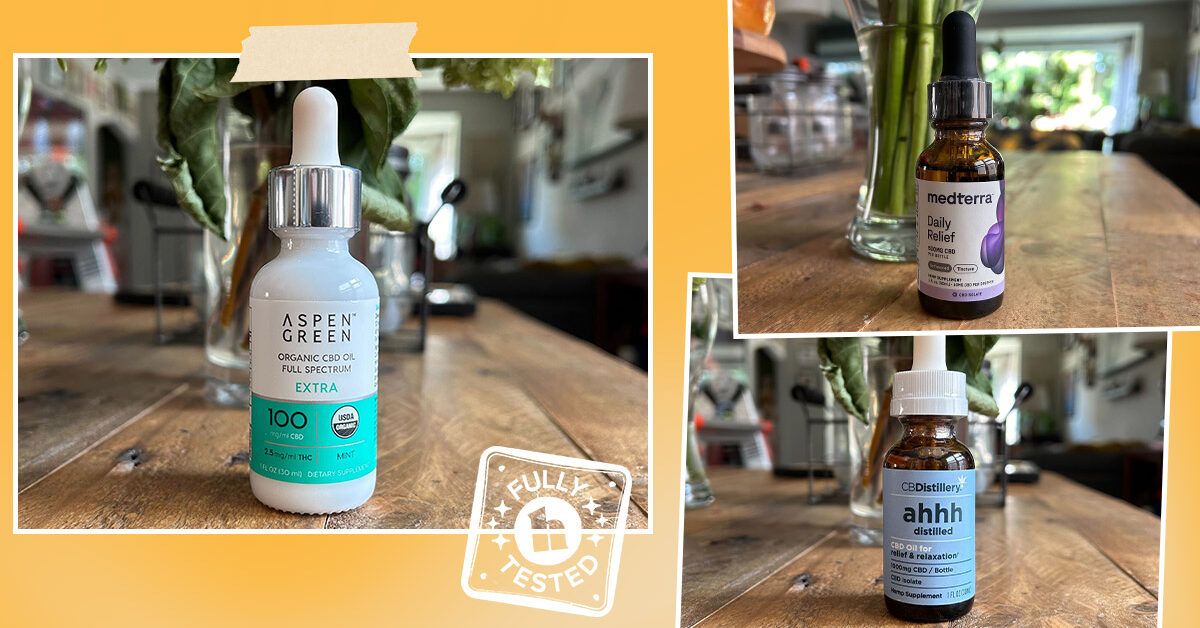
A responsible evaluation should look beyond flavor, packaging, and whether the bottle looks nice next to a houseplant. Important safety and quality questions include whether a product has been tested by an independent laboratory, whether the label matches the tested contents, and whether screening includes contaminants such as heavy metals, pesticides, solvents, and microbial impurities.
Unfortunately, the CBD market has historically included products with inconsistent labeling, exaggerated health claims, and unclear testing standards. This is why health agencies and medical experts continue to urge caution.
What Makes a CBD Oil Higher Quality?
Because CBD products are not all created equally, quality matters. For general consumer awareness, a higher-quality CBD oil is usually associated with transparency, careful manufacturing, and clear documentation. That does not mean it is safe or appropriate for every person, but it does make the product easier to evaluate.
Transparent Testing
Independent lab testing is one of the biggest quality signals in the CBD world. A test report, often called a certificate of analysis, may show cannabinoid content and screening for contaminants. Still, consumers should understand that a lab report is only useful if it is current, complete, and connected to the specific product batch.
Clear Labeling
A responsible label should clearly identify CBD content, ingredient lists, serving information, warnings, and company details. Vague labels, miracle language, or dramatic medical promises should raise eyebrows immediately. Preferably both eyebrows.
Reasonable Claims
CBD products should not be marketed as cures for anxiety disorders, depression, cancer, Alzheimer’s disease, chronic pain, or other serious medical conditions. When a product sounds like it can fix your entire life before lunch, that is marketing, not medicine.
Professional Guidance
People who take prescription medications, have liver concerns, are pregnant or breastfeeding, or have a diagnosed mental health condition should be especially cautious and speak with a healthcare professional. CBD can interact with some medications and may not be appropriate for everyone.
Potential Benefits People Commonly Report
Many people who are interested in CBD oil for anxiety describe looking for a calmer evening routine, better stress management, or help winding down before bed. Some report feeling more relaxed after using CBD products, while others notice no meaningful effect at all.
This wide range of experiences is important. Anxiety is not one single thing. It can involve racing thoughts, muscle tension, poor sleep, panic attacks, irritability, digestive discomfort, avoidance behaviors, or a general sense of dread that shows up uninvited like a raccoon at a picnic.
Because anxiety has many causes and patterns, no single wellness product can be expected to work the same way for everyone. What feels calming for one person may do very little for another. Some people may also experience side effects such as sleepiness, digestive upset, changes in appetite, or interactions with other substances or medications.
Important Safety Concerns in 2026
The biggest safety issue with CBD oil is not only the compound itself, but the gap between consumer demand and consistent oversight. In the United States, the FDA has not approved over-the-counter CBD products for anxiety treatment. The agency has also warned companies about unapproved health claims involving cannabis-derived products.
Safety concerns may include inaccurate labeling, THC contamination, unwanted side effects, drug interactions, liver-related risks at higher exposures, and special risks for pregnant or breastfeeding people. Young people should be especially cautious with cannabis-derived products, because developing brains and bodies require extra protection.
Another concern is expectation. When someone is dealing with serious anxiety, it can be tempting to chase the quickest fix. But anxiety often responds best to a layered approach: sleep consistency, therapy skills, physical movement, reduced caffeine when appropriate, social support, medical care when needed, and realistic stress management. Boring? Maybe. Effective? Often, yes. Wellness is not always glamorous; sometimes it is drinking water and going to bed before midnight like a responsible houseplant.
CBD Oil vs. Other Anxiety Support Options
CBD oil is only one of many things people discuss in relation to anxiety. Evidence-based anxiety care may include cognitive behavioral therapy, exposure-based therapy, mindfulness-based practices, prescribed medication, breathing techniques, exercise, and lifestyle changes that reduce avoidable stress.
Unlike CBD products, many therapy approaches and prescription treatments have stronger clinical evidence for diagnosed anxiety disorders. This does not mean every person needs medication, and it does not mean CBD has no possible role in future research. It simply means CBD should be viewed with appropriate caution rather than hype.
Who Should Avoid CBD or Get Medical Advice First?
Some people should avoid CBD unless a qualified medical professional says otherwise. This includes people who are pregnant or breastfeeding, people taking medications that may interact with CBD, people with liver disease, people with a history of substance use concerns, and young people. Anyone experiencing severe anxiety, panic attacks, self-harm thoughts, or major changes in sleep, eating, school, work, or relationships should seek professional support instead of trying to manage symptoms alone.
CBD should also not be mixed casually with alcohol, sedatives, or other substances that can affect alertness. Even products marketed as “natural” can have real biological effects. Poison ivy is natural too, and nobody invites it to a spa day.
How to Read CBD Marketing Without Falling for the Glitter
CBD marketing can be polished, persuasive, and occasionally more dramatic than a season finale. Phrases like “doctor recommended,” “premium,” “clean,” “pure,” or “clinically inspired” may sound impressive but do not automatically prove safety or effectiveness.
Consumers should be skeptical of absolute promises. A responsible brand should not claim its CBD oil cures anxiety or works for everyone. It should not hide basic product information. It should not rely only on celebrity buzz, vague testimonials, or emotional storytelling.
The most trustworthy health content about CBD usually uses cautious language. It explains what is known, what is unknown, and where research is still limited. If an article or advertisement makes CBD sound like a universal remote control for the human nervous system, it is worth slowing down.
What Research Still Needs to Answer
CBD research is active, but several important questions remain. Researchers still need larger and longer human studies to understand whether CBD helps specific anxiety disorders, what dose ranges may be effective, how long effects last, who is most likely to benefit, and what risks appear with repeated use.
Researchers also need better clarity on product type. A study using pharmaceutical-grade CBD does not automatically translate to a retail oil sold online or in a wellness shop. Product purity, CBD concentration, THC content, and other compounds can all affect results.
That is why the most honest answer to “What is the best CBD oil for anxiety?” is not a brand name. It is: the best choice is the one made with accurate medical guidance, realistic expectations, and careful attention to safety.
Real-World Experience: What People Often Notice
When people discuss CBD oil for anxiety, their experiences often fall into a few familiar patterns. Some describe a subtle sense of calm rather than a dramatic emotional shift. Others say CBD did not change their anxiety but helped them stick to a relaxing nighttime routine. Some report that the ritual itself mattered: turning off notifications, making tea, stretching, journaling, and creating a calmer environment.
That distinction matters. A person may credit CBD for relaxation when several habits changed at the same time. For example, someone might start using CBD oil and also reduce late-night scrolling, drink less coffee, go for evening walks, and stop answering work messages at 10:47 p.m. In that case, the improvement may come from the whole routine, not one ingredient.
Other people are disappointed because CBD does not feel like what they expected. It is not designed to create intoxication, and it does not work like an instant switch. Someone expecting a dramatic wave of calm may feel underwhelmed. That does not necessarily mean the product is “bad”; it may mean expectations were shaped by aggressive marketing.
Some users also learn that anxiety has patterns. A person may feel more anxious after poor sleep, too much caffeine, conflict, school or work pressure, financial stress, or too much time online. In those cases, tracking triggers can be more useful than adding another wellness product. Anxiety often behaves like a smoke alarm: sometimes it is alerting you to real stress, and sometimes it is screaming because toast got slightly ambitious.
People who approach CBD most responsibly tend to treat it as a topic to discuss with a healthcare professional, not as a secret experiment. They ask about medication interactions, mental health history, age-related concerns, liver health, and whether better-supported treatments should come first. That mindset is less flashy than a “top 10 miracle oils” list, but it is far more useful.
There is also a social side to the experience. CBD is often recommended casually by friends, influencers, or online communities. Personal stories can be interesting, but they are not clinical evidence. One person’s calming experience does not guarantee another person’s safety or results. Bodies are not copy-and-paste documents.
For anxiety specifically, the most valuable lesson from real-world experiences may be this: support works best when it is layered. A calming routine, professional help when needed, good sleep habits, lower stimulant overload, healthy relationships, and stress-management skills are all part of the bigger picture. CBD may remain a research topic and a wellness conversation, but it should not be treated as the foundation of anxiety care.
Final Thoughts
The conversation around the best CBD oils for anxiety in 2026 is more complicated than a ranked list. CBD is popular, widely discussed, and supported by some preliminary research, but it is not an FDA-approved anxiety treatment. The market is uneven, product claims can be exaggerated, and safety questions still matter.
For readers, the smartest takeaway is simple: be skeptical of miracle claims, respect the limits of current research, and involve a healthcare professional before considering CBD for anxiety. Calm is worth pursuing, but it should be pursued safely, thoughtfully, and with more evidence than a shiny label and a five-star review from someone named “ZenDad42.”