

Note: This article is written for web publication in standard American English and synthesizes current nutrition, food-safety, and recipe guidance from reputable U.S. health, government, and culinary sources. It is not medical advice.
Introduction: The Green Juice That Does Not Taste Like Lawn Clippings
Green juice has a reputation problem. Some people hear the words “ultimate green juice” and imagine a bitter swamp in a mason jar. Others picture a glowing health influencer holding a glass of emerald liquid while somehow looking well-rested on a Tuesday. The truth sits comfortably in the middle: a great green juice recipe can be fresh, bright, lightly sweet, deeply hydrating, and genuinely easy to make at home.
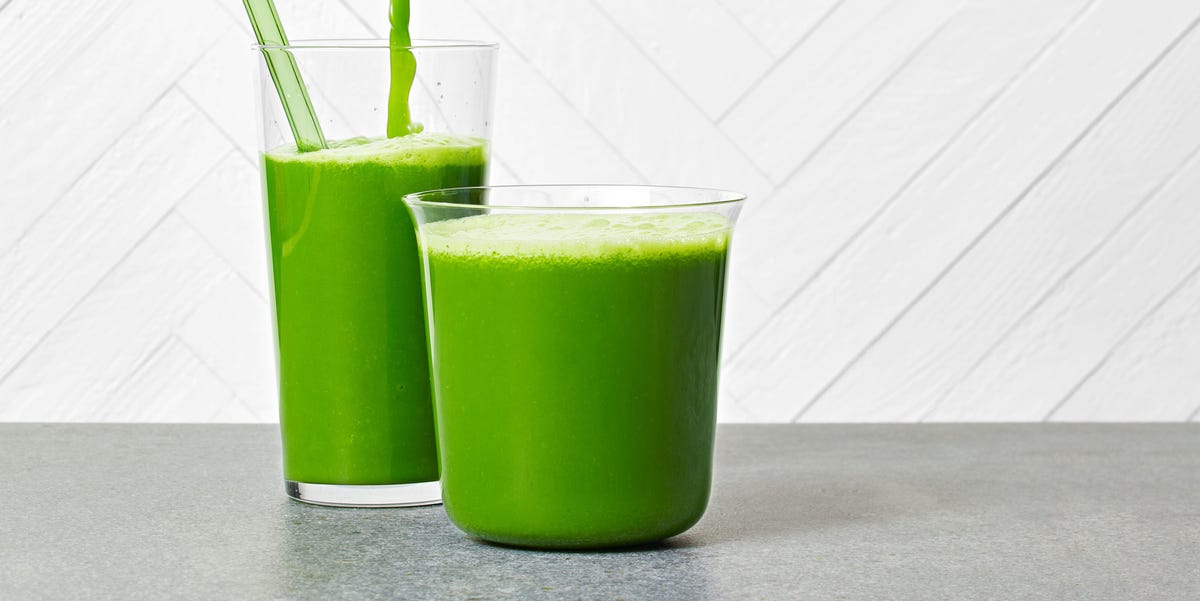
The best ultimate green juice recipe is not about punishing your taste buds. It is about balancing leafy greens, crisp vegetables, a small amount of fruit, citrus, and a touch of ginger so every sip tastes clean instead of grassy. Kale and spinach bring the nutrients. Cucumber and celery bring refreshing volume. Green apple adds just enough sweetness. Lemon wakes everything up. Ginger gives the juice a little “hello, I have arrived” energy.
This guide explains how to make ultimate green juice with a juicer or blender, how to adjust the flavor, how to store it safely, and how to avoid the most common mistakes. You will also find practical tips from real kitchen experience, because green juice should fit into actual lifenot just a perfectly lit countertop photo.
What Makes This the Best Ultimate Green Juice Recipe?
A good green juice is not simply “throw every green thing in the refrigerator into the machine and hope for inner peace.” The best version uses smart ratios. Too many leafy greens can make juice bitter. Too much fruit can turn it into a sugar-heavy drink wearing a green costume. Too much ginger can make your throat feel like it just opened an email marked urgent.
The secret is balance. This recipe follows a mostly vegetable-based approach with one green apple for sweetness and lemon for acidity. That combination creates a bright, fresh flavor while keeping the juice light and refreshing.
The Ideal Flavor Formula
Think of ultimate green juice in five layers:
- Leafy greens: Kale and spinach give the juice its deep green color and plant-forward flavor.
- Hydrating vegetables: Cucumber and celery add volume, minerals, and a clean, crisp taste.
- Natural sweetness: Green apple softens the bitterness without overpowering the vegetables.
- Acidity: Lemon keeps the juice lively and prevents it from tasting flat.
- Warm spice: Fresh ginger adds zing and makes the whole drink feel more vibrant.
Ultimate Green Juice Ingredients
This recipe makes about 2 servings, depending on the size and water content of your produce.
Main Ingredients
- 1 large cucumber, washed and cut into pieces
- 3 celery stalks, washed and trimmed
- 4 large kale leaves, stems removed if preferred
- 1 packed cup fresh spinach
- 1 green apple, cored and sliced
- 1/2 lemon, peeled
- 1-inch piece fresh ginger, peeled if desired
- Optional: 1/4 cup fresh parsley or mint
Why These Ingredients Work
Cucumber is the quiet hero of green juice. It has a high water content and a mild flavor, which makes the juice refreshing instead of heavy. It also helps dilute stronger greens so the drink tastes crisp.
Celery adds a savory, mineral-like note. It makes the juice taste clean and slightly salty in a natural way. Use fresh, firm celery stalks for the best flavor. Limp celery will not ruin the juice, but it will bring the energy of a sad office plant.
Kale gives the recipe body and a strong green profile. Curly kale, lacinato kale, or baby kale all work. If you are new to green juice, start with fewer kale leaves and add more as your taste buds become braver.
Spinach is milder than kale and blends beautifully into green juice. It adds color and nutrients without making the drink taste too intense.
Green apple gives natural sweetness and a tart finish. Granny Smith is excellent if you like a sharper flavor. A sweeter green apple makes the juice smoother and more beginner-friendly.
Lemon is essential. It brightens the juice, balances bitterness, and makes the final drink taste fresh instead of flat. Do not skip it unless you are replacing it with lime.
Ginger adds warmth and a clean kick. A little goes a long way. If you love ginger, add more. If you are ginger-sensitive, start with a thin slice and work your way up.
How To Make Ultimate Green Juice With a Juicer
Using a juicer is the fastest way to make a smooth, pulp-free green juice. A cold-press juicer usually produces a slightly richer juice with less foam, while a centrifugal juicer is quick and convenient. Either one can make a delicious drink.
Step-by-Step Instructions
- Wash the produce well. Rinse cucumber, celery, kale, spinach, apple, lemon, and ginger under running water. Scrub firm produce when needed.
- Prep the ingredients. Cut everything into pieces that fit your juicer chute. Remove the apple core and peel the lemon.
- Start with watery produce. Juice cucumber and celery first to get the machine moving smoothly.
- Add leafy greens. Feed kale and spinach through slowly. If your juicer struggles with greens, roll the leaves tightly before juicing.
- Finish with apple, lemon, and ginger. These ingredients help push through remaining greens and add the final flavor punch.
- Stir and taste. Green juice can separate quickly, so stir before drinking. Add more lemon if it tastes too earthy.
- Serve immediately. Pour over ice if you like it extra cold.
How To Make Green Juice Without a Juicer
No juicer? No problem. Your blender is ready for its wellness era. The texture will be different, but the flavor can be just as good. You will need water and a fine-mesh strainer, nut milk bag, or cheesecloth.
Blender Method
- Add cucumber, celery, apple, lemon, ginger, kale, spinach, and 1/2 to 1 cup cold water to a high-speed blender.
- Blend on high until very smooth.
- Pour the mixture through a fine-mesh strainer or nut milk bag into a large bowl or pitcher.
- Press or squeeze to extract as much liquid as possible.
- Stir, chill, and serve.
If you want more fiber, skip the straining and drink it as a green smoothie instead. It will be thicker, but more filling. This is a smart option if you want the benefits of whole fruits and vegetables while still enjoying a drinkable recipe.
Green Juice Nutrition: What It Can and Cannot Do
Green juice can be a convenient way to add more produce to your day, especially if your usual breakfast is coffee and the confidence that lunch will fix everything. Leafy greens and vegetables provide vitamins, minerals, and plant compounds that support a healthy eating pattern. However, juice is not magic, and it should not replace whole fruits and vegetables.
Most juicing methods remove much of the fiber from produce. Fiber supports digestion, helps you feel full, and slows the absorption of natural sugars. That means green juice is best enjoyed as a supplement to a balanced diet, not as a meal replacement or a dramatic “detox cleanse.” Your liver and kidneys already handle detoxification like full-time professionals.
A Smarter Way To Enjoy Green Juice
Use green juice as a refreshing drink alongside breakfast, lunch, or a snack. Pair it with protein, healthy fat, and fiber-rich foods if you want it to be more satisfying. For example, enjoy a glass of ultimate green juice with scrambled eggs and whole-grain toast, Greek yogurt with nuts, or avocado toast with seeds.
If you are managing diabetes, kidney disease, digestive conditions, or take medications affected by vitamin K or potassium, speak with a healthcare professional before making green juice a daily habit. Ingredients like kale, spinach, celery, and cucumber can be healthy for many people, but individual needs vary.
Best Tips for Better-Tasting Green Juice
1. Keep the Fruit Modest
One apple is usually enough. Adding three apples may make the juice taste like a green candy river, but it also shifts the recipe away from a vegetable-forward drink. For the best ultimate green juice, let vegetables lead and fruit support.
2. Use Lemon or Lime Every Time
Citrus is the difference between “fresh spa drink” and “liquid salad confusion.” Lemon balances bitterness, adds brightness, and helps the flavors feel complete.
3. Chill Your Produce Before Juicing
Cold ingredients make better juice. Warm green juice tastes oddly serious, like it wants to discuss tax documents. Store your cucumber, celery, apples, and greens in the refrigerator before juicing.
4. Rotate Your Greens
Kale and spinach are classics, but you can also try romaine, Swiss chard, parsley, cilantro, or mint. Rotating greens keeps the flavor interesting and gives you a wider variety of nutrients.
5. Drink It Fresh
Fresh juice tastes best right after making it. If you need to store it, pour it into an airtight glass jar, fill it as close to the top as possible to reduce air exposure, refrigerate it, and drink it within 24 hours for the best flavor and quality.
Common Green Juice Mistakes To Avoid
Using Too Much Kale
Kale is wonderful, but it has a personality. Too much can make the juice bitter and heavy. Mix kale with milder greens like spinach or romaine for a smoother flavor.
Skipping Produce Safety
Because green juice is usually consumed raw, food safety matters. Wash produce thoroughly under running water, use clean cutting boards, and refrigerate fresh juice promptly. Do not use soap, bleach, or detergent on fruits and vegetables.
Expecting Juice To Replace Meals
Green juice is refreshing, but it is not a balanced meal on its own. It has very little protein and fat, and if strained, it contains much less fiber than whole produce. Enjoy it as part of a healthy routine rather than the entire routine.
Letting It Sit Too Long
Fresh juice loses quality over time. Flavor dulls, color changes, and separation happens. Some separation is normal; just shake or stir before drinking. But if it smells sour, fermented, or unpleasant, toss it.
Ultimate Green Juice Variations
The Beginner-Friendly Green Juice
Use cucumber, celery, spinach, green apple, lemon, and a tiny slice of ginger. Skip kale at first or use only one leaf. This version is mild, refreshing, and perfect for people who are still negotiating with vegetables.
The Extra-Green Version
Add parsley, romaine, and extra spinach. Keep the apple to one piece and increase lemon slightly. This version tastes more herbal and is great for experienced green juice fans.
The Tropical Green Juice
Replace the apple with a small amount of pineapple. Add lime instead of lemon and a few mint leaves. This version is brighter and sweeter, but keep the pineapple modest so the drink remains balanced.
The Spicy Ginger Green Juice
Double the ginger and add a pinch of cayenne after juicing. This version has a bold kick and pairs well with a cold morning or a sluggish afternoon.
What To Do With Green Juice Pulp
Do not throw away the pulp automatically. Vegetable pulp can be used in soups, veggie patties, savory muffins, omelets, or compost. Apple-heavy pulp can go into pancakes or quick breads. The texture depends on your juicer, but the idea is simple: get more value from the produce you already bought.
For a quick kitchen win, mix green juice pulp with eggs, oats or breadcrumbs, herbs, garlic, and a pinch of salt. Shape into small patties and pan-cook until golden. Congratulations, your juice just got a side hustle.
When Is the Best Time To Drink Green Juice?
The best time to drink green juice is whenever it fits your routine. Morning is popular because the flavor is clean and energizing, but it also works as an afternoon refreshment. If drinking juice on an empty stomach makes you feel lightheaded or hungry, pair it with food.
For most people, a small glass of 8 to 12 ounces is a practical serving. More is not automatically better. Green juice should help your day feel easier, not turn your refrigerator into a leafy mathematics problem.
Kitchen Experience: What I Learned Making Ultimate Green Juice at Home
After making green juice many times, the biggest lesson is this: the recipe is simple, but the details matter. The first time many people make green juice, they overload the juicer with kale and wonder why the result tastes like a dare. Kale is nutritious, but it needs balance. Cucumber, celery, apple, lemon, and ginger are not supporting actors; they are the flavor crew keeping the whole production from becoming too intense.
One practical experience is to prep ingredients in the right order. If you are using a juicer, start with cucumber or celery because they are watery and help move everything through. Then add greens. Finish with apple and lemon because they help push stubborn leafy bits through the machine. This small order change can improve yield and reduce the amount of green confetti trapped inside the juicer.
Another lesson: fresh ginger is powerful. A one-inch piece gives a pleasant kick, but ginger size is not standardized. Some pieces are thin and polite; others are chunky little fire roots. If you are making juice for guests, use less ginger and let people add more. Nothing ruins a friendly brunch faster than accidentally serving a beverage that fights back.
Cleaning matters, too. The best time to clean a juicer is immediately after using it. Waiting even 20 minutes can turn pulp into vegetable cement. Rinse the parts right away, use the cleaning brush, and let everything air-dry. This one habit makes juicing feel easy enough to repeat. If cleanup feels like a punishment, the juicer will eventually move to the back of the cabinet, where small appliances go to think about their choices.
When using a blender, the best trick is to add water gradually. Too little water makes blending difficult; too much makes the juice taste weak. Start with 1/2 cup, blend, then add more only if needed. Straining through a nut milk bag gives the smoothest result, but a fine-mesh strainer works if you press patiently with a spoon. If you do not mind thickness, leave some pulp in the drink for extra body.
Flavor adjustment is where green juice becomes personal. If the juice tastes bitter, add more lemon or a few extra apple slices. If it tastes too sweet, add cucumber, celery, or spinach. If it tastes flat, it probably needs citrus. If it tastes too “green,” chill it over ice and add mint. Cold temperature softens strong flavors and makes the juice more refreshing.
Shopping strategy also helps. Buy firm cucumbers, crisp celery, fresh greens, and bright lemons. Avoid wilted kale and soft apples. Green juice is not cooked, so there is nowhere for tired produce to hide. The drink will taste like the ingredients you use. Fresh produce equals fresh juice; sad produce equals a glass of regret with vitamins.
For busy mornings, wash and prep ingredients the night before, but do not cut apples too early unless you store them tightly with lemon. Keep greens dry in the refrigerator so they stay crisp. You can portion ingredients into containers for two or three days, then juice fresh when ready. This makes the habit realistic without sacrificing flavor.
The final experience-based tip is to avoid treating green juice like a miracle cure. It is refreshing, colorful, and a great way to use more vegetables, but it works best as part of normal eating. Drink it because it tastes good and helps you enjoy producenot because you need to “reset” your life after one slice of cake. Cake happens. Green juice helps. Balance wins.
Conclusion: Your Go-To Ultimate Green Juice Recipe
The best ultimate green juice recipe is crisp, balanced, and easy to customize. With cucumber, celery, kale, spinach, green apple, lemon, and ginger, you get a drink that tastes fresh instead of bitter and lively instead of heavy. Make it in a juicer for a smooth, classic juice or use a blender and strain it for a no-juicer method.
Remember the golden rules: wash your produce, keep the fruit moderate, use citrus, drink it fresh, and do not expect juice to replace whole foods. Green juice should be a simple pleasure, not a complicated personality trait. When made well, it is a bright, energizing addition to your dayone that might even make your vegetables feel a little glamorous.