

Editor’s note: This article is based on publicly reported information about Bindi Irwin’s health journey, family comments, and general endometriosis awareness. It is written for informational and editorial purposes only and is not medical advice.
There are questions people ask because they are curious, and then there are questions people ask because society has somehow handed them a microphone, a clipboard, and permission to audit someone else’s uterus. Bindi Irwin, wildlife conservationist, television personality, and daughter of the late Steve Irwin, has made it clear that one question has become especially painful: whether she and her husband, Chandler Powell, plan to have a second child.
The topic might sound simple from the outside. A happy couple has one adorable daughter, Grace Warrior Irwin Powell, so naturally some fans wonder if another baby is coming. But as Bindi has explained, that question is not always harmless small talk. Behind her family of three is a deeply personal health journey involving endometriosis, years of pain, surgery, recovery, and gratitude for the child she already has.
Her message is not a celebrity complaint wrapped in a satin bow. It is a reminder that family planning is not public property. When people ask, “When are you having another?” they may be stepping into grief, infertility, medical trauma, financial stress, postpartum recovery, relationship decisions, or a private choice that does not need a public defense.
Why Bindi Irwin’s Comment Hit So Many People So Hard
Bindi Irwin has long been known for her warmth, optimism, and deep commitment to wildlife conservation. She grew up in the public eye, carrying forward her father’s legacy through Australia Zoo and conservation work. Fans have watched her grow from a spirited child on television into a wife, mother, advocate, and public figure with a platform much larger than a family photo caption.
That is partly why her comments about being asked about a second child resonated. Bindi is not known for snapping at fans or chasing controversy. Her public voice tends to be thoughtful, polite, and generous. So when she says a question broke her heart, people listen.
Her daughter, Grace Warrior, was born in March 2021 on Bindi and Chandler’s first wedding anniversary. Since then, Grace has appeared in sweet family updates, often surrounded by animals, khaki uniforms, zoo life, and the kind of wholesome chaos that makes the internet briefly remember it has a soul. But Bindi has also been open about the difficult path her body has taken.
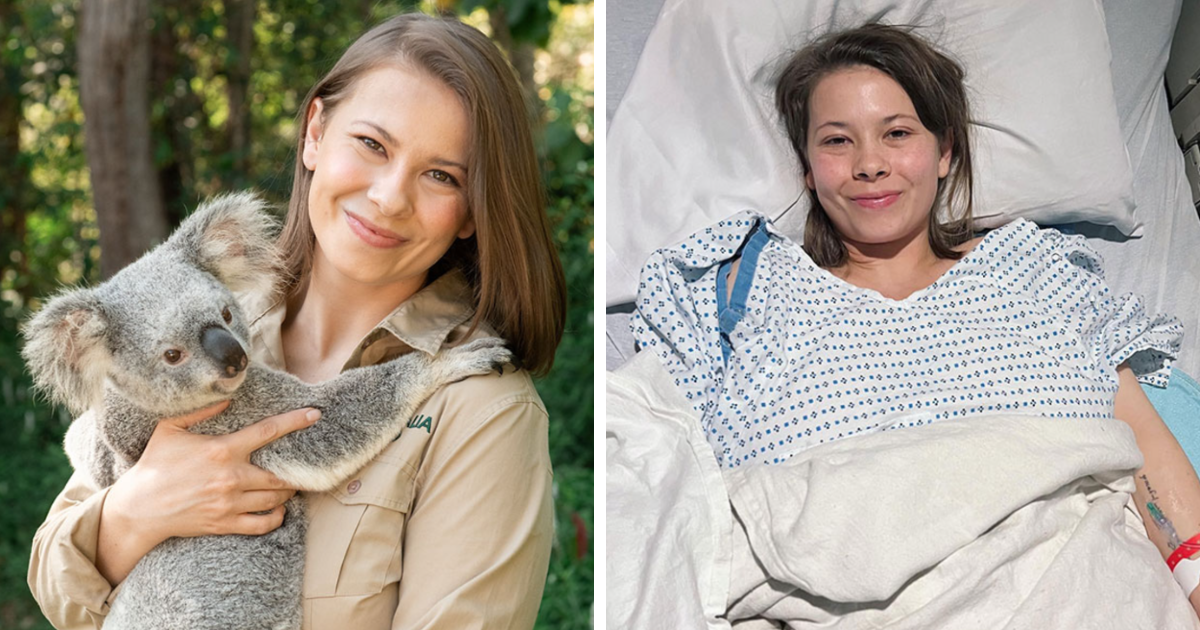
In 2023, she publicly shared that she had been diagnosed with endometriosis after struggling for about a decade with severe symptoms. During surgery, doctors removed dozens of lesions and a chocolate cyst. Later health updates included more procedures and continued recovery. For many readers, this context changes the “second baby” question completely. It is no longer a cute curiosity. It is a question pressed against a bruise.
The Bigger Story: Endometriosis, Pain, and Being Dismissed
Endometriosis is a chronic condition in which tissue similar to the lining of the uterus grows outside the uterus. It can cause pelvic pain, heavy periods, fatigue, nausea, digestive issues, and fertility challenges. The condition is also famously underdiagnosed, misunderstood, and too often brushed aside as “normal period pain,” which is about as helpful as telling someone with a flat tire that roads are just bumpy sometimes.
Bindi has described years of pain before finally getting answers. Her experience echoes what many people with endometriosis report: repeated tests, unclear explanations, dismissed symptoms, and the emotional exhaustion of being told to function while their body is waving a red flag the size of a beach towel.
That history matters because questions about pregnancy can land very differently for someone who has fought hard just to feel well. For Bindi, Grace is not simply “baby number one” in a future lineup. She has called her daughter a miracle, and that word carries weight. It tells us that her family story cannot be measured by the usual social script: marry, have one child, have another, smile for the holiday card, repeat.
Why “Are You Having Another Baby?” Can Be a Painful Question
People often ask about babies as if they are asking about weekend plans. “Any news?” “When is the next one?” “Don’t you want Grace to have a sibling?” Most people probably mean well. They may be excited, affectionate, or simply following a social habit they never stopped to question. But intent is not the same as impact.
For someone dealing with endometriosis, infertility, miscarriage, pregnancy complications, traumatic birth, or chronic illness, the question can feel like being asked to summarize a private medical file over appetizers. It puts the person on the spot: Do they smile and dodge? Do they explain something painful? Do they pretend everything is fine? Do they educate the room while also trying not to cry into the salad?
Bindi’s point is not that fans are villains. It is that no one knows the full story behind someone else’s family size. A person with one child may desperately want another. A person with no children may be grieving. A parent of three may be overwhelmed. A couple may be protecting a medical secret. Another family may simply be complete, and “we are happy as we are” should not require a PowerPoint presentation.
Celebrity Motherhood Comes With a Strange Public Pressure
For public figures, the pressure becomes even louder. Every photo becomes evidence. A loose dress becomes a rumor. A quiet month on social media becomes “baby watch.” A family outing becomes an invitation for strangers to weigh in on reproductive planning, as if Instagram comments are a town hall meeting for ovaries.
Bindi Irwin’s situation shows how quickly admiration can cross into entitlement. Fans may feel connected to her because they watched her grow up, admired her father, or follow the Irwin family’s conservation work. That emotional connection is real, but it does not erase boundaries. Knowing someone’s public story is not the same as being invited into their private decisions.
In fact, one of the healthiest ways to support a public figure is to let them share what they choose, when they choose. Bindi has already offered more vulnerability than many people would. She has spoken about pain, surgery, recovery, motherhood, and gratitude. The respectful response is not to demand the next chapter. It is to receive the chapter she has shared.
Grace Warrior and the Beauty of a Family of Three
Part of the emotional power of Bindi’s comments is how lovingly she speaks about Grace. Rather than framing her family as incomplete, she has emphasized how thankful she and Chandler are for their daughter. Their family of three is not a waiting room for a second child. It is a complete, living, joyful family right now.
This matters because society often treats only children as if they are missing a required accessory. The questions come dressed as concern: “Won’t she be lonely?” “Doesn’t she need a sibling?” “You can’t just have one!” But children are not emotional support siblings ordered in pairs. A loving family can be big, small, blended, chosen, biological, adoptive, or beautifully unconventional.
Grace appears to be growing up surrounded by parents, grandparents, extended family, wildlife, and a conservation legacy that includes crocodiles, koalas, and probably more khaki than the average laundry basket can emotionally process. The idea that her life must be lacking because there may not be another baby is a narrow view of what family can mean.
What Bindi Irwin’s Story Teaches About Women’s Health
Bindi’s openness has also helped draw attention to endometriosis awareness. When someone with a large platform says, “This pain was real, and it took years to get answers,” it validates countless people who have been dismissed. That validation can be powerful. It can encourage someone to seek another medical opinion, track symptoms, or stop blaming themselves for pain they were told to ignore.
Endometriosis can affect daily life in ways outsiders may never see. A person can look cheerful in photos and still be managing pain. They can show up for work, parenting, relationships, and responsibilities while privately calculating how much energy they have left. Chronic illness often teaches people to perform normalcy, which is exhausting and unfair.
That is why comments about pregnancy should be handled with care. Fertility is not separate from health. For some people, it is tangled with diagnoses, surgeries, hormones, grief, hope, and uncertainty. When Bindi asks people to pause before asking about more children, she is not asking for special treatment. She is asking for basic compassion.
Better Questions to Ask Instead
If you admire someone’s family, there are kinder ways to express it. Instead of asking, “When are you having another baby?” try saying, “Your family is beautiful,” or “Grace looks so happy,” or “I love seeing your adventures together.” These comments celebrate what exists instead of pressuring someone to explain what does not.
In real life, the same rule applies. At family gatherings, baby showers, weddings, school pickups, and neighborhood barbecues, people can choose warmth over interrogation. Compliment the child. Ask about hobbies. Talk about pets. Discuss snacks. Snacks rarely require someone to disclose medical trauma, which is one of their many underrated social benefits.
If someone wants to talk about family planning, they will open that door. Until then, it is better to leave the door politely closed, maybe with a nice wreath on it.
The Online Reaction: Why So Many People Felt Seen
Many people responded to Bindi’s comments with empathy because they have lived similar moments. The question about “another baby” is common, but it can feel isolating when the answer is complicated. People dealing with infertility often become experts at changing the subject. People who have experienced pregnancy loss may dread cheerful curiosity. Parents who are one-and-done by choice may feel judged. Parents who are one-and-done by circumstance may feel grief every time someone suggests their family is unfinished.
Bindi’s honesty gave words to that discomfort. She did not attack curiosity itself. She asked people to remember that they do not know what is happening behind the scenes. That is a simple lesson, but online culture often needs simple lessons printed in bold, laminated, and taped to the comment box.
Her story also shows that vulnerability can create community. By speaking openly, she made space for others to say, “Me too.” For anyone who has felt cornered by personal questions, that can be deeply comforting.
Experiences Related to Bindi Irwin’s Message
One of the most common experiences related to this topic happens at family events. Imagine a couple walking into Thanksgiving dinner with their toddler. Before the mashed potatoes even land on the table, someone asks, “So, when is the next baby coming?” The room laughs softly because it sounds harmless. But maybe that couple just received difficult medical news. Maybe they have been trying for months. Maybe they decided one child is best for their health, finances, and emotional balance. Suddenly, a casual question becomes a performance. They must smile, deflect, and protect their privacy while everyone else passes the gravy.
Another experience happens online, where strangers feel oddly brave. A parent posts a birthday photo, and instead of simply saying, “How sweet,” someone comments, “She needs a sibling!” That sentence may take two seconds to type, but it can stay with the parent all day. It suggests that the child is not enough, the parents have not done enough, and the family is somehow pending approval. The internet often forgets that behind every post is a real person reading comments between school drop-off, doctor appointments, work deadlines, and ordinary life.
There is also the workplace version. A coworker returns from parental leave and hears, “Ready for round two?” Maybe they are barely sleeping. Maybe their recovery was difficult. Maybe they are still processing a birth experience that did not go as planned. Maybe they love their child fiercely and also know they cannot go through it again. The question may be meant as friendly banter, but it can make someone feel exposed in a place where they are simply trying to answer emails and locate the office coffee machine.
For people with chronic illness, the experience can be even more layered. They may look healthy while managing pain, fatigue, medication, surgery recovery, or uncertainty about the future. When others ask about pregnancy, they may feel forced to choose between honesty and comfort. If they tell the truth, the conversation can become heavy. If they avoid it, they may feel lonely. Bindi Irwin’s public comments matter because they reduce that burden. She is saying what many people wish they could say: please do not make someone explain their private pain to satisfy public curiosity.
The best experience we can create for others is one where they do not feel pressured to defend their family. Celebrate the child in front of you. Celebrate the couple as they are. Celebrate the person’s health, joy, work, humor, and resilience. A family does not need to expand to be worthy of admiration. Sometimes the most loving thing to say is not a question at all, but a simple, sincere, “I’m happy for you.”
Conclusion: Compassion Is the Real Takeaway
Bindi Irwin’s request for people to stop asking about a second child is about more than celebrity privacy. It is about the emotional weight hidden inside questions we treat as casual. Her journey with endometriosis, her gratitude for Grace, and her honesty about heartbreak all point toward one clear truth: family planning is personal.
Curiosity does not need to disappear, but it does need manners. Admire the family people have. Respect the stories they have not shared. Remember that a smiling photo does not reveal every surgery, diagnosis, loss, or difficult conversation behind it. Bindi’s words are a gentle but firm reminder that kindness often begins with knowing what not to ask.