

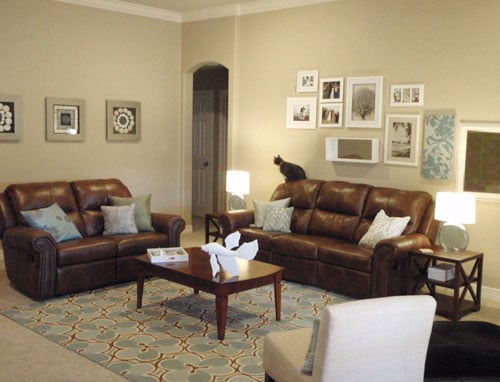
Every home has that one room that looks at you like it knows your secrets. You pass through it with coffee, guests sit in it, pets claim the best chair in it, and yet something feels off. The furniture may be perfectly fine. The wall color may not be offensive. The rug may be trying its best. Still, the room whispers, “Please help me.” That is the heart of Blayne’s Second Design Dilemma: Solved: a living room makeover story about turning a space from nearly-there to nicely-done without requiring a celebrity designer, a demolition crew, or a mysterious trust fund.
Blayne’s design dilemma is the kind many homeowners recognize. The room had good bones, usable furniture, and a real purpose, but it needed focus, warmth, balance, and polish. The solution was not to throw everything out and start over. The smarter move was to rethink the room like a puzzle: shift the layout, define the focal point, soften the windows, add texture, balance dark furniture with lighter elements, and use accessories as the final seasoning. In other words, less “panic-buy a new sofa” and more “let the room finally introduce itself properly.”
Editorial note: This article is written as an original, publish-ready design guide inspired by Blayne’s living room transformation and broader interior design principles used by decorators today.
Why Blayne’s Living Room Needed a Design Rescue
A living room can be technically furnished and still feel unfinished. That was the real design dilemma. The space needed more than furniture; it needed intention. A strong room answers three questions quickly: Where should the eye go first? Where should people sit? What mood should the space create? When those answers are fuzzy, even expensive pieces can look like they are waiting in line at the DMV.
Blayne’s room already had a major advantage: a fireplace. In living room design, a fireplace is not just a heat source; it is a natural anchor. It gives the room a center, a reason for furniture to gather, and a visual moment that can carry color, art, lighting, and symmetry. The design challenge was to stop treating the fireplace like background scenery and start using it as the room’s leading actor.
The room also included substantial furniture, including darker seating. Dark sofas and leather pieces can feel rich, comfortable, and grounded, but they need contrast. Without lighter walls, soft textiles, reflective surfaces, and layered lighting, darker furniture can make a room feel heavier than intended. The fix was not to banish the brown sofa to the garage of shame. The fix was to surround it with air, brightness, texture, and color.
The Mood Board Approach: Design Before You Buy
One of the smartest lessons from Blayne’s makeover is the value of planning before purchasing. A mood board is not just a pretty collage for people who own too many throw pillows. It is a practical design tool. It lets you test color, pattern, texture, and furniture relationships before your credit card starts sweating.
For a room like Blayne’s, a mood board helps establish a clear direction: warm neutral walls, blue accents, crisp white window panels, natural woven shades, graphic rug patterns, and clean-lined side tables. Once those elements appear together, the room’s personality becomes easier to understand. It is casual but polished, fresh but not fussy, and family-friendly without looking like the furniture came with a warning label.
How to Build a Useful Mood Board
Start with the pieces that must stay. Maybe that is the sofa, the fireplace, the wall color, or a rug you already love. Then add images or swatches that support those fixed elements. For Blayne’s room, the existing furniture did not need to disappear. It needed a supporting cast. Blue gave the room energy, white drapery added lift, bamboo-style shades introduced texture, and lamps helped the space glow instead of glare.
A good mood board should also include restraint. If every item screams, the room becomes a choir with no conductor. Choose one or two strong moments, then let the other pieces support them. In Blayne’s case, the blue fireplace accent wall and graphic area rug could carry the visual interest, while neutral upholstery, simple tables, and clean curtains kept the room from turning into a design tug-of-war.
Making the Fireplace the Focal Point
The fireplace was the obvious place to start. A room with a fireplace that is not emphasized often feels oddly directionless, like a movie with no main character. By highlighting the fireplace wall with a confident accent color, the space gained an instant center. The blue wall did more than add color; it created structure. It told the eye, “Start here.”
Accent walls work best when they make architectural sense. A fireplace wall, built-in shelving wall, or bed wall usually has enough importance to justify a different color or material. Random accent walls can feel like someone lost a bet with a paint roller. But when the wall already has a purpose, color enhances it.
In Blayne’s room, the blue accent worked because it balanced the warmth of the brown seating and natural shades. Blue and brown are a dependable pairing because they echo sky and earth, denim and leather, beach and driftwood. The combination feels relaxed, familiar, and quietly stylish. It is the design equivalent of a good pair of jeans with a crisp shirt: not trying too hard, but absolutely working.
Rearranging Furniture for Better Flow
One of the most budget-friendly living room makeover ideas is also the most ignored: move the furniture. Many rooms are arranged once, usually on move-in day, and then everyone lives with that decision for years as if the sofa signed a lease. But furniture placement controls conversation, traffic flow, comfort, and the way a room feels.
Blayne’s updated room benefited from a layout that respected the fireplace, improved the seating area, and made the space feel more intentional. The goal was not to push every piece against a wall. The goal was to create a conversation zone. A sofa, chair, coffee table, rug, and side tables should feel connected, not like strangers at a quiet airport gate.
The Simple Layout Rule That Works
Anchor the seating area around a focal point, then make sure people can move through the room naturally. Leave enough walking space around furniture so the room does not require sideways shuffling. If the living room includes a fireplace, TV, or large window, choose the primary focal point and arrange seating accordingly. When there are multiple focal points, such as a fireplace and a television, balance them instead of letting them compete like two toddlers with tambourines.
In a room like Blayne’s, chairs can soften the layout and make the seating arrangement feel more welcoming. A slipper chair or accent chair adds function without the visual bulk of another sofa. It also gives the room a new shape, which matters when many large pieces are rectangular. Curves, legs, open bases, and smaller silhouettes can make a space feel lighter.
Why the Rug Changed Everything
An area rug is one of the fastest ways to make a living room look finished. It defines the seating zone, adds softness, introduces pattern, and connects furniture pieces that might otherwise seem unrelated. In Blayne’s makeover, the graphic rug helped bridge the brown seating, blue accent wall, and lighter accessories. It acted like the room’s handshake: confident, friendly, and memorable.
Rug size matters. A too-small rug can make a room look nervous. Ideally, at least the front legs of the sofa and chairs should sit on the rug. This makes the seating area feel unified. If the rug floats alone under the coffee table, it can look like a decorative postage stamp. Pretty, perhaps, but not exactly powerful.
Pattern Without Panic
Many homeowners fear patterned rugs because they worry the room will feel busy. But a good pattern can actually calm a room by tying colors together. The trick is to repeat colors already present in the space. A blue-and-neutral rug works well when there is a blue wall, neutral upholstery, or natural woven texture nearby. Pattern looks intentional when it has friends.
If the room already has patterned curtains, patterned pillows, bold art, and a dramatic rug, someone needs to take a nap and edit. But if most of the room is solid or neutral, a patterned rug can be the exact spark it needs.
Window Treatments: The Quiet Makeover Hero
Windows are often the most underdressed part of a living room. Bare windows can feel stark, while heavy or awkward curtains can shrink the room. Blayne’s solution used layered window treatments: natural woven shades for texture and white curtain panels for softness. This combination is popular for a reason. It offers privacy, warmth, light control, and a finished look without making the room feel stuffy.
Hanging curtains high and wide is one of the easiest ways to make windows look larger. Mount the rod closer to the ceiling when possible, and extend it beyond the window frame so the panels can rest mostly outside the glass. This lets in more light and creates the illusion of height. It is a small trick, but it has big “wait, did we raise the ceiling?” energy.
Why Bamboo-Style Shades Work
Natural woven shades are especially useful in rooms with leather, wood, or neutral walls. They add texture, which keeps the space from feeling flat. Texture is the secret ingredient in many successful rooms. You may not notice it first, but you feel it. Smooth leather, woven shades, soft curtains, a nubby rug, glossy lamps, and painted walls all create contrast without relying on a dozen colors.
Lighting: The Difference Between Cozy and Cave-Like
A living room should not depend on one overhead light. That is how rooms end up looking like a dentist’s waiting area with throw pillows. Blayne’s refreshed room needed layered lighting: table lamps, possibly floor lamps, and ambient light that could warm up the darker furniture and make the blue wall feel rich instead of gloomy.
Layered lighting includes three types. Ambient lighting provides general illumination. Task lighting helps with reading or hobbies. Accent lighting highlights art, architectural features, or cozy corners. Together, they give a room depth. Without them, even a well-designed space can fall flat after sunset.
Lamps also add symmetry and style. Matching or coordinating lamps on side tables can frame a sofa and make the room feel balanced. If matching lamps feel too formal, choose different lamps with a shared finish, color, or shade shape. The goal is harmony, not military formation.
Accessories That Finish the Room Without Cluttering It
Accessories are where a living room becomes personal. Pillows, art, books, trays, plants, baskets, and small decorative objects add life. The danger is over-accessorizing. A room should not look like every shelf is auditioning for attention. Blayne’s design worked because accessories supported the main ideas: blue accents, natural texture, crisp contrast, and cozy function.
Throw pillows are useful because they let you repeat colors from the rug or wall. A blue pillow on a chair, a neutral pillow on a sofa, or a patterned pillow that includes both can make the room feel connected. The same applies to art. Artwork does not have to match perfectly, but it should speak the same language as the room.
The “Shop Your Home” Strategy
Before buying new decor, walk through your home and borrow from other rooms. A lamp from the bedroom, a tray from the kitchen, a basket from the hallway, or a framed print from an office may be exactly what the living room needs. This strategy keeps costs down and prevents the dreaded “I bought seven things and somehow the room looks worse” experience.
Budget-Friendly Lessons From Blayne’s Makeover
The best part of this design dilemma is that it proves a room makeover does not have to mean replacing everything. The biggest changes often come from decisions, not dollars. Paint gives focus. Layout improves function. Curtains add height. Shades add texture. Rugs define zones. Lamps create warmth. Accessories tie the palette together.
That sequence is important. If you start with random accessories, you may end up with a cart full of cute objects and no actual plan. Start with structure: layout, focal point, color palette, rug, and lighting. Then add the smaller pieces. Decorating is much easier when the room already knows what it wants to be.
Common Design Mistakes This Makeover Avoided
Blayne’s solved design dilemma avoided several classic living room mistakes. First, it did not ignore the focal point. Second, it did not rely on dark furniture alone to carry the room. Third, it did not leave the windows looking unfinished. Fourth, it used a rug to connect the seating area. Fifth, it brought in layered lighting and accessories rather than expecting one big piece to do all the work.
Another important mistake avoided was buying without measuring. Scale can make or break a living room. A chair that looks graceful online can become a hip-checking hazard in real life. A rug that looks huge in a product photo may resemble a bath mat once placed under a sofa. Measure first, then shop. Future you will be grateful, and so will your shins.
How to Solve Your Own “Second Design Dilemma”
If Blayne’s living room feels familiar, start with a simple room audit. Take photos from each corner. Photos reveal what your eyes stop noticing: blank walls, awkward spacing, blocked windows, undersized rugs, lonely lamps, or furniture lined up like it is waiting for inspection.
Next, identify what stays. Keep the practical pieces, the sentimental pieces, and the pieces you cannot afford to replace. Then choose one main color direction and one texture direction. For example: blue and white with woven texture, green and cream with warm wood, or charcoal and camel with brass accents.
Finally, make one change at a time. Move furniture first. Then test paint. Then choose the rug. Then add window treatments and lighting. Accessories come last. This order keeps the makeover from becoming chaotic and helps each decision build on the previous one.
Experience Notes: What This Design Dilemma Teaches in Real Life
The most relatable part of Blayne’s Second Design Dilemma is that it mirrors how real people decorate. Real rooms rarely begin as blank white boxes with unlimited budgets. They begin with a sofa you already own, a wall color you are not sure about, a rug you bought during a sale-induced blackout, and a window that has been “temporarily” bare for three years. The magic is not in perfection. The magic is in making smart, layered improvements.
In real-life decorating, the first experience many homeowners have is frustration. They know the room is not working, but they cannot name why. That is normal. Design problems often hide in relationships between objects. The sofa may be fine, but not with that rug. The curtains may be nice, but hung too low. The wall color may be pleasant, but the room lacks contrast. The chair may be attractive, but it blocks the walkway. Once you understand that the room is a system, the problem becomes easier to solve.
Another practical lesson is that confidence grows through small wins. Painting one fireplace wall, swapping a lamp, raising the curtain rod, or moving a chair can change how you feel about the whole space. You do not need to finish the entire room in one weekend. In fact, slow decorating often leads to better results because you learn how the room behaves at different times of day. Morning light may make a color look fresh. Evening shadows may make it look muddy. A chair that seems perfect may never get used. A side table you almost skipped may become the most practical piece in the room.
Blayne’s makeover also shows the emotional value of using what you have. There is something satisfying about seeing old furniture look new because the context changed. A dark sofa can feel intentional when paired with crisp white curtains, a lively rug, and a strong accent wall. A simple chair can look designer-approved when it sits in the right spot with the right pillow. A basic room can suddenly feel pulled together when colors repeat in three places.
The biggest real-world experience is this: good design is not about impressing strangers on the internet. It is about making your daily life smoother and more beautiful. A solved living room invites people to sit down. It makes movie night better. It makes coffee taste slightly more sophisticated, even if it came from a machine that sounds like a lawn mower. When a design dilemma is solved, the room stops nagging you. It starts supporting you.
Conclusion: The Dilemma Was Solved by Design, Not Drama
Blayne’s Second Design Dilemma: Solved is more than a before-and-after story. It is a reminder that a successful living room makeover comes from clarity. Choose a focal point. Build a palette. Respect scale. Layer texture. Hang curtains with confidence. Use rugs to define space. Add lighting that flatters the room and the people in it. Most importantly, do not assume that every design problem requires a shopping spree.
The room worked because each choice had a job. The blue fireplace wall created focus. The rug connected the seating area. The window treatments added height and softness. The natural shades warmed up the space. The furniture arrangement improved flow. The accessories made the room feel personal. That is how a design dilemma becomes a design solution: one smart decision at a time.