

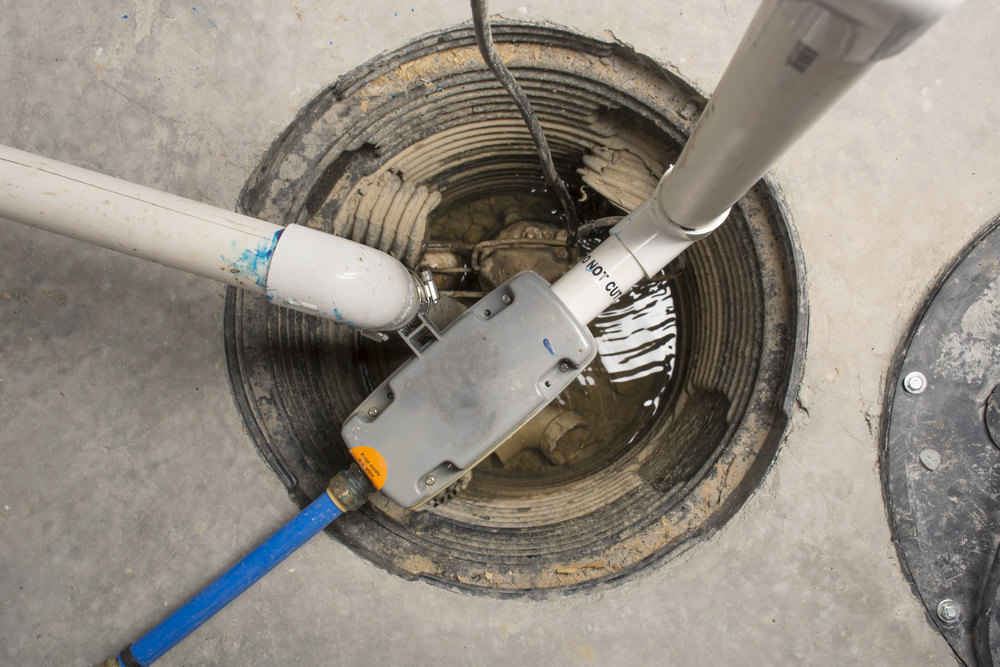
A sump pump is one of those home upgrades nobody dreams about until the basement starts auditioning for a role as an indoor swimming pool. It is not glamorous. It does not sparkle. It will not make guests say, “Wow, what a beautiful drainage system.” But when heavy rain shows up with bad manners, a working sump pump can be the quiet little hero standing between your storage boxes and a soggy tragedy.
So, how much does a sump pump typically cost to install? In the United States, most homeowners should expect a professional sump pump installation to cost somewhere between $800 and $3,000, with many standard jobs landing near $1,100 to $1,500. Simple replacements can cost less, while brand-new installations that require cutting concrete, digging a sump pit, adding drainage, or upgrading electrical work can climb toward $4,000 or more.
That is a wide range, and yes, it is annoying. Home pricing ranges have the personality of a weather forecast: technically helpful, but always hiding a few surprises. The final cost depends on the pump type, your basement layout, labor rates, materials, backup options, and whether your home already has a sump basin. This guide breaks the numbers down in plain English so you can budget without needing a plumbing dictionary and a stress snack.
What Is a Sump Pump and Why Does Installation Matter?
A sump pump is a small pump installed in the lowest part of a basement or crawl space. Water collects in a basin, also called a sump pit, and the pump pushes that water away from the foundation through a discharge pipe. The goal is simple: keep water from becoming an uninvited basement roommate.
Installation matters because a sump pump is only as good as the system around it. A powerful pump placed in the wrong pit, connected to a poor discharge route, or wired without proper protection can fail when you need it most. A bargain installation that floods later is not a bargain; it is just a delayed invoice wearing a fake mustache.
Average Sump Pump Installation Cost
For a typical professional installation, homeowners often pay between $800 and $3,000. A straightforward replacement of an existing pump may cost around $300 to $800, especially if the basin, discharge line, and outlet are already in good shape. A new installation, where the contractor must create a sump pit and route drainage, usually costs more because it involves concrete cutting, excavation, plumbing, cleanup, and sometimes electrical work.
| Project Type | Typical Cost Range | Best For |
|---|---|---|
| Basic pump replacement | $300–$800 | Homes with an existing pit and working discharge line |
| Standard new sump pump installation | $800–$3,000 | Basements needing a new pump and basin |
| Complex installation | $3,000–$4,000+ | Concrete work, drainage upgrades, difficult access, or backup systems |
| Battery backup add-on | $200–$1,000+ | Homes in storm-prone areas or places with power outages |
The cheapest option is usually replacing a pedestal pump in an existing setup. The most expensive option is a full waterproofing-style project that includes a submersible pump, new basin, perimeter drainage, backup pump, alarm, and electrical upgrades. In other words, the price depends on whether your contractor is swapping a part or performing basement surgery.
Main Cost Factors
1. New Installation vs. Replacement
The biggest cost difference is whether your home already has a sump system. If a sump pit is already there, the contractor may only need to remove the old pump, install the new one, connect the discharge pipe, check the valve, test the float switch, and make sure everything runs correctly.
If there is no pit, the job becomes more involved. The installer may need to cut into the concrete floor, dig a basin, add gravel, place the liner, install the pump, connect the discharge line, seal the area, and patch the floor. That extra labor is why a new installation can cost several times more than a simple replacement.
2. Pump Type: Pedestal vs. Submersible
There are two common types of sump pumps: pedestal and submersible. Pedestal pumps have a motor that sits above the pit, making them easier to service and often less expensive. They can be a practical choice for narrow pits or lighter water problems.
Submersible pumps sit inside the basin and operate underwater. They are usually quieter, more powerful, and better suited for frequent water removal. They also tend to cost more. For many finished basements, a submersible model is worth considering because nobody wants a noisy pump growling in the corner like a tiny mechanical troll.
3. Pump Horsepower and Capacity
Sump pumps are commonly sold in sizes such as 1/4 HP, 1/3 HP, 1/2 HP, and 3/4 HP. A smaller pump may be fine for occasional moisture, while a larger pump may be necessary for a high water table, heavy rain, or a basement that collects water quickly.
More horsepower usually means a higher pump price, but bigger is not always better. An oversized pump can cycle too quickly, which may shorten its life. A professional can calculate the right capacity based on pit size, vertical lift, discharge distance, and how fast water enters the basin.
4. Labor and Local Rates
Labor is often the largest part of the sump pump installation cost. Plumbers, waterproofing contractors, or foundation drainage specialists may charge different rates depending on location, licensing, job difficulty, and demand. Labor costs are typically higher in major metro areas and regions with frequent flooding problems.
A basic replacement may take a couple of hours. A new installation can take most of a day or longer, especially if the crew must break concrete, manage dust, run discharge piping, or install a dedicated outlet. If your basement is easy to access, congratulations: your wallet may breathe a little easier.
5. Electrical Work
Most sump pumps require a nearby grounded outlet, often with GFCI protection. If your basement does not have the right electrical setup, you may need an electrician to install or upgrade an outlet. That can add roughly $150 to $500 or more depending on the home.
This is not an area to improvise. Extension cords, overloaded outlets, and damp basements are not a charming trio. Proper electrical work helps the pump run safely and reliably when water shows up.
6. Discharge Line and Drainage Route
The discharge line carries water away from your foundation. If the existing line is cracked, poorly sloped, too short, frozen, or draining right back toward the house, it may need improvement. Materials such as PVC pipe, fittings, check valves, gravel, and exterior extensions can add to the total.
A check valve is especially important because it prevents pumped water from flowing back into the pit. Without it, your pump may keep moving the same water again and again, like a very expensive hamster wheel.
7. Battery Backup or Water-Powered Backup
Storms often cause two problems at once: heavy water and power outages. That is why many homeowners add a backup sump pump system. A battery backup can keep pumping during an outage, while a water-powered backup uses municipal water pressure to remove water without electricity.
Backup systems commonly add $200 to $1,000+ to the project. For homes with finished basements, expensive flooring, stored belongings, or a history of flooding, the extra cost can be easier to justify. Think of it as insurance for the machine that is already acting like insurance.
Detailed Budget Breakdown
Here is a realistic example of how a sump pump installation budget may come together:
| Item | Estimated Cost |
|---|---|
| Sump pump unit | $100–$800 |
| Sump basin and lid | $50–$300 |
| Check valve, PVC, fittings, and gravel | $50–$250 |
| Concrete cutting and excavation | $300–$1,000+ |
| Labor | $500–$2,000+ |
| Electrical work | $150–$500+ |
| Battery backup system | $200–$1,000+ |
A basic replacement may only include the pump, valve, minor materials, and labor. A full installation can include nearly every line item above. That is why one homeowner may pay $650 while another pays $3,500 and both invoices can be reasonable for the work performed.
Cost by Installation Scenario
Scenario 1: Replacing an Existing Pump
If your current pump is old, loud, constantly running, or failing to activate, replacement is usually the most affordable project. Expect to pay about $300 to $800 for a standard replacement. The cost rises if you choose a premium cast-iron pump, need a new check valve, or want a backup system installed at the same time.
Scenario 2: Installing a Pump in an Unfinished Basement
An unfinished basement is usually easier to work in because contractors do not have to protect expensive flooring or finished walls. A standard installation may cost $800 to $2,500, depending on concrete thickness, drainage needs, and pump type.
Scenario 3: Installing in a Finished Basement
Finished basements add complexity. Contractors may need to remove flooring, protect drywall, control dust, and restore surfaces after installation. Costs can rise to $2,000 to $4,000+, especially if interior drainage channels are added.
Scenario 4: Crawl Space Sump Pump Installation
Crawl spaces are often cramped, damp, and not exactly contractor-friendly. Installation may cost $1,000 to $3,000+, depending on access, vapor barriers, drainage mats, and whether the area needs grading. Nobody enjoys crawling through mud to install plumbing, and the invoice usually reflects that reality.
DIY vs. Professional Installation
DIY sump pump replacement can be possible when a pit, discharge line, and outlet already exist. A handy homeowner may spend a few hundred dollars on a pump and materials. However, installing a brand-new sump system is much more demanding. It can involve cutting concrete, digging below the slab, routing discharge lines, sealing the basin, and ensuring safe electrical connections.
Professional installation costs more upfront, but it reduces the risk of mistakes that can lead to water damage. If your basement has never had a sump pump, hiring a pro is usually the smarter move. This is especially true if local permits, code requirements, or electrical upgrades are involved.
How to Save Money Without Buying Trouble
The best way to save money is to get at least three written estimates. Ask each contractor to separate pump cost, labor, materials, electrical work, and backup options. This makes it easier to compare quotes without falling for the classic “mysterious lump sum” invoice.
You can also save by replacing a failing pump before it dies during a storm. Emergency service calls are often more expensive, and water damage repairs can make the pump cost look adorable by comparison. Testing the pump before rainy season is a small chore with big budget energy.
Another smart move is choosing the right pump, not simply the cheapest one. A low-cost pedestal pump may work for occasional seepage, but a submersible pump with a durable housing may be better for frequent water problems. Spending a little more on the correct equipment can prevent repeat repairs.
Questions to Ask Before Hiring an Installer
Before approving the job, ask what type and size of pump they recommend, whether the quote includes a check valve, where the water will discharge, and whether electrical work is included. Ask if permits are required in your area. Also ask how they will handle cleanup, concrete patching, and testing.
A good contractor should explain the plan clearly. If the answer sounds like “don’t worry about it,” you should absolutely worry about it. Basements are not the place for vague confidence.
When a Higher Quote May Be Worth It
A higher quote is not automatically a bad quote. It may include better equipment, a sealed basin, improved drainage, a backup pump, a high-water alarm, or a longer warranty. It may also reflect difficult access or necessary code-compliant electrical work.
However, a higher quote should come with a clear explanation. If one contractor quotes $1,200 and another quotes $3,800, compare the scope line by line. Are they doing the same job? Is one adding a battery backup? Is one cutting a new pit? Is one including drainage tile? Details matter. They are the tiny screws holding your budget together.
Maintenance Costs After Installation
After installation, sump pumps need basic maintenance. Homeowners should test the pump regularly by pouring water into the pit and making sure it activates. The pit should be kept clear of debris, and the discharge line should be checked for clogs, freezing, or poor drainage.
Professional inspections may cost around $100 to $300, depending on location and service details. Repairs can vary widely, but common fixes include float switch replacement, check valve replacement, battery replacement, or discharge line correction. A typical sump pump may last around seven to ten years, though lifespan depends on use, quality, maintenance, and water conditions.
Experience Notes: What Homeowners Learn After Pricing a Sump Pump
The first real-world lesson is that the lowest quote often leaves something out. Many homeowners start by asking, “How much is the pump?” and quickly discover that the pump itself is only one slice of the pie. The basin, lid, check valve, discharge pipe, gravel, concrete work, electrical outlet, and labor can all become part of the final bill. The pump is the star of the show, but the supporting cast still expects to get paid.
Another common experience is quote shock. A homeowner may see a sump pump at a home improvement store for $200 and wonder why the installed price is $1,500. The answer is that installation is not just plugging in a gadget. In a new setup, someone has to cut a hole in the concrete, dig out the pit, manage drainage, route water outside, make sure the pump sits level, and test the system. That work takes tools, skill, time, and a willingness to get very dusty.
Homeowners with finished basements often learn the value of prevention the hard way. A $2,000 sump pump project may feel expensive until compared with replacing carpet, drywall, furniture, baseboards, and stored belongings after a flood. Water damage has a gift for multiplying costs while pretending it is just a puddle. If the basement is used as a family room, office, bedroom, or storage area, adding a backup pump and alarm can be a very practical choice.
People in older homes may also discover that water problems are rarely isolated. A contractor might point out poor grading, clogged gutters, short downspouts, foundation cracks, or a discharge line that sends water too close to the house. At first, this can feel like upselling. Sometimes it is. But often, the sump pump is only one part of keeping water away. If rainwater keeps returning to the foundation, the pump has to work harder, and your basement remains at risk.
The best homeowner experience usually comes from asking detailed questions before work begins. Ask what brand and horsepower will be installed. Ask whether the basin is sealed. Ask how far the discharge line will carry water from the foundation. Ask whether the quote includes cleanup and concrete repair. Ask what happens if the pump fails during the warranty period. A good installer will not be offended. A good installer has heard these questions before and will probably be relieved that you care.
Finally, experienced homeowners learn to test the system before the storm, not during it. Pour water into the pit, listen for strange noises, confirm the float moves freely, and check that water exits outside. If you have a battery backup, inspect the battery and alarm. Waiting until a thunderstorm is overhead to check your sump pump is like testing an umbrella after you are already soaked. Technically possible, emotionally unnecessary.
Conclusion: What Should You Budget?
For most homeowners, a realistic sump pump installation budget is $800 to $3,000. If you are only replacing an existing pump, your cost may be closer to $300 to $800. If you need a brand-new sump pit, discharge line, electrical work, and a backup system, your total may reach $3,000 to $4,000+.
The smartest budget is not always the smallest one. Choose a system that matches your water problem, your basement value, and your local weather risk. A properly installed sump pump may not be exciting, but neither is mopping a basement at midnight while questioning every life decision that led to that moment.