

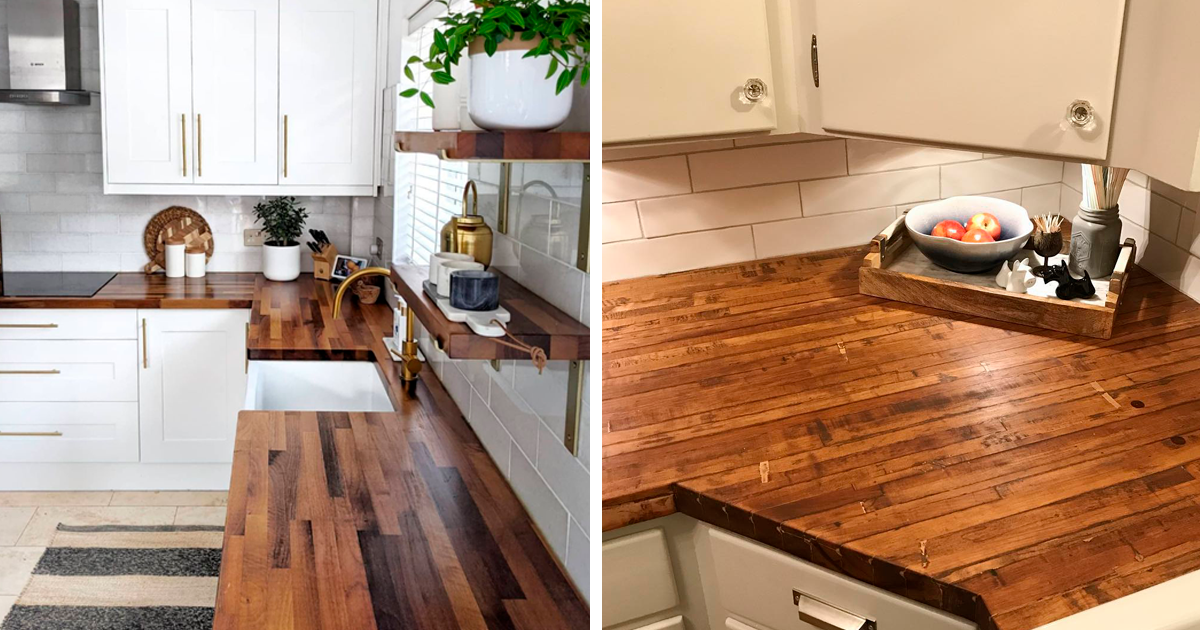
Some kitchen surfaces look polished. Some look expensive. But butcher block countertops look like they might teach you how to make sourdough, sharpen a chef’s knife, and host Thanksgiving without breaking a sweat. Warm, practical, and naturally handsome, butcher block has a way of making a kitchen feel less like a showroom and more like the heart of the home.
Made from strips or blocks of real wood bonded into a sturdy slab, butcher block countertops offer a rare mix of durability, repairability, and classic charm. They can suit a farmhouse kitchen, soften a modern space, warm up white cabinets, or add an inviting contrast to stone, quartz, stainless steel, or tile. In a world full of cold surfaces and glossy perfection, butcher block brings texture, grain, and a little personality. Yes, it needs care. No, it is not indestructible. But for homeowners who appreciate natural materials, it is one of the most rewarding countertop choices available.
What Are Butcher Block Countertops?
Butcher block countertops are wooden work surfaces made by joining pieces of hardwood together. The result is a thick, stable slab that can be used for kitchen counters, islands, pantry surfaces, laundry rooms, desk areas, and breakfast bars. Traditional butcher blocks were designed for heavy food preparation, but today’s versions range from serious chopping stations to decorative furniture-style counters.
The beauty of butcher block is that it is not pretending to be anything else. It is wood. It has grain, color variation, knots, movement, and warmth. Over time, it develops character. A scratch does not always ruin it; sometimes it simply joins the story. Unlike many synthetic countertop materials, butcher block can often be sanded, refinished, resealed, and brought back to life.
Why Butcher Block Countertops Remain Timeless
Trends come and go, but natural wood has never really left the kitchen. Butcher block countertops have staying power because they work visually and functionally. They pair beautifully with painted cabinets, shaker doors, open shelving, brick backsplashes, brass fixtures, matte black hardware, and even sleek contemporary appliances.
One reason they remain popular is emotional. Stone can feel elegant, quartz can feel crisp, and laminate can feel practical, but wood feels human. It adds visual warmth in a way few countertop materials can. In an all-white kitchen, butcher block keeps the room from looking like a dental clinic with pendant lights. In a darker kitchen, it adds contrast and softness. In a rustic space, it feels completely at home.
Popular Wood Species For Butcher Block Countertops
The wood species you choose affects the countertop’s color, hardness, grain pattern, maintenance needs, and cost. Maple is one of the most traditional choices because it is hard, light in color, and has a clean grain that works in many kitchen styles. Walnut offers a darker, richer look that feels refined and dramatic. Oak brings visible grain and classic American character. Cherry deepens beautifully with age, while birch and beech offer warm tones at a more approachable price point.
Acacia has become popular for its striking grain variation and affordability. It often features golden, brown, and amber tones in the same slab, which makes it a smart choice when you want the countertop to become a design feature. Teak and mahogany can offer luxury appeal, though they often come at a higher price and may require careful sourcing. The best choice depends on whether you want a quiet background surface or a countertop that walks into the room wearing a velvet jacket.
Edge Grain, End Grain, And Face Grain: What Is The Difference?
Not all butcher block countertops are built the same way. The construction style affects appearance, durability, and price.
Edge Grain Butcher Block
Edge grain butcher block is made by placing long boards on their narrow sides and bonding them together. This creates a striped linear pattern. Edge grain is one of the most common options for countertops because it balances strength, cost, and visual appeal. It works well for islands, perimeter counters, and general kitchen use.
End Grain Butcher Block
End grain butcher block is made from small blocks of wood arranged so the ends of the wood fibers face upward. This creates a checkerboard-style appearance. End grain is highly valued for cutting surfaces because knife blades meet the wood fibers more gently. It is often more expensive and thicker than edge grain, but it is a beautiful choice for serious cooks or statement islands.
Face Grain Butcher Block
Face grain uses the wide face of the board as the visible surface. It shows off dramatic wood patterns and can look furniture-like, but it is typically less resistant to heavy cutting than edge or end grain. It is best for decorative counters, dining ledges, desks, and areas where beauty matters more than knife work.
Durability: Strong, Repairable, But Not Magical
Butcher block countertops are durable, but they are not superhero armor. They can handle daily kitchen life, rolling dough, setting down grocery bags, making sandwiches, and preparing vegetables. Quality hardwood countertops can last for decades with proper care. However, wood is porous and sensitive to moisture, heat, and dryness. That means a butcher block counter needs a little respect.
Hot pans should go on trivets, not directly on the wood. Standing water should be wiped quickly, especially around sinks. Sharp knives can leave marks if you cut directly on the surface. The good news is that many small scratches, stains, and scorch marks can be sanded out. Try doing that with cracked tile or chipped laminate and you may suddenly develop a deep appreciation for trees.
Finishes: Oil, Wax, Polyurethane, Or Something Else?
The finish you choose determines how the countertop behaves. Food-safe mineral oil is common for butcher block surfaces used for direct food preparation. It penetrates the wood fibers and helps reduce dryness. Many homeowners pair mineral oil with a beeswax-based conditioner for extra protection. This type of finish feels natural and is easy to refresh, but it requires regular reapplication.
Film-forming finishes such as polyurethane, varnish, or certain hardwax oils create a more protective surface. These are often better for counters near sinks, bars, or areas where water exposure is more likely. The trade-off is that not every sealed finish is suitable for direct chopping, and repairs may require more careful sanding and refinishing. If you plan to cut directly on the counter, choose a finish made for food-contact surfaces. If the countertop is more decorative, a durable sealed finish may be more practical.
Cleaning And Maintenance Made Simple
Butcher block maintenance is not difficult, but it must become a habit. For daily cleaning, use mild dish soap, warm water, and a soft cloth or sponge. Wipe the surface clean, rinse lightly, and dry it immediately. Avoid soaking the wood, leaving puddles, or attacking it with harsh cleaners. Wood does not enjoy being treated like a bathroom tile floor.
For food-prep areas, sanitize when needed, especially after handling raw meat, poultry, or fish. A diluted bleach solution can be used according to standard food-safety guidance, followed by rinsing and thorough drying. Many homeowners also use separate cutting boards for raw proteins to reduce cross-contamination and protect the countertop surface.
Oiled butcher block should be refreshed regularly. Some manufacturers recommend oiling monthly, while lighter-use counters may need it less often. The simple test is visual and tactile: if the wood looks dry, pale, or thirsty, it probably needs oil. Apply food-grade mineral oil or approved butcher block conditioner with a clean cloth, let it soak in, then wipe away excess. Do not leave the counter greasy; the goal is nourished wood, not a slip-and-slide for onions.
Butcher Block Around Sinks: Smart Or Risky?
Butcher block can be used near sinks, but this is where planning matters most. Water is the main enemy of wood countertops. Around sinks, seams, cutouts, faucet holes, and edges must be sealed carefully. The underside of the countertop should also be sealed because moisture can enter from below. A sink area with poor sealing is like inviting water to a buffet and then acting surprised when it eats everything.
If you love the look but worry about maintenance, consider using butcher block on the island and a more water-resistant material around the sink. This mixed-material approach gives you warmth where it shines and durability where you need maximum moisture defense. It also adds design depth, making the kitchen feel custom rather than copied from a catalog.
Cost: Is Butcher Block Budget-Friendly?
Butcher block countertops can be more affordable than many premium stone options, but pricing varies widely. Species, thickness, construction style, finish, custom edges, sink cutouts, installation, and regional labor costs all affect the final number. Stock maple or birch counters are usually more budget-friendly, while custom walnut, teak, or end grain slabs can become a serious investment.
Compared with quartz or granite, butcher block may offer a lower entry price, especially for DIY-friendly projects. Compared with laminate, it is usually more expensive but has a more substantial and natural look. The long-term value comes from repairability. A scratched butcher block can often be sanded and refinished instead of replaced, which helps extend its useful life.
Design Ideas For Classic Charm
Butcher block countertops are wonderfully flexible. In a farmhouse kitchen, pair them with white shaker cabinets, apron-front sinks, and aged brass hardware. In a modern kitchen, use a thick walnut island top with flat-panel cabinets and minimalist lighting. For a cottage look, combine light maple counters with beadboard, open shelves, and soft paint colors. For industrial style, butcher block looks fantastic next to black metal, concrete, subway tile, and exposed shelving.
One of the best design tricks is to use butcher block selectively. A wood island paired with quartz perimeter counters gives you the best of both worlds: warmth in the center of the kitchen and easy-care surfaces near the sink and stove. A butcher block baking station can also be charming and functional, especially if you love making bread, pie crust, or cookies that mysteriously disappear before cooling.
Pros And Cons Of Butcher Block Countertops
Pros
Butcher block countertops are warm, timeless, repairable, and versatile. They work with many design styles and can make a kitchen feel more inviting. They are easier to modify than many countertop materials, which can be helpful during installation. Small scratches and stains can often be sanded away. With proper care, a quality butcher block surface can last for many years.
Cons
Butcher block requires more maintenance than quartz or solid surface countertops. It can stain, swell, crack, or warp if exposed to too much water. It is not heatproof, and direct cutting can leave marks. Oiled surfaces need regular conditioning. If you want a countertop that tolerates neglect like a forgotten garage shelf, butcher block may not be your best match.
Who Should Choose Butcher Block Countertops?
Butcher block is ideal for homeowners who love natural materials and do not mind light routine care. It is especially good for people who want a warm, classic kitchen rather than a perfectly polished one. If you enjoy cooking, entertaining, baking, or simply having a kitchen that feels lived-in, butcher block can be a wonderful choice.
It may not be ideal for households that leave wet dishes on the counter overnight, place hot pans wherever they land, or expect every surface to remain flawless with no upkeep. But if you are willing to wipe, dry, oil, and occasionally sand, butcher block rewards you with beauty that ages gracefully.
Installation Tips That Matter
Proper installation makes a big difference. Butcher block should be acclimated to the room before installation, especially in climates with major humidity swings. The countertop should be sealed on all sides, including the underside and cut edges. This helps reduce uneven moisture absorption. Any sink, cooktop, or faucet cutouts should be resealed carefully after cutting.
Wood expands and contracts with humidity, so installers should allow for natural movement. The countertop should not be trapped too tightly between walls or cabinets. Fasteners should secure the top while still allowing slight seasonal movement. This is one reason professional installation can be worthwhile for large kitchens, sink areas, or custom layouts.
Common Mistakes To Avoid
The biggest mistake is treating butcher block like stone. It is not stone. Do not leave water sitting on it. Do not drag rough pans across it. Do not use it as a landing pad for hot cast iron. Do not forget the underside during finishing. Do not assume every finish is safe for direct food prep. And please, do not install it around a sink without serious sealing unless you enjoy dramatic home repair plot twists.
Another mistake is over-oiling. More oil is not always better. If oil sits on the surface and becomes sticky, too much was applied or the wood could not absorb it. Thin coats, proper soaking time, and careful wiping produce better results. Maintenance should protect the wood, not turn your countertop into a salad dressing rehearsal.
Real-Life Experiences With Butcher Block Countertops
Living with butcher block countertops feels different from living with stone or quartz. The first thing most people notice is the warmth. A kitchen with wood counters feels softer in the morning, especially when sunlight hits the grain. Coffee mugs look better on it. A loaf of bread looks like it belongs there. Even a pile of mail somehow seems less offensive, though unfortunately butcher block will not pay the bills for you.
In everyday use, butcher block teaches small habits. You learn to wipe up water right away. You keep a trivet nearby for hot pans. You use cutting boards when chopping beets, raw chicken, or anything likely to leave a souvenir. You start noticing when the surface looks dry, and oiling the counter becomes a quick weekend ritual. There is something satisfying about watching the wood deepen in color as oil soaks in. It feels less like cleaning and more like taking care of a good leather jacket or a favorite pair of boots.
Scratches are part of the experience. At first, the first mark may feel tragic. A tiny knife line appears, and suddenly you are staring at it like it has betrayed the family. But after a while, those marks become less alarming. The surface develops a gentle patina. If a mark truly bothers you, sanding and refinishing can make a dramatic difference. That repairability is one of butcher block’s greatest strengths. Instead of replacing the entire counter, you can often refresh the surface with basic tools and patience.
Families often appreciate butcher block on islands because it creates a natural gathering place. Kids can do homework there. Guests can lean against it while chatting. Dough can be rolled out. Vegetables can be prepped. Cheese boards can be assembled with theatrical confidence. The countertop becomes part of the rhythm of the house. It is functional, but it also adds atmosphere.
The maintenance is real, but it is usually manageable when expectations are clear. People who regret butcher block often expected it to behave like quartz. People who love it usually accept it as wood from day one. They understand that beauty comes with a little responsibility. In return, they get a countertop that feels warm, classic, and personal. It does not look mass-produced, even when it is. It changes subtly with time, light, and use.
For the best experience, many homeowners use butcher block strategically rather than everywhere. An island top, coffee bar, pantry counter, baking station, or laundry folding surface can provide the charm without placing wood in the highest-risk wet zones. This approach reduces maintenance stress while still delivering the design impact. In other words, you can enjoy the romance of butcher block without turning your entire kitchen into a full-time woodworking relationship.
Conclusion: A Classic Countertop With Character
Butcher block countertops are not the lowest-maintenance surface, and they are not the right fit for every household. But they offer something many materials cannot: warmth, repairability, character, and timeless appeal. They make kitchens feel welcoming and useful. They can be rustic or refined, affordable or luxurious, subtle or dramatic.
If you want a surface that stays perfect without attention, choose something else. If you want a countertop that ages with your home, can be refreshed over time, and brings classic charm to daily life, butcher block deserves a serious look. Treat it well, and it will reward you with years of beauty, durability, and kitchen memories.