

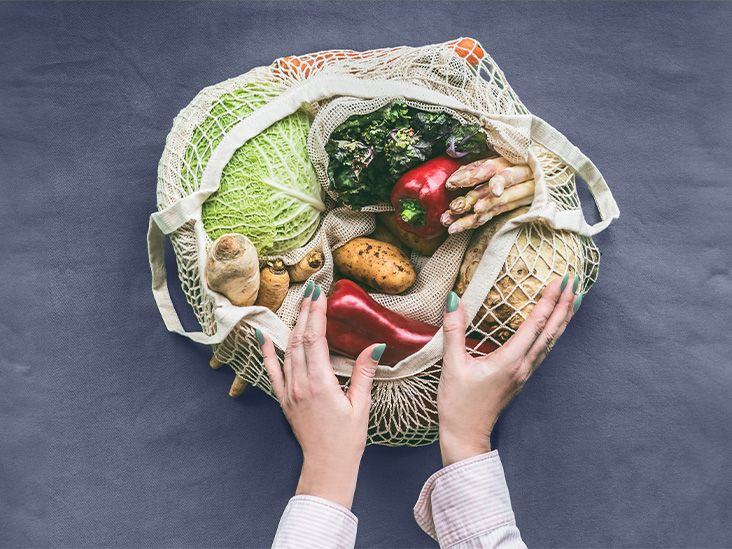
Cancer and diet have a complicated relationshipless like a simple light switch and more like a kitchen drawer full of mystery batteries, rubber bands, and one lonely birthday candle. No single food “causes” cancer all by itself, and no magical berry, juice cleanse, or heroic salad can guarantee prevention. Still, what you eat day after day can influence some cancer risks, especially when diet affects weight, inflammation, hormone balance, digestion, alcohol exposure, and overall metabolic health.
The good news? A cancer-prevention eating pattern does not require expensive powders, joyless meals, or pretending cauliflower is pizza crust unless you genuinely enjoy that kind of emotional challenge. The strongest evidence points toward a practical pattern: more vegetables, fruits, beans, whole grains, nuts, and seeds; less processed meat, excess alcohol, sugary drinks, and ultra-processed foods; and a steady focus on maintaining a healthy weight.
This article explains how diet may affect cancer risk, which foods deserve more space on your plate, which ones should make fewer guest appearances, and how to build healthy habits that are realistic enough for actual human life.
How Diet Can Influence Cancer Risk
Diet affects cancer risk through several pathways. First, it can influence body weight. Excess body fat is linked with higher risk for several cancers, including colorectal, breast after menopause, endometrial, kidney, liver, pancreatic, and esophageal cancers. Fat tissue is not just storage; it can produce hormones and inflammatory signals that may create a more favorable environment for abnormal cell growth.
Second, food choices affect digestion and gut health. Diets high in fiber support regular bowel movements and feed beneficial gut bacteria. That matters because the colon is not simply a food tunnel; it is a busy ecosystem. When fiber-loving bacteria are well fed, they produce compounds that may help maintain a healthier gut lining.
Third, some foods and drinks expose the body to substances that may increase cancer risk. Alcohol, for example, breaks down into acetaldehyde, a chemical that can damage DNA. Processed meats may contain preservatives or develop compounds during curing, smoking, or high-heat cooking that are associated with colorectal cancer risk.
Finally, diet can affect blood sugar, insulin, inflammation, and nutrient status. A pattern built around whole foods gives the body vitamins, minerals, fiber, and phytochemicals in their natural food package. That package tends to work better than trying to swallow prevention in capsule form.
Foods That May Help Lower Cancer Risk
Vegetables and Fruits: The Colorful Insurance Policy
Vegetables and fruits are rich in fiber, antioxidants, vitamins, minerals, and plant compounds. A plate full of color is not just Instagram bait; it often means a wider range of protective nutrients. Dark leafy greens, broccoli, cabbage, carrots, peppers, berries, citrus, tomatoes, onions, and mushrooms all bring something useful to the table.
Cruciferous vegetables such as broccoli, cauliflower, kale, Brussels sprouts, and cabbage contain natural compounds that researchers study for their role in detoxification pathways and cell protection. That does not mean broccoli is wearing a tiny superhero cape, but it does mean it deserves regular plate time.
A simple goal is to fill half your plate with vegetables and fruit at meals. If that sounds like a lot, start with one upgrade: add spinach to eggs, toss berries into oatmeal, snack on carrots with hummus, or add a side salad before dinner. Small changes count when they become routine.
Whole Grains: Fiber With a Job Description
Whole grains such as oats, brown rice, quinoa, barley, farro, whole-wheat bread, and whole-grain pasta provide fiber and nutrients that refined grains lose during processing. Fiber helps move waste through the digestive tract, supports gut bacteria, and may reduce colorectal cancer risk.
One of the easiest swaps is breakfast. Replace sugary cereal with oatmeal topped with fruit and nuts. Choose whole-grain bread instead of white bread. Try brown rice or quinoa instead of refined rice sometimes. You do not have to break up with white rice forever; just stop letting it be the only grain invited to dinner.
Beans, Lentils, Nuts, and Seeds: Small Foods, Big Benefits
Beans, lentils, chickpeas, peas, nuts, and seeds are nutrient-dense, affordable, and wonderfully flexible. They provide fiber, protein, minerals, and healthy fats. They also help replace some meals that might otherwise rely heavily on red or processed meat.
Try black beans in tacos, lentils in soup, chickpeas in salads, hummus as a snack, walnuts in oatmeal, or chia seeds in yogurt. Beans occasionally get blamed for digestive drama, but introducing them slowly and rinsing canned beans can help. Your gut microbiome may need a training periodlike couch-to-5K, but for lentils.
Healthy Protein Choices
Protein is important for muscle, immune function, and repair. For cancer prevention, the pattern matters. Fish, poultry, beans, lentils, tofu, tempeh, eggs, yogurt, and nuts can all fit into a healthy diet. Red meat does not need to disappear for everyone, but it should not dominate the menu. Many cancer-prevention guidelines recommend limiting red meat and eating little, if any, processed meat.
A practical plate model is the two-thirds plant approach: fill about two-thirds of your plate with vegetables, fruits, whole grains, beans, nuts, or seeds, and reserve the remaining third for animal protein or another protein-rich food. This method is simple, visual, and easier than weighing your dinner like a suspicious airport suitcase.
Foods and Drinks to Limit
Processed Meat
Processed meats include bacon, sausage, hot dogs, ham, deli meats, salami, pepperoni, and other meats preserved by smoking, curing, salting, or chemical preservatives. These foods are strongly associated with increased colorectal cancer risk. They may be convenient, but convenience is not always innocent. A hot dog may be fast, but so is a raccoon stealing your sandwich.
Instead of processed meat, try roasted chicken, tuna, egg salad with Greek yogurt, hummus, grilled vegetables, leftover salmon, bean spreads, or turkey that is not heavily processed. If you love bacon, treat it as an occasional flavor accent rather than a daily food group.
Red Meat
Red meat includes beef, pork, lamb, and similar meats. It can provide protein, iron, zinc, and vitamin B12, but high intake is linked with increased colorectal cancer risk. Cooking red meat at very high temperatures, especially charring or grilling until blackened, may create additional compounds of concern.
To reduce risk while still enjoying meat, keep portions moderate, choose leaner cuts, avoid charring, marinate before grilling, flip meat often, and pair smaller portions with generous vegetables and whole grains. Think steak with a supporting cast, not steak performing a three-hour solo.
Alcohol
Alcohol is linked with increased risk of several cancers, including cancers of the mouth, throat, voice box, esophagus, liver, colon, rectum, and breast. The risk generally rises with the amount consumed. For cancer prevention, less alcohol is better, and not drinking is the lowest-risk option.
If you drink, reducing frequency and portion size can help. Swap some alcoholic drinks for sparkling water with lime, unsweetened iced tea, alcohol-free mocktails, or kombucha. The goal is not to become the fun police; it is to lower exposure to a known carcinogen while still enjoying social rituals.
Sugary Drinks and Ultra-Processed Foods
Sugar itself does not “feed cancer” in the dramatic way internet rumors often claim. All cells use glucose, including healthy cells. The bigger issue is that frequent sugary drinks and ultra-processed foods can contribute to weight gain, insulin resistance, and poor diet quality. That may indirectly raise cancer risk through obesity and metabolic stress.
Ultra-processed foods often contain lots of added sugar, refined starch, sodium, unhealthy fats, and additives while offering little fiber. Examples include many packaged snacks, sugary cereals, fast-food meals, frozen desserts, soda, and sweetened coffee drinks large enough to require their own parking space.
A realistic strategy is to reduce, not panic. Keep water, fruit, yogurt, nuts, boiled eggs, hummus, or whole-grain snacks available so the vending machine does not become your nutrition advisor.
What About Supplements?
Supplements are not a shortcut to cancer prevention. In fact, high-dose supplements can sometimes be harmful. Large doses of beta-carotene, especially in people who smoke or used to smoke, have been associated with increased lung cancer risk. Some antioxidant supplements may also interfere with certain cancer treatments, so anyone receiving chemotherapy, radiation, immunotherapy, or targeted therapy should talk with their oncology team before taking supplements.
Food-first is the safest general approach. Nutrients in whole foods come with fiber, water, and thousands of naturally occurring compounds that work together. A carrot is not just a beta-carotene delivery device; it is a crunchy little chemistry lab with good PR.
That said, supplements may be useful for specific deficiencies, medical conditions, pregnancy, limited diets, or doctor-recommended needs. The key is personalization. Test, discuss, then supplement if appropriatenot because a bottle on the shelf promised “cellular warrior energy.”
Can Diet Prevent Cancer Completely?
No diet can prevent cancer completely. Cancer risk is shaped by genetics, age, infections, tobacco exposure, environmental factors, hormones, immune function, physical activity, sleep, screening, and plain old biological randomness. A person can eat beautifully and still develop cancer. Another person can eat chaotically and remain cancer-free. Biology is not always fair, and it definitely does not read wellness blogs before making decisions.
But diet still matters because it is one risk factor people can influence. Healthy eating does not guarantee protection, but it can lower the odds for certain cancers and improve overall health. It may also reduce risk of heart disease, type 2 diabetes, high blood pressure, and digestive problems. In other words, a cancer-prevention diet is not a single-purpose tool; it is more like a good chef’s knifeuseful every day.
Diet During and After Cancer Treatment
People currently receiving cancer treatment have different nutrition needs. Weight loss, nausea, mouth sores, taste changes, diarrhea, constipation, fatigue, and poor appetite can make eating difficult. In that situation, the “perfect prevention diet” may not be the priority. Getting enough calories, protein, fluids, and safe foods may matter more.
For example, someone with mouth sores may need soft foods like smoothies, scrambled eggs, soups, yogurt, oatmeal, or mashed sweet potatoes. Someone losing weight may need higher-calorie options such as nut butter, avocado, olive oil, full-fat yogurt, or protein shakes recommended by a care team. Someone with a weakened immune system may need extra food-safety precautions, including avoiding undercooked eggs, raw seafood, unpasteurized dairy, and unsafe leftovers.
After treatment, many survivors are encouraged to follow a healthy eating pattern similar to cancer-prevention guidance: more plant foods, healthy proteins, whole grains, and limited alcohol and processed meat. However, survivors should ask their doctor or oncology dietitian for advice tailored to their cancer type, treatment history, weight goals, lab results, and symptoms.
A Simple Cancer-Prevention Plate
Here is a practical model for everyday meals:
- Half the plate: non-starchy vegetables and fruit, such as leafy greens, broccoli, peppers, tomatoes, carrots, berries, apples, or citrus.
- One quarter: whole grains or starchy vegetables, such as oats, brown rice, quinoa, barley, sweet potatoes, corn, or whole-grain bread.
- One quarter: protein, such as beans, lentils, fish, chicken, tofu, eggs, yogurt, or moderate portions of lean meat.
- Add healthy fats: olive oil, avocado, nuts, seeds, or nut butter.
- Drink: water, unsweetened tea, coffee without too much added sugar, or sparkling water.
This pattern is flexible. A Mediterranean bowl, vegetable stir-fry, bean chili, salmon with roasted vegetables, tofu curry, turkey and avocado wrap, or oatmeal with berries can all fit. Cancer-prevention eating is not a single cuisine. It can be Southern, Vietnamese, Mexican, Mediterranean, Indian, Caribbean, or whatever makes sense in your kitchen.
Common Myths About Cancer and Diet
Myth 1: Sugar Directly Causes Cancer
Sugar does not directly cause cancer in a simple one-bite-equals-tumor way. The concern is excessive added sugar, especially from drinks and ultra-processed foods, because it can contribute to weight gain and metabolic problems. Fruit, plain yogurt, and whole grains contain natural sugars packaged with nutrients and fiber, so they are not the same as soda and candy.
Myth 2: Superfoods Can Cancel Out Bad Habits
No single food can cancel out smoking, heavy drinking, inactivity, or a diet built mostly on processed foods. Blueberries are wonderful, but they are not tiny erasers for bacon cheeseburgers and nightly cocktails.
Myth 3: Organic Food Is Required for Cancer Prevention
Organic foods can be a personal choice, but eating enough fruits, vegetables, beans, and whole grains matters more than buying everything organic. Frozen, canned, fresh, conventional, and budget-friendly produce can all support a healthy diet. Rinse produce, choose low-sodium canned goods when possible, and do not let perfection block progress.
Myth 4: Everyone Should Avoid Dairy
Dairy and cancer research is mixed and depends on cancer type, total diet, and individual health needs. Plain yogurt, kefir, milk, and cheese can fit into many healthy diets. People who avoid dairy can choose fortified soy milk, tofu, leafy greens, beans, nuts, and other calcium-rich foods. The best choice depends on tolerance, preferences, and medical guidance.
Practical Experience: What Cancer-Prevention Eating Looks Like in Real Life
In real life, improving diet usually starts less dramatically than people expect. There is rarely a movie montage where someone throws away every snack, buys twelve bunches of kale, and suddenly becomes a glowing wellness statue. More often, it starts with one honest look at the pantry and one small decision: “Maybe breakfast should not be dessert wearing a cereal costume.”
Many people find that the easiest first step is upgrading meals they already eat. If lunch is usually a sandwich, the goal is not to ban sandwiches from society. Use whole-grain bread, add tomato and spinach, replace processed deli meat with grilled chicken, tuna, hummus, egg, or roasted vegetables, and add fruit on the side. The meal still feels familiar, but the nutrition profile improves.
Dinner can change the same way. A pasta night can include whole-grain pasta, tomato sauce, mushrooms, spinach, lentils, and a smaller amount of cheese. Taco night can include black beans, grilled peppers, salsa, avocado, cabbage, and a modest portion of chicken or fish. A rice bowl can become a colorful mix of brown rice, edamame, carrots, cucumbers, greens, tofu, salmon, or chicken. The secret is not culinary perfection; it is repetition.
One useful experience is learning that “healthy” food must taste good or it will eventually lose the election. Roasted vegetables with olive oil, garlic, herbs, lemon, chili flakes, or a yogurt sauce are much more convincing than steamed vegetables that taste like punishment. Beans become exciting with cumin, smoked paprika, onions, lime, curry paste, ginger, or salsa. Whole grains are better when cooked in broth, tossed with herbs, or served with flavorful sauces. Your taste buds are not enemies of health; they are stakeholders.
Another real-world lesson is that planning beats willpower. Willpower at 6:30 p.m. after a long day is basically a phone battery at 2%. Keeping easy foods available makes better choices almost automatic. Batch-cook lentil soup, wash fruit, keep frozen vegetables ready, stock canned beans, prepare overnight oats, or roast a tray of vegetables for the next few days. When healthy food is convenient, it has a fighting chance.
Social situations require flexibility. Birthdays, holidays, restaurants, and family dinners are part of life. A cancer-prevention diet should have room for celebration without turning every meal into a courtroom trial. Enjoy the cake, then return to normal habits. Choose water between drinks. Share fries. Add a salad. Skip processed meat when there are better options. The pattern over months matters more than one imperfect meal.
People also discover that reducing alcohol can be surprisingly powerful. Many do not miss alcohol itself as much as the ritual: holding a special glass, relaxing after work, or joining a toast. Sparkling water with citrus, alcohol-free cocktails, iced tea, or kombucha can preserve the ritual while lowering risk. It is not boring; it is strategy with bubbles.
Finally, the most sustainable experience is self-compassion. Shame is a terrible nutrition coach. It yells, overcomplicates everything, and then quits. A better approach is curiosity: What meals make me feel energized? Where does processed meat sneak in? What vegetables do I actually enjoy? What can I prep once and use three times? Cancer prevention is not about eating perfectly. It is about building a pattern your future self can live withand maybe even look forward to.
Conclusion
Cancer and diet are connected, but not in a fear-based, miracle-cure way. The best evidence supports a long-term healthy eating pattern: plenty of vegetables, fruits, whole grains, beans, nuts, and seeds; moderate portions of healthy proteins; limited red meat; little or no processed meat; less alcohol; fewer sugary drinks and ultra-processed foods; and a steady focus on healthy weight.
The most helpful diet is not extreme. It is colorful, fiber-rich, flexible, and repeatable. It works at home, at restaurants, during busy weeks, and after the occasional “oops, dinner was chips” moment. You do not need a perfect plate every time. You need a pattern that supports your body more often than not.
For people with cancer, survivors, or anyone with medical conditions, nutrition advice should be personalized with help from a physician or registered dietitian. For everyone else, the next step can be beautifully simple: add one more plant food today, reduce one risky habit this week, and let consistency do what crash diets never could.