

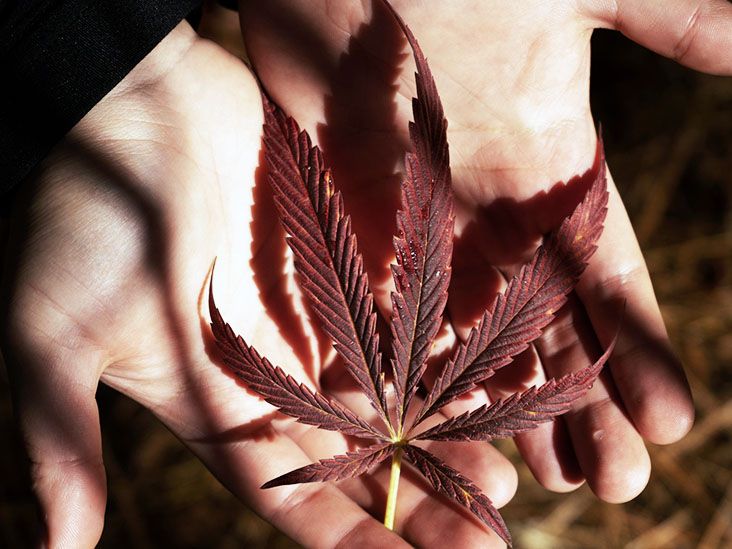
When people hear the words cannabis and cancer in the same sentence, the conversation usually gets noisy fast. Some people talk about marijuana like it is a miracle leaf with a superhero cape. Others treat it like a one-way ticket to bad decisions and snack crumbs. The truth, as usual, is less dramatic and much more useful.
Here is the real headline: cannabis is not a cure for cancer, and it should not replace standard oncology treatment. But a growing body of research suggests that marijuana and cannabinoid-based products may help some people with cancer manage pain, nausea, sleep problems, appetite loss, and treatment-related discomfort. That matters, because cancer pain is not just “ouch.” It can affect sleep, mood, movement, appetite, and the ability to get through treatment with some sense of normal life still intact.
A recent wave of surveys, clinical summaries, and cancer-care guidelines paints a nuanced picture. Many patients report meaningful relief, especially for pain and sleep. At the same time, the highest-quality evidence for cancer-specific pain relief is still limited, and the benefits can vary depending on the product, dose, ratio of THC to CBD, the type of pain involved, and the patient’s overall treatment plan. In other words, cannabis is not magic, but it is not nothing either.
What the study story really means
Articles about marijuana often use punchy headlines, and that is understandable. “Cannabis may help reduce pain in some cancer patients under specific clinical circumstances” is accurate, but it does not exactly sprint across the internet. Still, accuracy matters more than drama when people are dealing with serious illness.
Large cancer-center surveys have found that many patients use cannabis after diagnosis and often say it helps them feel better. Pain relief is one of the most commonly reported reasons for using it, right alongside better sleep, less nausea, and improved appetite. That patient-reported experience is important. It tells us cannabis is already part of real-world cancer care, whether clinicians are thrilled about it or not.
But patient reports are only one piece of the puzzle. They do not prove that cannabis works the same way for everyone, and they do not tell us which product, dose, or delivery method is best. That is where controlled trials come in. Some small studies of THC, THC:CBD sprays, and related cannabinoid products suggest improvement in cancer-related pain, particularly when opioids alone are not doing enough heavy lifting. Other studies are less convincing. So the most honest summary is this: the signal is promising, but the science is still catching up to the popularity.
How cannabis may help reduce cancer-related pain
Cancer pain is not all one thing. It can come from tumors pressing on organs or nerves, inflammation, bone involvement, surgery, chemotherapy-induced nerve damage, or treatments that leave the body feeling like it lost an argument with a truck. Because the sources of pain are different, the same treatment will not work equally well for every person.
THC, CBD, and the body’s pain system
Cannabis contains many compounds, but THC and CBD get most of the attention. THC is the compound associated with the “high,” but it is also the one more closely tied to pain relief, appetite stimulation, and anti-nausea effects. CBD is not intoxicating in the same way and is often used by people hoping for a calmer, less mind-altering option. In practice, some of the most interesting pain data comes from products that combine THC and CBD rather than relying on CBD alone.
Researchers believe cannabinoids influence pain pathways through the body’s endocannabinoid system, which helps regulate pain signaling, inflammation, mood, and sleep. That may explain why some patients do not just report “less pain,” but also describe pain as less overwhelming, less sharp, or less disruptive at night. And with cancer care, that distinction is huge. Sometimes the goal is not to erase every ache. It is to make the pain quiet enough that a person can sleep, eat dinner, take a walk, or sit through a movie without glaring at the furniture.
It may be especially relevant for nerve pain
One reason cannabis stays in the cancer conversation is neuropathic pain. That is the tingling, burning, stabbing, electric kind of pain that can show up after certain chemotherapies or when nerves are affected by the disease itself. Neuropathic pain can be stubborn. It does not always respond beautifully to traditional painkillers, which is why clinicians and patients keep looking for add-on options.
Some evidence suggests cannabinoids may be more helpful for nerve-related pain than for every kind of pain under the sun. That does not make cannabis a universal answer, but it does explain why some patients swear it made a real difference while others shrug and say it mostly made them sleepy and interested in crackers.
What the research says about marijuana and cancer pain
The research landscape is a mixed bag, but not a random one. Small clinical trials have found that oral THC and THC:CBD mouth sprays can reduce pain in some patients with advanced cancer, especially when strong opioids alone are not providing enough relief. Other studies suggest that adding cannabis earlier rather than later may help stabilize pain control and, in some cases, reduce the need for escalating opioid doses.
That said, professional oncology guidance is careful for a reason. The best evidence in adults with cancer is strongest for chemotherapy-induced nausea and vomiting that has not responded well enough to standard anti-nausea medications. The evidence for pain relief is encouraging, but it is not yet strong enough for experts to recommend cannabis broadly as a standard pain treatment for every patient with cancer.
That may sound disappointing, but it is actually a useful distinction. “Not universally recommended” does not mean “useless.” It means that cannabis may fit best as a personalized supportive-care tool rather than a default first-line solution.
Why the evidence is still limited
Studying cannabis is harder than it sounds. Products vary wildly. One gummy is not another gummy. One vape cartridge is not another vape cartridge. One oil may have a different THC:CBD ratio, purity level, terpene profile, or dosing consistency than the next. Researchers also have to deal with legal barriers, product standardization issues, and the fact that patients with cancer are not one neat, identical group. Different cancers, different treatments, different pain patterns, different medication stacks.
So when you read that “studies are mixed,” it does not automatically mean cannabis does not work. Sometimes it means science is trying to measure a moving target wearing six different labels.
Other cancer-related symptoms cannabis may help with
Pain is a major reason people explore medical marijuana, but it is rarely the only one. In the real world, patients often say cannabis helps because it tackles several miserable symptoms at once.
Nausea and vomiting
This is where cannabinoids have their strongest oncology footing. Synthetic cannabinoid medications such as dronabinol and nabilone have FDA approval for chemotherapy-related nausea and vomiting in patients who have not responded adequately to standard antiemetics. That does not mean every dispensary product is backed the same way, but it does show that cannabinoids have a legitimate place in symptom management.
Sleep problems
Anyone who has dealt with chronic pain knows sleep can become the first casualty. Some patients report that cannabis does not erase pain so much as make it less disruptive, which helps them fall asleep and stay asleep. And once sleep improves, everything else may feel a little less terrible. That is not a scientific term, but it is an honest one.
Appetite and general comfort
Cancer and its treatments can flatten appetite in a hurry. While cannabis is not the most reliable appetite intervention in every clinical setting, many patients do report eating more comfortably when nausea settles and food stops tasting like cardboard with emotional baggage.
The risks are real, and they matter
It would be irresponsible to write a cheerful article about cannabis and skip the part where things can go sideways. Marijuana may help some people, but it can also cause problems, especially in cancer care where patients may already be exhausted, immunocompromised, dizzy, or taking multiple medications.
Common side effects include sleepiness, dizziness, dry mouth, slower reaction time, impaired concentration, mood changes, memory problems, and poor balance. For someone already dealing with fatigue, brain fog, or frailty, that can be a lousy combination. Add stairs, a walker, or a midnight trip to the bathroom, and suddenly “natural remedy” is not sounding quite so innocent.
There are also concerns about product quality. Unregulated cannabis and CBD products may contain more or less THC than advertised, and some have been found with contaminants such as pesticides, heavy metals, mold, or other chemicals. For people undergoing cancer treatment, especially those with weakened immune systems, that is not a small issue.
Possible treatment interactions
Another reason oncologists want to know what patients are taking: cannabis may interact with other medicines or amplify side effects like sedation. There are also lingering concerns about whether cannabis could interfere with certain cancer treatments, including immunotherapy, in some patients. The evidence is not final, but it is serious enough that this should be a doctor conversation, not a “my cousin’s neighbor said it worked great” conversation.
How patients should approach cannabis during cancer care
If you are considering cannabis for cancer pain, the smartest first step is not the dispensary. It is your oncology team. That may sound less exciting, but it is far more useful.
Your care team can help figure out whether your pain is inflammatory, neuropathic, bone-related, treatment-related, or caused by something else entirely. That matters, because the best pain strategy depends on the source of the pain. They can also review your medications, flag possible interactions, and help you think through whether a THC-dominant, CBD-dominant, or balanced product makes sense at all.
It is also wise to start low and go slow if your doctor agrees that cannabis is reasonable for you. Edibles may take longer to kick in and can last longer than people expect. Inhaled products act faster but may irritate the lungs. Oils, capsules, sprays, and topicals each come with their own trade-offs. There is no one-size-fits-all version of “medical marijuana,” which is exactly why careful guidance matters.
Questions worth asking your cancer team
Ask what kind of pain you are treating. Ask whether cannabis might interfere with your treatment or other medicines. Ask what side effects should be a red flag. Ask whether the goal is better sleep, lower pain, less nausea, fewer opioids, or all of the above. The more specific the goal, the easier it is to judge whether the experiment is actually helping.
Experiences patients and caregivers often describe
One reason cannabis keeps showing up in cancer conversations is that patient experiences can feel surprisingly personal and surprisingly practical. Many people do not describe marijuana as a miracle. They describe it as the thing that made the evening manageable. The thing that helped them eat half a sandwich. The thing that turned pain from a blaring alarm into background static.
A common story goes like this: a patient starts with standard pain medication, but the relief is incomplete or the side effects are rough. They are sleepy, constipated, foggy, or still in pain anyway. Then cannabis enters the conversation, often after a friend, relative, or support group mentions it. At first there is hesitation. Some patients worry about feeling “out of it.” Others worry about legality, stigma, or seeming irresponsible during treatment. Quite a few people associate marijuana with college experiments, not oncology clinics. Cancer has a way of rewriting those categories.
For some, the first benefit is not pain relief in the dramatic movie-trailer sense. It is sleep. They finally rest for five or six hours without waking up every time they roll onto a sore hip or feel pins and needles in their hands and feet. Once sleep improves, pain feels less vicious the next day. Mood improves a little. Appetite improves a little. Energy creeps back. The overall experience becomes more bearable even if the pain score on paper has not performed a miracle.
Others describe cannabis as helpful during certain parts of the day but not others. A person may find a small evening dose useful but dislike the mental fog during daylight hours. A caregiver may say, “It helped with dinner and bedtime, but not with mornings.” That kind of partial benefit still counts. In cancer care, perfect is rare. Functional is often the win.
Some people prefer products with both THC and CBD because they feel the balance gives them symptom relief without knocking them flat. Others find THC makes them anxious or woozy and prefer to avoid it. Some do better with oral oils or capsules because the dose feels more predictable. Others dislike the delayed onset of edibles and find that frustrating. There is often a learning curve, and not always a pleasant one.
Caregivers also notice things patients may not say out loud. They see whether someone is moving more easily, eating more consistently, or talking with less strain in their face. They also notice when cannabis is a poor fit: more confusion, more unsteadiness, too much sedation, or just a vague sense that the trade-off is not worth it. That is why real-world experience cuts both ways. Positive stories exist, but so do disappointing ones.
Perhaps the most honest takeaway from patient experience is this: cannabis is often valued not because it fixes everything, but because it may soften several symptoms at once. Pain, sleep, nausea, anxiety, appetite, and general misery tend to travel as a group. If one therapy eases even two or three of those, it can feel meaningful. Not glamorous. Not magical. Just meaningful. And in cancer care, meaningful can be a very big deal.
Final thoughts
So, can marijuana help reduce pain in people with cancer? For some patients, yes. The available evidence and real-world reports suggest cannabis and cannabinoids may relieve certain types of cancer-related pain, especially as part of a broader symptom-management plan. The case is strongest when pain overlaps with nausea, sleep disruption, appetite loss, or neuropathic symptoms. But the research is still evolving, the products are not interchangeable, and the risks deserve the same respect as the potential benefits.
The best way to think about cannabis in cancer care is not as a miracle cure or a fringe fantasy. It is a supportive-care option that may help the right patient in the right context with the right supervision. That is a less flashy message, sure. But it is also the one most likely to help real people make smarter decisions.