

Note: This article is for general educational purposes and should not replace advice from a licensed healthcare professional.
There are few small betrayals more dramatic than waking up with a mysterious bump on your lip. Yesterday, your face was minding its own business. Today, your mouth has filed a tiny complaint with management. The big question: is it a cold sore or a lip pimple?
At first glance, the two can look annoyingly similar. Both may appear near the mouth. Both may be red, tender, and socially inconvenient. Both may show up right before a date, school photo, job interview, wedding, or any other moment when your skin apparently checks your calendar and chooses chaos.
But a cold sore and a lip pimple are not the same thing. They have different causes, different symptoms, different treatments, and very different rules for touching, covering, and preventing them. A cold sore is usually caused by the herpes simplex virus, most often HSV-1, and it can be contagious. A lip pimple is a type of acne caused by clogged pores, oil, dead skin cells, and inflammation. It is not contagious, though it can still be deeply annoying.
This guide breaks down the difference between a cold sore and a lip pimple, how to identify each one, what treatment options usually help, when to see a doctor, and how to avoid making things worse. Because when it comes to lip bumps, guessing is not a strategy. It is just skincare roulette with extra anxiety.
Cold Sore vs. Lip Pimple: The Quick Difference
The simplest way to compare them is this: a cold sore is a viral blister, while a lip pimple is an inflamed clogged pore.
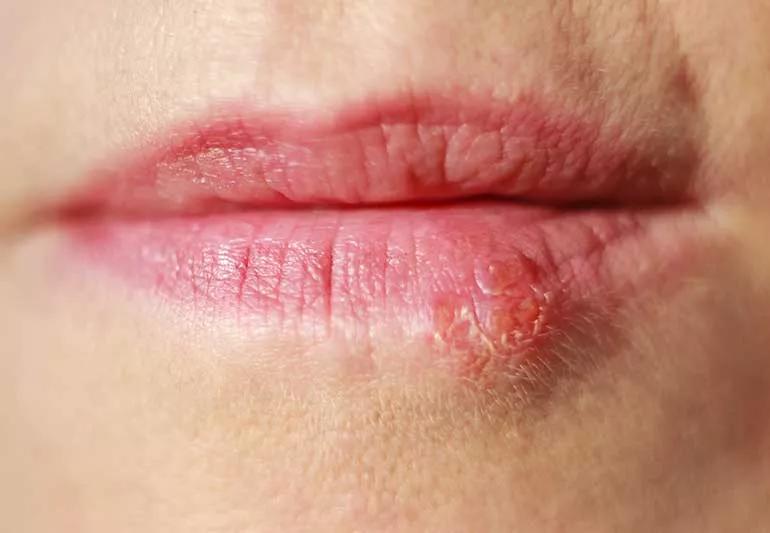
A cold sore usually appears as a small cluster of fluid-filled blisters on or around the lips. It may start with tingling, itching, burning, or tightness before anything visible appears. Over several days, the blisters may break, crust, scab, and heal.
A lip pimple usually appears as a single red bump near the lip line, not directly on the soft pink part of the lip. It may develop a whitehead or feel sore when pressed. It does not usually tingle before it appears, and it does not typically form a cluster of clear blisters.
Fast Comparison Table
| Feature | Cold Sore | Lip Pimple |
|---|---|---|
| Main cause | Herpes simplex virus, usually HSV-1 | Clogged pore, oil, dead skin cells, bacteria, and inflammation |
| Appearance | Cluster of small fluid-filled blisters | Single red bump, whitehead, blackhead, or inflamed acne spot |
| Location | On or around the lips, sometimes near the mouth | Usually around the lip border where pores and hair follicles exist |
| Early feeling | Tingling, burning, itching, or stinging | Tenderness or pressure, usually no tingling stage |
| Contagious? | Yes, especially during an active outbreak | No |
| Typical treatment | Antiviral creams or prescription antiviral medication | Gentle acne care, salicylic acid, benzoyl peroxide, or dermatologist guidance |
What Is a Cold Sore?
A cold sore, also called a fever blister, is a small blister or group of blisters caused by the herpes simplex virus. Most oral cold sores are linked to HSV-1, although HSV-2 can also affect the mouth in some cases.
Once the virus enters the body, it can remain there quietly. Think of it like an unwanted houseguest who disappears into the guest room for months and then suddenly walks into the kitchen asking for snacks. The virus may reactivate later, causing another outbreak.
Common cold sore triggers may include stress, fever, illness, sun exposure, wind, fatigue, hormonal changes, or a weakened immune system. Not everyone has obvious triggers, though. Some cold sores seem to arrive with the emotional subtlety of a surprise mariachi band.
Common Cold Sore Symptoms
A cold sore often follows a recognizable pattern:
- Prodrome stage: Tingling, burning, itching, tightness, or soreness before the blister appears.
- Blister stage: Small fluid-filled blisters form, often in a cluster.
- Open sore stage: Blisters may break open and release fluid.
- Crusting stage: The sore dries, crusts, and forms a scab.
- Healing stage: The scab flakes off and the skin gradually returns to normal.
Cold sores often heal on their own, but they can be uncomfortable. They may feel painful, itchy, tight, or sensitive, especially when eating acidic foods, smiling, talking, or accidentally stretching the lip. Yes, even soup can become suspicious during a cold sore outbreak.
What Is a Lip Pimple?
A lip pimple is acne that develops near the mouth, usually along the lip line rather than directly on the lip itself. Pimples form when pores or hair follicles become clogged with excess oil, dead skin cells, and sometimes bacteria. This leads to inflammation, redness, swelling, and sometimes a whitehead.
Lip pimples may be triggered by oily lip balms, heavy cosmetics, sweat, friction, touching the face, hormonal changes, certain skincare products, or not removing makeup properly. Even a phone, musical instrument, face mask, or reusable water bottle can irritate the area around the mouth if it is not cleaned regularly.
Unlike cold sores, pimples are not caused by a virus and are not contagious. You cannot spread acne to another person by kissing, sharing a drink, or borrowing a spoon. Your pimple may be rude, but it is not infectious.
Common Lip Pimple Symptoms
A lip pimple may appear as:
- A red bump near the lip line
- A whitehead with a visible center
- A blackhead near the mouth
- A tender inflamed spot under the skin
- A small pustule that feels sore when touched
A pimple usually does not go through the blister-crust-scab cycle typical of cold sores. It may become more swollen for a day or two, then gradually shrink. If squeezed, however, it may become more inflamed, irritated, or infected. In other words, popping it often turns a small problem into a tiny facial soap opera.
How to Tell If It Is a Cold Sore or a Lip Pimple
The best clue is usually the combination of location, sensation, appearance, and behavior over time.
1. Check the Location
Cold sores often appear directly on the lip, at the edge of the lip, or just around the mouth. Lip pimples usually appear on skin with pores and hair follicles, often right outside the lip border. The soft pink part of the lip does not have the same type of oil glands and hair follicles as regular facial skin, so a true pimple directly on that part is less likely.
2. Pay Attention to the First Feeling
Cold sores often announce themselves before they arrive. Many people feel tingling, burning, itching, or stinging in the area before a blister appears. A lip pimple usually begins as tenderness, pressure, or a sore bump without that classic tingling warning.
3. Look at the Shape
A cold sore often appears as multiple tiny blisters grouped together. A lip pimple is more likely to be one raised bump, sometimes with a white or yellow center. If it looks like a little bubble cluster, cold sore moves higher on the suspect list.
4. Watch How It Changes
Cold sores tend to evolve through stages: tingling, blistering, oozing, crusting, and healing. Pimples tend to swell, form a head or stay under the skin, then slowly fade. If the spot changes from blister to crust, it is probably not a typical pimple.
5. Consider Whether It Keeps Coming Back
Cold sores often recur in the same general area. If you get a similar tingling blister on the same part of your lip during stress, illness, or sun exposure, it may be recurrent oral herpes. Pimples may also recur around the mouth, but they are more tied to acne patterns, skincare products, hormones, or friction.
Is a Cold Sore Contagious?
Yes. A cold sore can spread through close contact, especially when blisters or sores are present. The virus can pass through kissing, sharing lip balm, sharing utensils, or touching the sore and then touching another area. Because HSV can sometimes spread even without obvious sores, prevention matters most during active symptoms but should not be ignored between outbreaks.
During a cold sore outbreak, avoid kissing, oral contact, sharing drinks, sharing lip products, and touching the sore. Wash your hands after applying medication or touching the area. Also avoid picking at the scab, unless your goal is to annoy your immune system and extend the drama.
Is a Lip Pimple Contagious?
No. A lip pimple is not contagious. It comes from clogged pores and inflammation, not a virus. You do not need to avoid sharing food because of acne, and you do not need antiviral treatment for a pimple.
That said, you should still avoid squeezing it. The skin around the lips is sensitive, and aggressive popping can lead to more swelling, irritation, scabbing, discoloration, or scarring. A pimple patch may help protect a pimple near the mouth, as long as it is not placed directly on the wet inner lip area.
Cold Sore Treatment Options
Cold sores often heal on their own, but treatment may help reduce discomfort and shorten the outbreak, especially when started early. Over-the-counter docosanol cream may help when applied at the first sign of symptoms. Prescription antiviral medications such as acyclovir, valacyclovir, or famciclovir may be recommended for severe, frequent, or early-stage outbreaks.
Supportive care can also help. A cool compress may reduce discomfort. Petroleum jelly may protect cracking skin. Pain relief products may help, but they should be used carefully and according to label directions. Avoid harsh exfoliants, alcohol-based products, and random internet “hacks” that sound like they were invented by someone with a lemon, a toothbrush, and no supervision.
When to Ask a Doctor About Cold Sores
Consider medical care if the sore lasts longer than two weeks, spreads near the eye, happens very often, is extremely painful, occurs in someone with eczema or a weakened immune system, or appears in a newborn or very young child. Eye involvement is especially important because herpes infections near the eye need prompt medical evaluation.
Lip Pimple Treatment Options
Lip pimples usually respond to gentle acne care. Wash the area with a mild cleanser, avoid heavy or greasy lip products, and use non-comedogenic skincare when possible. For acne-prone skin around the mouth, ingredients such as salicylic acid or benzoyl peroxide may help, but they should be used carefully near the lips because the area can dry out quickly.
Do not apply strong acne treatments directly onto the inner lip or the moist surface of the lip. Keep products on the surrounding skin. If a pimple is deep, painful, recurring, or not improving, a dermatologist can help identify whether it is acne, irritation, perioral dermatitis, an infection, or another skin condition.
What Not to Do With a Lip Pimple
- Do not squeeze it aggressively.
- Do not scrub it with harsh exfoliants.
- Do not apply toothpaste as a “treatment.”
- Do not use multiple strong acne products at once.
- Do not assume every bump near the lip is acne.
Toothpaste belongs on teeth, not as a skincare consultant. It can irritate the skin and make the area look angrier than it did before.
Prevention: How to Reduce Cold Sores and Lip Pimples
How to Help Prevent Cold Sore Outbreaks
If you know your triggers, prevention becomes easier. Use lip balm with SPF if sunlight tends to trigger outbreaks. Manage stress where possible. Get enough sleep. Avoid sharing lip products. Start treatment early when tingling begins. If you get frequent cold sores, ask a healthcare professional whether daily antiviral medication is appropriate.
How to Help Prevent Lip Pimples
For lip pimples, prevention is mostly about reducing clogged pores and irritation. Remove makeup before bed, clean around the mouth after sweating, avoid oily lip balms if they trigger breakouts, wash reusable bottles and phone screens, and use skincare labeled non-comedogenic. If breakouts cluster around the mouth, review toothpaste, lip products, sunscreen, and cosmetics as possible irritants.
Common Myths About Cold Sores and Lip Pimples
Myth 1: Cold Sores Are Caused by Colds
Cold sores are caused by the herpes simplex virus, not by the common cold. However, illness or fever can trigger an outbreak, which is why people may associate the two.
Myth 2: A Whitehead Means It Cannot Be a Cold Sore
Usually, a whitehead points toward acne. But early lesions can be confusing. If the bump starts with tingling and becomes a blister cluster, treat it cautiously as a possible cold sore until you know.
Myth 3: Popping Helps It Heal Faster
Popping rarely improves the situation. It can worsen inflammation, push debris deeper, cause scabbing, and increase the risk of marks or scars. Your fingers are not tiny dermatologists wearing lab coats.
Myth 4: Cold Sores Mean Someone Did Something Wrong
Cold sores are common. Many people are exposed to HSV-1 in childhood. Having cold sores is not a character flaw, a hygiene failure, or a reason to panic. It simply means you need the right care and prevention habits.
Examples: Cold Sore or Lip Pimple?
Example 1: The Tingling Cluster
You feel burning on the edge of your upper lip. The next day, several tiny blisters appear together. Two days later, they crust. This sounds more like a cold sore.
Example 2: The Single Whitehead
You notice one sore red bump just above your lip after using a heavy new lip balm. It develops a whitehead but no tingling or blister cluster. This sounds more like a lip pimple.
Example 3: The Confusing Bump
You have one tender bump at the lip border, but you are not sure whether it is a blister or a pimple. In this case, avoid touching, kissing, or sharing lip products until it becomes clearer. If it worsens, spreads, or keeps returning, ask a healthcare professional.
Real-Life Experiences: What People Often Notice
One of the most common experiences with a cold sore is the “uh-oh tingle.” People who get recurrent cold sores often describe a strange warning sensation before anything is visible. It may feel like a tiny electrical buzz, warmth, tightness, or itch in the same place as previous outbreaks. At that stage, the mirror may show nothing dramatic, which is deeply unfair. Your lip feels like it knows a secret, but it refuses to provide documentation.
Many people learn that timing matters. A cold sore may appear after a stressful week, a fever, a day in strong sun, or a stretch of poor sleep. Someone might say, “Every time finals week hits, my lip tries to join the conversation.” Another person may notice outbreaks after beach trips, especially if they forgot SPF lip balm. These patterns do not prove the diagnosis by themselves, but they can help someone recognize a recurring cold sore cycle.
With lip pimples, the experience is often more mechanical. A person may notice a bump after using a thick lip mask, wearing makeup around the mouth, sweating under a mask, or resting their chin on their hand. The bump may feel like a classic pimple: pressure, soreness, and a tempting whitehead. The temptation to pop it can be powerful. Unfortunately, the lip area is dramatic real estate. A small squeeze can turn one bump into swelling, redness, and regret.
Another common difference is how people react socially. With a suspected cold sore, people often worry about spreading it. That concern is reasonable because cold sores can be contagious. Many choose to avoid kissing, sharing drinks, or using shared lip products until the area heals. With a lip pimple, the worry is usually appearance rather than contagion. You can still feel self-conscious, but you do not have to treat it like a viral outbreak.
Some people also describe “mistake memories.” They once treated a cold sore like a pimple, squeezed it, and made it more irritated. Others treated a pimple like a cold sore and spent days nervously applying the wrong product. The lesson is not to panic; it is to observe. Does it tingle first? Is it a cluster? Is it on the lip itself? Does it crust? Has it appeared in the same place before? These clues are more useful than staring at it from three inches away under bathroom lighting, although yes, almost everyone does that.
The most practical experience-based advice is simple: when uncertain, be gentle and cautious. Do not pick. Do not share lip products. Do not layer five treatments like you are building a skincare lasagna. Use mild care, watch the pattern, and get professional help if it is severe, recurring, near the eye, or not healing. A small lip bump is usually manageable, but the right identification saves time, stress, and possibly a very awkward conversation with your reflection.
Conclusion
The difference between a cold sore and a lip pimple comes down to cause, appearance, sensation, and contagiousness. A cold sore is usually a viral blister caused by HSV, often begins with tingling or burning, may appear as a cluster, and can spread through close contact. A lip pimple is acne near the mouth, usually caused by a clogged pore, and is not contagious.
If the bump tingles, forms clear blisters, crusts, or keeps returning in the same spot, think cold sore. If it is a single red bump with a whitehead near the lip line and no tingling stage, think pimple. Either way, skip the picking, use the right treatment, and ask a healthcare professional if the spot is painful, persistent, frequent, spreading, or confusing.
Your lip does not need a detective agency every time a bump appears. But a little observation, a little caution, and the right care can keep one tiny spot from turning into a full facial press conference.