

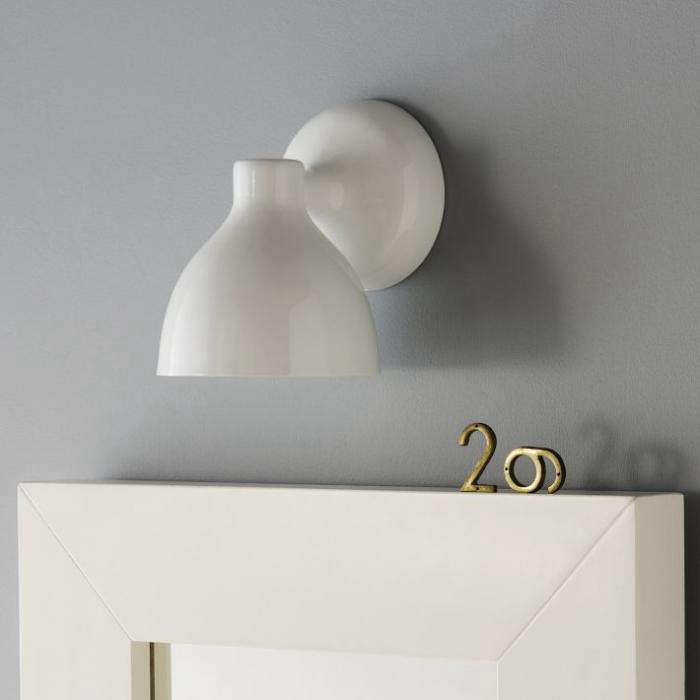
The Contour Single Sconce is one of those small design details that can quietly rescue a room from looking “almost finished.” You know the feeling: the paint is right, the mirror is hung, the console table is styled, and yet something still feels like the room forgot to put on earrings. A well-chosen wall sconce fixes that. It adds light, shape, shadow, and a little architectural confidence without demanding the floor space of a lamp or the drama of a chandelier.
In today’s interiors, single sconces are doing serious work. They frame bathroom mirrors, soften hallways, brighten reading corners, highlight artwork, and make entryways feel intentionally designed instead of accidentally illuminated by one lonely ceiling bulb. The Contour Single Sconce fits beautifully into that conversation because it leans modern, clean, and sculptural while still being practical enough for everyday use.
Depending on the retailer or collection, “Contour” may refer to a streamlined powder-coated steel sconce, a modern glass-shade fixture, or a single-light wall sconce with a crisp architectural profile. The common thread is the same: a shaped, refined wall light that brings form and function together. This guide explains what makes the Contour Single Sconce appealing, where it works best, what to check before buying, and how to style it so your wall looks thoughtfully litnot like it is auditioning for an interrogation room.
What Is a Contour Single Sconce?
A single sconce is a wall-mounted light fixture with one main light source. The word “Contour” usually suggests a design with a shaped profile, curved lamp head, rounded shade, sculptural arm, or visually defined silhouette. In other words, it is not just a bulb stuck to a wall and told to behave. It is meant to contribute to the look of the room even when the light is off.
Some Contour-style sconces are made from powder-coated steel with a clean lamp head and compact form. Others include metal bodies with milk glass, spherical glass shades, or candelabra-style lamping. Finishes may include glossy white, matte black, polished nickel, antique brass, chrome, or similar modern metals. These finishes matter because a sconce sits at eye level, where every detail is easier to notice.
The best version for your home depends on the room. A glossy white or matte black sconce can feel crisp and graphic in a bathroom or hallway. A brass finish warms up a bedroom or reading nook. A polished nickel or chrome fixture gives a bathroom that clean, reflective, hotel-like shineminus the tiny shampoo bottles you are tempted to steal.
Why the Contour Single Sconce Works in Modern Homes
The appeal of the Contour Single Sconce comes from its balance. It is decorative, but not fussy. It is functional, but not boring. It can work as accent lighting, task lighting, or mood lighting depending on the bulb, placement, and surrounding decor.
It Saves Space
Wall sconces are ideal when floor or tabletop space is limited. In a narrow hallway, a tiny powder room, a small bedroom, or a compact entryway, every inch counts. A sconce gives you lighting without requiring a side table, floor lamp, or bulky shade. This is especially helpful in apartments, guest baths, and tight corners where a lamp would look like it was squeezed in against its will.
It Adds Layered Lighting
Good rooms rarely rely on one light source. Overhead lighting can be useful, but by itself it often feels flat or harsh. A wall sconce adds a second layer of illumination. It brings light closer to eye level, which makes a space feel warmer and more dimensional. In bathrooms, hallways, and bedrooms, that softer side lighting can make the room more comfortable and flattering.
It Doubles as Wall Decor
A Contour Single Sconce is not just a light; it is a design object. The shape, finish, shade material, and mounting plate all become part of the wall composition. Used correctly, it can replace a small piece of art, balance a mirror, or create a visual punctuation mark beside a bed, doorway, or shelf.
Best Places to Use a Contour Single Sconce
The beauty of a single sconce is its flexibility. You can use one as a standalone feature or install several in a repeating pattern. Here are the strongest places to use a Contour wall sconce.
Bathroom Vanity
A single sconce can work beautifully beside a vanity mirror, especially in small bathrooms or powder rooms. If the mirror is narrow, one sconce mounted on one side can add charm and useful light. For a larger vanity, a pair of sconces on both sides of the mirror usually gives better balance and more even facial lighting.
For bathroom use, always check whether the fixture is rated for damp locations. A damp-rated sconce is designed for moisture-prone spaces such as bathrooms, covered porches, or areas with condensation, but it should not be placed where water directly hits it. In practical terms, that means “near a vanity” may be fine, while “inside the shower” is a hard no unless the fixture is specifically wet-rated.
Hallway or Corridor
Hallways are often treated like design leftovers, which is unfair because they are the little runways of the home. A row of single sconces can turn a plain corridor into a warm, polished passage. For even lighting, many designers recommend spacing sconces several feet apart and mounting them around eye level so they guide movement without glaring into your face.
Bedroom Reading Light
Mounted beside a bed, a Contour Single Sconce can replace a bedside lamp and free up nightstand space. This is excellent for smaller bedrooms, guest rooms, and minimalist interiors. Choose a dimmable fixture or pair it with a compatible dimmer if you want soft evening light. A warm bulb temperature will help the room feel cozy instead of clinical.
Entryway Accent
An entryway sconce creates a welcoming glow before guests even take off their shoes. Install one beside a console table, near a mirror, or close to the front door if the location is appropriate for the fixture’s rating. A black, brass, or polished nickel finish can connect the light to nearby hardware, picture frames, or furniture legs.
Living Room Feature Wall
In a living room, a single sconce can highlight a bookshelf, artwork, fireplace wall, or reading chair. It helps create atmosphere and breaks up large blank walls. If your living room has too much overhead lighting and not enough mood, sconces are the grown-up answer. They say, “I have ambience,” without making a speech about it.
Design Details to Consider Before Buying
Before choosing a Contour Single Sconce, look beyond the pretty product photo. Lighting is one of those categories where small technical details matter. A gorgeous fixture is less charming if it does not fit the junction box, takes the wrong bulb, or sticks out too far into a narrow walkway.
Size and Projection
Check the height, width, depth, and extension from the wall. Compact sconces may measure around 6 to 8 inches wide and project several inches from the wall, while taller versions can reach 15 inches, 20 inches, or more depending on the collection. Projection is especially important in hallways, staircases, and tight bathrooms. You want the fixture to look sculptural, not like a wall-mounted obstacle course.
Material and Finish
Powder-coated steel is popular for modern sconces because it is durable, smooth, and visually clean. Glass shades, especially milk glass or frosted glass, help diffuse light. Brass and nickel finishes can change the mood dramatically: brass feels warmer and more traditional-modern, while nickel and chrome feel crisp and contemporary. Matte black is bold, graphic, and easy to coordinate with black hardware or window frames.
Bulb Type and Brightness
Some Contour sconces use candelabra bulbs, some use G9 bulbs, and others may include integrated LED lighting. Always verify the socket type, wattage limit, and whether the bulb is included. If the fixture is dimmable, confirm that your bulb and wall dimmer are compatible. A dimmable sconce is especially useful in bedrooms, bathrooms, and living spaces where you want both practical light and mood lighting.
Color Temperature
For most residential spaces, warm white light in the 2700K to 3000K range is a safe and flattering choice. It creates a comfortable glow without turning your bathroom into a blue-white spaceship. For vanities, warm but clear lighting helps skin tones look natural. For hallways and bedrooms, warm light makes the home feel relaxed and welcoming.
Hardwired vs. Plug-In
Many Contour Single Sconces are hardwired, meaning they connect directly to an electrical junction box. This gives the cleanest look because there is no visible cord. However, hardwired installation usually requires a licensed electrician, especially if you need a new box installed. Plug-in sconces are easier for renters or quick updates, but they may not offer the same polished built-in appearance.
How High Should You Install a Contour Single Sconce?
A common rule for wall sconces is to mount the center of the fixture roughly 60 to 72 inches from the finished floor. This places the light near average eye level and helps reduce glare. However, the best height depends on the room, the fixture shape, ceiling height, and what the sconce is meant to light.
In a hallway, aim for a comfortable eye-level placement and keep the fixture from projecting too far into the walking path. In a bathroom, side sconces often work best around face level, typically flanking the mirror. Beside a bed, the height should relate to the mattress and the reader’s seated position, not just a generic measurement from the floor.
Here is the practical test: stand where you will use the light. If the bulb shines directly into your eyes, adjust the placement or choose a fixture with better diffusion. Lighting should make you feel attractive and capable, not like you are being questioned by detectives in a stylish precinct.
How to Style the Contour Single Sconce
The right styling makes a sconce feel intentional. The wrong styling can make it look like a random fixture was installed during a renovation fever dream. Use these ideas to bring out the best in a Contour Single Sconce.
Match It With Existing Hardware
If your bathroom faucet is polished nickel, a polished nickel sconce can create a cohesive look. If your door handles are matte black, a black sconce can echo that detail. Matching every finish is not required, but repeating a finish at least twice in a room helps the design feel connected.
Use Contrast on the Wall
A white sconce on a dark painted wall looks crisp and gallery-like. A black sconce on a white wall feels graphic and modern. Brass against deep green, navy, cream, or warm gray can feel rich and inviting. If the sconce has a sculptural shape, contrast helps the silhouette stand out.
Pair It With a Mirror
One of the easiest ways to style a single sconce is beside or above a mirror. The mirror reflects light and visually doubles the effect. This works especially well in powder rooms, entryways, and bedrooms. Just be careful with placement so the reflection does not create glare.
Repeat It for Rhythm
One sconce can be a statement. Several can create rhythm. In a hallway, repeating the same Contour sconce down the wall gives structure and movement. In a long living room or dining area, two or three evenly spaced sconces can make the space feel tailored.
Pros and Cons of the Contour Single Sconce
Pros
The biggest advantage is visual impact in a small footprint. A Contour Single Sconce adds light and style without taking up floor or table space. It can work in bathrooms, hallways, bedrooms, entryways, and living rooms. Many designs are available in versatile finishes, and some are damp-rated, making them suitable for moisture-prone areas when installed correctly.
Another benefit is flexibility. Depending on the exact model, you may be able to use it as task lighting, accent lighting, or ambient lighting. A single sconce can also be more affordable than larger fixtures, especially when you only need one light to complete a small space.
Cons
The main downside is installation. Hardwired sconces may require professional help, which adds cost. Another issue is brightness: one small sconce may not be enough as the only light source in a larger room. You also need to pay attention to projection, bulb type, damp rating, and compatibility with dimmers.
Finally, product names can be confusing. Several retailers and brands may use “Contour” for different sconce designs. Before purchasing, confirm the exact dimensions, finish, socket type, rating, and return policy. The photo may be charming, but the spec sheet is where the truth puts on reading glasses.
Buying Checklist for a Contour Single Sconce
Before you click “add to cart,” use this quick checklist:
- Confirm the fixture dimensions and wall projection.
- Check whether it is hardwired or plug-in.
- Verify the bulb base, wattage limit, and whether the bulb is included.
- Look for damp or wet location ratings if using it in a bathroom or covered outdoor area.
- Make sure the finish coordinates with nearby hardware and decor.
- Confirm dimmer compatibility if you want adjustable brightness.
- Measure your wall, mirror, furniture, or hallway before installation.
Experience Notes: Living With a Contour Single Sconce
After using and styling single sconces in real spaces, one thing becomes clear: they have more personality than their size suggests. A Contour Single Sconce can change the feeling of a room faster than many larger decor pieces because light affects everything around it. Paint colors look softer, mirrors feel more intentional, corners become useful, and a hallway suddenly stops feeling like the neglected middle child of the floor plan.
In a bathroom, the experience is especially noticeable. A single sconce beside a mirror can make a powder room feel boutique-like, even if the room is small enough that turning around requires a minor negotiation with the towel ring. The key is bulb choice. A warm, diffused bulb creates a flattering glow, while a harsh bulb can make even beautiful tile look cold. When the sconce has a white, frosted, or milk-glass shade, the light feels gentler and more forgiving.
In a bedroom, a Contour Single Sconce works best when it is treated as part of the furniture plan. Mounting it beside the bed frees the nightstand from lamp duty, which is wonderful if your bedside table already holds books, a water glass, a phone charger, and the mysterious collection of tiny objects that appear after 10 p.m. A dimmable wall sconce makes bedtime reading easier and gives the room a calmer atmosphere. It also makes the bed area look custom, even when the rest of the room was assembled one online order at a time.
Hallways may be where this type of sconce delivers the biggest surprise. Most people do not expect much from a hallway. Add one or two thoughtfully placed sconces, and suddenly the space has depth. The wall texture shows. Artwork looks better. Guests feel guided through the home instead of sent down a dim tunnel. For narrow hallways, projection matters; a slimmer sconce keeps the lighting elegant without making people dodge it like an indoor tree branch.
One practical lesson is to plan the switch location early. A beautiful hardwired sconce loses some convenience if the switch is awkwardly placed across the room. For renovations, it is worth discussing switch height, dimmer type, and wiring with an electrician before the wall is closed. For renters or quick makeovers, a plug-in alternative may be easier, but a cord cover or careful cord management keeps the look clean.
Another experience-based tip: do not judge the sconce only in daylight. Lighting fixtures live two lives. In daylight, the shape and finish matter. At night, the glow, shadow pattern, and bulb warmth become the stars. Before committing to multiple sconces, test one bulb temperature and brightness level in the actual room if possible. A fixture that looks perfect online may feel too bright, too dim, or too cool once it meets your wall color.
The best Contour Single Sconce installations feel effortless because the fixture supports the room instead of shouting over it. It should look like it belongs near the mirror, beside the bed, along the hallway, or above the console table. When that happens, the sconce becomes more than a light. It becomes a finishing detailthe kind people notice without immediately knowing why the room feels so polished.
Conclusion
The Contour Single Sconce is a smart choice for anyone who wants lighting that feels modern, compact, and stylish without overwhelming the room. Its sculptural profile, practical wall-mounted design, and finish options make it useful in bathrooms, bedrooms, hallways, entryways, and living spaces. Whether you prefer glossy white, matte black, brass, nickel, glass, or steel, the secret is to choose the right size, bulb, rating, and installation height for your specific room.
A single sconce may seem like a small upgrade, but lighting has a sneaky way of changing everything. It can make a bathroom feel more flattering, a hallway more welcoming, a bedroom more relaxed, and an entryway more finished. Choose carefully, install thoughtfully, and your wall will thank you by looking significantly more expensive than it did yesterday.