

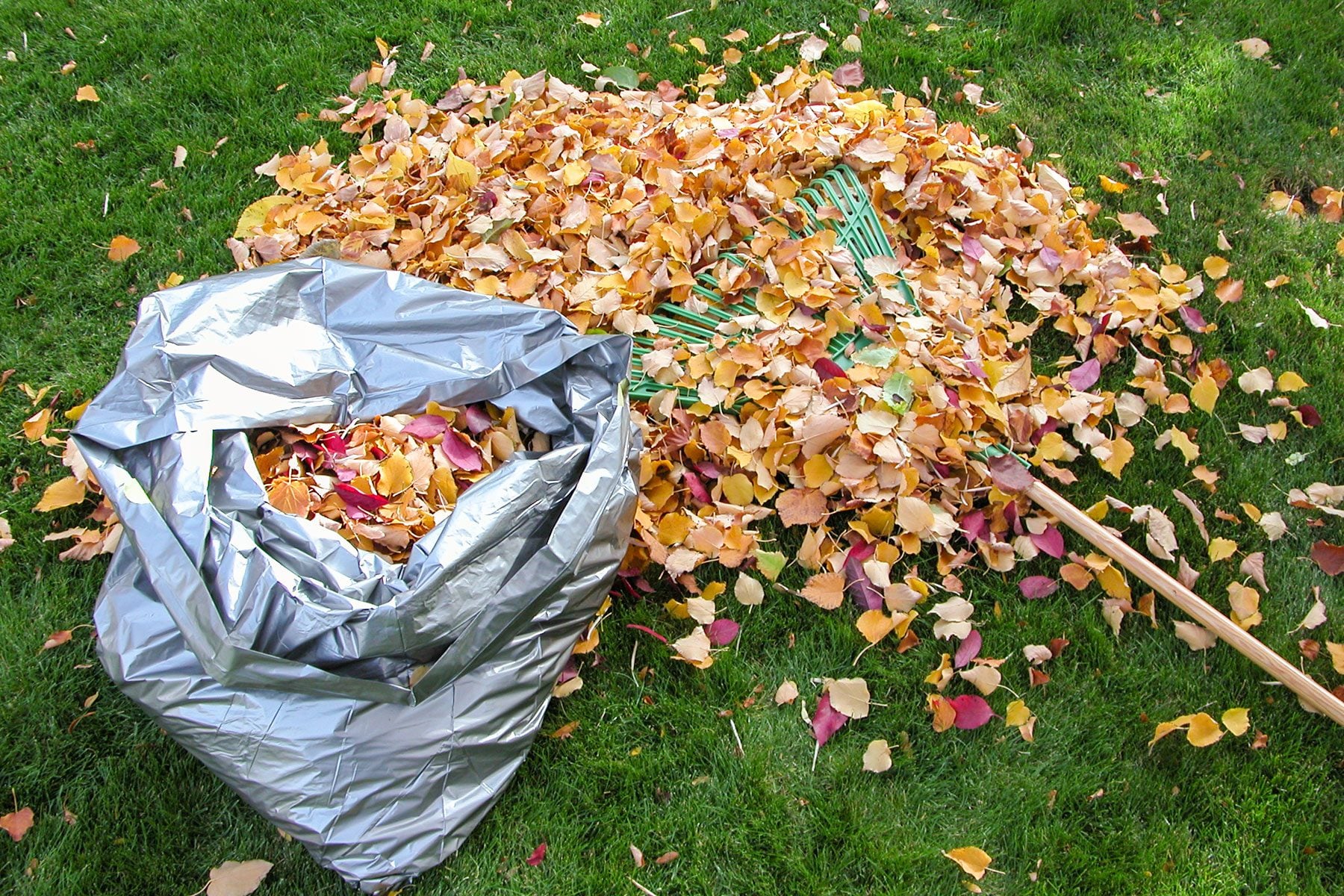
Every fall, homeowners across America begin the same seasonal ritual: step outside, admire the beautiful leaves for exactly twelve seconds, then realize those same leaves have formed a crunchy, ankle-deep quilt over the lawn, driveway, patio, and somehow the roof. The cleanup itself is not always the hardest part. Often, the most annoying step is bagging the leaves. The bag flops shut, the pile slides away, the wind gets involved like an uninvited intern, and suddenly a simple chore turns into a slapstick production.
That is why a simple leaf-bagging hack has gotten so much attention: rake or blow leaves onto a tarp first, then drag the tarp to your bagging area instead of trying to stuff loose leaves directly into a paper yard bag. It sounds almost too basic to qualify as a “hack,” but sometimes the smartest yard trick is just the one that saves your back, your patience, and a surprising amount of time.
So, could this hack make bagging leaves easier? Yes, absolutely. But the real answer is a little smarter than “grab a tarp and call it a day.” The tarp trick works best when you combine it with a few other practical strategies: bag only the leaves that truly need to leave the yard, shred them before collecting, use the right containers, and avoid turning your cleanup routine into an upper-body endurance event. In other words, the hack is good. A better system is even better.
What Is the Leaf-Bagging Hack?
The core idea is simple. Instead of raking leaves into a dozen little piles and wrestling each one into a yard-waste bag, you spread a large tarp on the ground, rake or blow the leaves onto it, and drag the loaded tarp to your compost pile, reusable container, or curbside bagging station. Think of it as turning your leaf pile into a portable package.
This works because the tarp solves several problems at once. First, it gives you a broad target, which means less leaf scatter and less repetitive stooping. Second, it lets you move a large volume in one trip rather than carrying armfuls like you are auditioning for a colonial farming reenactment. Third, it creates a more controlled transfer point when it is time to load paper bags or a marked yard-waste can.
On its own, the tarp trick is not magic. You still have to gather the leaves, and you still have to load them somewhere. But it cuts down on one of the worst parts of the job: chasing lightweight, bulky material around the yard while a flimsy bag tries to collapse on itself like it has given up on life.
Why the Tarp Method Works So Well
It Reduces Bending and Repetition
Bagging loose leaves usually involves endless small movements: rake, scoop, hold bag open, stuff, press down, repeat. The tarp method turns many of those small, awkward motions into fewer, larger, smoother ones. That matters. Yard work is tiring enough without adding unnecessary deadlift choreography.
It Keeps the Cleanup More Organized
Leaves have a special talent for escaping the exact place you want them to stay. A tarp creates boundaries. Your leaf pile becomes a contained load rather than a roaming cloud of organic confetti. If your yard has multiple zones, you can even work section by section and drag the tarp as you go.
It Helps When You Need to Move Leaves Farther
If your curb, compost area, or yard-waste cart is not right next to the leaf pile, the tarp becomes even more helpful. Instead of making repeated trips with a rake or overflowing scoops, you transport the pile in one controlled move. That makes the biggest difference on larger properties or on days when you would prefer not to make 37 unnecessary laps across the lawn.
Where the Hack Falls Short
Even a good trick has limits. A tarp loaded with wet leaves can get heavy fast. If the leaves are soggy, compacted, or mixed with sticks, acorns, and mud, dragging the tarp may feel less like a clever shortcut and more like towing a sleepy buffalo. The method also becomes clumsier in tight garden areas where shrubs, edging, and furniture keep snagging the tarp corners.
There is another issue: transporting leaves is not the same thing as reducing them. Whole leaves take up a lot of room, which means you may still burn through bags quickly if you skip the shredding step. That is why the smartest version of this hack is not just “use a tarp.” It is “use a tarp after you have made the leaves smaller.” That is where the real efficiency shows up.
The Smarter Upgrade: Shred Leaves Before You Bag Them
If you want bagging leaves to get noticeably easier, shrink the material first. Running over dry leaves with a mower, especially one with a bagging attachment, reduces bulk in a big way. The chopped leaves pack more neatly, fit into fewer bags, and are easier to use as mulch or compost later.
This step is the quiet hero of fall cleanup. Instead of wrestling with giant, airy leaves that fill a bag before they add much actual weight, you are dealing with smaller pieces that settle better. In many cases, that means fewer bags at the curb, fewer trips across the yard, and less frustration overall.
A practical routine looks like this: mow over the leaves once or twice, then collect them with the mower bagger or rake the chopped material onto a tarp. From there, transfer the shredded leaves into paper bags or a reusable yard-waste container. Suddenly, the entire job feels less like a seasonal punishment and more like a decent system.
Should You Even Be Bagging All Those Leaves?
Here is the question that can save the most time of all: do all of the leaves really need to be bagged? In many yards, the answer is no. A thin layer of shredded leaves can often stay right on the lawn. In garden beds, chopped leaves can work as mulch. In compost piles, they become a valuable carbon-rich ingredient. So before you bag everything in sight, it is worth deciding what should leave the property and what can actually improve it.
Mulch Them Into the Lawn
If the leaf layer is not too thick, mulching leaves into the lawn can be a smart move. Shredded leaves break down over time, add organic matter, and may even help with moisture retention and weed suppression. The key is moderation. If the lawn disappears completely under a dense mat of whole leaves, that is too much. But if you can still see grass through the chopped layer, you are usually in much better shape.
Use Them in Garden Beds
Shredded leaves are excellent around vegetable beds, shrubs, and flower borders. They act like a free mulch, helping protect bare soil, reducing weed growth, and gradually improving the soil as they decompose. That is a lot of value from something many people are paying to throw away. Mother Nature really does love a good recycling program.
Compost Them
Leaves are a classic “brown” ingredient in composting. On their own, they break down slowly, but when mixed with greener, nitrogen-rich materials like grass clippings or kitchen scraps, they become part of a balanced compost pile. Smaller pieces break down faster, so shredded leaves are especially useful here.
When Bagging Still Makes Sense
Of course, not every yard can absorb every leaf. If the volume is too high, if your lawn is smothered, if your city offers curbside yard-waste pickup, or if you are dealing with leaves in driveways, walkways, and drainage areas, bagging is still a practical option. It also makes sense when you simply have more material than your compost system or landscape beds can handle.
Bagging can also be the better choice when the leaves are mixed with debris you do not want in your compost or mulch, such as a heavy load of small twigs, seed pods, or street grime from curbside cleanup. And if you suspect plant disease or invasive pest issues, it is smart to follow local disposal guidance instead of assuming every leaf belongs in a backyard compost pile.
How to Make Bagging Leaves Easier in Real Life
1. Work When Leaves Are Dry
Dry leaves are lighter, fluffier, and easier to rake, shred, and transfer. Wet leaves clump together, get heavy fast, and are much harder on paper bags. If you can wait a day after rain, your future self will probably send a thank-you card.
2. Set Up a Bagging Station
Do not try to fill a floppy paper bag freehand in the middle of the yard. Put the bag in a stable spot and keep it open with a reusable container, a rigid yard can, or a simple bag holder. Even a makeshift support can help. The goal is to pour or scoop material into the bag, not perform a three-handed balancing act with only two hands.
3. Use the Tarp as a Funnel
Once the leaves are on the tarp, lift two corners and guide the material into the bag or container. This is especially effective with shredded leaves because they pour more easily than whole ones. It is basically a giant outdoor funnel, just with more acorns involved.
4. Do Not Overfill the Bags
Many cities have weight or size limits for yard-waste bags and containers. Overstuffing creates tears, awkward lifting, and a very annoying curbside surprise if your hauler rejects the load. Fill bags sensibly, fold or roll the top as your local rules require, and move on with dignity intact.
5. Check Local Collection Rules
Some municipalities want paper bags. Others allow reusable containers clearly marked for yard waste. Many do not want plastic bags at all. Some limit branch size, bag weight, or how early materials can go to the curb. In other words, local rules are not optional footnotes. They are the difference between “done” and “why are my bags still sitting there two days later?”
Mistakes That Make Leaf Bagging Harder
The biggest mistake is trying to bag every leaf in its full-size form. That is the long route. Another common mistake is raking or blowing leaves into the street or toward storm drains. Besides creating mess and possible drainage problems, it often violates local rules and shifts the problem from your yard to public infrastructure.
Another misstep is piling mulch or leaves too thickly around tree trunks and plant crowns. Shredded leaves are useful, but they still need to be applied thoughtfully. And finally, there is the classic error of waiting until the entire yard is buried before starting. Smaller cleanup rounds are usually easier than one dramatic weekend battle against Leaf Mountain.
A Better Fall Routine for Most Homeowners
If you want a practical system, here is the simplest one. First, mow over the lawn to shred what can stay in place. Second, rake or blow excess leaves onto a tarp. Third, decide where each batch goes: lawn, garden bed, compost pile, reusable container, or paper yard-waste bag. Fourth, keep the bagging station stable and close to your work zone so you are not carrying leaves all over the property.
This routine saves time because it separates the job into stages. You are not constantly switching tools or making decisions every five minutes. You are shredding, moving, sorting, and disposing with purpose. It is not glamorous, but neither is arguing with a paper bag on a windy afternoon.
So, Could This Hack Make Bagging Leaves Easier?
Yes, it really could. The tarp trick is simple, cheap, and genuinely useful, especially if you hate making repeated trips with loose leaves or trying to load bags from awkward little piles. But the best version of the hack is bigger than the tarp itself. It is the combination of moving leaves efficiently, shredding them first, bagging only what truly needs bagging, and using the rest to benefit your lawn or garden.
That is the part many homeowners miss. Easier leaf cleanup is not just about getting better at stuffing leaves into bags. It is about needing fewer bags in the first place. Once you start thinking that way, fall cleanup gets less wasteful, less exhausting, and a lot more manageable.
Practical Experiences Related to This Topic
In real-life yard work, the biggest difference people notice with this hack is not speed at first. It is frustration. A lot of homeowners go into fall cleanup thinking the job is mostly about raking. Then they discover the true villain is the bagging process: the bending, the collapsing bag, the leaves blowing back out, and the constant feeling that the pile somehow looks the same no matter how many armloads you move. When they switch to a tarp-first method, the work starts feeling more controlled. Instead of chasing leaves, they are managing them.
Another common experience is that people underestimate how much easier the job becomes when they shred leaves before collecting them. Whole leaves look harmless, but they are bulky little space hogs. The first time someone mows over a leaf-covered lawn and sees how much material fits into one mower bag or one yard bag afterward, the reaction is usually some version of: “Well, that would have been nice to know three autumns ago.” The volume reduction alone can change the whole rhythm of the cleanup.
Homeowners with medium or large yards often say the tarp method feels especially useful when the curb is far from the leaf piles. Carrying loose leaves or dragging a bag around the yard gets old quickly. A tarp, by contrast, turns each pile into one load. It also helps when family members are working together. One person can rake, another can drag, and another can bag. Suddenly the project feels less chaotic and more like a team task instead of one person slowly becoming part of the landscape.
There is also the learning curve around what not to bag. Many people begin by assuming every leaf should be removed. Over time, they often realize that some of the easiest cleanup is the cleanup they stop doing. Leaves mulched into the lawn in thin layers can disappear surprisingly well. Shredded leaves spread in beds can make the yard look neater, not messier. Compost piles become less mysterious once people understand that leaves are useful “brown” material instead of yard clutter in disguise.
On the flip side, people also learn quickly that timing matters. Trying to bag wet leaves is an experience that tends to inspire new vocabulary. The tarp gets heavier, the bags weaken, and the whole job turns into a mud-adjacent strength workout. Dry days are easier. Smaller rounds of cleanup are easier. Working with the material instead of fighting it is easier. That is really the lesson most people come away with: the hack helps, but the biggest win comes from using a smarter process. Once that clicks, fall cleanup stops feeling like a yearly ambush and starts feeling like a manageable routine.