

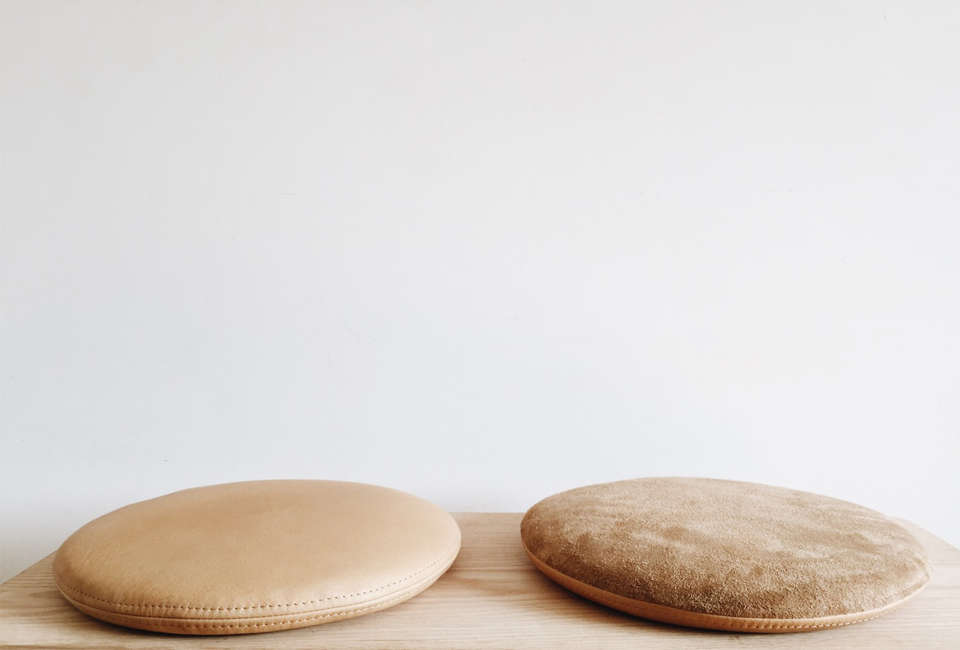
Some home accessories are loud. They show up like they own the place, demand attention, and practically beg to be posted on Instagram before anyone has even sat down. Counter-Space’s Leather Cushion is not that kind of object. It is quieter, smarter, and much more useful. It is the design-world equivalent of a person who dresses impeccably, says little, and somehow ends up being the most interesting one in the room.
At first glance, a leather cushion might sound almost suspiciously simple. It is, after all, just a cushion. But that is exactly why this piece works. It takes one of the most common furniture problems in modern homes, namely the beautiful-but-not-exactly-comfortable stool, bench, or chair, and solves it without making the furniture look bulky, overstuffed, or stylistically confused. In other words, it adds comfort without wrecking the aesthetic. In home design, that is basically sorcery.
Counter-Space has built a reputation around refined, California-minded pieces that feel practical, handmade, and visually calm. Its leather cushion fits right into that philosophy. It is compact, crafted in Los Angeles, neatly stitched, and designed to work with a wide range of seating. That combination helps explain why such a modest item has continued to stand out in conversations about thoughtful home goods.
What Is Counter-Space’s Leather Cushion, Exactly?
In its current form, Counter-Space’s classic leather cushion is a 13-inch seat cushion offered in several colorways, including natural, brown, black, yellow, blue, and blue-yellow combinations. It is available in round and square versions, which makes it flexible enough for stools, benches, side chairs, and other compact seating. The company also highlights double-needle stitching and offers custom sizing by request, which is a strong clue that this is not a one-size-fits-nobody accessory made for a warehouse shelf.
Older editorial coverage described a previous version of the product as a leather seat cushion made in Los Angeles, available in all leather or in a leather-and-suede combination with a 1-inch pad. That historical detail matters because it shows the cushion has long been positioned as a design-forward comfort layer rather than a giant padded throne topper. Its job is not to turn a stool into a recliner. Its job is to make a hard seat more livable while keeping the original furniture visible and attractive.
Why This Leather Cushion Stands Out
It solves the “great-looking seat, terrible-sitting experience” problem
Plenty of stools and benches look fantastic in photos and feel less fantastic five minutes into an actual breakfast. Wood can be hard. Metal can be cold. Vintage seating can be charming in a very “beauty is pain” sort of way. A compact leather cushion fixes that problem without changing the basic silhouette of the furniture. It softens the sit, adds a tactile layer, and makes a seat feel intentional rather than punishing.
It respects the furniture underneath
One of the hardest things about adding cushions to minimalist furniture is that many cushions look like obvious afterthoughts. They slide around, puff up awkwardly, or cover half the frame. Counter-Space’s Leather Cushion avoids that trap. Its compact size and clean shape let the underlying stool or bench remain the star. The cushion acts like good lighting: it improves everything without making a fuss.
It feels crafted, not generic
Words like “handmade” and “artisan” get thrown around so often they sometimes sound like decorative parsley. Here, though, the details matter. Local production, sewn construction, double-needle stitching, and custom sizing suggest a product made with furniture in mind, not just décor trends. That gives the piece more credibility in a market full of forgettable accessories pretending to be heirlooms.
Material, Comfort, and the Appeal of Leather
Leather changes the seating experience in ways that are both visual and physical. Visually, it adds depth, richness, and a little restraint. It can warm up a stark kitchen, balance a painted bench, or make a simple wooden stool feel more considered. Physically, it creates a softer landing than bare wood or metal and tends to age with character rather than simply wearing out. That is a big reason leather remains popular in seating, from lounge chairs to dining stools.
There is also the patina factor. Leather has a talent for looking better after honest use, which is not something you can say about every material. A quality leather surface may develop creases, tonal variation, and a lived-in softness that feels appealing instead of shabby. Those changes can make a seat feel personal. The cushion starts as a clean design object and gradually becomes part of the daily rhythm of the room.
That said, leather is not magic. It can scratch, dry out, fade in strong sun, and show spills if neglected. It rewards people who appreciate natural variation and are willing to do basic maintenance. If you want something that can survive a daily assault of juice boxes, craft glue, and mystery slime without a thought, leather may not be your most carefree option. If you want a material that looks better with reasonable care and mature use, it is hard to beat.
Where It Works Best in a Home
Kitchen stools
This is the most obvious use, and probably the strongest one. A leather cushion on a counter stool makes quick meals, work-from-home sessions, and long conversations much more comfortable. It is especially effective if you have wood or metal stools that look great but lack padding.
Entryway benches
A slim bench near the front door often looks polished but can feel a bit unforgiving when you sit down to lace boots or drop a bag. A compact leather cushion adds comfort while keeping the bench visually light. It can also make the whole entry feel more finished and welcoming.
Desk and studio seating
Not every workspace needs a giant task chair with enough levers to launch a satellite. If your setup includes a simple stool, drafting seat, or side chair, a leather cushion can improve comfort while keeping the space visually clean.
Window seats and small nooks
When a room has a narrow perch or compact built-in, oversized upholstery can make the area feel crowded. A smaller leather cushion works better because it brings softness without visual heaviness.
How to Style Counter-Space’s Leather Cushion
The easiest styling move is to match the cushion to the mood of the room instead of matching everything literally. A natural leather cushion looks especially good with oak, maple, pale plaster walls, and linen-heavy interiors. Brown leather works beautifully with vintage wood tones, brass accents, and warmer palettes. Black leather can sharpen up industrial or modern spaces and pairs nicely with steel, dark oak, or monochrome kitchens.
Then there are the more playful colors. Yellow or blue leather can act like a restrained accent, giving a neutral room a little pulse without turning the seat into a novelty act. That is the sweet spot with color in well-designed interiors: enough interest to wake up the room, not enough to start shouting over the furniture.
If you are styling several stools at once, consistency usually wins. Using the same shape and color across a set looks calm and intentional. If you are working with a single bench, though, one standout cushion can create a focal point without much effort. That kind of small move often changes a room more than buying a large new piece ever does.
What to Consider Before Buying
The biggest question is how much softness you actually want. Counter-Space’s Leather Cushion appears designed to provide practical comfort while preserving a slim profile. If you need something deeply plush or highly orthopedic, this probably is not the category to shop. This is a refined cushion, not a mattress in disguise.
The second question is scale. A 13-inch cushion is wonderfully versatile, but measuring your seat first is still the grown-up thing to do. Some stools will look perfect with a compact pad. Others may need a custom size for the best fit. Luckily, custom sizing is part of the appeal here.
Third, think honestly about your household. Leather is durable, but it is not invincible. Pet claws, direct sun, harsh cleaners, and neglect can all shorten its good-looking years. That does not mean it is high-maintenance. It just means it appreciates a little respect, like cast iron, wool coats, and people who make you good coffee.
How to Care for a Leather Cushion So It Ages Gracefully
Good leather care is mostly boring in the best possible way. Dust it regularly. Vacuum seams and edges when needed. Blot spills quickly instead of rubbing them like you are trying to erase a bad decision. Keep the cushion away from intense direct sunlight and heat sources, which can dry the leather and encourage fading or cracking.
When cleaning is needed, gentle products matter. Leather generally responds well to soft cloths, mild cleaners designed for leather, and occasional conditioning based on the finish and manufacturer guidance. Harsh solvents, bleach, ammonia-heavy products, and old-school anything-goes cleaning habits are a fast track to damage. This is not the place for aggressive experimentation and household chemistry.
One more smart habit: clean thoughtfully, not frantically. Many leather-care sources recommend addressing the broader area rather than obsessively scrubbing one tiny spot, because uneven cleaning can leave visible differences in tone or finish. Translation: calm down, use the right cloth, and do not attack the cushion like it insulted your family.
Is Counter-Space’s Leather Cushion Worth It?
For the right buyer, yes. It is worth it if you value understated design, better daily comfort, local production, and materials that age with character. It is especially compelling if you already own stools or benches you love visually but avoid sitting on for too long. In that scenario, the cushion is not just an accessory; it is a rescue mission.
It is less compelling if your main priority is maximum padding for minimum cost. There are cheaper cushions. There are thicker cushions. There are surely cushions somewhere that promise to transform your stool into a cloud. But Counter-Space’s Leather Cushion is not trying to be all things to all sitters. Its appeal lies in proportion, craft, restraint, and the ability to make a seat better without making the room worse.
Everyday Experiences with a Leather Cushion: What Living With It Actually Feels Like
The first thing people usually notice about a leather seat cushion is not dramatic comfort. It is relief. The seat is still the seat you chose, but now it no longer feels like a punishment for liking good design. On a counter stool, that means breakfast can stretch a little longer. On an entry bench, tying shoes no longer feels like a speed challenge. On a work stool, the cushion takes the edge off without turning the chair into something bulky or corporate-looking.
During the first few weeks, leather often feels a little crisp and structured. That is not a flaw. It is part of the material’s personality. Over time, the surface begins to relax, especially in the places where you naturally sit most often. That gradual softening is part of the charm. The cushion starts to reflect real use, and instead of looking tired, it starts looking settled in. It is a subtle shift, but it is one of the reasons people stay loyal to leather. It develops memory without looking defeated.
There is also a temperature experience that matters more than people expect. A leather cushion tends to feel more welcoming than cold metal or unfinished wood, especially in the morning. It is not overly padded and marshmallowy, but it makes a hard seat feel less abrupt. That small improvement becomes more noticeable in everyday life than in showroom-style first impressions. It is a classic example of a product that earns its keep through repetition rather than spectacle.
Visually, living with a leather cushion is often more satisfying than living with fabric toppers. Fabric can wrinkle, shift, pill, or start looking apologetic faster than you would like. Leather, by contrast, usually keeps a cleaner line. Even when it begins to show use, it often reads as texture and character rather than wear and tear. A few creases can make it look seasoned. Slight variation in tone can make it look richer. In the right room, that aging process is part of the decoration.
Of course, the real-life experience is not all cinematic morning light and tasteful patina. Leather does ask for basic common sense. You notice when someone sits down in wet clothes. You notice when a pen lands on it uncapped. You definitely notice when a pet decides the cushion is either a throne or a scratching post. And if the cushion lives in hard direct sunlight every day, you may see fading sooner than you would like. But none of that makes the piece fragile. It simply means it behaves like a quality natural material rather than an indestructible plastic substitute.
One of the most satisfying long-term experiences is how a leather cushion can change your relationship with an existing piece of furniture. A stool that used to be decorative becomes functional. A bench that looked complete but felt slightly cold starts to feel inviting. A work corner becomes somewhere you actually want to stay for an extra half hour. These are small upgrades, but small upgrades are often the ones that matter most because they affect the routines you repeat every day.
That is really the strongest argument for Counter-Space’s Leather Cushion. It is not trying to impress you with gimmicks. It is trying to improve how a room works while staying handsome enough to belong there for years. In practice, that often ends up being more valuable than the flashier purchases people make in the name of comfort. It is a modest object, yes, but a smart one. And in a home filled with things competing for attention, smart and modest can be a very powerful combination.
Final Thoughts
Counter-Space’s Leather Cushion succeeds because it understands a truth many home accessories miss: usefulness is part of beauty. The best objects do not merely decorate a room; they quietly improve how you live in it. This cushion adds softness, craft, and visual depth while respecting the furniture underneath. That balance makes it more than a seat pad. It makes it a thoughtful design choice for anyone who wants comfort without clutter and character without noise.