

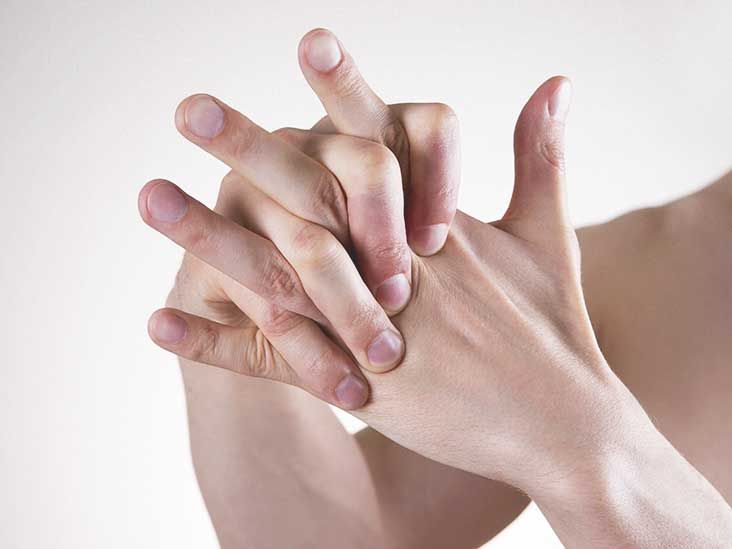
Few human sounds divide a room faster than the sharp little pop of someone cracking their knuckles. For the person doing it, the sound can feel oddly satisfying, like bubble wrap for the hands. For everyone nearby, it may sound like a tiny skeleton orchestra warming up. And almost immediately, someone will deliver the classic warning: “Stop that, you’ll get arthritis.”
But is that warning true? Does cracking knuckles cause arthritis, or is it just one of those health myths that survived because parents, teachers, and annoyed siblings needed a dramatic reason to make the noise stop?
The short answer is reassuring: current research has not found a strong link between cracking knuckles and arthritis. In most cases, painless knuckle cracking is considered harmless. That does not mean every joint noise should be ignored, though. If cracking comes with pain, swelling, stiffness, weakness, or loss of motion, your hands may be trying to tell you something more important than “nice pop.”
This guide breaks down what really happens when you crack your knuckles, what arthritis actually is, why the myth became so popular, and when joint cracking deserves medical attention.
What Happens When You Crack Your Knuckles?
Your knuckles are joints, and like many joints in the body, they are surrounded by a capsule filled with synovial fluid. This fluid acts like a lubricant, helping the bones glide smoothly instead of rubbing together like two dry sticks at a campfire.
When you pull, bend, or stretch a finger joint, the space inside the joint capsule changes. That shift can reduce pressure in the synovial fluid and allow gas-filled cavities or bubbles to form quickly. The “crack” or “pop” is linked to this rapid pressure change inside the joint.
That is why you usually cannot crack the same knuckle again immediately. The joint needs time before the gases and pressure conditions return to a state where another pop can happen. In other words, your knuckle is not broken; it is just reloading.
So, Does Cracking Knuckles Cause Arthritis?
Based on available studies, cracking knuckles does not appear to cause arthritis. Researchers have compared habitual knuckle crackers with people who do not crack their knuckles and have not found clear evidence that the habit increases the risk of hand osteoarthritis.
One of the most famous examples comes from a physician who reportedly cracked the knuckles of one hand for decades while leaving the other hand alone. After many years, he did not find a meaningful arthritis difference between the two hands. While this was not a large clinical trial, it became a memorable real-world challenge to the old warning.
Larger observational research has also failed to show a convincing connection between knuckle cracking and hand osteoarthritis. Some studies have suggested that frequent knuckle crackers may report more hand swelling or reduced grip strength, but the evidence is mixed, and these findings do not prove that cracking causes arthritis.
The best current takeaway is simple: if your knuckle cracking is painless, gentle, and not paired with swelling or limited movement, it is unlikely to be the villain behind arthritis.
What Is Arthritis, Really?
Arthritis is not just one disease. It is a broad term for conditions that affect joints, often causing pain, swelling, stiffness, and reduced movement. The two types people most often talk about are osteoarthritis and rheumatoid arthritis.
Osteoarthritis
Osteoarthritis is the most common form of arthritis. It happens when cartilage, the smooth protective tissue covering the ends of bones, wears down over time. In the hands, osteoarthritis can affect the finger joints, thumb base, and wrist. Symptoms may include aching, stiffness, bony bumps, swelling, and difficulty gripping or pinching objects.
Rheumatoid Arthritis
Rheumatoid arthritis is an autoimmune disease. Instead of being caused by simple wear and tear, it happens when the immune system mistakenly attacks joint tissue. It often affects joints on both sides of the body and may cause warmth, swelling, morning stiffness, fatigue, and progressive joint damage if not treated.
Neither condition is caused by the normal sound of gas movement in synovial fluid. Arthritis is more complicated than a pop.
Why Do People Believe Knuckle Cracking Causes Arthritis?
The myth probably survives for three reasons: the sound is loud, the hands are visible, and arthritis often affects fingers. When people hear a joint pop and later see swollen or stiff hands in older adults, it is easy to connect the dots, even when the dots are not actually connected.
There is also a social factor. Knuckle cracking annoys people. A warning like “that might irritate everyone in this room” is honest but not very powerful. “You’ll get arthritis” sounds much more official, even if the science does not back it up.
Health myths often work this way. They take a common habit, attach it to a scary outcome, and then march through generations wearing a lab coat it did not earn.
When Joint Cracking Is Probably Harmless
Most painless joint cracking is harmless. Many people hear pops, clicks, or snaps from fingers, knees, shoulders, ankles, or the neck. These sounds can come from gas changes inside joints, tendons moving over nearby structures, or normal shifts in joint position.
Knuckle cracking is usually not a concern when:
- It does not hurt.
- There is no swelling.
- The joint moves normally afterward.
- There is no weakness, numbness, or tingling.
- You are not forcing the joint aggressively.
Think of it like a creaky floorboard. A creak by itself is not always a disaster. A creak plus smoke, sparks, and a hole in the floor? That deserves attention.
When Cracking Could Be a Warning Sign
Joint sounds become more concerning when they arrive with symptoms. If cracking is paired with pain, swelling, heat, tenderness, locking, grinding, or reduced range of motion, the issue may not be ordinary knuckle popping.
In arthritis, the cracking or grinding sensation may be related to damaged cartilage, inflamed tissue, or uneven joint surfaces. This is different from the quick pop of a healthy joint being stretched. Arthritis-related joint noise may feel rough, painful, or repetitive during movement.
You should consider seeing a healthcare professional if you notice:
- Persistent finger pain or stiffness.
- Swollen knuckles that do not improve.
- Morning stiffness lasting a long time.
- Loss of grip strength.
- Visible changes in finger shape.
- Warmth, redness, or tenderness around a joint.
- Clicking or cracking after an injury.
These symptoms do not automatically mean you have arthritis, but they are worth checking. Hands are too useful to ignore. They open jars, type emails, carry groceries, scroll phones, and dramatically point at snacks across the room.
Can Cracking Knuckles Damage Ligaments or Tendons?
Gentle knuckle cracking is not considered a major health risk. However, force matters. Pulling, twisting, or bending fingers too hard can irritate soft tissues. Rarely, overly aggressive cracking has been associated with sprains, ligament strain, or tendon problems.
The key word is aggressive. A casual pop is different from treating your finger like a stubborn bottle cap. If you have to yank, twist, or force the joint to make it crack, your technique is doing too much. Your knuckles are not a gym membership. They do not need extreme training.
Why Does Cracking Knuckles Feel Good?
Many people crack their knuckles because it feels relieving. The sensation may come from a temporary increase in joint movement, a stretch of surrounding tissues, or simply the satisfying feeling of releasing tension.
There may also be a habit loop involved. You feel stiffness or restlessness, you crack your knuckles, you get a small sensation of relief, and your brain says, “Great, let’s save that for later.” Before long, you are cracking your knuckles during homework, meetings, traffic, movies, and every dramatic pause in a conversation.
That does not make the habit dangerous, but it can make it automatic. If the noise bothers people around you, or if you personally want to stop, replacing the habit with hand stretches, stress balls, or short movement breaks may help.
What Actually Raises the Risk of Hand Arthritis?
If knuckle cracking is not the main culprit, what is? Risk factors for hand arthritis are usually more connected to age, genetics, previous injury, inflammation, and joint stress.
Age
The risk of osteoarthritis generally increases as people get older. Cartilage and joint tissues experience years of use, and the body’s repair processes may become less efficient over time.
Genetics
Family history can play a role. If close relatives have hand osteoarthritis, your own risk may be higher.
Previous Joint Injury
Fractures, dislocations, ligament injuries, and other trauma can increase arthritis risk in the affected joint later in life.
Repetitive Joint Stress
Jobs, hobbies, or sports that repeatedly strain the same joints may contribute to joint wear, especially when combined with injury or poor ergonomics.
Inflammatory Conditions
Autoimmune diseases such as rheumatoid arthritis can cause joint inflammation and damage. These conditions need medical diagnosis and treatment, not just lifestyle guesses.
How to Keep Your Hands Healthy
You do not need to panic about knuckle cracking, but caring for your hands is still smart. Small habits can protect comfort, flexibility, and function over time.
Use Gentle Range-of-Motion Exercises
Open and close your fingers slowly, make gentle fists, spread your fingers wide, and move your wrists through comfortable circles. The goal is smooth motion, not a hand-based Olympic event.
Take Breaks From Repetitive Tasks
If you type, game, cook, text, draw, or use tools for long periods, give your hands short breaks. Change positions, stretch lightly, and avoid gripping harder than necessary.
Respect Pain
Pain is not weakness leaving the body. Sometimes it is your body saying, “Please stop doing that weird thing.” If a movement hurts, ease up.
Use Good Ergonomics
Keep wrists in a neutral position when typing. Use tools with comfortable handles. Avoid prolonged awkward hand positions. Tiny adjustments can make a big difference when repeated daily.
Do Not Force Pops
If a knuckle cracks naturally and painlessly, it is usually no big deal. If it does not want to crack, let it live its quiet little life.
Common Myths About Cracking Knuckles
Myth 1: Cracking Knuckles Always Causes Arthritis
This is the big one, and the evidence does not support it. Painless knuckle cracking has not been shown to cause hand arthritis.
Myth 2: The Sound Means Bones Are Grinding
In ordinary knuckle cracking, the sound is not your bones grinding together. It is related to pressure changes and gas cavity formation inside the joint fluid.
Myth 3: Bigger Knuckles Always Mean Someone Cracked Them Too Much
Enlarged finger joints can happen for many reasons, including osteoarthritis, inflammatory arthritis, injury, or natural anatomy. Knuckle cracking alone is not a reliable explanation.
Myth 4: If a Joint Cracks, Something Is Wrong
Not necessarily. Many healthy joints make noise. The important question is whether the sound comes with pain, swelling, stiffness, or loss of function.
Cracking Knuckles vs. Arthritis Symptoms: How to Tell the Difference
A normal knuckle crack is usually quick, painless, and followed by normal movement. Arthritis symptoms tend to be more persistent. They may include aching, stiffness, swelling, tenderness, warmth, reduced grip, or difficulty doing daily tasks.
For example, if your fingers pop once after stretching and then feel fine, that is probably ordinary joint cracking. If your fingers are stiff every morning, swollen after use, painful when gripping a mug, or gradually changing shape, that is a different story.
One pop is not the same as a pattern of symptoms. Your body is less interested in dramatic sound effects and more interested in repeated signals.
Should You Stop Cracking Your Knuckles?
Medically, if it is painless and gentle, you probably do not need to stop for arthritis prevention. Socially, you may still want to consider your audience. Not everyone enjoys the soundtrack of tiny fireworks coming from your hands.
If you want to cut back, try noticing when you crack your knuckles. Is it during stress? Boredom? Long typing sessions? Before exams? While thinking? Once you identify the trigger, replace the habit with something less noisy, such as squeezing a soft stress ball, stretching your hands, rolling your shoulders, or taking a short walk.
of Real-Life Experience: Living With the Knuckle-Cracking Question
In everyday life, the knuckle-cracking debate usually begins in the least scientific place possible: the dinner table. Someone stretches their fingers, a crisp pop cuts through the conversation, and another person reacts as if a haunted door just opened. Then comes the warning: “You are going to ruin your hands.” The knuckle cracker usually responds with a confident “No, I’m not,” even if they have never read a single medical study and are mostly defending the right to be mildly annoying.
What makes this topic interesting is that both sides often have a point, just not the same point. The person warning about arthritis is usually wrong about the direct cause-and-effect relationship. But the person cracking away like a human castanet may also be ignoring the fact that forceful habits can irritate tissues, especially if they are done constantly or aggressively.
A common experience is the “study break crack.” Students, writers, programmers, gamers, musicians, and office workers often spend long periods using their hands in small repetitive motions. After typing or gripping a mouse for an hour, the fingers may feel tight. Cracking the knuckles can feel like pressing a reset button. The relief is usually brief, but it feels satisfying enough to repeat. The better long-term move, however, is not endless cracking. It is taking actual hand breaks: opening and closing the fingers, stretching the wrists gently, relaxing the shoulders, and changing posture.
Another familiar scenario happens at the gym or during sports. Someone cracks their fingers before lifting weights, shooting a basketball, climbing, boxing, or playing tennis. The sound may feel like preparation, but it should not replace a warm-up. If your hands feel stiff before activity, gentle movement is smarter than forcing joints to pop. Your fingers are teammates, not glow sticks.
Parents also run into this topic with kids and teenagers. A child starts cracking knuckles, an adult remembers the old arthritis warning, and suddenly the habit becomes a household argument. A more useful response is calm and practical: “It probably does not cause arthritis, but do not force it, and tell me if it hurts.” That approach teaches body awareness instead of fear.
For adults who already have hand pain, the experience is different. If someone has osteoarthritis, rheumatoid arthritis, tendon irritation, or a previous injury, cracking may feel uncomfortable or may occur along with grinding, stiffness, and swelling. In that case, the cracking is not necessarily the cause of the condition, but it may be part of the symptom picture. That is when it makes sense to seek medical advice instead of arguing with relatives over the myth.
The most balanced real-life rule is this: painless popping is usually not a crisis, but painful popping deserves respect. If your knuckles crack and life continues normally, you can relax. If your hands hurt, swell, weaken, or stop moving well, listen to them. Hands are small, complicated, hardworking tools. Treat them kindly, even when they sound like popcorn.
Conclusion: The Pop Is Probably Not the Problem
Cracking knuckles and arthritis have been linked in popular warnings for generations, but science has not shown that ordinary, painless knuckle cracking causes arthritis. The familiar pop is most likely related to pressure changes and gas cavity formation in synovial fluid, not bones grinding themselves into trouble.
That said, not every joint sound should be dismissed. Cracking with pain, swelling, stiffness, weakness, warmth, or reduced motion should be evaluated, especially if symptoms persist or follow an injury. Arthritis is real, hand pain deserves attention, and early care can help protect joint function.
So the next time someone tells you cracking your knuckles will definitely cause arthritis, you can politely relax your hands and explain the evidence. Or, for the sake of peace at the dinner table, you can simply not crack them during soup.