

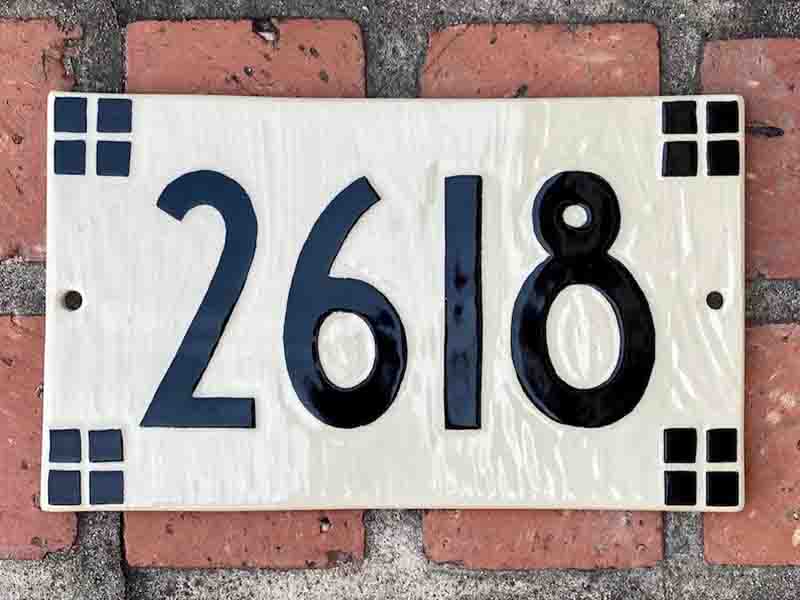
A Craftsman address sign is a tiny detail with a surprisingly big personality. It is the handshake before the front door, the wink before the welcome mat, the small-but-mighty signal that says, “Yes, this home has tasteand yes, the delivery driver has finally found the right porch.” When that sign is made as a sgraffito house number, the ordinary address plaque becomes something warmer, older, and more human: a piece of ceramic craft with scratched lines, layered glaze, and the quiet confidence of handmade design.
The phrase “Craftsman Address Sign Sgraffito House Number” may sound like a very specific itemand it isbut it sits at the intersection of several popular home design ideas: Arts and Crafts architecture, handmade ceramics, outdoor address plaques, curb appeal, and practical house-number visibility. It is not just decoration. It is also function. A beautiful address sign should help guests, neighbors, mail carriers, emergency responders, and pizza couriers locate your home without performing a slow-motion detective drama in the driveway.
For homeowners who love natural materials, old-house charm, garden paths, bungalow porches, and things that do not look mass-produced by a robot with commitment issues, a sgraffito house number is a perfect fit. It has texture. It has craft. It has just enough imperfection to feel alive.
What Is a Craftsman Address Sign?
A Craftsman address sign is a house number plaque designed to complement Craftsman, bungalow, Mission, Prairie, and Arts and Crafts-style homes. These homes are known for their low-pitched roofs, wide eaves, exposed rafters, tapered porch columns, natural woodwork, stone accents, and an overall feeling of “built by someone who cared.” A matching address sign should echo those same values: honest materials, clear shapes, earthy colors, and thoughtful construction.
Unlike sleek ultra-modern numbers that look like they belong on a glass office building, Craftsman house numbers usually feel grounded. They often use ceramic tile, metal, wood, slate, stone, or stained glass. The best versions avoid fussy ornamentation and instead focus on proportion, legibility, and hand-finished character. Think deep blue glaze, matte black numerals, cream clay, forest green borders, warm copper, or a tile that looks like it has already heard several excellent porch stories.
What Makes Sgraffito Special?
Sgraffito is a decorative technique used in ceramics and other surface arts. The word comes from the Italian idea of scratching or scraping. In pottery, the artist typically applies colored slip or underglaze to clay, then scratches through the top layer to reveal the clay body beneath. The result is a design with carved contrast, crisp lines, and a handmade depth that printed decoration cannot quite imitate.
On a house number sign, sgraffito is especially charming because numerals become part of the surface rather than sitting on top like an afterthought. The numbers can be carved, outlined, framed, or surrounded by botanical motifs, geometric borders, sunbursts, vines, flowers, or simple Arts and Crafts patterns. The tile can be glazed and kiln-fired for durability, creating a plaque that feels both artistic and practical.
In other words, sgraffito is not just “painted numbers on a rectangle.” It is closer to drawing with a tiny archaeological tool while the clay politely tries not to dry too fast. The finished sign has a tactile quality that makes people want to lean in and say, “Oh, that’s handmade,” which is basically curb appeal applause.
Why Craftsman Style and Sgraffito Work So Well Together
Craftsman design grew from the Arts and Crafts movement, which valued skilled handwork, natural materials, simplicity, and resistance to soulless mass production. Sgraffito ceramics share that same spirit. Each line is made by hand. Each glaze reacts slightly differently in the kiln. Each plaque has a personality. If a factory-perfect plastic number is a printed receipt, a sgraffito address plaque is a handwritten note.
This connection matters because exterior details should support the architecture of the house. A Craftsman bungalow with a generic shiny address plate can feel a little like wearing sneakers with a tuxedo. Not always tragic, but something is off. A ceramic sgraffito house number, by contrast, feels native to the porch. It belongs beside wood siding, brick steps, a stone foundation, a Craftsman lantern, or a painted front door in olive, navy, russet, black, or cream.
Design Features of a Good Sgraffito House Number
1. Clear, Readable Numerals
The number must be beautiful, but it must also be readable. A house number is not a secret code. Avoid designs where leaves, flowers, swirls, and decorative borders compete with the address itself. The numerals should have enough size, contrast, and spacing to be recognized from the street.
2. Strong Contrast
Contrast is essential. Light numbers on a dark glaze or dark numbers on a pale clay background usually work best. A black-on-deep-brown combination may look moody and sophisticated up close, but from twenty feet away it can resemble a mysterious rectangle. That is not ideal when someone is trying to deliver medicine, groceries, or the emergency replacement part for your very dramatic dishwasher.
3. Weather-Resistant Materials
A quality ceramic address sign should be fired properly and glazed for exterior use. Stoneware and porcelain are common choices because they can be strong and weather tolerant when made correctly. Outdoor plaques should be able to handle sun, rain, wind, and seasonal temperature swings. In colder climates, freeze resistance is especially important. If the plaque is handmade, ask whether it is rated for outdoor installation and whether the mounting method is suitable for your siding, masonry, fence, or post.
4. Craftsman-Inspired Motifs
Common design motifs include simple borders, oak leaves, ginkgo leaves, poppies, irises, pinecones, geometric lines, mission-style arches, and nature-inspired patterns. Craftsman design prefers decoration that feels connected to materials and landscape. A good sgraffito plaque can be decorative without looking like it tried on every accessory in the drawer.
5. A Shape That Fits the Home
Rectangular plaques are the classic choice because they align well with porch trim, mailbox posts, and horizontal bungalow architecture. Vertical plaques can work beautifully on narrow columns or gate posts. Square tiles are useful for individual numbers. Arched or oval plaques add softness, but they should still feel balanced with the house’s exterior lines.
Best Colors for a Craftsman Sgraffito Address Sign
Craftsman homes love earthy, nature-based palettes. For a sgraffito house number, consider colors that already appear in the exterior: roof tones, porch stain, brick, stone, trim, door color, or landscaping. A deep blue plaque can look stunning against white, cream, gray, cedar, or brick. A black background with cream carved numbers feels timeless and crisp. Green glazes pair well with garden-heavy entries. Rust, ochre, brown, and warm clay tones work nicely with stone foundations and wood siding.
The trick is to coordinate, not camouflage. Your address sign should harmonize with the house but still stand out. If your siding is dark green, a slightly lighter green plaque may disappear. If your porch is cream and brown, a dark blue or black ceramic sign may provide just the right visual snap. A small contrast decision can be the difference between “charming handmade detail” and “Where is the house number? Did the raccoons take it?”
Where to Place a Craftsman Address Sign
Placement is both a design choice and a safety choice. The address number should be visible from the street, ideally in a direct line of sight. Popular locations include beside the front door, on a porch column, near a garage light, on a mailbox post, on a garden wall, or mounted to a freestanding post near the walkway.
If your house sits far back from the road, a beautiful plaque beside the front door may be lovely for guests who have already found the housebut not much help to anyone still scanning from the curb. In that case, consider a second address marker near the driveway or mailbox. This is especially useful for homes with long driveways, heavy landscaping, deep porches, or nighttime delivery adventures.
Lighting matters too. A sgraffito ceramic sign under a porch lamp can look gorgeous at night. If the sign is near the road, landscape lighting or a small downlight may help. Solar lights can work, though they need enough sun exposure and should be checked regularly. The goal is simple: nobody should need a flashlight, a prayer, and a lucky guess to find your address.
How Big Should the House Numbers Be?
Many local codes and fire-safety recommendations call for address numbers that are at least four inches tall, with good contrast and clear visibility from the street. Requirements vary by city and county, so homeowners should check local rules before ordering a custom plaque. Still, the four-inch guideline is a useful starting point for residential visibility.
For a sgraffito plaque, size is especially important because decorative borders and handmade lettering can reduce readability if the plaque is too small. A three-digit address may fit nicely on a horizontal ceramic tile. A five-digit address needs more breathing room. If the numbers are squeezed together like commuters on a Monday train, choose a larger plaque.
Custom vs. Ready-Made Sgraffito House Numbers
Ready-made ceramic house numbers are convenient when you need a quick update. Individual tiles can be arranged in a row, stacked vertically, or framed with wood or metal. Custom sgraffito plaques, however, offer more control. You can choose the background color, border style, motif, number layout, glaze, size, and orientation. For Craftsman homes, custom is often worth considering because architectural harmony depends on small choices.
A custom plaque can reflect your house’s story. A bungalow with a garden may look wonderful with carved leaves or poppies. A mountain cottage may suit pine branches or a darker earth palette. A brick Craftsman home may benefit from cream numerals on a dark glazed tile. A coastal bungalow may use blue, white, and weathered wood. The sign becomes less like hardware and more like a signature.
Installation Tips for Ceramic Address Plaques
Installation depends on the plaque and the mounting surface. Some handmade ceramic signs include holes for screws. Others may use hidden hardware, adhesive systems, frames, or brackets. Masonry, wood siding, stucco, fiber-cement siding, and fence posts all require different fasteners. When in doubt, use exterior-rated hardware and avoid forcing screws directly through ceramic unless the plaque was designed for it.
Before drilling, hold the plaque in place and view it from the street. Check it during the day and, if possible, after dark. Make sure plants will not cover it by midsummer. Confirm that a porch railing, parked vehicle, hanging basket, or seasonal wreath will not block it. Wreaths are charming, but they should not turn your address into a holiday-themed mystery novel.
How a Sgraffito House Number Improves Curb Appeal
Curb appeal is often discussed in terms of big projects: paint, landscaping, walkways, doors, lighting, and siding. But small exterior upgrades can make a home feel cared for almost immediately. House numbers are one of those details. They are inexpensive compared with major renovations, yet they sit right where visitors naturally look.
A Craftsman address sign adds curb appeal in three ways. First, it creates a focal point near the entry. Second, it reinforces architectural style. Third, it signals maintenance and intentionality. When a home has clear, attractive, well-placed numbers, it suggests the owner pays attention. That matters whether you are welcoming friends, improving your neighborhood’s look, or preparing a home for sale.
There is also emotional curb appealthe kind that does not show up on a spreadsheet but makes you smile when you come home. A handmade sgraffito plaque has that quality. It is practical art. It says, “This is our place,” with more warmth than a hardware-store sticker ever could.
Style Ideas for Different Craftsman Homes
Classic Bungalow
Choose a horizontal ceramic plaque with cream numbers on a dark blue, black, or green ground. Add a simple border and perhaps a small botanical detail. Mount it near the porch light or on a tapered column.
Mission-Influenced Craftsman
Look for warm clay tones, matte finishes, simple arches, or geometric linework. A plaque with hand-carved numbers and a subtle frame can pair beautifully with stucco, terracotta, and dark wood.
Prairie-Inspired Home
Use long horizontal lines, restrained ornament, and strong geometry. A rectangular plaque with a linear border and crisp numerals will complement the home’s low, grounded profile.
Garden Cottage Bungalow
Lean into floral sgraffito. Poppies, vines, leaves, and soft green or blue glazes can make the entry feel welcoming without becoming too sweet. The key is still readability: flowers may dance around the numerals, but they should not tackle them.
Maintenance and Care
A well-made ceramic address plaque should require little maintenance. Wipe it with a damp cloth when dust, pollen, or spiderwebs appear. Avoid harsh abrasives that could scratch the glaze. Check mounting hardware once or twice a year, especially after storms or freeze-thaw cycles. If the sign is near sprinklers, make sure mineral deposits are not building up on the surface.
Landscaping is part of maintenance too. Trim shrubs, vines, and seasonal plants so the sign remains visible. A charming address plaque hidden behind a hydrangea is still charming, but it is no longer doing its job. The hydrangea may be thriving, but the mail carrier is not amused.
Common Mistakes to Avoid
The first mistake is choosing beauty over legibility. A house number can be artistic, but it must still function as a house number. The second mistake is buying too small. The third is placing the plaque where only someone standing on the porch can read it. The fourth is ignoring contrast. The fifth is forgetting lighting.
Another common mistake is mixing too many styles at once. A Craftsman home can handle personality, but it usually looks best when exterior details share a material or design language. If the porch light is Mission style, the mailbox is black metal, and the door hardware is oil-rubbed bronze, a neon acrylic address sign may feel out of place. Unless your design goal is “bungalow meets arcade,” choose cohesion.
Experience Notes: Living With a Craftsman Sgraffito House Number
One of the best experiences with a Craftsman address sign is how quickly it changes the feeling of the entry. Unlike repainting a whole house or rebuilding a porch, installing a ceramic sgraffito house number is a small project with a satisfying before-and-after moment. You step back, look at the front of the house, and suddenly the entry feels more finished. It is like putting punctuation at the end of a sentence that had been wandering around without a period.
In practical use, the biggest lesson is to test visibility before committing to placement. A sign can look perfect when held at eye level beside the door, then become surprisingly hard to see from the road. Stand where a driver would be. Walk across the street if it is safe. Look from both directions. Check whether porch shadows swallow the numbers in the late afternoon. If your home has mature landscaping, remember that plants grow. A plaque that is visible in March may be swallowed by enthusiastic summer greenery in July. Plants have no respect for wayfinding.
Another useful experience is choosing contrast with confidence. Many homeowners are tempted by subtle tone-on-tone combinations because they look elegant up close. But house numbers are not jewelry in a velvet box; they are outdoor information. A dark plaque with pale carved numbers, or a light plaque with dark carved numbers, is usually more successful. The sgraffito technique already provides texture and artistry, so the color contrast can be straightforward without feeling boring.
Ordering custom also teaches patience. Handmade ceramic work takes time. Clay must be shaped, dried, decorated, fired, glazed, and sometimes fired again. The process is not instant, but that is part of the value. You are not buying a disposable exterior accessory. You are commissioning a small object that may stay with the house for years. If you are matching paint, tile, brick, or trim, send clear photos in natural light and ask the maker what glaze colors are realistic. Glaze can shift in the kiln, which is both the magic and the mild chaos of ceramics.
Installation is another area where experience pays off. If the plaque is heavy, do not rely on indoor adhesive strips. Use proper exterior mounting methods. For masonry, use the right anchors. For wood, pre-drill if needed. For stucco or fiber-cement siding, consider professional help if you are unsure. A beautiful ceramic address plaque deserves a secure installation, not a dramatic fall during the next windstorm.
The most pleasant surprise is how often people notice. Visitors may comment on the texture, color, or handmade look. Neighbors may ask where it came from. Even if nobody says anything, the sign quietly improves daily arrival. You see it when you come home with groceries, when the porch light turns on, when rain beads on the glaze, and when the morning sun catches the carved lines. That is the charm of a sgraffito house number: it does its practical job while adding a small, durable moment of beauty to ordinary life.
Conclusion
A Craftsman Address Sign Sgraffito House Number is more than a decorative plaque. It is a meeting point between architecture, ceramics, safety, and personal style. It honors the Craftsman love of natural materials and handmade detail while solving a real-world problem: helping people find your home. The best design is readable from the street, durable outdoors, proportioned to the house, and visually connected to the porch, siding, garden, and lighting.
For homeowners who want an exterior upgrade that feels thoughtful rather than trendy, a sgraffito ceramic address sign is an excellent choice. It has history without feeling dusty, artistry without being fragile, and personality without shouting. In a world full of generic numbers screwed beside generic doors, a handmade Craftsman plaque says something better: welcome, this house has a story.