

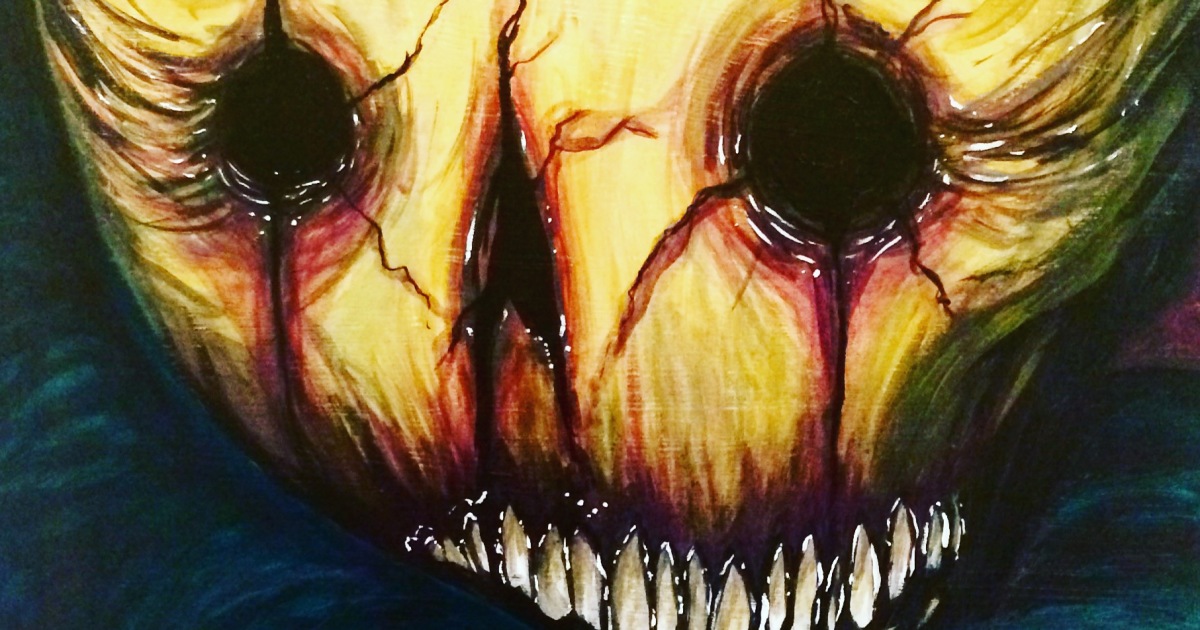
Creativity and painting have always been a delightfully strange partnership. Creativity whispers, “What if the sky were green?” and painting replies, “Great, but do we have enough paint?” Together, they turn blank surfaces into stories, emotions, experiments, memories, and sometimes happy accidents that look suspiciously better than the original plan.
At its heart, painting is not only about making something beautiful. It is about learning how to see. A painter notices the lavender shadow under a white cup, the tiny orange glow in a sunset cloud, the way a face changes when one eyebrow rises half a millimeter. Creativity transforms those observations into choices: which colors to exaggerate, which details to leave out, which mood to chase, and which rules to politely ignore.
Whether you are a professional artist, a weekend hobbyist, a student, or someone who still believes stick figures deserve their own museum wing, painting can strengthen imagination, focus, emotional expression, problem-solving, and visual thinking. It invites people to slow down in a world that usually acts like patience is an endangered species.
What Does Creativity Mean in Painting?
Creativity in painting is the ability to connect ideas, materials, feelings, and visual elements in a fresh way. It does not always mean inventing something never seen before. That is a lot of pressure, and frankly, even the Renaissance had repeat customers. More often, creativity means looking at familiar things from a new angle.
A bowl of lemons can become a study in sunlight. A city street can become a rhythm of rectangles, reflections, and rushing people. A portrait can reveal personality through color, gesture, or background rather than a perfectly realistic face. Creativity gives painting its pulse. Technique may help you paint a hand accurately, but creativity helps decide whether that hand is holding a flower, reaching toward the viewer, or disappearing into a storm of blue brushstrokes.
Creativity Is Not the Opposite of Skill
Many people assume creative painting means throwing rules out the window. That can be fun, but only if the window is open and nobody is standing underneath. In reality, creativity and skill work best as partners. Understanding color, line, composition, value, texture, and space gives artists more ways to express an idea.
Think of painting skills like vocabulary. The more visual words you know, the more clearly, playfully, or dramatically you can speak on canvas. A beginner may express emotion with bold color. An experienced painter may use color temperature, layered glazes, negative space, and composition to create a deeper emotional effect. Both are creative. One simply has more tools in the toolbox.
Why Painting Unlocks Creative Thinking
Painting encourages the brain to work in several directions at once. You observe, decide, compare, adjust, imagine, and evaluate. One minute you are thinking about whether a shadow is warm or cool; the next, you are wondering why your tree looks like broccoli wearing a hat. This process builds flexible thinking because every painting presents a series of small problems.
Should the background be lighter? Is the focal point strong enough? Does the red feel too loud? Can this mistake become a texture? Painting trains the mind to test possibilities instead of freezing at the first challenge. That habit is useful far beyond the studio. Creative problem-solving matters in design, business, education, communication, technology, and everyday life.
The Power of Visual Experimentation
Painting is a safe place to experiment. A canvas will not judge you. It may look confused for a while, but it keeps your secrets. Artists can try unexpected color combinations, unusual brushwork, abstract shapes, mixed media, or new subject matter without needing immediate perfection.
This experimental freedom is one reason painting supports creativity so well. It rewards curiosity. It teaches that not every attempt needs to become a masterpiece. Some paintings are finished works. Others are research, rehearsal, or visual brainstorming. Even a painting that fails can leave behind one useful discovery: a color mix, a composition idea, a texture, or a better understanding of what not to do next time.
The Emotional Side of Creativity And Painting
Painting gives emotions a place to go. Joy can become bright yellow, fast strokes, or dancing shapes. Sadness might appear as muted blues, soft edges, or empty space. Anger can arrive as heavy marks and high contrast. Calm may show up in gentle gradients and balanced compositions.
Unlike spoken language, painting does not require every feeling to be neatly explained. Sometimes people do not know exactly what they feel until they see it forming on the surface. That is one reason creative art-making is widely used in educational, community, and therapeutic settings. Painting can support reflection, reduce stress, and help people express thoughts that are hard to put into ordinary words.
Painting as a Stress-Relief Practice
Painting can create a state of focused attention. When you are mixing colors, following a brushstroke, or building a shape layer by layer, your mind often settles into the present moment. This does not magically solve every problem, but it can give the nervous system a much-needed break.
For many people, the repetitive motion of brushing paint, filling space, blending color, or sketching before painting feels grounding. The process becomes less about producing a perfect object and more about being absorbed in making. That shift matters. When painting becomes play rather than performance, creativity feels less like a test and more like a conversation.
How Painting Builds Observation Skills
One of the biggest surprises for new painters is that painting is often more about seeing than hand control. The hand follows what the eye understands. If you cannot see the shape of a shadow, the angle of a roofline, or the difference between two similar greens, it becomes difficult to paint them convincingly.
Creative painters learn to observe relationships. They compare dark against light, warm against cool, large against small, sharp edge against soft edge. This kind of looking turns ordinary scenes into visual puzzles. A glass of water is no longer just a glass of water. It becomes transparency, distortion, reflection, highlight, and shape. Congratulations, your beverage is now homework.
Learning to See Like an Artist
Seeing like an artist means noticing what others may rush past. It means studying how light falls across a table, how color changes in shadow, how distance softens detail, and how a composition guides the viewer’s eye. Museums, art books, online collections, and local galleries can train this visual awareness by exposing artists to many ways of solving creative problems.
Studying paintings by different artists also reveals that there is no single correct way to paint. Some artists use careful realism. Others simplify forms, exaggerate color, flatten space, or focus on mood. Each approach expands the creative menu. The more art you look at, the more possibilities you bring back to your own work.
The Role of Color in Creative Painting
Color is one of painting’s most powerful creative tools. It can make a scene feel peaceful, tense, nostalgic, energetic, mysterious, or deliciously chaotic. A blue apple may not win awards for botanical accuracy, but it can create mood, symbolism, or surprise.
Understanding color theory helps painters make intentional choices. Complementary colors create contrast. Analogous colors create harmony. Warm colors often feel active or close, while cool colors may feel calm or distant. But creativity begins when artists use these principles with personality. A painter might choose unrealistic colors to express memory, emotion, fantasy, or atmosphere.
Limited Palettes Can Boost Creativity
Oddly enough, fewer colors can sometimes create more creativity. A limited palette forces artists to mix carefully and solve problems with restraint. Instead of grabbing every tube in the box, the painter must ask, “How can I make this work with what I have?”
This limitation can lead to stronger unity and more inventive decisions. Many painters use restricted palettes to study value, temperature, and harmony. It is the artistic version of cooking dinner with five ingredients and somehow inventing something worthy of applause. Or at least something that does not scare the neighbors.
Creative Blocks: Why They Happen and How Painting Helps
Creative blocks happen to everyone. Even highly skilled artists sometimes stare at a blank canvas as if it owes them money. Blocks can come from fear of failure, perfectionism, boredom, comparison, fatigue, or simply not knowing where to begin.
Painting can help break creative blocks because it allows action before certainty. You can begin with a wash of color, a quick sketch, a messy background, or a simple shape. Motion creates momentum. Once paint touches the surface, the brain has something to respond to. The blank canvas stops being a threat and becomes a partner, although occasionally a dramatic one.
Simple Ways to Restart Creativity
One practical method is to paint small. A tiny study feels less intimidating than a giant canvas. Another is to set a timer for twenty minutes and focus only on exploration. Artists can also copy a masterwork for study, paint the same subject in three different color schemes, use only one brush, or create an abstract painting based on a song.
The goal is not instant greatness. The goal is movement. Creativity often returns when pressure drops. Give yourself permission to make imperfect work, and you may find that the good ideas were hiding behind the fear of making bad ones.
Painting Techniques That Encourage Creativity
Different painting techniques open different creative doors. Watercolor encourages transparency, speed, and acceptance of unpredictability. Acrylic paint supports layering, bold color, and quick changes. Oil paint allows blending, depth, and slow development. Gouache offers matte color and design-friendly control. Mixed media invites collage, drawing, texture, and delightful rule-breaking.
Each medium changes how creativity behaves. Watercolor may ask you to cooperate with accidents. Acrylic may invite you to revise aggressively. Oil may reward patience. Mixed media may encourage you to glue something strange onto the surface and call it a breakthrough. The best medium is often the one that matches the mood of the idea.
Brushwork, Texture, and Personal Style
Brushwork is more than paint delivery. It is personality in motion. Smooth blending can feel quiet and polished. Thick impasto marks can feel energetic and physical. Dry brushing may create roughness, while palette knives can build bold planes of color.
Over time, painters develop a visual handwriting. This personal style often grows from repeated choices: favorite colors, common subjects, preferred marks, recurring moods, and even mistakes that become signatures. Creativity does not always arrive as a lightning bolt. Sometimes it grows quietly through practice, like a houseplant with better lighting.
Creativity And Painting in Education
Painting is especially valuable in education because it supports more than artistic skill. It helps students develop decision-making, fine motor control, visual literacy, patience, cultural awareness, and confidence. When students paint, they learn that problems can have more than one answer. That is a powerful lesson in a world full of multiple-choice thinking.
Art education also teaches students to discuss ideas, interpret meaning, and respect different perspectives. One student may paint a memory. Another may paint a fantasy landscape. Another may paint an abstract response to music. Each work becomes a starting point for conversation.
Why Process Matters More Than Perfect Results
In creative education, the process matters deeply. Planning, experimenting, revising, reflecting, and presenting are all part of artistic growth. A student who learns to revise a painting learns resilience. A student who explains color choices learns communication. A student who tries again after a muddy mess learns persistence and possibly the importance of cleaning the brush between colors.
When painting is taught as exploration rather than pure decoration, students gain tools for thinking. They learn to ask better questions: What am I trying to say? What happens if I change the scale? Where should the viewer look first? How does this color affect the mood?
Creativity And Painting in Everyday Life
You do not need a professional studio to benefit from painting. A kitchen table, a sketchbook, a few brushes, and a modest set of paints can be enough. Creativity often grows best when it becomes a regular habit rather than a rare event reserved for perfect conditions.
Painting at home can become a personal ritual. Some people paint to relax after work. Others paint travel memories, family pets, plants, dreams, or abstract color studies. Parents may paint with children. Friends may host casual painting nights. Solo painters may use art as a way to check in with themselves.
Making Painting Part of a Creative Routine
A creative routine does not need to be complicated. Paint for fifteen minutes. Make one color chart. Sketch one object. Try one texture. Finish one small study each week. The secret is consistency. Small sessions build confidence and reduce the pressure to produce something spectacular every time.
It also helps to keep materials visible and easy to access. If your paints are buried in a closet behind holiday decorations and a mysterious box labeled “miscellaneous,” creativity may lose the battle before it starts. Make painting easy to begin, and you are more likely to begin.
Practical Ideas to Strengthen Creativity Through Painting
Anyone can use painting to become more creative. Start with observation exercises. Paint the same object in morning light, afternoon light, and artificial light. Notice how the colors change. Try painting a simple subject with realistic colors first, then repaint it using emotional colors. A gray rainy street may become purple, green, and gold if the mood calls for it.
Another useful exercise is the “ten variations” challenge. Choose one subject, such as a chair, flower, cup, or window, and paint it ten different ways. Change the viewpoint, palette, scale, style, and brushwork. By the seventh version, your brain may complain. By the tenth, it may surprise you.
Creative Prompts for Painters
Try painting a memory without using recognizable objects. Paint the sound of a busy café. Create a landscape using only three colors. Paint a self-portrait as a weather forecast. Recreate a famous painting using objects from your room. Paint a still life where every object represents a different emotion.
Prompts like these work because they bypass the obvious. They encourage metaphor, play, and problem-solving. They also remind us that creativity is not a mysterious gift reserved for a few chosen geniuses who wear dramatic scarves. It is a practice, and painting is one of its most enjoyable training grounds.
Common Myths About Creativity And Painting
One common myth is that you must be naturally talented to paint. Natural ability can help, but practice, curiosity, and patience matter more. Many people improve dramatically once they learn basic principles and paint regularly.
Another myth is that creative people always feel inspired. In truth, many artists begin before inspiration arrives. They show up, mix paint, make marks, and let the process generate ideas. Inspiration is wonderful, but it is not a reliable employee. It takes long lunches.
A third myth is that good paintings must be realistic. Realism is one powerful approach, but painting can also be expressive, symbolic, abstract, decorative, conceptual, or experimental. A painting succeeds when its choices support its purpose.
Experiences Related to Creativity And Painting
One of the most memorable experiences in painting is the first serious encounter with a blank canvas. It looks peaceful at first, almost elegant. Then it starts acting like a silent critic. The best way through that awkward standoff is to make a mark quickly. A thin wash of color, a loose sketch, or even a messy first layer can break the spell. Once the surface is no longer blank, creativity has something to push against.
Another common experience is discovering that mistakes are not always enemies. A drip of paint may become rain. A crooked line may add movement. A color mixed too dark may create dramatic contrast. Many painters eventually learn that the phrase “I ruined it” often means “I have reached the interesting part.” Of course, not every mistake becomes genius. Sometimes mud is just mud. But even mud teaches you something about color mixing, patience, and the heroic importance of rinsing your brush.
Painting from life can also change how a person experiences the world. After spending an hour painting an apple, you may never look at apples the same way again. You start noticing reflected light, tiny shifts in red and yellow, the shadow under the fruit, and the curve that makes it feel round. Ordinary objects become richer. The world seems to gain extra pixels.
Painting with other people brings a different kind of creative energy. In a class or workshop, ten painters can look at the same vase and produce ten completely different results. One person sees elegance. Another sees geometry. Another sees comedy because the vase leans slightly to the left like it has heard shocking gossip. These differences remind us that creativity is personal. We do not simply copy the world; we interpret it.
There is also a special satisfaction in finishing a painting after struggling with it. The middle stage of a painting can be deeply unattractive. Artists sometimes call it the “ugly stage,” which is fair, although perhaps not very polite. Forms are unresolved, colors argue with each other, and the whole piece may look like it needs a nap. Continuing through that stage builds resilience. When the image finally begins to come together, the reward feels earned.
Personal painting practice often teaches patience in a sneaky way. You may begin wanting quick results, but the process asks you to slow down. Layers need to dry. Compositions need adjustment. Edges need attention. Ideas need time. Eventually, painting becomes less about rushing toward the final image and more about enjoying the decisions along the way.
Perhaps the most valuable experience is realizing that creativity does not disappear when a painting ends. It follows you into daily life. You notice patterns on sidewalks, color combinations in grocery store produce, shadows on buildings, and the design of ordinary objects. Painting trains attention, and attention makes life feel more vivid. That may be the quiet magic of creativity and painting: the canvas changes, but so does the person holding the brush.
Conclusion: Painting as a Lifelong Creative Practice
Creativity and painting belong together because painting gives imagination a visible form. It turns thoughts into color, feelings into marks, and observations into compositions. It helps people slow down, look more carefully, solve problems, express emotions, and build confidence through practice.
You do not need perfect tools, formal training, or a dramatic studio with north-facing windows to begin. You need curiosity, patience, and permission to make imperfect work. Pick up a brush, choose a color, and start. The first mark may not be brilliant, but it will begin a conversation. And sometimes, that conversation becomes a painting worth keeping.
Note: This article synthesizes widely accepted information from reputable U.S. art museums, arts education organizations, public health resources, university research, and professional art therapy sources. It is intended for creative education and general inspiration, not as medical or therapeutic advice.