

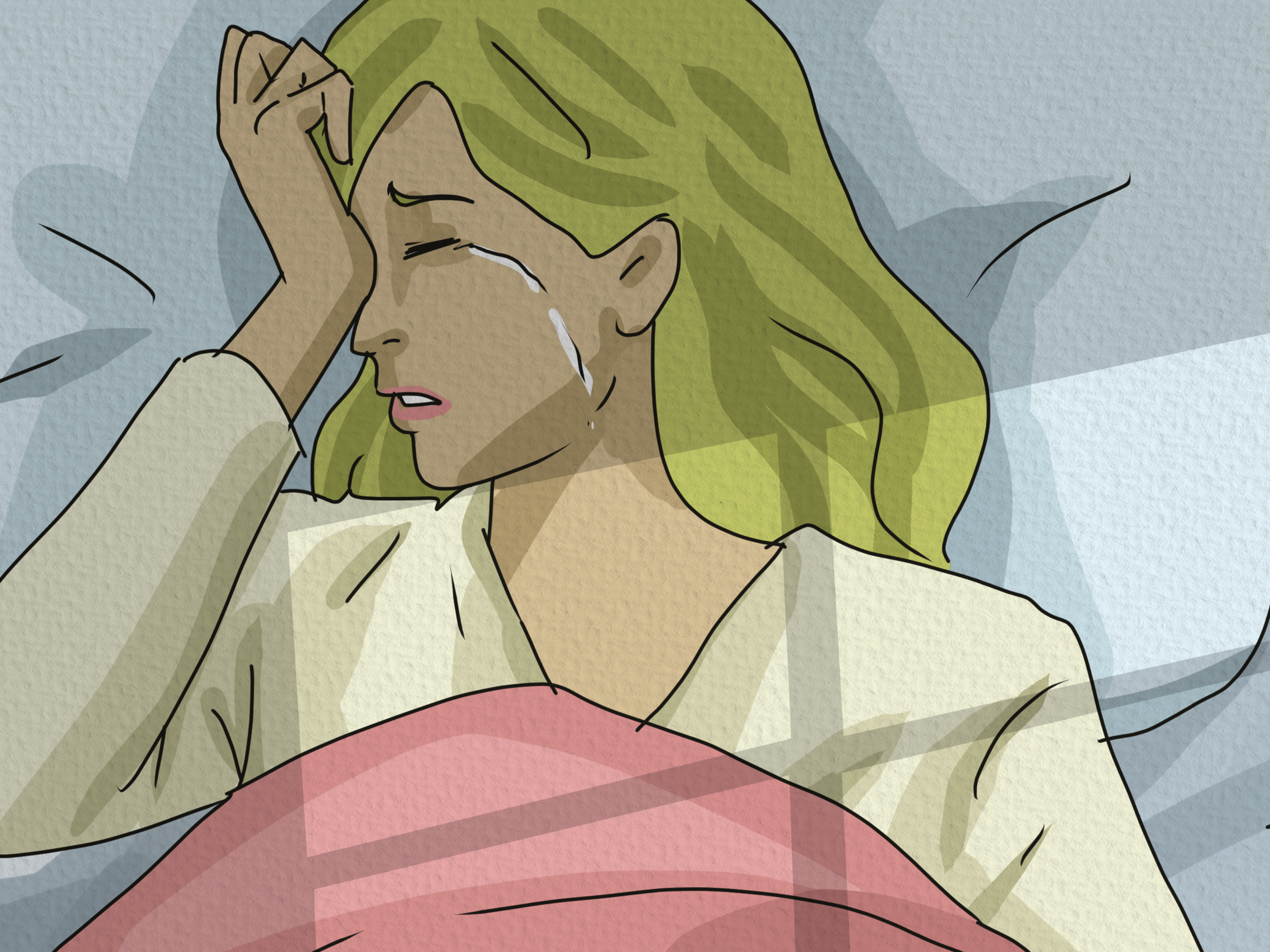
Waking up from a dream where you’re crying can feel oddly intenselike your brain hosted an emotional awards show while you were offline. Sometimes you remember exactly why you were sobbing. Other times, you just wake up with that “what happened to my feelings?” hangover.
Dream tears can be unsettling, comforting, confusing, or all three at once. And because crying is such a big human signal (in waking life and in dreams), people naturally wonder: Is this my subconscious? A spiritual message? A stress alarm? Or did I just binge a sad show before bed?
Let’s break down what crying in dreams can meanfrom practical psychology to spiritual interpretationswithout turning your pillow into a crystal ball (unless you want it to be, in which case: no judgment).
Why Crying Shows Up in Dreams (Quick Science, No Lab Coat Required)
Dreams are emotional experiencesnot random screen savers
Researchers generally describe dreams as mental and emotional experiences that happen during sleep. They can combine memory fragments, sensations, fears, hopes, and the occasional cameo from someone you haven’t thought about since 2014. Dreams are often most vivid during REM sleep, when brain activity ramps up and dreams tend to feel more story-like.
REM sleep is prime time for vivid dreaming
REM (rapid eye movement) sleep is strongly associated with vivid dreams, and it tends to cycle throughout the night. Your first REM period is usually shorter, and later ones typically get longermeaning the emotional “plot” can have more room to develop as the night goes on.
Dreaming can help the brain process emotions
One major theory is that dreaming and REM sleep are involved in emotional processinghelping your brain sort, store, and sometimes soften the edges of difficult experiences. Scientific literature describes links between REM sleep and emotional memory processing, though details can be complex and findings aren’t always perfectly tidy. Translation: your brain may use dreams to work through feelings, but it doesn’t always do it in a neat, linear way.
So if you’re crying in a dream, it’s not automatically mystical or ominous. It may simply be your mind doing emotional housekeepinglike “Inbox Zero,” but for feelings you’ve been leaving on read.
Common Interpretations of Crying in Dreams (Psychological Lens)
1) Emotional release: the “pressure valve” dream
A lot of crying dreams show up when you’ve been holding it together a little too tightly. In waking life, you might be the capable one, the calm one, the “I’m fine” one. In sleep, your brain may finally say, “Cool. Now can we please feel the thing?”
These dreams can appear during stressful periods, after conflict, or when you’re carrying griefeven if you don’t feel actively sad during the day.
2) Grief processing: even “old” grief can resurface
Grief doesn’t run on a schedule. You can be functioning, laughing, working, and then your sleeping brain opens a file labeled “Unprocessed Feelings, Do Not Touch,” and suddenly you’re crying in a dream. This can happen after a loss, a breakup, a friendship shift, or even the end of a life chapter (moving, graduating, becoming a parent, changing careers).
3) Stress and anxiety: tears as a nervous-system signal
Stress doesn’t always show up as worry thoughts. Sometimes it appears as emotional imagery: crying, running late, losing your voice, searching for something important, trying to call someone and your phone won’t work (classic). If your crying dream feels frantic, pressured, or shame-tinged, it may be connected to stress or anxiety.
4) Empathy overload: “Why am I crying over someone else?”
Dreaming of someone else crying can reflect your empathy and sensitivityespecially if you’ve been picking up on other people’s emotions. It might also symbolize a part of you that needs care (your dream uses “someone else” as a stand-in when it feels safer than saying, “Hi, it’s you. You’re the someone else.”).
5) Relief and resolution: crying that actually feels… good?
Not all dream crying is negative. Sometimes tears in a dream feel like release, closure, or even gratitudelike finally exhaling. These dreams can happen when you’ve made a decision, accepted something, or stopped fighting a truth you already knew.
6) Repressed anger or boundaries: tears that are really “I’m done”
Crying can also show up when anger is present but not expressed. If your dream has a theme of being ignored, misunderstood, trapped, or silencedand you’re crying instead of yellingit may point to boundary issues or conflict avoidance in waking life.
Spiritual Meanings of Crying in Dreams (With Feet on the Ground)
Spiritual dream interpretation is personal and culturally shaped. Two people can have the same “crying dream” and walk away with totally different meaningsand that’s not a bug, it’s the whole concept.
If you view dreams spiritually, crying in dreams is often framed as one (or more) of these themes:
1) Cleansing and renewal
Tears are water, and water symbolism is commonly associated with cleansing. Spiritually, dream tears may represent emotional purificationletting go of old heaviness, energetic “gunk,” or a season you’re ready to outgrow.
2) A “heart-opening” moment
Some spiritual frameworks connect crying to compassion, love, and the heart centerespecially if the dream feels tender rather than panicked. You might interpret it as becoming more emotionally open, more honest, or more aligned with what matters.
3) A message about what you truly value
Dreams can highlight what’s sacred to you: family, purpose, safety, belonging, freedom. Crying may be the emotional highlighter your psyche uses when something deeply meaningful is at stake.
4) Release of “stuck” energy (and yes, sometimes “karma,” depending on belief)
In some traditions, tears are seen as release of accumulated burdensold patterns, attachments, guilt, or unresolved pain. If that resonates with you, a crying dream can be interpreted as emotional unclogging: the system is moving again.
A gentle reality check: spiritual interpretations can be powerful, but they’re not a replacement for mental-health care, trauma support, or sleep medicine when those are needed. Think of spirituality as meaning-makingnot a medical diagnosis.
Specific Crying Dream Scenarios (And What They Might Suggest)
Crying uncontrollably
This often points to overwhelming emotionsomething bigger than one small problem. It can show up when you’re overextended, burnt out, or trying to be “strong” 24/7. Ask yourself: what would make life feel 15% lighter this week?
Silent tears (crying but no sound)
Silent tears can symbolize unspoken feelings: grief you don’t want to burden others with, resentment you haven’t named, or needs you keep minimizing. It may also reflect feeling unheard, or believing your emotions “don’t count.”
Crying in front of people
This can reflect vulnerability, fear of judgment, or a desire to be seen. If the dream includes embarrassment, it may connect to shame or perfectionism. If the dream feels relieving, it may represent emotional honesty and supportwanting to stop performing “fine.”
Crying alone
Crying alone can mean you’re processing privately, or that you feel isolated with your emotions. It can also be a clue that you need comfort and connection in waking lifeeven if you don’t want to ask for it.
Someone else is crying
Often this symbolizes empathy, worry, or your awareness that someone needs help. But it can also represent a “disowned” part of youyour inner child, your tired self, your grieving selfprojected into another character. Pay attention to who is crying and how you respond in the dream.
Crying at a funeral (even if no one has died)
Funeral dreams commonly symbolize endings and transitions: a relationship shifting, an identity changing, a season closing. If it’s a real person’s funeral, the dream may relate to your relationship with themor to what they represent in your life (security, authority, caretaking, friendship, etc.).
Tears of joy
Joyful crying dreams can reflect relief, gratitude, pride, or hopesometimes after a long stretch of stress. They may show up when something inside you finally believes, “We’re going to be okay.”
Waking up crying (or feeling like you did)
Sometimes emotions carry over during transitions between sleep and wakefulness. In certain sleep eventslike sleep terrors (more common in kids) or intense nightmarespeople may cry out or show distress while not fully awake. If this happens often, disrupts sleep, or includes unusual movements, it’s worth discussing with a clinician.
How to Interpret Your Crying Dream Without Overthinking It to Death
Dream interpretation works best when it’s personal, specific, and grounded. Try this approach:
Step 1: Name the emotion (not just “sad”)
Was it grief? Relief? Shame? Frustration? Tenderness? Loneliness? The “flavor” of the crying matters more than the plot details.
Step 2: Identify the trigger in the dream
What started the crying? A reunion? A loss? Being yelled at? A kind gesture? A memory? Even if the story is weird, the trigger is usually meaningful.
Step 3: Ask what this reminds you of (in waking life)
Dreams are often metaphorical. “I couldn’t stop crying” might mirror “I can’t keep carrying this.” “I cried in public” might mirror “I’m scared to be seen as imperfect.”
Step 4: Look for what you need
Dreams don’t just show pain; they hint at needs: rest, reassurance, boundaries, closure, forgiveness, connection, creativity, safety.
Step 5: Try the “one sentence” meaning
Finish this sentence: “This dream might be telling me that…” Then keep it simple. If you need a paragraph, you’re probably writing a novel (which is valid, but it’s a different project).
Step 6: Journal the next morning (two minutes counts)
A quick note can help you spot patterns. You don’t need a leather-bound journal and a candle. A notes app works. Your subconscious won’t be offended by digital stationery.
When Crying Dreams Might Signal Something More (Nightmares, Stress, or Sleep Issues)
Nightmares vs. nightmare disorder
Nightmares are common. But when they happen frequently and cause significant distress or daytime impairment, they may meet criteria for nightmare disorder. Medical organizations describe nightmare disorder as repeated, vivid, frightening dreams that disrupt sleep and functioning.
Stress, trauma, and life events
Stressful periods and major life events can trigger nightmares or disturbing dreams. Sometimes it’s your brain processing fear, grief, or pressure. If crying dreams cluster around trauma reminders or feel like reliving an event, consider trauma-informed support.
Sleep terrors (night terrors) and other parasomnias
Sleep terrors can involve screaming or crying and intense fear while not fully awake, and they’re more common in children. Parasomnias also include other unusual experiences during sleep or transitions (confusional arousals, dream enactment behaviors, etc.). If someone reports you’re crying, yelling, or acting out dreams, especially with confusion afterward, it’s worth bringing up with a healthcare professionalparticularly if safety is a concern.
Helpful treatments exist
For recurring nightmares that impair sleep, treatments can include therapy approaches and structured techniques. One common method is imagery rehearsal therapy (IRT), where you rewrite the ending of a recurrent nightmare while awake and rehearse the new version. The goal isn’t to “win” against your brainit’s to teach it a safer script.
Practical Ways to Handle Crying Dreams (Keep the Insight, Lose the 3 A.M. Drama)
1) Do a quick emotional check-in before bed
If you never give your feelings five minutes during the day, they may apply for the night shift. A short pre-sleep check-in can reduce the “surprise tears” factor: What am I worried about? What am I avoiding? What do I need tomorrow?
2) Lower the stress volume (even a little)
Stress management doesn’t have to be a full personality change. Try tiny levers: a walk, fewer late-night emails, a relaxing routine, or writing down tomorrow’s to-do list so your brain stops rehearsing it at midnight.
3) Watch the usual suspects
Alcohol, certain medications, sleep deprivation, and irregular sleep schedules can affect sleep quality and dream intensity. If crying dreams spike after late meals, doomscrolling, or a chaotic sleep schedule, that’s not a moral failurejust useful data.
4) If the dream was upsetting, ground your body after waking
Try: slow breathing, a sip of water, turning on a soft light, or naming five things you can see. Your brain may still be half in dreamland. Help it return gently.
5) Consider talking it out
If crying dreams repeat, they may be pointing to a real emotional knot. A therapist, counselor, trusted friend, or support group can help you process what your brain keeps trying to process at night.
Conclusion
Crying in dreams can mean many things: emotional release, grief processing, stress overflow, empathy, relief, or a spiritual sense of cleansing and heart-opening. The most helpful interpretation usually isn’t the most dramatic oneit’s the one that connects to your real life with clarity and compassion.
If your crying dreams are occasional, you can treat them like meaningful weather: “Interesting. Something’s moving through.” If they’re frequent, distressing, or disrupting sleep, there are evidence-based supports that can help. Either way, your dream tears aren’t “weird”they’re human.
Experiences People Commonly Report With Crying Dreams (And What They Can Teach You)
Below are examples of experiences people often describe when talking about crying dreams. These aren’t meant to diagnose anyone or predict the futurethey’re meant to help you recognize patterns and feel less alone if your subconscious has been running emotional marathons at night.
The “I’m fine all day, then I sob all night” season
A common story: someone is coping on the surfaceworking, caretaking, handling responsibilitiesthen has a dream where they’re crying so hard they can’t breathe. In waking life, they might say, “I don’t even feel that sad.” The dream can reveal something important: the body and brain don’t always process emotion in the same time zone as your calendar. Sometimes the daytime mind is busy being functional, and the sleeping mind finally gets a quiet moment to feel what was postponed.
The grief dream that arrives “late”
People often report crying dreams weeks, months, or even years after a lossespecially around anniversaries, birthdays, or big life changes. The dream may not be a sign you’re going backward. It can be a sign you’re integrating the loss into who you are now. Grief changes shape over time; the dream might simply be your mind saying, “This still matters,” not “You’re stuck.”
The dream where someone else cries, and you feel responsible
Another common experience is dreaming that a friend, a child, a partner, or even a stranger is cryingand the dreamer feels pressure to fix it. In waking life, these dreamers are often the “helper” type: deeply empathetic, quick to take on emotional labor, and not always great at asking for support. The dream can be a gentle nudge: compassion is beautiful, but you’re allowed to have boundaries. Sometimes the dream character is also a stand-in for the dreamer’s own unmet needslike your inner self waving a tiny emotional flag that says, “Hey… me too.”
The tears-of-joy dream after a hard stretch
Some people report crying tears of joy in dreams after they’ve survived something difficult: a health scare, a messy work season, a period of anxiety, or a long uncertainty. The dream may involve reunion, relief, forgiveness, or a moment of being truly understood. These dreams can feel like emotional confirmationyour brain practicing safety and hope the same way it sometimes practices fear. If you wake up lighter after this kind of dream, it may be your nervous system finally letting itself believe, “We’re okay.”
The “why am I crying about that?” dream
Many people have crying dreams with bizarre triggerscrying over a broken mug, crying because a bus left without them, crying because a celebrity told them they were proud (honestly? kind of nice). These dreams can teach a valuable lesson: the symbol isn’t always the point. The broken mug might represent comfort. The missed bus might represent feeling left behind. The proud celebrity might represent your desire for recognition. Your brain uses dramatic shorthand. It’s not trying to confuse you; it’s trying to communicate quickly in the language of imagery.
If you want to work with crying dreamspsychologically, spiritually, or bothtry treating them as messages about emotion, not predictions about fate. Ask what’s asking to be felt, released, forgiven, or protected. Then take one small waking-life step that answers that need. Your subconscious loves a good callback.