

Note: This article is for educational purposes only. A cystic fibrosis vest, airway clearance schedule, medication order, and device settings should always be personalized by a cystic fibrosis care team, respiratory therapist, or qualified healthcare professional.
What Is a Cystic Fibrosis Vest?
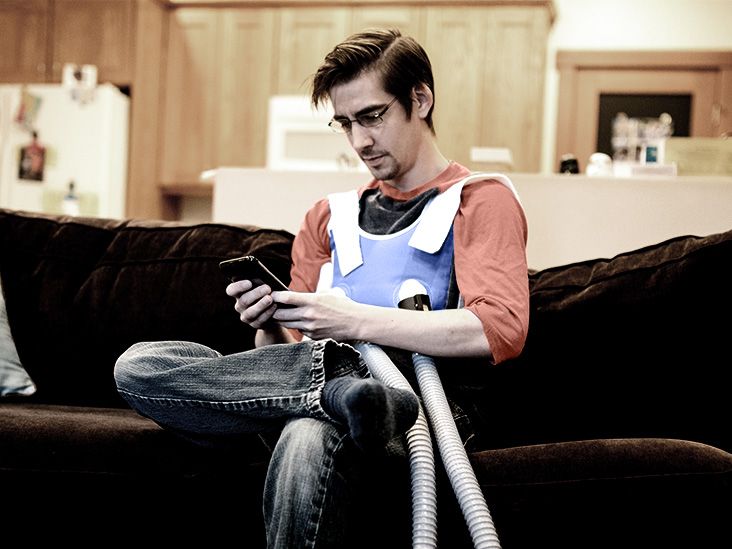
A cystic fibrosis vest is a medical airway clearance device used to help loosen thick mucus in the lungs. Its technical name is a high frequency chest wall oscillation device, often shortened to HFCWO. That sounds like something a robot would say before making coffee, but the idea is simple: the vest gently shakes the chest wall so mucus can move from smaller airways into larger airways, where it can be coughed or huffed out.
People with cystic fibrosis, also called CF, produce thick, sticky mucus that can clog the lungs and create a cozy little apartment complex for bacteria. Unfortunately, bacteria are terrible tenants. They invite inflammation, infections, coughing, breathing trouble, and lung damage. Airway clearance therapy is designed to move that mucus out before it overstays its welcome.
The vest is one of several airway clearance techniques. Others include manual chest physical therapy, positive expiratory pressure devices, oscillating PEP devices, autogenic drainage, active cycle breathing, huff coughing, and exercise. The vest is popular because it can be used at home, can reduce dependence on manual clapping from a caregiver, and may help people follow a consistent daily routine.
How High Frequency Chest Wall Oscillation Works
A typical HFCWO system includes an inflatable vest and a machine that generates rapid air pulses. Some models connect to a compressor with hoses. Others are portable, battery-powered devices designed for mobility. During treatment, the vest inflates and deflates quickly, creating rhythmic pressure against the chest wall.
These vibrations create small bursts of airflow inside the lungs. The goal is not to magically vacuum mucus out like a tiny lung Roomba. Instead, the oscillations help loosen mucus from airway walls, thin secretions, and move mucus toward larger airways. Once the mucus is mobilized, the person must cough or perform huff coughing to clear it. This is the part where the vest politely says, “I loosened it. You finish the job.”
Many care teams recommend stopping every few minutes during a session to cough or huff. A common routine may involve vest therapy for about 20 to 30 minutes, with breaks for airway clearance breathing techniques. Settings such as frequency, pressure, and treatment length vary by person, age, comfort level, lung condition, and provider recommendation.
Why Airway Clearance Matters in Cystic Fibrosis
Cystic fibrosis is caused by changes in the CFTR gene. This affects how salt and water move across cell surfaces. In the lungs, the result is mucus that becomes too thick and sticky. Instead of sliding out easily, it clings to airway walls like gum under a school desk.
When mucus stays trapped, it can block airflow, trigger chronic coughing, and increase the risk of lung infections. Over time, repeated infections and inflammation may damage the airways. Airway clearance therapy helps reduce mucus buildup, supports breathing, and plays a central role in long-term CF care.
The cystic fibrosis vest does not cure CF. It does not replace CFTR modulators, inhaled medications, antibiotics, pancreatic enzymes, nutrition plans, or regular clinic visits. It is one part of a larger treatment routine. Think of it as a dependable teammate: not the whole team, but definitely someone you want showing up to practice.
Who May Use a CF Vest?
High frequency chest wall oscillation is commonly prescribed for people with cystic fibrosis who need daily airway clearance. It may also be used in certain people with bronchiectasis, neuromuscular disease, chronic mucus retention, or other conditions that make clearing secretions difficult. However, this article focuses on CF.
A CF care team usually decides whether a vest is appropriate based on symptoms, lung function, age, airway clearance needs, treatment burden, home support, insurance coverage, and personal preference. Some children begin with manual chest physical therapy and later transition to a vest as they grow. Some adults use a vest because it allows greater independence. Some people use more than one airway clearance technique depending on whether they are well, fighting an infection, traveling, or recovering from a flare-up.
What a Typical Vest Therapy Session Looks Like
Although routines differ, a common vest therapy session follows a predictable pattern. First, the person puts on the vest and makes sure it fits snugly but comfortably. If it is too loose, the vibrations may not transfer well. If it is too tight, the experience can feel like being hugged by an overenthusiastic appliance.
Next, the machine is turned on using the settings prescribed by the respiratory therapist or physician. The vest begins oscillating. During the session, the person may stop periodically to cough or huff. Huff coughing is a controlled breathing technique that helps move mucus without the same force as a hard cough. It can be less tiring and more effective for moving mucus from deeper airways.
Some people use inhaled bronchodilators or mucus-thinning treatments before airway clearance, depending on their care plan. Hypertonic saline, dornase alfa, and bronchodilators may be part of a broader regimen. The exact order of treatments can matter, so patients should follow the schedule provided by their CF clinic.
Benefits of a High Frequency Chest Wall Oscillation Device
It Supports Daily Mucus Clearance
The main benefit of a cystic fibrosis vest is mucus mobilization. By helping loosen secretions, the vest can make coughing more productive. For people who feel congested or “rattly,” airway clearance may help them breathe more comfortably.
It Can Increase Independence
Manual chest physical therapy often requires another person to clap on specific areas of the chest and back. A vest can help people perform therapy more independently. This is especially helpful for teens, college students, working adults, and families with packed schedules.
It Fits Into Home Care
Because HFCWO therapy can be done at home, it helps make airway clearance part of everyday life. People may use the time to watch a show, read, answer messages, or do homework. The machine may be noisy, but many families eventually treat the sound like background music: not exactly jazz, but familiar.
It Offers Adjustable Settings
Most devices allow the care team to adjust pressure and frequency. This matters because comfort and effectiveness vary. A young child, a person recovering from illness, and an adult with advanced lung disease may not need the same approach.
Limitations and Things to Know
A CF vest is helpful, but it is not perfect. First, it takes time. People with CF already manage medications, nutrition, enzymes, clinic appointments, exercise, equipment cleaning, and insurance paperwork. Adding one or more daily vest sessions can feel like accepting a part-time job with no coffee breaks.
Second, airway clearance only works well when mucus is actually cleared. The vest loosens secretions, but coughing and huffing are still essential. Skipping the cough breaks is like sweeping the kitchen and leaving the dust pile in the middle of the floor.
Third, no single airway clearance technique is best for everyone. Evidence and clinical guidelines generally support regular airway clearance, but the ideal method should be individualized. Some people prefer PEP devices. Others prefer active breathing techniques, exercise, or manual therapy. Many use a combination.
Finally, devices can be expensive. Insurance coverage often depends on documentation, diagnosis, medical necessity, and provider support. CF clinics, social workers, respiratory therapists, and patient assistance resources can help families navigate the process.
Safety Considerations
Most people tolerate vest therapy well when it is properly prescribed and fitted. Still, certain situations require medical guidance. A person should contact their care team if vest therapy causes chest pain, dizziness, unusual shortness of breath, significant discomfort, vomiting, or worsening symptoms. Special caution may be needed after chest surgery, rib injury, severe reflux, feeding tube placement, pneumothorax, or episodes of coughing up blood.
Children should be supervised according to their age and care plan. The vest should be the correct size, and settings should not be changed casually. More pressure is not automatically better. This is healthcare, not a carnival strength test.
CF Vest vs. Other Airway Clearance Techniques
The cystic fibrosis vest is only one tool in the airway clearance toolbox. Manual chest physical therapy uses positioning, percussion, vibration, deep breathing, and coughing. Positive expiratory pressure devices help keep airways open while the person breathes out against resistance. Oscillating PEP devices add vibration inside the airways. Autogenic drainage uses controlled breathing at different lung volumes. Active cycle breathing combines relaxed breathing, deep breaths, and huff coughing.
Exercise can also support airway clearance and overall health, although it is usually considered an add-on rather than a universal replacement for prescribed ACT. Running, swimming, cycling, dancing, or brisk walking may help move air and secretions, while also improving endurance, mood, bone strength, and cardiovascular fitness.
The best airway clearance method is the one that is medically appropriate and realistic enough to do consistently. A perfect technique that sits unused in a closet is less useful than a good technique that actually happens.
How CFTR Modulators Changed the Conversation
Highly effective CFTR modulators have changed life for many people with cystic fibrosis. Some people produce less mucus, cough less, gain weight, and experience fewer exacerbations after starting modulator therapy. Naturally, this has raised a major question: do people still need daily airway clearance?
The answer is: ask the CF care team. Current practice remains cautious because long-term evidence is still evolving. Some people may eventually adjust routines under medical supervision, while others still need consistent airway clearance despite feeling better. Feeling better is wonderful, but it is not the same as having a crystal ball. Any reduction in vest therapy should be discussed with a clinician who understands the person’s lung history, imaging, cultures, symptoms, and pulmonary function.
Choosing and Using a Vest Device
Common HFCWO systems include traditional compressor-based vests and newer portable options. Brand names may vary, and product availability changes over time. A CF team may consider fit, age range, portability, treatment settings, cleaning requirements, warranty, insurance coverage, and patient preference.
For children, comfort and cooperation matter. A vest that fits properly and feels manageable is more likely to become part of the routine. For adults, portability and scheduling may be priorities. For students or frequent travelers, battery-powered models may be helpful. For families, customer support and insurance navigation may be just as important as the machine itself.
Cleaning and maintenance also matter. Tubing, garments, filters, batteries, and machine surfaces should be managed according to the manufacturer’s instructions and clinical guidance. Good hygiene helps reduce exposure to germs, which is especially important in CF care.
Practical Tips for Better Vest Therapy Adherence
Build It Into a Routine
Vest therapy is easier when it is tied to predictable daily anchors, such as after waking up, before school, after work, or before evening relaxation. The fewer decisions required, the better. Nobody wants to negotiate with themselves at 6:30 a.m. while holding a nebulizer cup.
Pair It With Something Enjoyable
Many people use vest time for streaming shows, audiobooks, music, studying, or quiet scrolling. Kids may respond well to games, sticker charts, or special “vest-only” entertainment. Adults may use the time to plan the day or decompress.
Use Huff Coughing Correctly
The vest loosens mucus, but huffing helps move it out. A respiratory therapist can teach proper technique. Learning the difference between an effective huff and a throat-clearing cough can make airway clearance more productive and less exhausting.
Plan for Travel
Traveling with CF equipment requires planning. People may need letters from clinicians, backup supplies, batteries, chargers, cleaning materials, and extra time at airports. Portable devices can help, but they still require a realistic treatment plan.
Real-Life Experiences With a Cystic Fibrosis Vest
For many families, the first experience with a cystic fibrosis vest is a mix of relief, uncertainty, and mild comedy. The machine arrives, the box is enormous, and someone in the house says, “Are we treating lungs or launching a satellite?” Then the respiratory therapist explains the settings, the schedule, the cough breaks, and the cleaning steps. Suddenly, the vest becomes less mysterious and more like a new appliance with a very important job.
Parents of young children often describe the early stage as a negotiation. A toddler may not care that mucus clearance protects lung health. A toddler cares that the cartoon is not playing, the vest feels weird, and the dog is looking suspiciously entertained. Families often learn to make vest time predictable and positive. Some use songs, picture books, reward charts, or a favorite show. The goal is not perfection. The goal is cooperation, repetition, and fewer daily wrestling matches with medical equipment.
Teenagers may have a different experience. The vest can feel like one more reminder that CF does not take days off. It can interfere with sleepovers, sports, homework, dating, and the sacred teenage art of pretending not to hear parents. For teens, privacy and independence matter. Having control over timing, entertainment, and setup can make a difference. A teen who helps choose the routine may be more likely to follow it than one who feels ordered around by both adults and a vibrating jacket.
Adults with CF often talk about treatment burden. Vest therapy may happen before work, after work, during lunch breaks, or late at night. Some adults schedule calls around treatments because the machine can be loud enough to make coworkers wonder if a helicopter has landed in the living room. Others use the time intentionally: one episode of a show equals one treatment session, or one audiobook chapter equals a completed airway clearance block.
During illness, the vest may become even more important. Many people are instructed to increase airway clearance when they have more congestion, thicker sputum, or early signs of a pulmonary flare. This can be frustrating because the days when airway clearance is most needed are often the days when energy is lowest. That is where support helps. A family member can prepare supplies, clean equipment, bring water, or simply sit nearby. Sometimes the best support is not a speech about discipline. It is a clean nebulizer cup and a quiet, “I’ll handle dinner.”
People also learn practical tricks over time. Wearing a soft shirt under the vest can improve comfort. Keeping tissues, a sputum cup if prescribed, water, and cleaning supplies nearby prevents mid-session scavenger hunts. Setting reminders reduces missed sessions. Talking honestly with the CF team helps too. If a routine is not working, it is better to say so than to nod heroically and then avoid the machine. Care teams can adjust timing, settings, technique, or treatment order.
The emotional side matters as much as the mechanical side. A cystic fibrosis vest can represent safety, annoyance, independence, burden, and hope all at once. It is normal for patients and caregivers to have complicated feelings about it. The vest is not glamorous. It will not win a fashion award unless the category is “medical marshmallow chic.” But for many people with CF, it becomes a familiar part of daily care: a noisy, practical, sometimes irritating tool that helps keep airways clearer and days more manageable.
Conclusion
A cystic fibrosis vest, or high frequency chest wall oscillation device, is an important airway clearance option for many people living with CF. By creating rapid chest wall vibrations, the vest helps loosen thick mucus so it can be moved into larger airways and cleared through coughing or huffing. It is not a cure, and it is not the only airway clearance method, but it can support independence, consistency, and daily lung care.
The most effective vest routine is personalized. Treatment length, settings, medication order, cough breaks, and frequency should come from a qualified CF care team. As CF care continues to evolve with modulator therapies and new research, airway clearance decisions should stay individualized rather than trendy. In other words: do not break up with your vest by text. Talk to your clinician first.