

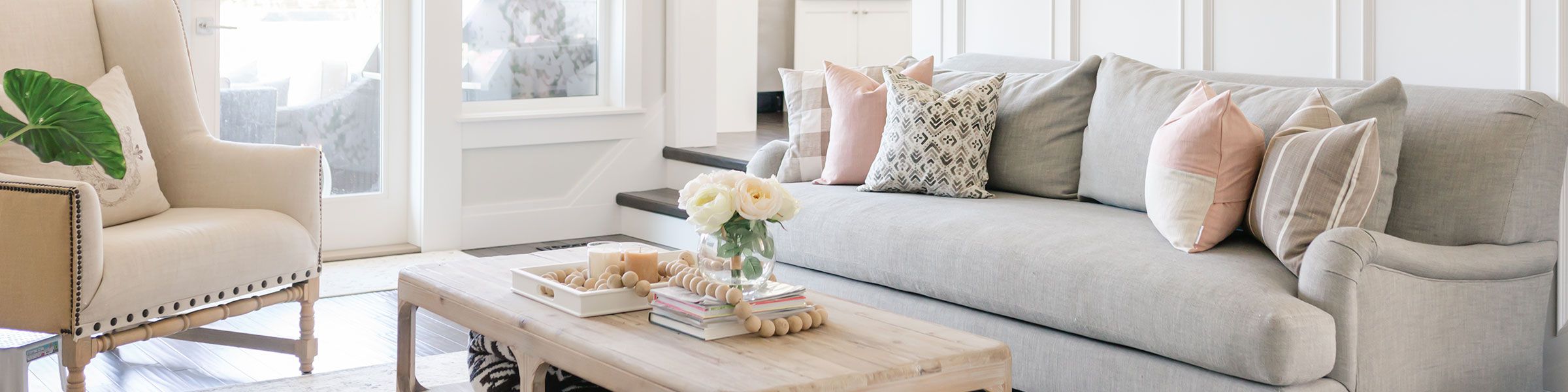
Decorating is basically storytellingexcept your main character is a sofa, your plot twist is a lamp you bought at 11:58 p.m.,
and your villain is “why does this rug look smaller at home?” The good news: you don’t need a design degree (or a trust fund)
to pull off a cohesive, beautiful space. You just need a simple way to understand decorating styles (the design language)
and decorating themes (the vibe or narrative), then mix them like a pro instead of like a confused DJ.
This guide breaks down popular interior design styles, common home decor themes, and the practical
steps to choose what fits your home and your life. We’ll keep it real, keep it useful, and keep your space from looking like a
furniture showroom where nobody is allowed to sit.
Style vs. Theme: What’s the Difference?
Think of style as your decorating “grammar.” It’s the set of rules (or at least strong suggestions) that shape
the overall looklines, shapes, materials, and how furniture behaves in a room. Examples: traditional, modern,
mid-century modern, Scandinavian, industrial, farmhouse.
A theme is your “plot.” It adds personality and imagerylike coastal, desert modern,
botanical, moody, Parisian, or modern heritage. Themes work best when they’re subtle.
Your goal is “inspired by,” not “I glued seashells to the TV.”
A quick shortcut
- Style = structure (silhouettes, materials, furniture shapes)
- Theme = mood (color story, pattern choices, art, accessories)
- Best results = one primary style + one supporting theme
How to Choose Your Decorating Style Without Overthinking It
Choosing a style isn’t about picking a label and never changing your mind. It’s about finding a “home base” so your choices
feel connected. Here’s a practical way to land on your look.
1) Start with your home’s architecture
Your house already has opinions. A Craftsman with wood trim tends to look natural in warm, layered styles. A sleek condo with
big windows often loves modern, contemporary, or Scandinavian lines. You can mix erasjust acknowledge what’s already
there so your choices look intentional.
2) Pick the “non-negotiables” you need for real life
- Pets or kids? Prioritize durable fabrics, washable covers, and forgiving finishes.
- Small space? Favor leggy furniture, multi-function pieces, and fewer visual “interruptions.”
- Low light? Use lighter walls, mirrors, layered lighting, and warm-toned bulbs.
3) Build a simple style recipe
A helpful formula: 60% base + 30% supporting + 10% spicy personality. Base is your main style. Supporting is
a second style or theme. The 10% is where you get weird (in a good way): art, a bold color, a sculptural chair, or a lamp that
looks like it came from a museum gift shop.
Popular Decorating Styles (And How to Spot Them in the Wild)
Below are the most common decorating styles and what makes each one work. For each, you’ll get the signature elements,
easy ways to try it, and a quick “don’t do this” so your room doesn’t drift into parody.
Traditional
Traditional style is timeless, polished, and a little “grown-up” in the best way. Expect classic furniture
shapes, symmetry, layered window treatments, and warm woods. It often features details like molding, tailored upholstery, and
patterns that feel established (stripes, damask, subtle florals).
- Signature look: classic silhouettes, rich textures, elegant balance
- Try it fast: add matching lamps, a framed gallery wall, and a patterned rug
- Avoid: making everything match too perfectly (it can feel stiff)
Modern vs. Contemporary
These two get mixed up constantly. Modern design refers to a specific early-to-mid 20th-century movement:
clean lines, function-first furniture, and minimal ornament. Contemporary means “of the moment”it evolves.
Today’s contemporary spaces often include clean lines, some curves, mixed materials, and comfort-forward furniture.
- Signature look: uncluttered, streamlined, intentional negative space
- Try it fast: swap busy patterns for solids + one strong texture (bouclé, linen, leather)
- Avoid: making it so minimal it feels like a waiting room
Mid-Century Modern
Mid-century modern is the cool, confident cousin of modernstill clean-lined, but warmer and more playful.
Look for tapered legs, organic shapes, wood tones (especially walnut vibes), and graphic accents. It’s practical, friendly,
and surprisingly easy to mix with other styles.
- Signature look: low-profile furniture, warm wood, geometric moments
- Try it fast: add a wood credenza, a globe pendant, and a bold art print
- Avoid: turning the room into a retro costume party
Scandinavian
Scandinavian style is bright, functional, and cozy (yes, cozy can be a design strategy). You’ll see light
woods, simple silhouettes, and a calm paletteoften whites, soft grays, and muted earthy tones. Texture does a lot of work:
wool throws, natural fiber rugs, and warm lighting.
- Signature look: airy, light, soft minimalism with warmth
- Try it fast: lighten your palette, add natural textures, and simplify surfaces
- Avoid: going so neutral the room loses personality
Japandi
Japandi blends Japanese calm with Scandinavian warmth: clean lines, natural materials, and an emphasis on
craftsmanship. It’s minimal but not coldthink quiet elegance, low visual clutter, and “every piece earns its keep.”
- Signature look: serene, natural, thoughtfully edited
- Try it fast: add a few handmade ceramics, warm wood, and soft neutral layers
- Avoid: stark emptiness (serene is not the same as vacant)
Industrial
Industrial style takes cues from warehouses and old factories: metal, exposed brick (real or convincingly
faked), weathered wood, and utilitarian forms. It tends to look best when softened with textiles and warm lighting.
- Signature look: raw finishes, black metal accents, functional forms
- Try it fast: add a metal floor lamp, leather or faux leather, and a chunky wood table
- Avoid: making everything hard-edged (echo-y and uninviting)
Farmhouse (Modern Farmhouse and Beyond)
Farmhouse decor is cozy, casual, and rooted in comfortoften with simple silhouettes, natural materials,
and vintage-inspired touches. Modern farmhouse typically sharpens the look with cleaner lines and fewer fussy details,
balancing rustic warmth with fresh simplicity.
- Signature look: warm neutrals, approachable furniture, lived-in textures
- Try it fast: add woven baskets, a linen slipcover look, and matte black hardware
- Avoid: overdoing signage and themed slogans (your walls don’t need to narrate)
Rustic
Rustic style leans into nature: reclaimed wood, stone, earthy colors, and cozy textures. It can range from
cabin-inspired to a more refined “rustic modern” look. The key is honest materialsthings that look better with a little wear.
- Signature look: organic materials, warm tones, cozy layers
- Try it fast: add a chunky knit throw, natural wood, and warm lighting
- Avoid: too many rough textures without contrast (it can feel heavy)
Coastal
Coastal style isn’t “beach souvenir shop.” The best versions feel light, breezy, and relaxedoften with
whites, sand tones, soft blues, and natural fibers like rattan and jute. The goal is an easy-living mood, even if you’re
700 miles from the ocean.
- Signature look: airy palette, organic textures, casual comfort
- Try it fast: add linen curtains, a woven pendant, and ocean-inspired art (abstract works great)
- Avoid: too many literal shells/anchors (themes are better as whispers)
Bohemian (Boho)
Bohemian style is layered, eclectic, and personal. It mixes patterns, textures, and erasoften with global
influences, vintage finds, plants, and color. The trick is controlled chaos: repeat a few colors to keep it feeling curated.
- Signature look: pattern-mixing, collected objects, texture-on-texture
- Try it fast: add a vintage rug, mixed pillows, and warm ambient lighting
- Avoid: clutter without intention (boho is not “I gave up”)
Art Deco
Art Deco brings drama: bold geometry, glossy finishes, luxe materials, and high contrast. Think brass,
velvet, lacquer, and strong shapes. Even a small Deco momentlike a mirror or lightingcan elevate a space instantly.
- Signature look: glam geometry, rich colors, reflective accents
- Try it fast: add a brass lamp, a scalloped mirror, or a velvet accent chair
- Avoid: going full casino-lobby unless that’s truly your dream
Minimalism and Maximalism
Minimalism is about editingkeeping what matters and letting space do some of the design work. It often uses
calm palettes and simple forms. Maximalism is the opposite: layering color, pattern, art, and collections.
Both can be tasteful, and both can go sideways if you forget comfort and function.
- Minimalism tip: use texture (not clutter) for interestwood grain, linen, plaster finishes
- Maximalism tip: repeat key colors and add negative space so the room can breathe
- Avoid: sterile minimalism or chaotic maximalismyour room should still feel livable
Transitional and “Soft Transitional”
Transitional style bridges traditional and contemporaryclassic roots with cleaner lines. It’s popular because
it’s flexible and timeless: you get warmth without fussiness and polish without feeling cold. “Soft transitional” leans even more
into comfortcurves, cozy textiles, and a calm, approachable palette.
- Signature look: balanced, versatile, classic-with-a-modern-twist
- Try it fast: pair a classic sofa shape with modern lighting and simplified decor
- Avoid: mixing eras randomlychoose a consistent color story to unify everything
Decorating Themes That Add Personality (Without Turning Your Home Into a Costume)
Themes are powerful because they guide your smaller decisions: art, accessories, textiles, and color. The best themes feel
like a moodboard, not a movie set. Here are a few theme ideas that work across many styles.
Modern Heritage
This theme blends vintage character with modern comfort. You’ll see a respect for architectural details (molding, trim,
original wood) paired with updated layouts, practical furniture, and personal art. It’s especially great if you love
timeless spaces that still feel like real life happens there.
Botanical and Biophilic
Plants, natural textures, and organic forms create a calmer environment. The theme can be subtle (a few sculptural plants,
nature photography, natural fibers) or lush (layered greenery, terracotta, leafy patterns). Works beautifully with Scandinavian,
boho, coastal, and transitional styles.
Moody and Cozy
Deep colors, warm lighting, and rich textures make spaces feel intimate. Think charcoal, forest green, navy, or aubergine,
paired with brass accents, soft rugs, and layered light sources. Great for bedrooms, libraries, dining rooms, or any place you
want to feel like you could read a novel dramatically.
Desert Modern
Earthy tones (clay, sand, terracotta), sculptural shapes, and textured finishes (limewash, plaster, woven accents) create a
warm, sunbaked calm. It can lean minimalist or eclectic depending on your furniture choices.
Old-World European
A theme built on patina: warm woods, antique-inspired details, linen drapery, classical art, and a collected feel. The trick:
mix in modern comfort so it doesn’t feel like a museum where the couch is “for looking only.”
How to Pull It Together: A Practical Decorating Plan
Step 1: Choose a color strategy (not just a color)
Instead of picking one “perfect” paint color and spiraling for three weeks, choose a color strategy:
neutral base + 1–2 accent colors is the easiest. Then pick a metal finish (or two) and repeat it.
Repetition is what makes rooms feel intentional.
Step 2: Decide your texture mix
Rooms that look “flat” usually lack texture. Mix at least three categories:
soft (linen, wool, velvet), natural (wood, rattan, stone), and sleek (metal,
glass, glazed ceramic). Texture is also how you make neutrals feel expensive without actually spending expensive money.
Step 3: Anchor with the big pieces first
Start with the largest furniture items: sofa, bed, dining table, major storage. If those pieces match your main style,
everything else is easier. Then layer smaller items (chairs, side tables), then accessories (pillows, art, decor).
Step 4: Use lighting like a designer
Great rooms rarely rely on a single ceiling light. Aim for three layers:
ambient (overall), task (reading/cooking), and accent (mood + highlights).
Bonus points for warm bulbs and dimmers, because nothing says “cozy” like lighting that doesn’t feel like an interrogation.
Step 5: Make your walls do more than exist
- Art: go bigger than you think, hang it at eye level, and let it anchor your theme.
- Paint: use it strategicallyone accent wall, color-drenching a small room, or highlighting trim.
- Textiles: curtains can soften a room instantly (and make ceilings look taller).
Common Decorating Mistakes (And How to Fix Them Fast)
Mistake: Everything is the same tone
If your room is all beige-on-beige, add contrast: black accents, deeper wood, or a patterned rug. Contrast creates definition.
Mistake: Too many tiny decor items
Swap a cluster of small objects for fewer, larger pieces. One big vase or large art print reads calmer than 17 little things
that need dusting and emotional support.
Mistake: The room feels “theme-y”
Replace literal items with abstract references. Instead of seashells, use coastal colors and natural textures. Instead of “farm”
decor, use warm woods and simple pottery. Themes should feel like a vibe, not a Halloween costume.
Mistake: The space looks good but doesn’t function
Prioritize pathways, storage, and comfort. A beautiful room that you can’t live in is basically a very expensive photograph.
Experience-Based Lessons: What Real Decorating Journeys Usually Teach You (About )
Decorating isn’t a single decisionit’s a series of small choices that gradually reveal what you actually like. In real homes,
people often start with a “style crush” and then discover their true preferences through trial, error, and the occasional
“why did I buy that?” moment. Here are a few experience-based patterns that show up again and again, plus what tends to fix them.
1) The accidental theme overload. A classic example is coastal decor going from “fresh and breezy” to “gift shop
on pier 39.” It usually happens when accessories do all the talking: shells, anchors, rope details, and beach-word art pile up
because they’re easy to grab. The fix is almost always the same: keep the theme in the palette and textures
(whites, sand tones, soft blues, rattan, linen), then choose art that’s more abstractseascapes, horizon photography, or even
modern pieces that simply echo the color story. Suddenly the room feels intentional instead of literal.
2) The minimalist room that feels cold. People try minimalism to calm visual noise (and to avoid dusting).
But if the room becomes too bare, it can feel like a model unit where nobody’s allowed to laugh. The lesson: minimalism works
best when you add texture and warmth. A chunky rug, linen curtains, warmer wood tones, and layered lighting can
make a simplified space feel invitingwithout bringing the clutter back. You still get calm; you just don’t get “waiting for a
dentist appointment.”
3) The boho vibe that turns into clutter. Bohemian spaces are supposed to look collected, not chaotic. The
difference is repetition. Real-world boho success usually comes from choosing 2–3 core colors and repeating them in rugs,
pillows, and art. Another common lesson: keep surfaces somewhat edited. If every flat surface becomes a display zone, the room
can start to feel visually exhausting. Boho looks best when you mix layersthen give the eye a few quiet places to rest.
4) The farmhouse drift. Farmhouse is warm and friendly, but it can drift into overly themed territory when every
object tries to “prove” the concept. The lived-in solution tends to be focusing on quality basics: simple furniture, warm neutrals,
natural materials, and vintage-inspired potterythen letting one or two statement elements carry the style (like a substantial wood
table or a woven pendant). When people pull back on signage and matchy-matchy decor, farmhouse becomes timeless instead of trendy.
5) The mixed-style home that finally clicks. Many homes end up happiest in transitional territory: a modern sofa
with a vintage rug, clean-lined tables with classic art, contemporary lighting with traditional millwork. The “aha” moment usually
comes when the homeowner commits to a consistent color palette and a few repeating materials (like oak + black metal + warm white).
Once the palette and finishes are consistent, mixed styles feel curated instead of random.
The big takeaway from real decorating journeys: your style is allowed to evolve. If you keep your base consistent (the big pieces,
the palette, the finishes), you can change themes seasonally, update accessories over time, and keep your home feeling freshwithout
starting from scratch every time you fall in love with a new lamp.
Conclusion: Your Style Should Fit Your Life
The best decorating styles and themes are the ones that make your home feel like youcomfortable, functional, and a little
bit delightful. Choose a primary style that suits your space and lifestyle, add a theme for personality, and rely on repetition
(colors, materials, shapes) to create cohesion. Then enjoy the process. Decorating is never truly “done”it just gets better as your
home collects stories (and hopefully fewer questionable impulse buys).