

A hepatitis B diagnosis can make the grocery store feel like a pop quiz you forgot to study for. Is coffee allowed? Are eggs too fatty? Does the liver need a dramatic three-day juice cleanse featuring celery and regret?
Fortunately, eating well with hepatitis B is usually much less theatrical. There is no single “hepatitis B diet,” and no food can remove the hepatitis B virus from the body. The main goals are to support overall liver health, maintain a healthy weight, reduce the risk of fatty liver disease, and avoid substances that may add extra stress to an already busy organ.
For most people with chronic hepatitis B who do not have cirrhosis or another major medical condition, a balanced eating pattern built around vegetables, fruits, whole grains, lean protein, and healthy fats is appropriate. People with cirrhosis, fluid retention, diabetes, kidney disease, poor appetite, or unintentional weight loss may need a more individualized plan from a hepatologist and registered dietitian.
How Diet Affects Hepatitis B
Hepatitis B is a viral infection that can cause inflammation and damage in the liver. Diet does not cure the infection, replace antiviral medication, or eliminate the need for regular blood tests and liver monitoring. However, food choices can influence body weight, blood sugar, cholesterol, muscle mass, and the amount of fat stored in the liver.
This matters because metabolic dysfunction-associated steatotic liver disease, often shortened to MASLD, can occur alongside hepatitis B. Carrying excess weight, having type 2 diabetes, or following a diet high in sugary drinks and heavily processed foods may increase the chance of additional liver stress. A sensible diet is therefore less about finding one magical “liver food” and more about improving the entire nutritional neighborhood.
Best Foods to Eat With Hepatitis B
1. Vegetables in a Variety of Colors
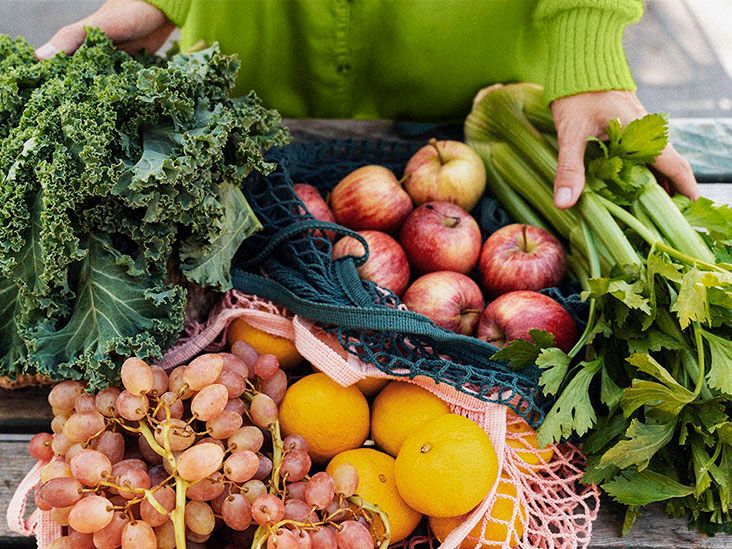
Vegetables provide fiber, vitamins, minerals, and plant compounds without loading the diet with excess calories. Aim to make vegetables about half of many lunch and dinner plates. Useful choices include broccoli, spinach, kale, cabbage, carrots, bell peppers, tomatoes, green beans, mushrooms, zucchini, and cauliflower.
Fresh, frozen, and low-sodium canned vegetables can all work. Frozen vegetables are especially helpful when your energy is low because they are already washed, chopped, and emotionally prepared for Tuesday night.
2. Whole Fruit
Whole fruit offers fiber and is generally a better everyday choice than fruit juice. Apples, oranges, berries, pears, grapes, peaches, papaya, melon, and bananas can fit into a liver-friendly eating plan. Choose fruit canned in water or its own juice rather than heavy syrup.
Fruit is nutritious, but portions still matter for people with diabetes or high blood sugar. Pairing fruit with plain yogurt, nuts, or another protein source may help make a snack more satisfying.
3. Whole Grains and High-Fiber Carbohydrates
Brown rice, oats, barley, quinoa, whole-wheat bread, whole-grain pasta, corn, and other minimally processed grains provide fiber and steady energy. Beans, lentils, peas, and sweet potatoes are also useful carbohydrate sources.
Replacing some refined grains with whole grains can support weight management and blood sugar control. You do not need to ban white rice forever, especially if it is part of your culture or family meals. A practical approach is to reduce the portion and add more vegetables and protein around it.
4. Lean and Varied Protein
Protein helps maintain muscle, support immune function, and repair body tissues. Good options include fish, skinless poultry, eggs, beans, lentils, tofu, tempeh, low-fat dairy products, and small portions of lean meat.
Do not automatically restrict protein because you have liver disease. People with cirrhosis are often at risk of muscle loss and may need adequate or even increased protein under medical guidance. Unless your clinician has given specific instructions, the goal is usually to choose healthy protein sources rather than avoid protein.
5. Unsaturated Fats
Olive oil, avocado, nuts, seeds, natural peanut butter, and fatty fish such as salmon, trout, and sardines provide unsaturated fats. These can replace some saturated fats found in fatty meats, butter, heavy cream, and many fried foods.
Healthy fats are still calorie-dense, so use them thoughtfully. A tablespoon of olive oil is useful; pouring it as though you are blessing the salad may be more than you need.
6. Water and Low-Sugar Drinks
Water is the simplest default beverage. Unsweetened tea, sparkling water, and coffee without large amounts of sugar or cream may also fit for many adults. There is no universal requirement to drink excessive water to “flush” hepatitis B from the liver. Hydration needs vary with body size, climate, activity, kidney function, medications, and whether fluid retention is present.
Foods and Drinks to Limit or Avoid
Alcohol
Alcohol can cause additional liver damage, and people with hepatitis B should discuss alcohol use directly with their clinician. Avoiding alcohol is the safest approach, particularly for anyone with elevated liver enzymes, fibrosis, cirrhosis, fatty liver disease, or a history of heavy drinking.
Sugary Drinks and Large Amounts of Added Sugar
Soda, sweet tea, energy drinks, sweetened coffee beverages, candy, pastries, and frequent desserts can add many calories without much nutrition. Regularly consuming them may contribute to weight gain, insulin resistance, and fat accumulation in the liver. Save sweets for occasional enjoyment rather than making them a supporting character in every meal.
Fried Foods and Foods High in Saturated Fat
Limit deep-fried meals, fatty cuts of meat, processed meats, butter-heavy dishes, and foods made with large amounts of cream or shortening. Choose baked, grilled, steamed, roasted, or stir-fried foods more often. This is not because one cheeseburger will send your liver into early retirement; the overall pattern matters.
Highly Processed and Salty Foods
Instant noodles, chips, frozen dinners, canned soups, fast food, deli meats, sausages, and salty sauces can contain large amounts of sodium. Most people benefit from moderating sodium, while those with cirrhosis, swelling, or ascites may need a stricter sodium limit prescribed by their medical team.
Flavor food with garlic, ginger, citrus, vinegar, pepper, herbs, and salt-free spice blends. Check labels because sodium can hide in bread, condiments, seasoning packets, and foods that do not taste especially salty.
Raw or Undercooked Shellfish
People with liver disease can become seriously ill from bacteria found in raw or undercooked shellfish, especially oysters. Cook shellfish thoroughly. If you have cirrhosis, also ask your medical team about avoiding other raw or undercooked seafood, meat, eggs, and unpasteurized dairy products.
“Liver Detox” Products and Unapproved Supplements
Detox teas, concentrated herbal extracts, bodybuilding products, and weight-loss supplements are not proven treatments for hepatitis B. Some supplements can injure the liver or interact with antiviral drugs and other medicines. Even products labeled “natural” can be surprisingly talented at causing unnatural laboratory results.
Do not start milk thistle, turmeric or curcumin capsules, green tea extract, kava, traditional herbal mixtures, or high-dose vitamins without discussing the exact product and dose with a clinician or pharmacist who knows your liver history.
A Simple Plate Method for Hepatitis B
For a straightforward meal, fill half the plate with nonstarchy vegetables, one quarter with lean protein, and one quarter with whole grains or another high-fiber carbohydrate. Add a small amount of healthy fat and choose water or an unsweetened beverage.
Examples include grilled salmon with brown rice and broccoli; tofu with mixed vegetables and quinoa; chicken with roasted sweet potato and green beans; or lentil soup with a whole-grain roll and a side salad.
Sample 7-Day Hepatitis B Diet Plan
This sample plan is intended for general education. Portion sizes should be adjusted for age, body size, activity level, weight goals, appetite, blood sugar, and medical conditions.
Day 1
Breakfast: Oatmeal with blueberries, walnuts, and plain low-fat milk or fortified soy milk.
Lunch: Grilled chicken salad with mixed greens, tomatoes, cucumbers, chickpeas, and olive oil vinaigrette.
Dinner: Baked salmon, brown rice, and roasted broccoli.
Snack: Apple with natural peanut butter.
Day 2
Breakfast: Scrambled eggs with spinach and whole-grain toast.
Lunch: Lentil soup with a side of fruit and a small whole-grain roll.
Dinner: Tofu and vegetable stir-fry served over quinoa.
Snack: Plain yogurt with sliced strawberries.
Day 3
Breakfast: Plain Greek yogurt with oats, banana, and chia seeds.
Lunch: Turkey or hummus wrap with lettuce, tomato, and shredded carrots.
Dinner: Baked chicken, sweet potato, and green beans.
Snack: Unsalted nuts and a small orange.
Day 4
Breakfast: Whole-grain toast topped with avocado and a boiled egg.
Lunch: Brown rice bowl with black beans, cabbage, salsa, corn, and avocado.
Dinner: Trout, barley, and sautéed zucchini.
Snack: Carrot sticks with hummus.
Day 5
Breakfast: Smoothie made with berries, spinach, plain yogurt, and unsweetened milk; avoid turning it into a sugar milkshake with multiple juices and syrups.
Lunch: Tuna and white bean salad with greens and lemon.
Dinner: Whole-wheat pasta with tomato sauce, mushrooms, spinach, and lean ground turkey or lentils.
Snack: Pear with a few almonds.
Day 6
Breakfast: Vegetable omelet with fruit.
Lunch: Leftover whole-wheat pasta with a side salad.
Dinner: Bean chili topped with plain yogurt and served with steamed vegetables.
Snack: Air-popped popcorn with little or no added salt.
Day 7
Breakfast: Overnight oats with apple, cinnamon, and pumpkin seeds.
Lunch: Grilled fish tacos in corn tortillas with cabbage slaw and avocado.
Dinner: Roast chicken or tempeh, quinoa, and mixed roasted vegetables.
Snack: Cottage cheese or fortified soy yogurt with peaches.
Adjusting the Diet for Symptoms and Complications
If Nausea or Poor Appetite Is a Problem
During an acute illness or a flare of symptoms, smaller meals may feel easier than three large meals. Try bland foods such as oatmeal, rice, toast, bananas, soup, yogurt, eggs, or baked potatoes. Include protein where tolerated, and contact a clinician if you cannot keep fluids down, are losing weight, or develop worsening jaundice.
If You Have Cirrhosis or Ascites
Cirrhosis changes nutritional needs. Your clinician may recommend limiting sodium, avoiding long fasting periods, eating smaller meals more frequently, and including a protein-rich evening snack. Fluid restriction is not necessary for everyone and should not be started unless a clinician recommends it. Because malnutrition and muscle loss are common in advanced liver disease, an overly restrictive “clean eating” plan can sometimes do more harm than good.
If You Also Have Diabetes or Fatty Liver Disease
Focus on portion sizes, high-fiber carbohydrates, fewer sugary drinks, and gradual weight loss when appropriate. Rapid crash diets are not the goal. Losing weight slowly through sustainable food changes and physical activity is generally more realistic and easier to maintain.
Practical Experience: What Makes a Hepatitis B Diet Sustainable
One of the first lessons people often learn after a hepatitis B diagnosis is that fear can make food rules multiply faster than dishes in the sink. A person may stop eating eggs because they heard eggs are “hard on the liver,” avoid all fat, remove every spice from the kitchen, and survive on boiled vegetables. Within a week, meals become joyless, energy drops, and the plan collapses under the weight of its own sadness.
A more successful approach usually begins with subtraction in only a few high-impact areas: alcohol, sugary drinks, excessive fast food, and unreviewed supplements. Then the focus shifts to addition. Add a vegetable to lunch. Add beans to soup. Add a piece of fruit to breakfast. Add fish once or twice a week if it is affordable and culturally appropriate. This feels less like punishment and more like building a meal that happens to be good for the liver.
Meal preparation also tends to work better when it is modest. A refrigerator filled with seven elaborate recipes may look inspiring on Sunday and mildly threatening by Wednesday. Cooking one grain, one protein, and two vegetables in batches creates flexible combinations without demanding a culinary internship. Brown rice can accompany salmon one night, become a bean bowl the next day, and join leftover vegetables in a quick stir-fry after that.
Reading labels is another practical skill, especially for sodium and added sugar. Many people initially focus only on obviously salty snacks, then discover that sauces, seasoning packets, deli meats, canned soups, and restaurant meals contribute much more sodium. The goal is not to become suspicious of every cracker. It is to identify the products eaten frequently and choose lower-sodium versions where the change is easy.
Family meals can remain normal. There is rarely a need to cook a separate “hepatitis plate” while everyone else eats something different. A shared dinner of grilled chicken, vegetables, rice, and fruit works for most households. Family members can add extra sauce, salt, or dessert to their own portions. This reduces the sense that the person with hepatitis B has been assigned permanent residence at the sad-food table.
Social situations are easier with a simple plan. At a restaurant, choose grilled, baked, or steamed dishes, ask for sauces on the side, and replace alcohol with sparkling water, unsweetened tea, or a nonalcoholic drink that is not packed with sugar. At parties, eat a balanced snack beforehand so hunger does not make the buffet look like a competitive sport.
People also learn that laboratory results do not always change immediately after improving their diet. Hepatitis B activity, liver enzymes, fibrosis, body weight, medications, and other health conditions all influence the picture. A healthy eating plan is valuable, but it is not a test of moral character and should not be judged by one blood draw. The more useful questions are whether the plan supports steady energy, a healthy weight, adequate protein, and long-term consistency.
Finally, experienced patients tend to become cautious about miracle claims. A supplement promising to “cleanse,” “reverse,” or “cure” hepatitis B may sound hopeful, especially when medical follow-up feels slow. However, unregulated products can be ineffective, contaminated, or harmful. Bringing every supplement bottle, tea, powder, and vitamin list to medical appointments is a practical habit that can prevent avoidable liver injury.
Conclusion
The best diet for hepatitis B is not a rigid detox program or a list of forbidden foods. It is a balanced, sustainable eating pattern that emphasizes vegetables, whole fruit, whole grains, lean protein, and unsaturated fats while limiting alcohol, sugary drinks, heavily processed foods, excess sodium, and risky supplements.
Diet can support liver health, but it cannot replace antiviral treatment or regular monitoring. Work with a hepatologist or another qualified clinician to understand your liver tests, hepatitis B viral activity, fibrosis level, and need for treatment. Ask for a registered dietitian referral if you have cirrhosis, ascites, diabetes, kidney disease, unintentional weight loss, or difficulty eating enough.