

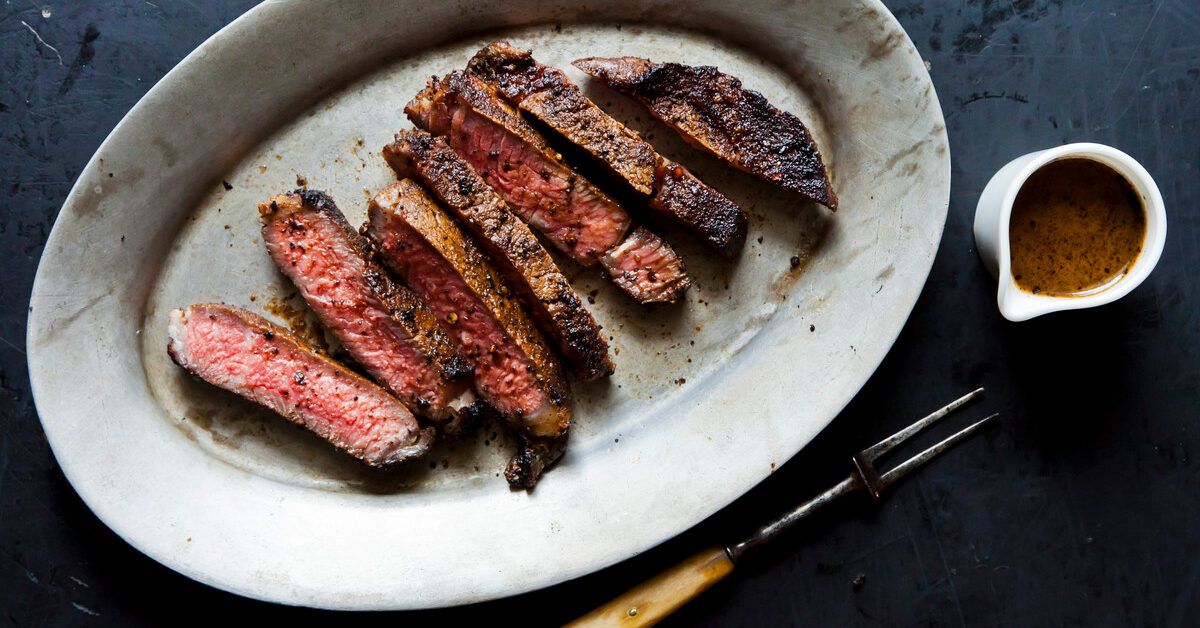
If you’ve ever stared at a sizzling burger and thought, “Is this… doing something shady to my pancreas?”
you’re not alone. The internet loves a villain, and meatespecially bacon’s louder, saltier cousinsoften gets cast
as the culprit behind type 2 diabetes.
Here’s the reality: meat doesn’t “cause diabetes” the way a cold virus causes a cold. Diabetesparticularly type 2is
usually the result of many factors stacking up over time: genetics, sleep, stress, activity level, overall eating
pattern, and yes, certain foods showing up more often than your laundry day.
What research does show is that diets higher in processed meat and (to a lesser extent)
red meat are associated with a higher risk of developing type 2 diabetes. That’s not a
courtroom-level “guilty,” but it’s enough evidence to say: how much meat you eat, what kind, and what it replaces in
your diet can matter.
Medical note: This article is for general education, not personal medical advice. If you have diabetes, prediabetes, or a family history of diabetes, a clinician or registered dietitian can help tailor choices for you.
So… does meat cause diabetes?
Not directly. You don’t “catch” diabetes from a steak. But some patterns involving meat intakeespecially
frequent processed meatshow consistent links to type 2 diabetes risk in large, long-term studies.
- Processed meats (bacon, sausage, hot dogs, deli meats) show the strongest and most consistent associations with higher type 2 diabetes risk.
- Unprocessed red meats (beef, pork, lamb) often show a smaller association that may depend on portion size, overall diet quality, and lifestyle factors.
- Poultry and fish tend to look more neutral in many studies, and fish can be part of heart-healthy patterns commonly recommended for people with diabetes risk.
- Replacing some red/processed meat with plant proteins (beans, lentils, tofu, nuts) is frequently linked to lower risk.
Type 1 vs. type 2: important difference
When people ask about “meat causing diabetes,” they almost always mean type 2 diabetes. Type 1 diabetes
is an autoimmune condition where the body attacks insulin-producing cellsdiet doesn’t “cause” it in the same way, even
though nutrition still matters for management.
Type 2 diabetes usually develops when the body becomes more resistant to insulin and blood glucose control worsens over
time. Food choices can influence that process, but they’re part of a bigger picture.
What the research says about meat and type 2 diabetes risk
Big studies: higher red and processed meat intake is linked to higher risk
Large cohort studies following hundreds of thousands of people for years commonly report that higher intake of red meat,
especially processed red meat, is associated with increased type 2 diabetes risk. One widely reported analysis found
substantially higher risk among people who ate the most red meat compared with those who ate the least, and also reported
higher risk per additional daily servingespecially for processed meat.
Another large international analysis (using harmonized data across many study groups) reported that processed meat intake
was associated with increased diabetes risk even at relatively modest daily amounts, while unprocessed red meat showed a
smaller increase.
“Association” is not “proof”and some evidence is weaker than headlines suggest
Observational studies are powerful because they include real-world eating habits over long periods, but they can’t fully
prove cause-and-effect. People who eat a lot of processed meat may also be more likely to have other risk-raising habits
(less fiber, fewer vegetables, more sugary drinks, less activity, less sleepbasically the modern “I’m busy” starter pack).
Adding to the nuance: when researchers look at clinical trials and intermediate markers (like fasting glucose, insulin, or
HbA1c), the direct effect of unprocessed red meat on these markers is sometimes small or inconsistent. That doesn’t erase
population-level associations, but it helps explain why the best answer isn’t “Meat is poison” or “Meat is innocent.”
It’s “It depends on the type, the amount, the context, and what you’re not eating because meat is taking up space.”
Processed meat seems to be the main “problem child”
If meat had a “most likely to cause drama” category, processed meat would win with both hands. Processed meats often come
with a bundle of factors researchers suspect may contribute to risk:
- Higher sodium (which matters for blood pressurealready a big deal in diabetes risk).
- Nitrites/nitrates and other additives used in curing.
- Compounds formed during processing and high-heat cooking.
- Higher saturated fat in many common processed options.
- Lower “opportunity cost”: processed meat often replaces fiber-rich foods like legumes and whole grains.
This doesn’t mean you can never eat a hot dog. It means your hot dog should not be the main character in your diet.
Let it be a cameolike at a ball gamenot a daily series.
Why meat might be linked to diabetes risk
1) Heme iron and iron metabolism
Red meat is a major source of heme iron, a form of iron that’s absorbed efficiently. Some research suggests
that higher heme iron intake may be associated with type 2 diabetes risk, possibly through oxidative stress or effects on
insulin sensitivity. This is still an active area of research, and it’s not a reason to fear ironiron is essentialbut
it’s one plausible mechanism explaining why “more red meat, more often” sometimes correlates with higher risk.
2) Saturated fat and overall cardiometabolic health
Many cuts of red meat and many processed meats are higher in saturated fat. Saturated fat isn’t a diabetes switch you flip
on and off, but diets high in saturated fat can contribute to cardiometabolic risk factors. Since people with diabetes or
prediabetes already have higher heart disease risk, most major health organizations emphasize choosing healthier fats and
limiting saturated fat overall.
3) Advanced glycation end products and high-heat cooking
Cooking methods matter. Charring and very high-heat cooking can create compounds (including advanced glycation end products)
that may contribute to inflammation and oxidative stress. You don’t need to boil everything into sadnessjust mix it up:
bake, braise, slow-cook, roast at moderate heat, and don’t aim for “charcoal aesthetic” every time.
4) The “what it replaces” effect
One of the most practical ways to think about this topic is substitution. If eating more meat means eating fewer legumes,
fewer whole grains, fewer vegetables, and less fiber, risk can shift. When meat replaces refined carbs and sugary drinks,
the effect may look different than when meat replaces beans, lentils, nuts, and fish.
What matters more than one food: your overall pattern
Diabetes risk isn’t usually built on one ingredient. It’s built on a patternoften the kind that happens when life is busy
and the drive-thru knows your name. Many public health recommendations emphasize:
- More non-starchy vegetables
- More fiber-rich foods (beans, lentils, oats, whole grains)
- More unsaturated fats (olive/canola/soy oils, nuts, seeds, avocado)
- Less added sugar and fewer sugary drinks
- Less ultra-processed food overall
In that context, the “meat question” becomes: are you choosing protein sources that fit a high-quality pattern most of the time?
Practical guidance: if you eat meat, here’s how to do it smarter
Choose “less processed” most often
Treat processed meats like dessert: not forbidden, just not a daily foundation. If you love deli sandwiches, try rotating
in options like roasted chicken, tuna, hummus, or leftover turkey you cooked yourself (the “DIY deli” era).
Pick leaner cuts and watch portionswithout turning dinner into math class
Many diabetes-friendly plate methods suggest making protein about a quarter of your plate. Think “palm-sized” rather than
“I ordered the steak that arrives with its own zip code.”
Pair meat with fiber
If your meal is meat + white bread + fries, you’ve basically built a low-fiber situation where it’s easier to overdo calories
and harder to hit nutrients. If your meal is meat + vegetables + beans or whole grains, your overall pattern improves.
Try the “swap once a week” approach
You don’t need to go from “steakhouse loyalty program” to “only sprouts” overnight. A realistic experiment:
swap one red/processed-meat meal per week for:
- Chili made with beans and lentils (still hearty, still comforting)
- Salmon or sardines (protein plus omega-3 fats)
- Stir-fry with tofu or edamame
- Turkey or chicken with lots of vegetables
If you already have diabetes or prediabetes
Protein can be helpful because it generally doesn’t raise blood glucose the way many carbohydrates do, and it supports
fullness. The key is choosing protein sources that also support heart healthbecause diabetes and heart risk often travel
as a package deal.
Many diabetes meal-planning resources recommend a plate approach:
half non-starchy vegetables, one quarter lean protein, and one quarter high-fiber carbs
(like beans, lentils, or whole grains), plus small amounts of healthy fats.
If you’re trying to improve blood sugar numbers, focus on the “big levers” first:
fewer sugary drinks, more fiber, more minimally processed meals, and consistent movementthen refine details like which cut
of meat shows up on Tuesday.
Common questions people ask (and the non-panicky answers)
“Is all red meat bad?”
Not all red meat is the same. Lean cuts, reasonable portions, and a diet rich in plants look different from frequent large
portions of fatty red meat paired with refined carbs and little fiber. Research tends to show bigger concerns with higher
intakeespecially of processed meat.
“What about bacon and deli meats?”
Processed meats are the category most consistently linked with higher risk in large studies. You don’t have to declare war
on bacon, but you probably shouldn’t let it run the government.
“Do high-protein diets prevent diabetes?”
High-protein approaches can help some people feel full and reduce refined carbs, but quality matters. Many experts advise
choosing protein sources carefully and limiting processed meats. For long-term health, most guidance still emphasizes
fiber-rich plants and minimally processed foods.
What to do with this info (without spiraling)
If you want a simple takeaway: meat isn’t a single-cause villain, but processed meat is a consistent
risk marker in the research, and replacing some red/processed meat with plant proteins or fish is a common,
evidence-supported move.
The goal is not perfection. It’s building a pattern your body can live withone that supports stable energy, heart health,
and blood sugar over time. You can still enjoy food. You can still barbecue. You can still be a person who eats normally.
Just maybe don’t make “three meats and no vegetables” your personality.
Real-World Experiences Related to “Does Meat Cause Diabetes?” (About )
Let’s get out of the lab for a minute and talk about how this topic shows up in real lifebecause most of us don’t eat
“macronutrients.” We eat Tuesday-night dinners, road-trip snacks, and whatever looked good when we opened the fridge and
realized we forgot groceries again.
A common experience for people who start paying attention to the meat-and-diabetes conversation is that it’s rarely the
one steak dinner that changes anything. It’s the quiet, repeatable habits: the daily breakfast sandwich, the deli
wrap at lunch, and the “quick” frozen pepperoni pizza at night. Not because pepperoni is magicbecause that pattern often
crowds out fiber, vegetables, and whole foods that help support better blood sugar and heart health.
One practical example: someone swaps their usual morning bacon-and-cheese sandwich for eggs with sautéed vegetables and a
slice of whole-grain toast. Nothing dramatic happens on day oneno fireworks, no angel choir. But after a few weeks, they
notice they’re less snacky mid-morning. Why? More fiber, more volume from veggies, and less of the “processed + salty + fast”
combo that can leave you hungry again quickly.
Another recognizable moment is the “ball game hot dog dilemma.” People hear “processed meat is linked to diabetes risk”
and think the hot dog at the stadium is now illegal. In reality, many clinicians talk about frequency. A hot dog once in a
while is different from processed meat most days. The real-world skill is learning to keep fun foods in the “sometimes”
category without turning food into a moral scoreboard.
Family meals bring their own storyline. Maybe your family loves big weekend barbecuesribs, burgers, sausages, the works.
One low-drama adjustment people often find doable is keeping the barbecue, but changing the supporting cast: adding grilled
vegetables, a bean salad, fruit, or a whole-grain side. Same gathering, same joy, but now the plate has more fiber and
nutrients. You didn’t “quit meat.” You just stopped letting it take every parking space in the lot.
Restaurant ordering is another real-life pressure point. People trying to lower risk often discover that the best move isn’t
choosing the “perfect” proteinit’s avoiding the trap of “protein + refined starch + no vegetables.” Many restaurants can do
grilled chicken or fish with extra vegetables, or a burger with a side salad, or tacos with beans and lots of veggies. The
experience is less about deprivation and more about feeling like you’re steering the meal instead of the menu steering you.
In the end, the most relatable experience is this: people do better when the plan is flexible. If you treat meat like a normal
foodchoosing less processed options most of the time, keeping portions reasonable, and building meals around plantsyou’re
using the research in a way that actually fits real life. And that’s the point: not food fear, not food rules, just smarter
patterns you can repeat.
Conclusion
Meat doesn’t “cause” diabetes in a simple, direct way. But a substantial body of research links higher intake of
processed meatand, to a lesser degree, red meatwith higher risk of developing type 2 diabetes.
The best strategy isn’t panic or perfection. It’s choosing less processed proteins, eating more
fiber-rich plant foods, and building an overall pattern that supports long-term metabolic health.