

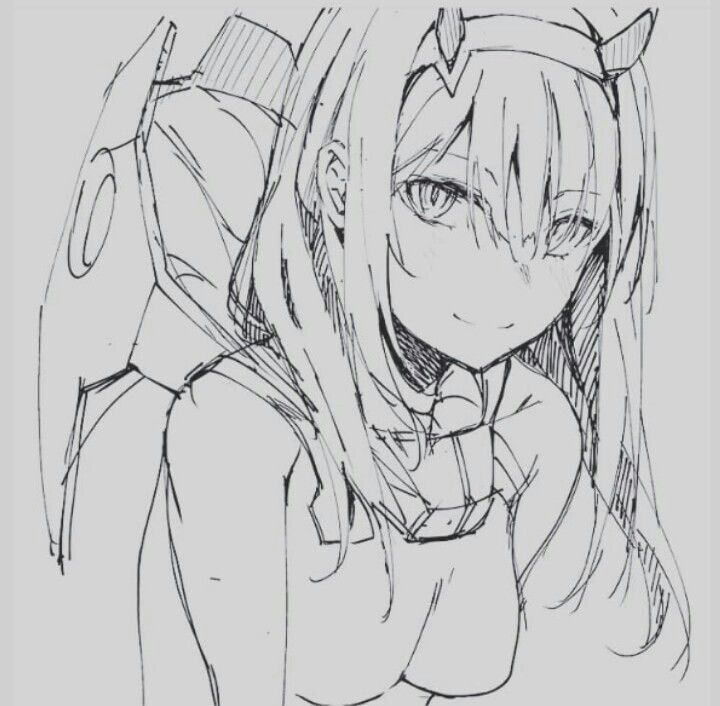
Every art community has that one challenge that sounds simple until you open a blank canvas and suddenly forget how hands work. “Draw Your Favourite Anime Waifu/Husbandos And Post It After You Are Done” is one of those deceptively fun prompts. It asks fans to pick a beloved anime character, redraw them in their own style, and share the finished piece with the world. Easy, right? Absolutelyuntil you spend forty minutes deciding whether the eyebrow should be one pixel higher.
Still, that is the magic of anime fan art. A favorite waifu or husbando is not just a pretty character design. For many fans, it is a mix of personality, nostalgia, story impact, emotional comfort, and yes, occasionally immaculate hair physics. Drawing that character becomes a way to say, “This character lives rent-free in my imagination, and today I am giving them a new outfit, better lighting, and possibly a dramatic wind effect.”
This article explores what the challenge means, why it works so well online, how artists can join without overthinking themselves into a sketchbook-shaped crisis, and what to keep in mind when posting anime waifu and husbando fan art in a respectful, creative, and community-friendly way.
What Does the Challenge Actually Mean?
The title says it all: draw your favorite anime waifu or husbando and post it after you are done. In anime fandom, “waifu” usually refers to a fictional female character a fan deeply admires, while “husbando” is the playful male equivalent. The words are often used jokingly, affectionately, or as shorthand for “my favorite character, please respect my excellent taste.”
The challenge is less about romance and more about creative admiration. Fans choose characters they love because of their design, backstory, personality, humor, strength, style, or unforgettable screen presence. Someone might draw a calm, elegant swordsman because they love his discipline. Another artist might draw a chaotic magical girl because she radiates glitter-powered disaster energy. Both are valid. Art does not require a committee meeting.
In practice, this prompt sits comfortably beside popular social media art trends like fan art challenges, redraw challenges, and “Draw This in Your Style” posts. These trends work because they give artists a clear starting point but leave plenty of room for interpretation. The character is familiar; the final artwork is personal.
Why Anime Waifu and Husbando Drawing Challenges Go Viral
Anime fandom is built for visual sharing. Character designs are memorable, expressive, and often instantly recognizable through silhouette alone. A spiky hairstyle, a school uniform, a battle cloak, a ribbon, a sword, or a pair of suspiciously dramatic eyes can tell viewers exactly who they are looking at before they read the caption.
That instant recognition is perfect for platforms where people scroll quickly. When an artist posts fan art of a popular anime character, viewers already have an emotional connection. They are not starting from zero. They arrive with memories: a favorite episode, a funny scene, a heartbreaking arc, or the exact moment they decided, “Yes, this character is now my entire personality for the next three weeks.”
Familiar Characters Make Art More Approachable
For beginner artists, drawing original characters can feel intimidating because every design decision is yours. Fan art reduces that pressure. The character already has a visual identity, so the artist can focus on technique: anatomy, shading, line weight, color harmony, facial expression, pose, and composition.
That does not make fan art “easy.” Anyone who has tried to draw anime eyes symmetrically knows the truth. One eye looks heroic; the other looks like it has seen tomorrow’s math test. But using an existing character gives artists a helpful framework. It becomes practice with a built-in fan club.
Posting Creates Community Feedback
The second half of the prompt“post it after you are done”is just as important as the drawing itself. Posting turns a private sketch into a public conversation. Other fans can comment, share, ask about brushes, compare interpretations, or cheer the artist on. In the best corners of fandom, the comment section becomes a tiny festival of compliments and keyboard smashing.
That feedback loop matters. Artists improve through practice, but they also grow through visibility, encouragement, and constructive critique. A simple anime drawing challenge can help a shy artist build confidence, find mutuals, and discover that other people also spent an alarming amount of emotional energy on the same fictional character.
How to Choose the Right Waifu or Husbando to Draw
The best character to draw is not always the most popular one. It is the one that makes you want to keep drawing even when the pose gets weird and the hand looks like a small crab wearing gloves.
Start with emotional connection. Which character makes you smile? Which one has a design you admire? Which one would be fun to reinterpret? A great choice might be a main character from a famous series, a side character with five minutes of screen time and an elite wardrobe, or a nostalgic favorite from an anime you watched years ago.
Consider the Design Difficulty
Some anime characters are beginner-friendly: simple outfits, clean silhouettes, and expressive faces. Others arrive with armor, layered accessories, weapons, embroidery, magical effects, and hair that seems to require a structural engineering degree. Neither is better. The right choice depends on your skill level, available time, and patience.
If you are new to anime fan art, choose a character with a readable design. Focus on capturing their expression and mood. If you want a challenge, pick a more detailed character and treat the drawing like a study. You do not have to reproduce every buckle, button, and mysterious shoulder decoration. Simplification is a skill, not a crime.
Put Your Own Spin on the Character
The most memorable fan art usually adds something fresh. You can draw the character in your own art style, change the outfit, use a different color palette, place them in a modern setting, age them appropriately within a safe and respectful context, or exaggerate the mood. A serious warrior can become a cozy coffee shop regular. A cheerful magical character can be drawn in a cinematic poster style. A brooding husbando can finally be given eight hours of sleep. Revolutionary.
Adding your own interpretation helps the artwork feel transformative. It also prevents the piece from becoming a stiff copy of an official image. Use references to understand the character, but build a new composition that reflects your creative voice.
A Step-by-Step Guide to Joining the Challenge
You do not need a professional studio, a tablet with twenty-seven shortcut keys, or a dramatic playlist titled “Final Boss Sketch Session.” You need a character, a plan, and enough patience to survive the line-art stage.
1. Pick Your Character and Gather References
Collect a few reference images from official sources when possible, such as screenshots, promotional art, model sheets, or manga panels. Study the character’s hair shape, eye style, clothing, proportions, and signature accessories. Do not trace official art and post it as original work. Use references to learn, not to copy.
2. Decide on a Concept
Before sketching, choose the vibe. Is your waifu glowing under city lights? Is your husbando standing in a soft autumn scene? Is the character laughing, fighting, reading, cooking, posing dramatically, or looking mildly betrayed by a vending machine? A clear concept makes the drawing stronger.
3. Make Thumbnails
Draw three to five tiny rough sketches. These thumbnails do not need to look good. In fact, they may look like potatoes with ambition. That is fine. Their job is to test poses, shapes, and composition quickly before you commit to a full drawing.
4. Build the Sketch
Start with simple forms. Use circles, lines, and blocks to plan the head, torso, limbs, and pose. Anime style can be exaggerated, but strong structure still matters. A beautiful face cannot fully distract from a shoulder that appears to be applying for relocation.
5. Add Line Art or Clean Edges
Clean lines help the character read clearly. Vary line thickness to create depth: thicker lines around the outer silhouette, thinner lines for facial details and folds. If you prefer a painterly style, you can skip traditional line art and refine the shapes with color instead.
6. Color With Intention
Use the character’s official colors as a base, then adjust them to fit your lighting. Warm sunset, cool moonlight, neon city glow, soft pastel bedroom, or dramatic battle auralighting can completely change the mood. Do not be afraid to use fewer colors. A limited palette often looks more professional than a rainbow having a group chat.
7. Add Finishing Touches
Highlights, shadows, background shapes, texture, and small effects can make the artwork feel complete. But do not keep polishing forever. At some point, the drawing is done. Not perfectdone. There is a difference, and artists must learn it for emotional survival.
Posting Your Anime Fan Art the Smart Way
Posting is part of the challenge, but it should be done thoughtfully. A strong post helps people understand your artwork, find it through search, and engage with it in a positive way.
Write a Clear Caption
Your caption can be simple: name the character, mention the anime, explain the challenge, and add a short note about your process. For example: “I drew my favorite anime husbando for the fan art challenge! I wanted to try softer lighting and a more casual outfit.”
Captions do not need to become essays, although artists are legally allowed to ramble about their favorite characters. It is part of the fan art constitution, probably written in glitter ink.
Use Relevant Hashtags Naturally
Good hashtags help people find your post. Try a mix of broad and specific tags such as anime fan art, anime drawing challenge, waifu drawing, husbando fan art, digital illustration, character art, and the character or series name. Avoid stuffing dozens of unrelated tags. Search engines and social platforms both prefer relevance over chaos.
Credit What Needs Credit
If your artwork is based on a specific pose reference, challenge prompt, or another artist’s original idea, credit them. If you participate in a “Draw This in Your Style” challenge, tag the host and follow their rules. Respect is free, portable, and looks excellent in every art style.
Fan Art, Copyright, and Respectful Creativity
Anime fan art exists in a lively creative space, but artists should understand the basics. In the United States, original visual art can be protected by copyright once it is fixed in a tangible form, including digital art. Anime characters, official illustrations, logos, and story worlds are usually protected by their owners.
That does not mean fan art disappears into a legal volcano the moment someone posts a sketch. Fan art is widespread, beloved, and often encouraged by fandom culture. Many rights holders tolerate noncommercial fan art because it promotes community enthusiasm. However, selling prints, merch, stickers, or commissions based on protected characters can raise more complicated issues.
The safest approach is to make your work transformative, avoid copying official art directly, do not use official logos in a misleading way, and be careful with commercial sales. When in doubt, check the rules of the platform, convention, or rights holder. This is not legal advice, just practical common sense with a tiny lawyer hat.
Keeping the Challenge Friendly and Age-Appropriate
Because anime fandom includes teens, adults, beginners, professional artists, casual viewers, and people from many cultures, community safety matters. Keep public challenge posts appropriate for the platform. Be especially respectful when drawing characters who are minors in their original stories. Focus on personality, style, emotion, action, fashion, humor, or atmosphere rather than anything explicit.
A good fan art challenge should make people feel welcome. Do not mock someone’s favorite character, skill level, art style, or ship preferences. Healthy fandom debate is fun; harassment is not. If someone draws the same waifu or husbando as you, congratulationsyou have discovered a fellow person of taste. Offer a compliment and continue being iconic.
Best Ideas for Anime Waifu and Husbando Fan Art
If you are stuck, try one of these concepts:
- Modern streetwear redesign: Give the character a casual outfit while keeping their color palette and personality.
- Seasonal theme: Draw them in spring blossoms, summer sunlight, autumn leaves, or winter snow.
- Alternate genre: Reimagine a fantasy character as a sci-fi pilot, detective, musician, or café worker.
- Expression sheet: Draw several small faces showing different emotions.
- Chibi version: Simplify the character into a cute, tiny form with exaggerated features.
- Poster composition: Create a dramatic vertical artwork with bold lighting and a strong silhouette.
- Color palette challenge: Limit yourself to three or four colors and see how creative you can get.
These ideas work for both digital and traditional artists. Pencil, markers, watercolor, ink, tablet, phone app, or a napkin during lunchuse what you have. The tool is less important than the decision to start.
Why This Challenge Helps Artists Improve
Drawing your favorite anime waifu or husbando is fun, but it is also serious practice wearing a cosplay wig. You study character design, anatomy, facial expression, color, storytelling, and presentation. You learn how much detail to keep and how much to simplify. You discover whether your style leans soft, sharp, painterly, graphic, cute, moody, or “accidentally made everyone look like a vampire but in a fashionable way.”
Fan art also teaches consistency. When viewers recognize the character through your style, you have successfully preserved the essence of the design. That is a valuable illustration skill. Professional character artists often need to draw established characters in fresh poses while keeping them recognizable. Fan art is a playful way to practice that exact muscle.
Most importantly, the challenge reduces creative pressure. Instead of asking, “What should I draw?” you ask, “How do I draw this character in a way that feels like me?” That smaller question is easier to answer and much more fun.
Creator Experience: What It Feels Like to Join the Challenge
Joining the “Draw Your Favourite Anime Waifu/Husbandos And Post It After You Are Done” challenge usually begins with confidence. You see the prompt and think, “Of course. I know exactly who I’m drawing.” Five minutes later, you have seventeen candidates, three emotional crises, and a sudden need to rewatch an entire anime season for “reference.”
The first real experience is choosing. This can be surprisingly personal. Some artists pick the character who inspired them years ago. Others choose the character with the coolest design. Some choose the one they think will perform well online, then immediately feel guilty and return to their true favorite. The best choice is usually the character you actually want to spend hours with, because drawing is slow and your enthusiasm will be tested somewhere between the rough sketch and the left hand.
Next comes the sketching stage, where imagination and reality meet in a parking lot and argue. In your head, the pose is dynamic. On the canvas, the character appears to be slipping on invisible soap. This is normal. Every finished artwork has an awkward stage. Experienced artists know not to panic too early. They adjust the gesture, resize the head, move the shoulders, flip the canvas, sigh dramatically, and continue.
Then the artwork starts to click. Maybe the eyes finally capture the character’s attitude. Maybe the hair shape becomes recognizable. Maybe the outfit redesign works better than expected. This moment is addictive. It is the reason artists keep going. Suddenly, the drawing is no longer a pile of uncertain lines; it is your version of a character you love.
Coloring brings another wave of decisions. Do you stay close to the official palette or experiment? Do you use soft shading, cel shading, textured brushes, or dramatic lighting? Many artists discover their style during this stage. A familiar character becomes a playground for creative choices. Even small changesa warmer shadow, a sharper highlight, a different background shapecan make the piece feel personal.
Posting the finished artwork is its own adventure. There is excitement, but also nerves. You may wonder whether people will notice the effort, whether the fandom will like your interpretation, or whether the algorithm has decided to take a long lunch break. But posting is valuable even when the numbers are modest. Each post becomes a record of progress. Today’s drawing may not be perfect, but it is proof that you finished something.
The best part is the response from other fans. Someone may comment, “You captured them perfectly.” Another person may ask what brush you used. A mutual may share the post with a row of heart emojis. These small interactions make the challenge feel less like a solo assignment and more like a community event. You are not just drawing into the void. You are adding one more creative voice to a fandom conversation that is already full of memes, theories, edits, and passionate debates over who deserves best-character status.
Over time, challenges like this build confidence. The first post may feel terrifying. The fifth feels easier. By the tenth, you may find yourself planning backgrounds, experimenting with poses, or drawing characters you once thought were too difficult. That growth is the real reward. Likes are nice, shares are great, but the biggest win is realizing that your art improved because you kept showing up.
Conclusion
“Draw Your Favourite Anime Waifu/Husbandos And Post It After You Are Done” is more than a catchy fandom prompt. It is a creative invitation. It gives artists a reason to practice, fans a reason to celebrate beloved characters, and communities a reason to connect through shared enthusiasm.
The challenge works because it combines structure and freedom. The character gives you direction; your style gives the artwork personality. Whether you draw a polished digital painting, a sketchbook doodle, a chibi redesign, or a dramatic poster-style illustration, the point is to create something sincere and share it respectfully.
So choose your favorite waifu or husbando, gather your references, sketch boldly, color bravely, and post when you are done. The hands may fight back. The hair may require negotiation. The algorithm may behave like a mysterious forest spirit. But the finished artwork will be yoursand somewhere out there, another fan is ready to say, “Excellent choice.”
Note: This article is written for general anime fan-art inspiration and encourages respectful, age-appropriate, noncommercial, and properly credited creative participation.