

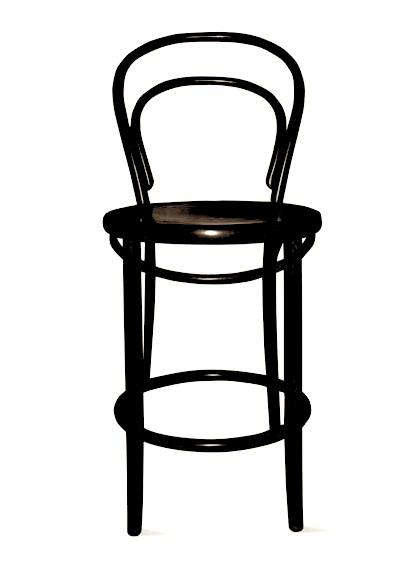
Some furniture pieces are trendy. Others are basically immortal with better posture. The Era Barstool belongs to the second camp. It is the kind of design that makes a kitchen look smarter without trying too hard, like it casually reads architecture magazines while your other furniture is still deciding what era it wants to be from. If you have been searching for information on the Era Barstool, chances are you are looking at a design that blends history, practicality, and visual lightness in one neat little perch.
In the American design conversation, the term Era Barstool is most often tied to the classic Michael Thonet bentwood style, a design language that has survived changing tastes, changing homes, and countless cups of coffee enjoyed at counters, cafés, and kitchen islands. That is not a small feat. Plenty of furniture has come and gone. This one stayed. There is a reason for that.
What Is the Era Barstool?
The Era Barstool is best known as a refined bentwood stool with a simple silhouette, gently curved structure, and surprisingly airy presence. It comes from a design tradition that values elegance through engineering rather than decoration overload. In other words, it does not need flashy tricks. The curves do the talking.
At first glance, the stool looks almost modest. Then you notice the smart shaping, the graceful back, the lightweight appearance, and the fact that it somehow fits into both classic and contemporary interiors. Put it in a minimalist loft and it feels intentional. Place it in a warm farmhouse kitchen and it still works. Tuck it into a café-inspired breakfast nook and suddenly the whole room gets a little more charming. That is not furniture magic. That is good design doing push-ups for more than a century.
What makes the Era Barstool especially appealing is its balance between old-world craftsmanship and modern usefulness. The bentwood construction gives it character, while the compact profile makes it practical for real homes. It does not scream for attention, but it absolutely knows it looks good.
Why the Era Barstool Still Feels Relevant
1. It has a timeless shape
A lot of stools look great for one season and then age like a regrettable haircut. The Era Barstool avoids that problem because its form is rooted in clean lines and functional curves. Its silhouette feels classic rather than trendy, which means it can live comfortably beside shaker cabinets, marble counters, black metal pendants, or even modern flat-panel kitchens.
2. It feels visually light
One of the biggest strengths of this stool is how little visual clutter it creates. Bulky seating can make a kitchen island look crowded in a hurry. The Era Barstool usually has a slimmer footprint and a more open look, so a space feels breathable instead of packed like a holiday grocery store parking lot.
3. It combines beauty with function
This is not a “look but do not sit” kind of piece. The best barstools support daily life. You need a stool that can handle breakfast, homework, late-night snacks, chatting with friends, and that suspiciously long period when someone says they are “just keeping you company while you cook.” The Era Barstool works because it is stylish enough for design lovers and practical enough for real routines.
The Design DNA Behind the Era Barstool
The heart of the Era Barstool is bentwood design. That matters because bentwood changed furniture history. Instead of relying on heavy carving and overly ornate joinery, this approach used shaped wood to create strength, flexibility, and visual softness. The result was furniture that looked lighter, could be produced more efficiently, and still had personality. Not bad for a chair’s family tree.
With the Era Barstool, the beauty is in the restraint. The curves are smooth, not fussy. The structure feels engineered, not overbuilt. Many versions lean on natural wood tones, dark stained finishes, or quietly upholstered options that allow the form to stay in the spotlight. Some versions include a back, while others are backless. Some feel more café-inspired, while others are updated for luxury residential interiors. Even when details change, the design language stays recognizable: curved, clean, and confident.
This is why the Era Barstool often appeals to people who want furniture with a story. It nods to European design heritage, yet still feels at home in an American kitchen remodel. It has history without becoming precious. It is refined without being uptight. It is the furniture equivalent of someone who knows proper etiquette but is still willing to eat fries out of the bag in the car.
Where the Era Barstool Works Best
Kitchen islands
This is the obvious home run. An Era Barstool brings a polished look to kitchen island seating without making the room feel heavy. If your island is the social center of the home, this stool supports that role beautifully. It invites lingering, conversation, and the occasional dramatic retelling of your day while someone pretends to meal prep.
Breakfast bars
Breakfast bars benefit from stools that are compact, comfortable, and easy to tuck in. The Era Barstool checks those boxes. Its streamlined shape helps smaller kitchens feel intentional rather than cramped.
Home bars
If you have a dedicated bar area, the Era Barstool adds a sense of sophistication without drifting into nightclub territory. It works especially well with wood cabinetry, stone tops, brass accents, and warm lighting.
Open-concept spaces
Open layouts demand furniture that looks good from every angle. The Era Barstool performs well here because it has sculptural appeal. Even when viewed from the side or back, it contributes to the room instead of just taking up space.
How to Choose the Right Era Barstool for Your Space
Get the height right
This is the part where style needs to sit down and let math speak. If your counter is around standard counter height, you usually need a counter stool. If your surface is bar height, you need a true bar stool. A beautiful stool that is the wrong height will annoy you every single day, which is not the relationship anyone wants with furniture.
As a general rule, you want enough distance between the seat and the underside of the counter for comfort. That breathing room matters more than people think. Too little space and knees start filing complaints immediately.
Think about spacing
Even a gorgeous stool loses points if guests have to elbow-joust for territory. Leave enough width per stool so people can actually sit like civilized adults. Also pay attention to the clearance behind the stools. If your kitchen is a high-traffic zone, you want enough room for someone to pass behind seated guests without performing a sideways shuffle worthy of a sitcom.
Consider back support
Some Era-style stools come with a supportive back, while others are backless. If your seating is for quick coffee and casual bites, backless can work well and looks especially clean. If people tend to sit there for long conversations, work sessions, or family dinners that mysteriously stretch into dessert and board games, a version with a back may be the better choice.
Match the finish to your room
Natural wood keeps the look warm and timeless. Dark finishes feel moodier and more dramatic. Upholstered versions can soften the look and add comfort, especially in homes that lean more luxurious than minimalist. The best choice depends on whether you want the stool to blend in quietly or act as a subtle statement piece.
What Makes an Era Barstool SEO-Worthy in the Real World
Yes, this is a style article, but people do not search for Era Barstool just to admire a silhouette from a distance. They want real answers. Is it comfortable? Does it fit a modern kitchen? Is it durable? Will it make my island look expensive without forcing me to renovate the entire house? Those are the real questions hiding behind the keyword.
The answer is that the Era Barstool has staying power because it solves multiple problems at once. It offers design credibility, practical seating, and compatibility with a wide range of interiors. It is one of those rare pieces that can be appreciated by a design enthusiast, a homeowner doing a kitchen refresh, and a person who simply wants a stool that does not look like it was invented during a very unfortunate clearance event.
Styling Ideas for the Era Barstool
Pair it with warm wood cabinetry
The bentwood profile feels especially natural beside walnut, oak, or white oak finishes. This combination creates a layered, organic look that feels polished without becoming sterile.
Use it to soften hard finishes
If your kitchen features stone, metal, and glossy surfaces, an Era Barstool can add warmth and movement. The curves help balance sharper architectural lines.
Mix vintage and modern
This stool thrives in rooms that do not take a one-style-only approach. Pair it with contemporary lighting, vintage rugs, or classic café touches for a collected look that feels personal.
Let the silhouette shine
Sometimes the smartest styling move is restraint. If you choose an Era Barstool, let it breathe. Do not overcrowd the island with oversized decor, giant fruit bowls, mail piles, and the emotional debris of everyday life. A cleaner surface allows the stool to do its visual job.
Pros and Cons of the Era Barstool
Pros
The Era Barstool is timeless, elegant, and versatile. It suits many design styles, feels lighter than bulkier alternatives, and brings a sense of design heritage to a room. It is especially strong in kitchens where you want seating that looks sophisticated but still approachable.
Cons
Depending on the version you choose, comfort may vary for long sitting sessions. Some designs prioritize visual lightness over lounge-like cushioning. It is also the kind of stool that deserves correct sizing and thoughtful spacing, so impulse buying is not your friend here. Measure first. Your future knees will send thank-you notes.
Experience: What Living With an Era Barstool Really Feels Like
Living with an Era Barstool is less about making a dramatic design statement and more about noticing, day after day, that you made a smart decision. At first, what stands out is the shape. It looks graceful in a way many stools do not. It does not bully the room. It does not crowd the island. It simply settles in and makes everything around it look a little more considered.
Then daily life takes over, and that is where the experience becomes more interesting. In the morning, the stool becomes the quick coffee seat. It is where someone checks the weather, scrolls through emails, or stares into the middle distance while waiting for toast. At lunch, it turns into a practical perch for eating something simple at the counter. In the evening, it becomes social furniture. People drift toward it naturally because kitchen seating is where conversations happen, whether you planned for guests or not.
One of the best things about the Era Barstool experience is that it tends to make a space feel intentional. Even if the rest of the kitchen is fairly simple, the stool adds a little design credibility. It tells visitors that the room was put together with care, not assembled in a panic five minutes before company arrived. That matters more than people admit. Good seating changes the mood of a room.
There is also the visual experience of movement. Bentwood has a softness to it that feels different from boxy stools with thick legs and bulky backs. The curves catch your eye in a quieter way. Over time, that subtle elegance becomes part of the rhythm of the room. It helps the kitchen feel less mechanical and more lived in.
Of course, real experience also includes practical realities. If you choose the correct height, the stool feels easy to use. If you choose the wrong one, you will notice every single time you sit down. That is why measuring matters. Likewise, if you leave enough room between stools, the setup feels welcoming. If you pack too many seats into a tight span, the whole arrangement becomes a polite little battle for elbow space. The Era Barstool rewards thoughtful planning.
For families, the stool often becomes a multi-use station. It might be breakfast seating in the morning, homework support in the afternoon, and dessert headquarters at night. For singles or couples, it often becomes a favorite everyday seat because the kitchen counter is where life casually unfolds. You answer texts there. You chat while cooking. You unpack groceries there. You lean there during parties pretending you are helping. A good stool quietly supports all of that.
And perhaps that is the best way to describe the Era Barstool experience: it is stylish without being fragile, distinctive without being loud, and useful without feeling boring. It brings a touch of design history into modern life, but it still understands the assignment. It is there for coffee, conversation, weeknight pasta, work-from-home moments, and that one friend who always ends up parked in the kitchen long after everyone else has moved to the living room. In short, it is not just a barstool. It is a very well-behaved supporting actor in everyday life.
Final Thoughts
The Era Barstool continues to matter because it proves a simple point: good design does not expire. Its bentwood heritage, clean silhouette, and versatility make it more than a stylish seat. It is a design classic that still earns its place in modern homes. Whether you love it for its history, its shape, or its ability to make your kitchen look more pulled together, the appeal is easy to understand.
If you want a barstool that feels elegant, works in real life, and avoids the trap of looking trendy for about eleven minutes, the Era Barstool is worth serious consideration. It has survived generations for a reason. Some furniture fades into the background. This one quietly improves the room.