

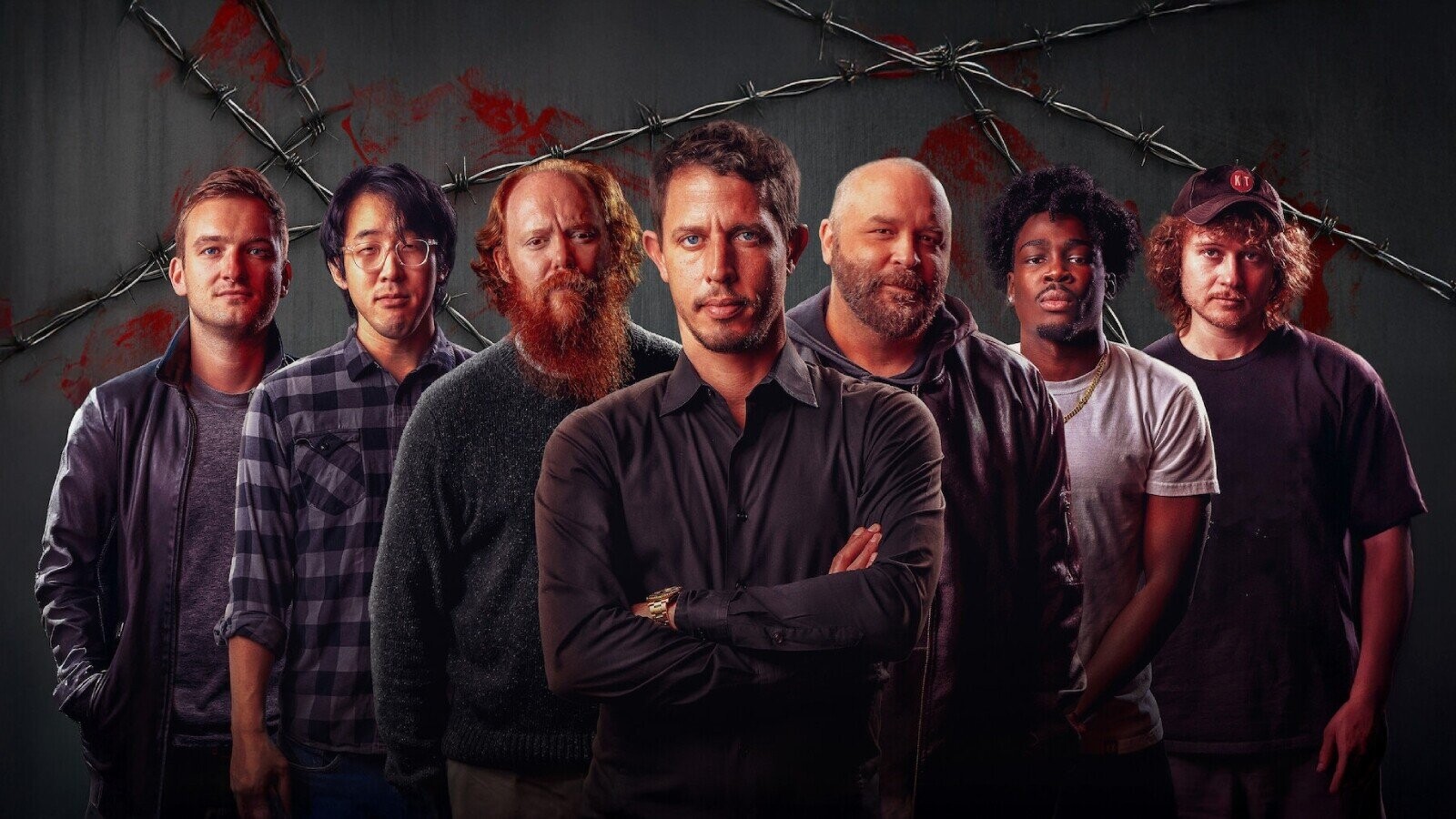
Note: This article discusses Kill Tony: Kill or Be Killed, the Netflix special released on April 7, 2025, rather than later Netflix editions of the show.
For years, Kill Tony has survived and thrived on a beautifully reckless idea: give an unknown comic one minute onstage, let them either soar or implode, then hand them to Tony Hinchcliffe and a panel of comedians for an interview that may become a roast, a pep talk, a bizarre confession, or all three before the next name leaves the bucket.
It is not supposed to be polished. It is supposed to feel like watching a fireworks factory run by people who insist they “totally read the safety manual.” That unpredictability is the appeal. Fans tune in because the show can produce a breakout moment, a savage insult, an unexpectedly emotional story, or a performance so strange that everyone onstage appears to briefly forget what civilization is.
So when Netflix gave the show a much larger platform, the expectation was obvious: Kill Tony was about to become louder, wilder, and more chaotic in the fun way. Instead, many longtime fans felt as though the Netflix debut took the show’s rough energy, placed it under expensive lighting, and accidentally left it there to dry.
The result was not merely criticism from viewers unfamiliar with the format. Some of the loudest frustration came from people who already knew the regulars, understood the jokes, watched the YouTube episodes, and generally accepted that a bad bucket pull is part of the deal. Their complaint was not that Kill Tony had suddenly become messy. Their complaint was that this particular mess somehow felt less alive than usual.
What Was the Netflix Kill Tony Special?
Kill Tony: Kill or Be Killed brought the show’s basic format to Netflix: aspiring comics received a short spot, then faced Hinchcliffe, co-host Brian Redban, and a rotating collection of famous comic guests. Netflix described the program as a high-pressure stand-up showcase built around a bucket, a microphone, and one unforgiving minute.
The Netflix deal was a major milestone for a show that had built much of its audience online. Kill Tony had grown from a smaller live comedy format into a sizable YouTube and touring brand, eventually earning Netflix specials alongside a separate Hinchcliffe stand-up project.
On paper, it sounded like a perfect match. Netflix had already made live comedy and celebrity roast programming a bigger part of its identity. Kill Tony had a recognizable host, an established fan base, surprise guests, crowd energy, and a format simple enough to explain in one sentence. This should have been easy: pull names, hear jokes, roast comedians, cause mild panic.
But television and live podcast comedy are not identical twins. They are more like cousins who both wear leather jackets but make very different decisions at weddings.
Why Loyal Fans Felt the Netflix Debut Fell Flat
The Show Lost Some of Its Dangerous Charm
Regular viewers know that a standard Kill Tony episode can be uneven. That is not a flaw hidden in the attic; it is part of the furniture. A great episode contains tension because nobody knows whether the next comic will destroy the room or tell a joke that sounds as though it was written during a dental procedure.
However, fans generally expect the chaos to move. Even when a comedian bombs, Hinchcliffe, Redban, the panel, the regulars, or the audience can redirect the moment. In the Netflix special, many viewers felt that the energy repeatedly stalled instead of transforming into comedy.
Critics and fan discussions pointed to pacing problems, awkward pauses, limited panel participation, and stretches that felt more like dead air than suspense. Cracked’s coverage of the immediate response noted complaints about production issues, silence from celebrity guests, and an overall sense that the night was not landing the way a major streaming debut should.
That distinction matters. In a normal club setting, a pause can feel dangerous. On a huge streaming production, the same pause can feel like someone forgot to pay the Wi-Fi bill.
The Panel Looked Great on Paper but Did Not Always Play Big
One of the biggest criticisms involved the celebrity panel. The special included major comedy names, including Joe Rogan, Tom Segura, Shane Gillis, Kyle Dunnigan, Adam Ray, Jeffrey Ross, and Ron White across the program. That is an impressive lineup if you are writing a press release or assembling a fantasy-comedy league.
But a guest panel is not valuable simply because it contains famous people. On Kill Tony, the panel has to create momentum. It needs people willing to take risks, interrupt at the right time, riff off bad answers, rescue a weak interview, or occasionally say something so reckless that everyone onstage has to look toward the ceiling for legal advice.
Fans were especially frustrated that several high-profile guests appeared restrained or barely involved. Some viewers felt the comedians who were expected to add spontaneous energy instead seemed content to sit back while Hinchcliffe carried the bulk of the hosting and roasting.
A Decider review made a similar point, observing that some of the biggest names contributed little to the actual proceedings while the show leaned heavily on inside references and underdeveloped material.
This is where the Netflix production faced a problem that regular episodes rarely have: a famous guest can become more distracting than helpful when viewers keep waiting for them to do something. The longer a recognizable comedian remains quiet, the more their silence becomes its own performance. Unfortunately, silence is a difficult act to headline.
Netflix Raised Expectations That the Episode Could Not Meet
There is a strange pressure created by a streaming premiere. Fans may understand that a show is unpredictable, but they also expect its biggest platform moment to showcase its strongest version. Nobody expects every bucket pull to be legendary. They do expect Netflix Night to feel like Netflix Night.
Instead, some viewers felt they received a standard episode with bigger stakes but not enough bigger laughs. The special ran more than two hours, which made pacing especially important. When the rhythm is working, long-form Kill Tony can feel like a chaotic comedy marathon. When it is not working, it can feel like waiting at the DMV while someone nearby practices beatboxing.
Fans did not necessarily want the show to become slick, safe, or overly edited. In fact, making Kill Tony too polished would risk removing the feature that made it popular in the first place. What many wanted was simple: the same raw format, but with a stronger panel, sharper pacing, better comic choices, and fewer moments that made the audience wonder whether everyone had collectively entered sleep mode.
The Inside-Joke Problem
One challenge for the Netflix special was that Kill Tony comes with its own ecosystem. Longtime viewers know the regulars, the recurring characters, the Austin comedy scene, the patterns of the interviews, and the strange traditions that make little sense to people discovering the show for the first time.
That internal language can be rewarding for loyal fans. It creates a sense of belonging. A returning viewer recognizes a name, a callback, or a running bit and feels as though they are part of a comedy clubhouse with a very questionable guest policy.
But Netflix viewers arriving cold may not understand why a familiar performer receives such a huge reaction, why a roast lands, or why a particular interview answer is funny beyond the room. When a show depends heavily on prior knowledge, it needs to make newcomers feel invited rather than stranded outside the joke.
The Netflix debut did not always manage that balance. Some reviews argued that the special played like an extended inside joke, with references and personalities that had far more meaning for devoted viewers than for casual audiences.
Ironically, this may be why longtime fans were disappointed too. They understood the references, but they still felt the special did not represent the best possible version of the show. New viewers saw a confusing party. Existing viewers saw a party where the host forgot to put out snacks.
It Was Not Only About Offensive Comedy
It would be easy to reduce the backlash to people objecting to edgy jokes, crude insults, or the show’s deliberately provocative style. But that explanation is incomplete. Kill Tony fans are generally aware of what kind of show they are watching. They do not enter expecting a gentle evening of inspirational poetry and charcuterie.
The deeper complaint was execution. Fans can accept edgy comedy when it is clever, fast, and connected to the moment. They are less patient when shock value replaces joke construction or when a roast feels like it was assembled from expired internet comments.
The strongest criticism was not “this show was too wild.” It was closer to “this show was not wild enough in the right places.” A roast show can be cruel, absurd, awkward, and offensive while still being funny. But when jokes miss, the cruelty remains and the comedy quietly exits through a side door.
That is why the reaction stung. Kill Tony was not being judged by people who misunderstood its personality. It was being judged by fans who believed they understood exactly what the show could be.
Not Every Viewer Hated It
The reaction was not unanimous. Some fans defended the special by arguing that inconsistent episodes are part of the format. A random bucket show cannot guarantee greatness, and a rough set is not evidence that the entire concept has failed. Others felt the backlash became louder simply because the show had moved to Netflix, where every awkward moment suddenly came with a much larger audience.
That is a fair point. A bad local comedy night disappears into memory. A bad streaming special gets clipped, reviewed, debated, memed, and judged by people eating cereal at midnight in twelve different time zones.
Still, the divided reaction reveals something important: fans wanted the show to succeed. The frustration came from investment, not indifference. People were not angry because Kill Tony tried something bigger. They were angry because they believed the biggest moment deserved a better episode.
What the Netflix Debut Can Teach Comedy Shows
The Kill Tony Netflix backlash is a useful reminder that scale does not automatically improve a live comedy format. Bigger cameras, bigger names, bigger branding, and bigger expectations do not guarantee bigger laughs.
Sometimes a format works because it is intimate, loose, and slightly unstable. Expanding it requires protecting the thing that made it special while strengthening the parts that often fail under pressure. For Kill Tony, that means choosing active panel guests, keeping the show moving, balancing recurring personalities with fresh voices, and remembering that chaos is only fun when it has momentum.
The Netflix show did not prove that Kill Tony cannot work on a major platform. It proved that a beloved comedy machine can still sputter when its best ingredients are present but not properly mixed. You can have the bucket, the celebrities, the lights, and the crowd. But if the timing is off, all you have is a very expensive open mic.
Conclusion: Why the Netflix Kill Tony Show Divided Its Own Audience
Kill Tony: Kill or Be Killed was supposed to introduce one of comedy’s most unpredictable live formats to a much wider audience. Instead, it became a lesson in how fragile live comedy can be when expectations rise faster than the energy in the room.
Fans did not reject the concept of Kill Tony on Netflix. They rejected a debut that felt too slow, too uneven, too dependent on silent celebrity presence, and too eager to make a streaming event out of a show that works best when it feels spontaneous.
The good news for the franchise is that the solution is not mysterious. Let the comedians be active. Let the bucket pulls matter. Let the regulars earn the spotlight. Let the awkwardness become comedy instead of lingering in the air like a balloon that refuses to fall.
Because when Kill Tony is great, it is not merely an open mic. It is a comedy demolition derby. The Netflix debut just forgot to put gasoline in the car.
A Composite Fan Experience: Watching the Netflix Special as a Longtime Viewer
The following section is a composite editorial scenario based on common audience reactions, not a firsthand account from a specific viewer.
Imagine being a longtime Kill Tony fan on the night the Netflix special arrives. You have watched the YouTube episodes for years. You know the rhythm. You know that a comedian can walk onstage, say twelve words, panic visibly, reveal a strange personal detail, get roasted by Tony, and somehow leave with a new career opportunity. You have seen legendary moments emerge from people who looked as though they had wandered into the club while searching for a bathroom.
So you make snacks, open Netflix, and prepare for chaos. Not elegant chaos. Not prestige-TV chaos with dramatic music and an executive producer named something like “Chad Momentum.” You want regular Kill Tony chaos: fast jokes, surprise guests, weird interviews, painful bombs, and at least one moment that makes you say, “There is absolutely no way that will stay online.”
At first, the big stage feels exciting. The cameras look sharper. The guests look important. The show has that “this is a major moment” feeling. You think, Okay, this could be huge.
Then the pacing starts to drag.
You wait for the panel to jump in. You wait for the awkwardness to turn into a great roast. You wait for the next bucket pull to reset the room. Instead, some pauses feel longer than expected. A joke does not land. A celebrity stays quiet. Another performer appears, and you begin mentally negotiating with the television.
Come on. Just one great riff. One wild interview. One panel member with the courage to say something insane but funny.
That is the experience that explains the disappointment. A casual viewer might simply turn it off and decide the show is not for them. A fan stays because they know what Kill Tony can become when everything clicks. They have watched episodes where one unknown comic changes the night. They have seen guest comedians rescue a weak set with a single line. They have seen the room transform from awkward to electric in less than ten seconds.
That memory becomes the standard. The Netflix special is not competing with random television. It is competing with the best versions of itself.
By the end, the fan may not feel angry exactly. It is more like watching your favorite fast-food restaurant introduce a “premium dining experience” and somehow forget the fries. The ingredients are technically there. The logo is familiar. The people behind the counter are recognizable. But the thing you loved about it feels strangely absent.
And that is why the reaction was so intense. Fans did not want Kill Tony to stay small forever. They wanted the bigger stage to prove that the show deserved the spotlight. Instead, for many viewers, the Netflix debut felt like a reminder that comedy cannot be upgraded merely by adding cameras, famous guests, and a streaming logo in the corner.
The real magic of Kill Tony has always been uncertainty. The next person could bomb. The next person could become a star. The next interview could be terrible, hilarious, uncomfortable, or somehow all three. When that uncertainty becomes overmanaged, underpowered, or slowed down by dead air, fans notice immediately.
They do not need perfection. They just need the show to feel alive.