

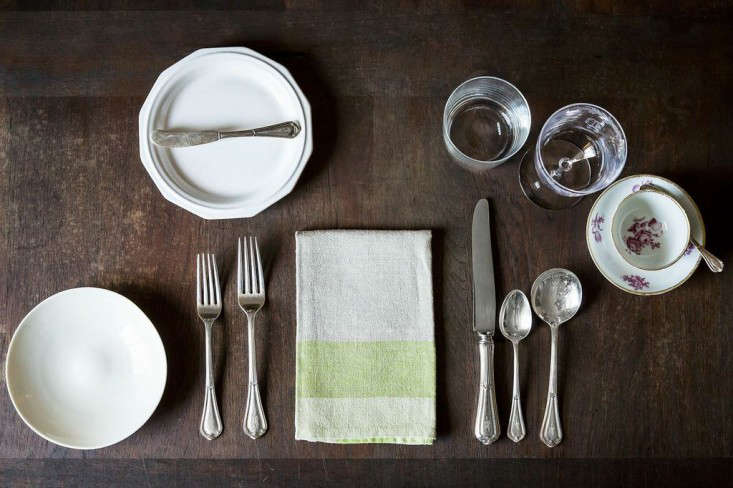
Some people hear the phrase set the table and immediately picture a formal dining room, twelve forks, and one relative who corrects everyone’s napkin placement like it’s an Olympic sport. But in real life, a great table setting is not about making dinner feel stiff. It is about making people feel welcome, relaxed, and just a tiny bit impressed before the salad even arrives.
That is where the best modern advice comes in. Food52 has long treated table setting less like a rulebook carved into marble and more like a creative act: start with a strong foundation, layer thoughtfully, mix old and new pieces, and make the table feel personal instead of perfect. Pair that spirit with classic etiquette guidance, and you get something much more useful than a “fancy dinner diagram.” You get a table that works.
This guide breaks down exactly how to set the table for everyday meals, casual dinners, and more polished occasions without turning your dining room into a museum exhibit. Whether you are hosting brunch for four, Thanksgiving for ten, or pasta night with the people who know where your good snacks are hidden, the goal is the same: create a place where the meal feels intentional, the conversation flows, and nobody has to panic over the butter knife.
Why Table Setting Still Matters
A well-set table does more than hold plates. It sets expectations. It tells guests, “This meal matters,” even if the menu is roast chicken, green beans, and brownies from a box mix you upgraded with sea salt and confidence.
That is why table setting continues to matter in both etiquette circles and modern entertaining advice. The rules exist for practical reasons: guests should be able to find what they need, reach their glass without performing acrobatics, and move through the meal without wondering why there are three spoons staring back at them like a quiz. At the same time, design-forward voices like Food52 remind us that hospitality is emotional as much as functional. A layered linen, a sprig of greenery, or a handwritten place card can make the evening feel cared for rather than merely scheduled.
In other words, table setting sits right at the sweet spot between usefulness and charm. It is choreography with flatware.
The Basic Table Setting: The Everyday Hero
What You Actually Need
If you are setting the table for a simple meal, keep it basic. Start with a placemat if you like one. Put the dinner plate in the center. The napkin goes to the left of the plate or on top of it. The fork sits on the left. On the right side, place the knife closest to the plate with the blade facing inward, then the spoon to the right of the knife. The water glass goes above the knife, slightly to the right.
That is it. No silverware avalanche. No unnecessary accessories. No mystery utensil that makes everyone wonder if oysters are coming.
Why Basic Does Not Mean Boring
A basic table setting is the workhorse of home entertaining because it can be dressed up or down in seconds. Want it to feel casual and cheerful? Use printed placemats and everyday glasses. Want it to feel a little more polished? Swap in cloth napkins, real candles, and a simple runner. A basic setup is not a lesser version of a “real” table setting. It is the foundation for almost everything else.
This is also the easiest place to inject a Food52-style mindset. You do not need matching everything. In fact, a table often looks warmer when it includes subtle variation: slightly different ceramic plates, vintage tumblers mixed with modern flatware, or linens in the same color family but not carbon copies. The result feels collected, not corporate.
How to Set a Casual Dinner Table
For Meals With Courses, But Still Relaxed
A casual dinner table is where many hosts live. It has more intention than an average Tuesday night, but it still lets everyone breathe. This setup is ideal for a dinner party, holiday meal, or anything involving appetizers, a main course, and dessert.
Start with the basic setting. Then add a salad plate on top of the dinner plate. If soup is first, the soup bowl goes on top of the salad plate. If bread is part of the meal, place the bread plate above the forks to the upper left, with a butter knife laid across it. If wine is being served, add the wine glass to the right of the water glass.
The guiding principle here is beautifully simple: only set out what guests will actually use. That rule keeps a table from looking cluttered and keeps guests from feeling like they need a decoder ring to begin eating.
How to Make Casual Look Special
This is where style can quietly do a lot of heavy lifting. Fold the napkin instead of dropping it in a tired square. Use a low floral arrangement or a few bud vases instead of one giant bouquet that blocks eye contact. Add place cards if the group is big enough that seating could get awkward. And if the dinner has a theme, let it shape your table choices. Seafood boil? Durable linens and less fuss. Cozy autumn supper? Layered textures, earthy tones, and maybe a branch or two pretending it belongs there.
That is one of the smartest takeaways from modern entertaining sources: a table should fit the meal. Your setting is not separate from dinner. It is part of the experience, like lighting, music, and whether someone remembered to chill the white wine.
How to Set a Formal Table Without Making It Feel Fussy
The Core Layout
If you are hosting a more formal meal, start with an ironed tablecloth or a beautifully pressed runner. A charger sits at each place. A soup bowl or first-course plate may rest on top. The bread plate goes above the forks at the upper left, usually with the butter knife resting across it. Forks go to the left of the charger, knives and spoons to the right. Glassware begins above the knife area, with water first, then wine glasses as needed. Dessert utensils can be placed horizontally above the plate or brought out later.
The classic rule still holds: work from the outside in. The utensils farthest from the plate are used first, and the ones closest are for later courses.
What Formal Hosts Often Get Wrong
The biggest formal-table mistake is overbuilding it. Hosts sometimes assume formality means using every special piece they own, which can leave the table looking crowded and the guests looking suspicious. A better approach is to match the setting to the menu. If there is no fish course, skip the fish knife. If dessert is simple and served later, bring out the dessert spoon then. Formal should feel elegant, not exhausting.
Another common issue is visual overload. A formal table benefits from alignment, symmetry, and breathing room. Make sure the bottoms of the flatware line up. Keep the glasses neat. Give each guest enough elbow room that dinner does not turn into a polite fencing match.
Food52-Inspired Styling Tips That Make a Table Feel Designed
1. Start With a Foundation
Food52’s entertaining advice often starts with the base layer, and that is smart. Tablecloths, runners, and placemats do more than protect a table. They set the tone. A solid linen cloth feels elegant and grounding. A striped runner adds rhythm. Woven placemats bring texture without demanding attention. Good styling starts under the plate, not just on top of it.
2. Layer, Do Not Pile
There is a difference between depth and clutter. Layering a placemat, dinner plate, salad plate, napkin, and a small personal detail can make the setting feel rich. Piling in ten unrelated objects makes it look like the table lost a bet. Keep the layers purposeful.
3. Mix and Match With Restraint
Perfectly matching sets can be lovely, but they are not required for a beautiful table. In fact, a mix of ceramics, glassware, or vintage serving pieces often feels more welcoming. The trick is to keep one thing consistent, like color, material, or shape. That way the table feels curated instead of accidental.
4. Use Natural Elements
Branches, greenery, fruit, herbs, or a small seasonal element can do wonders for a table. They add life without making the setup feel overproduced. A simple leaf on each napkin or a bowl of citrus in the center can be more effective than an expensive centerpiece trying too hard.
5. Personal Touches Win
Handwritten place cards, a folded menu, a tiny ribbon around the napkin, or a little edible garnish at each place setting can make guests feel genuinely considered. These details are memorable because they signal care. Also, they are wonderfully distracting from any flaws in your gravy.
Centerpieces, Candles, and Other Beautiful Traps
Let us talk about centerpieces, which are often where good intentions go to dramatically block someone’s line of sight.
The best centerpiece is low enough that guests can see one another comfortably. If it is tall, it needs to be airy enough not to create a floral privacy wall. On a long table, several small arrangements usually work better than one giant centerpiece. On a round table, one central arrangement can be more successful.
Candles are lovely, but keep them unscented. Strong fragrance can compete with the food, and dinner should smell like dinner, not like “vanilla cedar cabin dream.” Flowers can present the same issue. Beautiful? Yes. Aggressively perfumed? Not ideal when people are trying to taste roasted salmon.
And for daytime meals, especially breakfast and brunch, skip the candle drama unless the setting genuinely calls for it. Morning light is already doing excellent work.
Common Table-Setting Mistakes to Avoid
- Using too many pieces: If the menu does not require it, the table does not need it.
- Ignoring scale: Huge arrangements, oversized chargers, and giant folded napkins can swallow a small table whole.
- Forgetting comfort: Beauty matters, but guests also need room to eat, pour, and talk.
- Setting everything the same way for every event: Brunch, pasta night, and a holiday roast are not twins.
- Over-scenting the table: Unscented candles are your friend.
- Choosing perfection over warmth: A table can be polished without feeling uptight.
How to Set the Table for Different Occasions
For Brunch
Use the basic setting, then add a bread plate if serving pastries or toast, and a coffee cup on the upper right. Keep the centerpiece bright and simple. Brunch should feel cheerful, not ceremonial.
For Holidays
Use the casual or formal framework depending on the menu, then add texture and seasonality. Think layered linens, natural greenery, handwritten name cards, or inherited dishes mixed with everyday ones. Holiday tables do not need to be stiff to feel special. They need to feel intentional.
For Small Spaces
If the table is tight, scale everything down. Use chargers only if they fit comfortably. Place napkins on plates to save room. Choose slim glassware. Keep the centerpiece narrow or break it into tiny bud vases. In a smaller room, restraint looks more luxurious than excess ever will.
Experiences From Real Tables: What Hosting Teaches You
The funny thing about learning how to set the table is that eventually the mechanics become second nature, and what stays with you are the moments around it. You remember the Thanksgiving when the napkins did not match but the conversation sparkled anyway. You remember the summer dinner where the centerpiece was literally a bowl of peaches because the florist plan fell apart, and somehow that made the whole table better. You remember the nervous first dinner party where you checked the fork placement five times, only to discover that what guests noticed most was the warm bread and the fact that they felt instantly at home.
That is the real secret behind expert table setting advice. It is not just about where the spoon goes. It is about making room for people to settle in. A carefully set table slows everyone down in the best way. Phones disappear. Water gets poured. Someone compliments the glasses. Someone else asks where you found the napkins. The meal begins before the first bite.
There is also a confidence that comes with knowing the rules well enough to bend them. Once you understand the structure, you stop being intimidated by it. You know when a salad fork belongs on the outside, and you also know when it is perfectly fine to skip the whole performance and serve pasta in wide bowls with one fork and a very good napkin. You stop trying to impress “proper dining room people” and start building tables that suit your life.
Over time, most hosts develop their own table-setting style. Maybe yours leans minimal: white plates, clear glasses, linen napkins, one green branch. Maybe it is more layered and eclectic: vintage goblets, striped runners, brass candlesticks, and just enough color to make everything look awake. Maybe it changes with the season, the menu, or your mood. That flexibility is part of the joy.
And then there are the practical lessons you only learn by doing. Place cards really can save a large dinner from awkward seat shuffling. Low centerpieces matter more than you think once you watch two guests lean sideways like detectives trying to make eye contact through a bouquet. Ironing linens, though mildly annoying, does make the whole table look sharper. And setting the table the night before is one of the most underrated hosting moves of all time. It buys back precious mental space on the day of the meal, when the oven is full, the sink is somehow already full, and you are still pretending everything is under control.
Perhaps the most reassuring lesson is this: guests rarely remember whether the butter knife was angled exactly right. They remember whether the evening felt generous. They remember being welcomed, fed, and included. So yes, learn the framework. Put the fork on the left, the knife on the right, the water glass above. But after that, let the table tell a little story. Use the inherited plates. Fold the napkins with flair. Put a pear, a leaf, or a handwritten note at each setting if it makes you happy. Let the table look like a place where people are meant to gather, not a showroom that fears fingerprints.
That is why the best advice, including the Food52 approach, lands so well. It respects tradition without becoming trapped by it. It says that a table can be beautiful, practical, relaxed, and personal all at once. And honestly, that sounds like a dinner worth sitting down for.
Conclusion
If you want to know how to set the table well, start with the essentials and build from there. Learn the basic placement rules so the meal runs smoothly. Then bring in style with texture, layering, natural elements, and a few personal details. Set only what the meal requires. Keep centerpieces low, candles unscented, and the mood welcoming. Most of all, remember that the best table is not the one that looks the most formal. It is the one that makes people want to linger.
Because in the end, a great table setting is not about perfection. It is about hospitality with good posture.