

Editorial note: This article is based on public reporting and official statements available at the time of writing. Allegations involving a possible green card marriage scam remain allegations unless confirmed by court records, law enforcement findings, or admissions from the people involved.
A Missing-Person Case That Turned Into a National Mystery
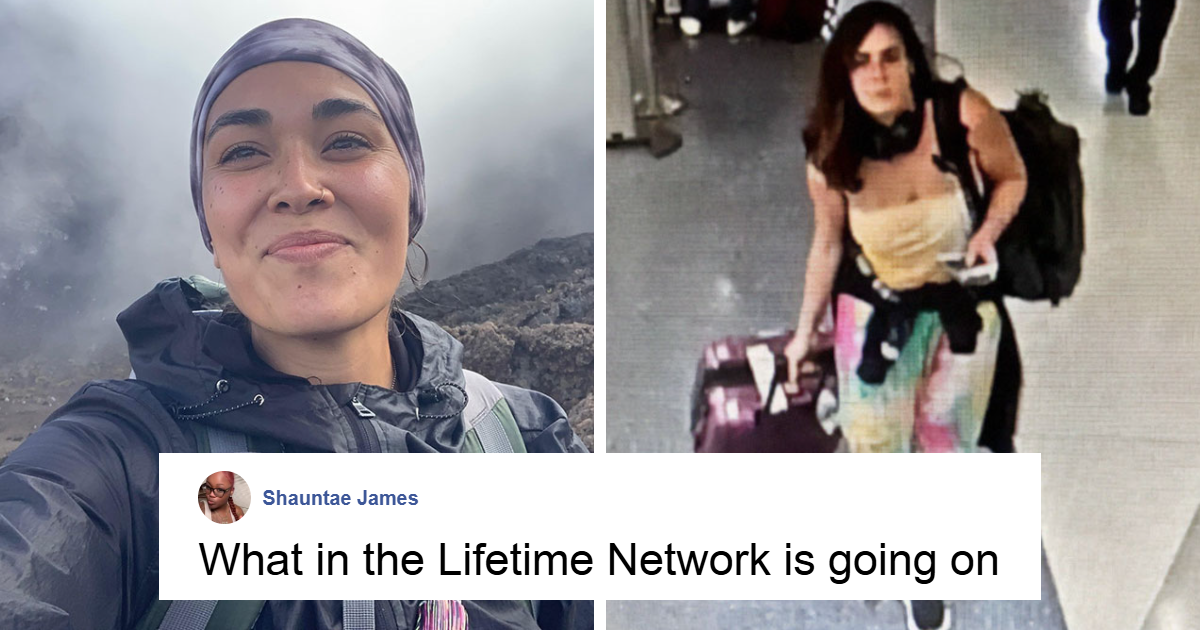
The Hannah Kobayashi case began as a frightening missing-person story and quickly became one of those true-crime-adjacent internet storms where every screenshot, airport sighting, and family statement was examined like it had been printed on a treasure map. Kobayashi, a photographer from Maui, was reported missing after she missed a connecting flight from Los Angeles to New York in November 2024. Her family said they received strange messages suggesting she feared her money or identity had been compromised. That alone was enough to set off alarm bells.
Then came the twist: Los Angeles police later said Kobayashi had crossed into Mexico alone, with her luggage, and appeared unharmed. Authorities classified her as a voluntary missing person, stressing that they had not found evidence of trafficking or foul play. In other words, the official version shifted from “Where is Hannah?” to “Why did Hannah leave?” That second question opened the door to a much more complicated conversation.
Public reporting later introduced another layer: the possibility that Kobayashi may have been connected to an alleged immigration marriage arrangement, often described online as a “green card marriage scam.” According to reports, documents and tips related to a possible marriage were turned over to law enforcement, and the FBI was said to be assisting or looking into the matter. The phrase sounds made for a streaming documentary, but the real story is less cinematic and much more delicate: a missing woman, a grieving family, unverified claims, federal immigration law, and a social-media audience that sometimes treated rumor like a sport.
What Was the “New Evidence” Reportedly Found?
The reported new evidence centered on alleged immigration-related documents, a possible secret marriage, and claims that the relationship may not have been romantic in the ordinary sense. Some outlets reported that Kobayashi’s mother discovered paperwork suggesting contact with an immigration attorney. Other reports described a possible arrangement involving an Argentinian man and a plan to create evidence of a legitimate marriage.
That does not automatically prove a crime. In the United States, people marry across nationalities every day, and many of those marriages are completely legitimate. Immigration law does not ban a couple from considering immigration consequences when they marry. The legal problem begins when the marriage is entered into primarily to evade immigration law rather than to build a real life together. That distinction matters. It is the difference between “we fell in love and immigration paperwork followed” and “we staged a marriage like a bad community-theater production of 90 Day Fiancé.”
Public reports also indicated that Kobayashi’s family had not initially confirmed the authenticity of the alleged marriage claims. That caution is important. A photo, a document, or a third-party tip may raise questions, but questions are not verdicts. The FBI’s reported involvement does not mean anyone is guilty. It means federal authorities may review whether there is a matter within their jurisdiction, especially if immigration documents, alleged fraud, interstate travel, or possible financial exploitation are involved.
Why the FBI Would Care
The FBI can become involved when a case potentially touches federal law. Immigration marriage fraud, document fraud, wire fraud, identity theft, or financial schemes can all cross into federal territory depending on the facts. If someone knowingly enters a sham marriage to help another person obtain immigration benefits, that can be treated as a federal crime. Penalties can include prison time and major fines.
Still, the public should avoid the common internet mistake of confusing “investigated” with “convicted.” Investigators look at leads. Prosecutors file charges. Courts determine guilt. Comment sections mostly generate heat, popcorn crumbs, and legal theories written by people who once watched three episodes of Law & Order.
Timeline: How the Hannah Kobayashi Case Unfolded
November 8, 2024: The Missed Connection at LAX
Kobayashi traveled from Maui to Los Angeles and was expected to continue to New York City. Instead, she missed her connecting flight. At first, the missed flight seemed like the start of a standard missing-person emergency: a traveler goes off schedule, family members become worried, and police begin piecing together airport footage, phone records, and witness accounts.
November 11, 2024: Concerning Messages and Last Contact
Family members said Kobayashi sent unusual messages about money, identity theft, and feeling deceived. Those messages fueled fears that she had been manipulated, threatened, or scammed. In missing-person cases, unusual texts are powerful because they are both evidence and emotional dynamite. They can point to distress, confusion, coercion, or simply a private crisis outsiders do not understand.
November 24, 2024: A Family Tragedy
The case became even more heartbreaking when Kobayashi’s father, Ryan Kobayashi, died in Los Angeles while searching for his daughter. His death intensified public attention and added a painful human cost to a story already full of uncertainty. It also reminded readers that viral cases are not entertainment for the families living through them.
December 2024: Mexico Crossing and Voluntary Missing Classification
Authorities later said surveillance showed Kobayashi crossing into Mexico on foot. Police said she was alone, carrying luggage, and appeared unharmed. They also said they had not found evidence that she was a victim of trafficking or foul play. That announcement changed the public narrative dramatically. Some people accepted the voluntary disappearance explanation. Others believed the strange messages and reported financial concerns still deserved scrutiny.
Mid-December 2024: Found Safe and Returned to the U.S.
Kobayashi was later reported found safe, and she returned to the United States. In a statement, she asked for privacy and said she was focused on healing, peace, and creativity. That should have ended the frenzy, at least in a perfect world. Unfortunately, once the internet grabs a mystery by the ankles, it does not always put it down gently.
Understanding the Alleged Green Card Marriage Scam
A green card marriage scam usually refers to a marriage arranged primarily to obtain U.S. immigration benefits. In a typical legitimate marriage-based immigration case, a U.S. citizen or lawful permanent resident may petition for a foreign spouse. The couple must prove that the marriage is real. That can involve documents, interviews, photographs, joint finances, shared addresses, travel history, and plenty of paperwork that makes a tax return look like a greeting card.
Fraud investigators look for signs that the marriage exists on paper but not in real life. Red flags may include inconsistent answers during interviews, lack of shared financial history, staged photos, separate living arrangements, payment for participation, or third parties arranging multiple marriages. However, none of those factors alone proves fraud. Real couples can be messy, long-distance, financially separate, awkward in interviews, or terrible at taking cute photos together. Love is real; so is bad lighting.
In the Kobayashi case, public reports suggested investigators and family members were looking into whether a marriage arrangement may have been connected to her disappearance or her fear that she had lost money. Some reporting suggested she may have been financially exploited. Other reporting raised the possibility that she willingly participated in an arrangement. Those are very different scenarios. One casts her as a possible victim. The other raises potential legal exposure. A third possibility is that the public knows only fragments and the truth is less tidy than either theory.
Why “Scam” Is a Loaded Word
The word “scam” can mean several things. It could mean immigration fraud against the government. It could mean one participant deceived another out of money. It could mean a broader network recruited people into sham marriages. Or it could mean the internet stitched together half-confirmed details and gave them a dramatic label before the facts caught up. That is why responsible coverage should use words like “alleged,” “reported,” and “possible” until there is verified proof.
What Law Enforcement Has and Has Not Confirmed
Publicly, law enforcement confirmed key parts of the missing-person timeline: Kobayashi missed her connection, crossed into Mexico, and was not believed by LAPD to be a trafficking victim based on evidence known at the time. Authorities also indicated the case had been treated as voluntary after the border footage was reviewed.
What has not been publicly established is equally important. There has been no widely reported criminal conviction against Kobayashi related to marriage fraud. Public reporting about the alleged marriage arrangement has relied in part on unnamed sources, family statements, and documents reportedly turned over to authorities. The FBI typically does not comment in detail on whether it is investigating a particular person unless charges are filed or a public safety need exists.
For readers, the safest interpretation is this: federal authorities were reportedly made aware of information related to a possible immigration marriage scheme, but the public record does not prove that Kobayashi committed a crime. That sentence may be less spicy than a social-media headline, but it has the advantage of not sprinting face-first into defamation territory.
Why the Case Captured So Much Attention
The Hannah Kobayashi story had all the ingredients that make the internet lean forward: an airport disappearance, cryptic messages, surveillance footage, family anguish, cross-border movement, and then an alleged immigration scheme. It was part missing-person case, part family drama, part legal puzzle, and part cautionary tale about how quickly online sleuthing can turn from helpful to hazardous.
People were drawn to the contradictions. If she was safe, why not contact her family sooner? If she voluntarily left, why were the messages so alarming? If there was an alleged marriage arrangement, was it connected to her disappearance or merely an unrelated secret that surfaced at the worst possible time? These questions made the case feel unresolved even after Kobayashi was found safe.
But public fascination can become invasive. Missing adults have privacy rights. Families have grief. Investigators have evidence the public does not see. And social media users have a long and proud tradition of being confidently wrong at incredible speed. The Kobayashi case shows how modern news stories can become interactive mysteries, with the audience acting like detectives, jurors, and gossip columnists all before breakfast.
Legal Analysis: What Would Prosecutors Need to Prove?
To prove marriage fraud, prosecutors generally need evidence that the marriage was entered into for the purpose of evading immigration law. That is a high bar because the government must address intent. A marriage can be complicated, transactional in some ways, or unconventional without being criminal. Prosecutors would look for communications, payments, planning documents, false statements, staged evidence, travel coordination, and testimony from participants or witnesses.
If the alleged scheme involved creating fake photos or false relationship records, investigators would want to know who organized the plan, who paid whom, and whether immigration forms were actually filed. Planning a fake narrative is one thing; submitting false documents to the government is another. The more official paperwork involved, the more serious the legal risk becomes.
Another issue is victimhood. If someone was pressured, misled, or financially exploited, that person may be treated differently from an organizer or recruiter. In some fraud cases, participants are not all equally culpable. One person may be the planner, another may be a paid participant, and another may be a target who did not understand the full consequences. That is why investigations take time and why headlines often flatten what the law must carefully separate.
Media Lessons From the Hannah Kobayashi Case
The case also offers a lesson in how media ecosystems work. Local outlets reported official updates. National outlets summarized the mystery. Tabloids emphasized the wildest turns. Social media filled the gaps with speculation. The result was a story that kept changing shape depending on where readers encountered it.
Good SEO writing on this topic must balance search demand with fairness. Yes, people search for “Hannah Kobayashi green card marriage scam,” “FBI investigates Hannah Kobayashi,” and “Hannah Kobayashi missing update.” But ranking for those keywords should not require treating allegations as facts. The strongest article is not the loudest one; it is the one that explains what is known, what is alleged, and what remains unverified.
That approach also protects readers. When people understand the difference between public records, family claims, unnamed sources, and law enforcement statements, they become less likely to mistake viral certainty for truth. In a case like this, that distinction is not a technicality. It is the whole ballgame.
Experience-Based Reflections: What This Case Teaches About Trust, Travel, and Online Assumptions
Cases like the Hannah Kobayashi mystery hit a nerve because they touch everyday fears. Most people have missed a flight, lost phone battery, sent a confusing message, or made a private decision their family would not understand. Most people have also trusted someone they later regretted trusting. The difference is that our worst travel days usually do not become national news.
One practical experience this case brings to mind is the importance of leaving a basic travel trail with someone you trust. That does not mean surrendering your privacy or letting your relatives track you like a delivery pizza. It simply means telling one reliable person your route, hotel plan, backup contact, and what to do if you go silent. If plans change, a quick “I’m safe, need space, will contact you later” can prevent panic. It may feel awkward, but awkward is cheaper than a search operation and far less painful than family members imagining the worst.
Another lesson involves money and romantic trust. Any relationship that suddenly involves immigration paperwork, large payments, secret arrangements, or promises of future reimbursement deserves a long pause. Love may be blind, but it should still read documents. If someone says, “Don’t tell anyone, just sign this,” that is not romance; that is a marching band of red flags wearing tap shoes. People should get independent legal advice before entering any arrangement tied to immigration benefits, shared finances, or official government forms.
The case also shows how quickly strangers can become characters in a public drama. Online audiences often want a hero, a villain, and a twist ending. Real life rarely provides such clean casting. A person can be scared and still make voluntary choices. A family can be loving and still misunderstand. A reported lead can be serious and still unproven. An investigation can be necessary and still produce no charges. Holding those possibilities at the same time is harder than posting a hot take, but it is more honest.
For families, the emotional takeaway is painful but important: adults have the legal right to disappear voluntarily, even if that choice devastates loved ones. Law enforcement cannot force a competent adult to return home simply because relatives are worried. That can feel cruel, especially when messages suggest distress. But privacy and autonomy are part of the law, too. The tension between concern and control is one of the hardest parts of missing-adult cases.
For readers and content creators, the experience-based lesson is simple: be careful with names, allegations, and screenshots. Do not turn a person’s crisis into a guessing game with permanent search results. Before sharing a claim, ask whether it is verified, whether it helps, and whether you would want the same standard applied to your own family. The internet never forgets, but it could at least learn some manners.
Conclusion: A Complicated Case Still Demands Careful Language
The Hannah Kobayashi case remains a striking example of how a missing-person report can evolve into a broader investigation involving privacy, family fear, immigration law, and public speculation. The reported FBI interest in a possible green card marriage scam adds legal weight to the story, but it does not settle the facts. Publicly available information shows that authorities reviewed her movements, determined she crossed into Mexico voluntarily, and later learned of allegations involving a possible immigration marriage arrangement.
The most responsible conclusion is not that Kobayashi is guilty, innocent, victim, mastermind, or mystery-novel protagonist. The responsible conclusion is that the public record remains incomplete. New evidence may explain parts of the story, but only verified documents, official findings, or court proceedings can turn allegations into established fact. Until then, the case should be discussed with accuracy, empathy, and a firm grip on the difference between curiosity and certainty.
Note: This article was written for web publication using publicly reported information, cautious legal wording, and SEO-friendly structure. It avoids treating allegations as proven facts.