

Choosing a fence sounds simple until you discover the fence aisle is basically a personality test with posts. Do you want privacy? Curb appeal? A safe space for the dog to perform Olympic-level zoomies? A front yard that whispers “storybook cottage” instead of “I bought the first panel I saw on sale”? The right fence style can shape how your home looks, feels, functions, and behaves when the neighbor’s sprinkler gets a little too ambitious.
Fence styles vary by material, height, spacing, maintenance needs, and overall design. Wood fences bring warmth and flexibility. Vinyl fences promise low-maintenance polish. Chain-link fences keep things practical. Metal fences add elegance and security without blocking the view. And modern horizontal designs can make even a plain backyard feel like it belongs to someone who owns matching patio cushions.
Before you fall in love with a fence design, think about your main goal: privacy, security, pets, pool safety, garden structure, property lines, noise reduction, or pure curb appeal. Also check local building codes, HOA rules, utility lines, setbacks, and permit requirements. A beautiful fence is less charming when the city asks you to move it six inches.
How to Choose the Right Fence Style for Your Home
The best fence design balances beauty, budget, durability, and maintenance. A tall privacy fence may be perfect for a backyard patio but too heavy-looking for a small front yard. A decorative metal fence can boost curb appeal, but it will not stop nosy passersby from admiring your tomato plants. A chain-link fence is practical and budget-friendly, but it may need privacy slats, vines, or landscaping if you want a softer look.
Here are the most important questions to ask before choosing a fence style:
- What do you need the fence to do? Privacy, pet control, pool safety, security, decoration, garden support, or property definition?
- How much maintenance can you tolerate? Wood may need staining or sealing, while vinyl and aluminum usually require less upkeep.
- What style matches your home? A farmhouse, colonial, ranch, craftsman, and modern home may each call for a different fence personality.
- What is your climate like? Moisture, sun exposure, wind, salt air, and freeze-thaw cycles can all affect materials.
- What does your budget allow? Consider posts, gates, hardware, installation, repairs, paint, stain, and long-term maintenance.
Fence Styles: 10 Popular Designs to Consider
1. Classic Picket Fence
The picket fence is the golden retriever of fence styles: cheerful, friendly, and almost impossible to dislike. Traditionally used in front yards, picket fencing creates a clear boundary without making the home feel closed off. It is commonly made from wood or vinyl and often features evenly spaced vertical boards with pointed, rounded, flat, or decorative tops.
A white picket fence works beautifully with cottage, colonial, farmhouse, and traditional homes. For a more updated look, homeowners can choose wider pickets, darker paint, squared tops, or a natural wood finish. Picket fences are not ideal for full privacy, but they are excellent for curb appeal, flower gardens, and keeping small pets away from the sidewalk drama.
Best for: Front yards, cottage gardens, traditional homes, decorative boundaries, and friendly curb appeal.
2. Privacy Fence
If your backyard motto is “I came outside to avoid people,” a privacy fence is your best friend. This style uses tightly spaced vertical or horizontal boards to block views from neighbors, streets, and nearby buildings. Most privacy fences are built from wood, vinyl, composite, or sometimes metal panels.
Wood privacy fences are popular because they are customizable and naturally attractive. Cedar, redwood, and pressure-treated pine are common choices. Vinyl privacy fencing offers a cleaner, low-maintenance look and resists rot and insects. Composite privacy fences can mimic wood while reducing some maintenance concerns.
Privacy fences are especially useful around patios, pools, hot tubs, children’s play areas, and outdoor dining spaces. The tradeoff is that they can make small yards feel boxed in if they are too tall, too dark, or installed without landscaping. Add shrubs, climbing plants, lighting, or varied panel heights to avoid the “wooden fortress” effect.
Best for: Backyards, patios, pools, outdoor entertaining, noise softening, and full visual screening.
3. Shadowbox Fence
A shadowbox fence is a smart compromise between privacy and airflow. It uses alternating pickets on each side of the rails, creating a fence that looks finished from both sides. From straight on, it provides partial privacy. From an angle, it allows some visibility and breeze.
This fence style is often called a “good neighbor fence” because both sides look attractive. Nobody gets stuck staring at the rails and posts while the other side enjoys the pretty face of the fence. That alone can reduce backyard diplomacy issues by at least three passive-aggressive lawn-mowing sessions.
Shadowbox fences are usually made from wood, but vinyl versions are also available. They are great for property lines where neighbors share a view of the fence. They work especially well in suburban backyards where privacy matters, but total enclosure feels too severe.
Best for: Shared property lines, suburban yards, semi-private spaces, and homeowners who want both sides to look polished.
4. Horizontal Slat Fence
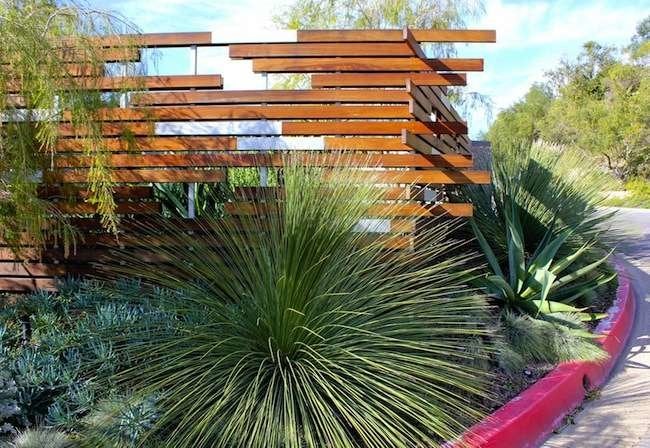
Horizontal fences have become a favorite for modern and contemporary homes. Instead of vertical boards, this style uses boards or slats installed sideways. The result is clean, sleek, and architectural. It can visually widen a space, which makes it useful for smaller yards that need a little design magic.
Horizontal slat fences can be built with tight spacing for privacy or wider gaps for a lighter, airier look. Cedar and redwood are popular choices because their grain looks attractive when displayed horizontally. Metal posts or frames can add strength and prevent the fence from looking too rustic.
The key with horizontal fencing is proper installation. Long boards can warp if the material, spacing, and support are not chosen carefully. For a high-end finish, many homeowners pair horizontal wood with black metal posts, stone columns, or integrated lighting.
Best for: Modern homes, small yards, stylish patios, contemporary landscaping, and homeowners who want clean lines.
5. Split-Rail Fence
Split-rail fencing is the relaxed country cousin of the fence family. It uses horizontal rails fitted between posts, often with two or three rails. Traditionally made from rough-sawn wood, split-rail fences are common around large yards, farms, ranch-style homes, and rustic landscapes.
This style does not provide privacy, and it will not contain small pets unless paired with wire mesh. But it does define boundaries beautifully without blocking views. It also uses less material than many full-panel fences, which can make it appealing for large properties.
For a more polished version, consider post-and-rail fencing with squared posts and rails. Vinyl and metal versions are also available for homeowners who like the open look but want less maintenance than traditional wood.
Best for: Large properties, rustic homes, farms, ranch-style landscapes, and open boundary marking.
6. Lattice Fence
A lattice fence is part fence, part garden accessory, and part invitation for climbing plants to show off. It features crisscrossed strips of wood, vinyl, or composite material that create diamond or square openings. Lattice can be used as a full fence panel, a decorative topper, or a privacy screen around patios and gardens.
Because lattice lets in light and air, it is less visually heavy than a solid privacy fence. It is perfect for growing clematis, jasmine, roses, ivy, or other climbing plants. Just remember that plants add weight and moisture, so the fence needs to be sturdy and maintained properly.
Lattice works well in cottage gardens, side yards, deck screens, and outdoor seating areas. It can also soften a tall privacy fence by adding a decorative top section that feels more elegant than a plain wall of boards.
Best for: Gardens, patios, climbing plants, decorative screening, and soft privacy without blocking all sunlight.
7. Chain-Link Fence
Chain-link fencing will not win a beauty contest against a cedar privacy fence, but it deserves respect. It is durable, practical, relatively affordable, and excellent for enclosing yards, dog runs, sports areas, gardens, and utility spaces. Made from woven steel wire attached to metal posts and rails, chain-link fencing is built for function first.
Traditional galvanized chain link has an industrial look, but vinyl-coated versions in black, green, or brown blend better into the landscape. Privacy slats can be inserted into the mesh for partial screening. Vines, shrubs, or tall ornamental grasses can also help soften the appearance.
Chain-link fencing is a smart option when security and budget matter more than decorative style. It is also useful when you need visibility, such as around a garden, playground, or pet area.
Best for: Pet containment, large yards, budget-conscious projects, gardens, utility areas, and places where visibility matters.
8. Wrought Iron or Ornamental Metal Fence
Wrought iron and ornamental metal fences bring elegance, strength, and old-school drama. They are often used in front yards, around pools, along driveways, and near formal gardens. Modern versions are commonly made from steel or aluminum and may mimic the look of traditional wrought iron with less maintenance.
This fence style provides security and curb appeal while keeping views open. It pairs beautifully with brick, stone, stucco, and traditional architecture. Aluminum fencing is especially popular because it resists rust better than iron and is often lighter and easier to maintain.
The main drawback is privacy. An ornamental metal fence says, “Please admire my landscaping,” not “Please pretend I am not eating chips on the patio.” For privacy, combine it with hedges, masonry columns, or layered plantings.
Best for: Front yards, formal landscapes, pools, driveways, security, and homes with classic or upscale architecture.
9. Board-on-Board Fence
Board-on-board fencing is a premium privacy style that overlaps vertical boards to eliminate gaps. Unlike standard privacy fences, which can develop small spaces as wood shrinks, board-on-board designs maintain better coverage over time. They also create depth and shadow, giving the fence a more substantial look.
This style is usually built from wood, though similar effects can be achieved with composite or vinyl. It is excellent for homeowners who want strong privacy and a more refined appearance than a basic stockade fence. It can be capped with a top rail for a clean, finished edge.
Because board-on-board fences use more material than simpler designs, they often cost more. But the result feels sturdy, attractive, and intentional. In other words, it looks like you planned the backyard instead of panic-buying panels after seeing your neighbor’s new hot tub.
Best for: High-privacy backyards, upscale wood fencing, patios, pools, and property lines where appearance matters.
10. Composite Fence
Composite fencing is made from a mix of wood fibers and plastic, often including recycled materials. It is designed to offer the look of wood with improved resistance to rot, insects, and weathering. Composite fences are available in privacy, semi-privacy, horizontal, and decorative styles.
This fence type can be more expensive upfront than basic wood or chain link, but it may reduce long-term maintenance. It does not need staining as often as wood, and many products are designed to resist fading, cracking, and splintering. That said, quality varies by manufacturer, so it is important to compare warranties, color options, post systems, and installation requirements.
Composite fencing works well for homeowners who want a polished, modern look without committing to regular sanding, sealing, or staining. It is especially attractive around contemporary homes, outdoor kitchens, and backyard living spaces.
Best for: Low-maintenance privacy, modern yards, long-term durability, and homeowners who like the look of wood without the wood drama.
Fence Materials: What to Know Before You Build
Fence style and fence material are closely connected. The same design can look completely different depending on whether it is built from cedar, vinyl, aluminum, composite, or chain link.
Wood
Wood is versatile, warm, and easy to customize. It can be painted, stained, cut into different shapes, and built in nearly any fence style. Cedar and redwood naturally resist insects and decay better than many softwoods, while pressure-treated pine is often more budget-friendly. The downside is maintenance. Wood needs protection from moisture, sun, pests, and time.
Vinyl
Vinyl fencing is popular because it is clean-looking and low maintenance. It does not rot, does not need painting, and is available in privacy, picket, and rail styles. However, it can crack in extreme conditions, and some homeowners prefer the natural texture of real wood.
Metal
Aluminum, steel, and wrought iron-style fences are strong and attractive. Aluminum is light and rust-resistant, while steel is heavier and very durable when properly coated. Metal fences are ideal for security and visibility but usually do not provide privacy unless combined with panels or landscaping.
Chain Link
Chain link is practical and cost-effective. It is often used for pets, gardens, and large enclosures. It can be upgraded with vinyl coating, privacy slats, or plantings to improve its appearance.
Composite
Composite fencing is designed for durability and low maintenance. It often costs more at installation but can be a strong choice for homeowners who want a long-lasting privacy fence with a finished look.
Practical Tips for Planning a Fence Installation
Measure carefully before you buy materials. A small math mistake can turn into extra posts, awkward gaps, or an emergency hardware-store trip in clothes you did not intend to wear in public. Mark corners, gates, slopes, trees, utility areas, and changes in grade.
Always call before digging to locate underground utilities. Fence posts may not seem dramatic, but hitting a utility line is the kind of plot twist nobody wants. Also confirm your property line. A fence built on the wrong side of the boundary can create disputes, legal headaches, and deeply uncomfortable neighborhood barbecues.
Plan gates early. A beautiful fence with a poorly placed gate is like a house with the front door behind a shrub. Think about trash bins, lawn equipment, pets, guests, driveway access, pool access, and emergency routes. Wider gates may be needed for mowers, wheelbarrows, or outdoor furniture.
Finally, consider landscaping. A fence looks better when it belongs to the yard instead of floating around it like a wooden afterthought. Use shrubs, ornamental grasses, flower beds, gravel borders, lighting, or climbing plants to blend the fence into the outdoor space.
Common Fence Mistakes to Avoid
One common mistake is choosing a fence only because it looks good in a photo. Your yard has its own conditions: slope, drainage, sun exposure, soil type, architecture, and neighbors who may or may not own floodlights. A fence that looks perfect in a flat, professionally landscaped yard may need adjustments for your property.
Another mistake is ignoring maintenance. If you know you will not stain a wood fence every few years, be honest with yourself. There is no shame in choosing vinyl, aluminum, or composite. Your future self may even send you a thank-you note.
Homeowners also underestimate height and spacing. A four-foot fence may define a front yard beautifully but do little for backyard privacy. A six-foot privacy fence may solve visibility issues but feel overwhelming in a small space. Semi-private options like shadowbox, lattice-top, or horizontal slat designs can offer a better balance.
Real-World Experiences: What Homeowners Learn After Living With a Fence
After the fence is installed, homeowners often discover that the best fence is not always the fanciest one. It is the one that solves the actual problem. A family with two dogs may love a simple vinyl privacy fence more than an elaborate decorative metal fence because the dogs finally stop holding daily press conferences with every passing squirrel. A gardener may prefer a split-rail fence with wire mesh because it protects the vegetable beds without blocking the view of the yard.
One practical lesson is that gates matter more than people expect. A narrow gate may seem fine until you try to push a mower, wheelbarrow, or patio chair through it. Double gates are especially useful for backyards with sheds, pools, or large landscaping projects. Hardware quality also matters. A sagging gate can make a new fence feel old fast, like putting squeaky shoes on a tuxedo.
Another experience homeowners mention is that privacy changes how a yard is used. A patio behind a tall wood or vinyl fence often becomes an outdoor room. People eat outside more, let kids play longer, use the hot tub without feeling like they are starring in a neighborhood documentary, and generally relax more. The fence does not just block views; it creates comfort.
However, full privacy can also reduce airflow and light. In hot climates, a solid fence around a small yard may trap heat. In shaded areas, it may contribute to damp soil or mildew on nearby surfaces. That is where styles like shadowbox, lattice-top, or spaced horizontal slats can help. They offer screening without turning the yard into a sealed container.
Wood fences teach patience. They look beautiful, but they move, age, fade, and need care. A fresh cedar fence may start honey-colored and gradually weather to gray unless stained or sealed. Some homeowners love that natural aging; others prefer regular maintenance to preserve the original tone. Either choice is fine, as long as it is intentional.
Vinyl fences teach a different lesson: low maintenance does not mean no maintenance. They still need occasional washing, especially near sprinklers, trees, dusty roads, or mildew-prone areas. The good news is that cleaning vinyl is usually easier than refinishing wood. A garden hose, mild soap, and a soft brush can do a lot.
Chain-link fences often surprise people. While they are not glamorous, they are incredibly useful. Add black vinyl coating, privacy slats, climbing vines, or shrubs, and they can fade into the background nicely. For side yards, dog runs, and large lots, chain link can be the practical hero nobody applauds but everyone relies on.
Finally, homeowners learn that a fence affects neighbor relationships. A good-looking fence placed correctly can improve everyone’s experience. A poorly planned fence can create tension, especially if it blocks views, changes drainage, crosses property lines, or presents the unfinished side to a neighbor. Talking with neighbors before installation is not required everywhere, but it can prevent awkward conversations later.
The best fence style is not just about design. It is about daily life. It should fit your home, your habits, your climate, your budget, and your willingness to maintain it. When chosen thoughtfully, a fence becomes more than a boundary. It becomes privacy, safety, structure, curb appeal, and sometimes the only thing standing between your garden and a rabbit with ambition.
Conclusion
Fence styles range from charming picket fences to sleek horizontal slat designs, practical chain link, elegant ornamental metal, and full-privacy wood or vinyl panels. Each option has strengths and tradeoffs. The right choice depends on whether your priority is privacy, curb appeal, pet safety, security, garden beauty, or low maintenance.
For classic front-yard charm, choose a picket fence. For backyard privacy, consider board-on-board, vinyl, composite, or solid wood panels. For open rustic boundaries, split-rail fencing is hard to beat. For modern homes, horizontal slats offer clean lines and serious style. And for pure practicality, chain link remains one of the most useful fence designs around.
Before building, check local regulations, confirm property lines, plan gate placement, and choose materials suited to your climate. A fence is a long-term feature, so do not treat it like an impulse buy. Choose well, and your yard will look better, function better, and finally stop feeling like a public viewing platform.