

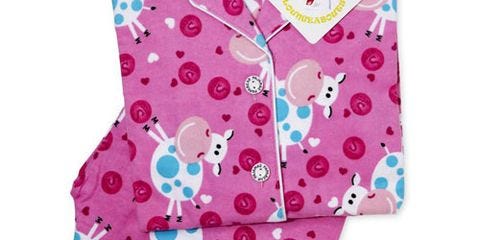
Shopping for kids’ pajamas should be simple: find something soft, cute, washable, and preferably not decorated with glitter that migrates to every surface in the house. Then you notice phrases like “flame resistant,” “flame retardant,” “snug fitting,” and “not flame resistant” on the tag. Suddenly bedtime clothing feels less like a cozy purchase and more like a pop quiz from a safety inspector with a clipboard.
The good news: the rules are not as mysterious as they look. In the United States, children’s sleepwear is regulated because loose fabric can ignite more easily when it gets near open flames, heaters, candles, fireplaces, or stoves. The basic idea is straightforward: kids’ pajamas above baby sizes must either be flame resistant or fit snugly enough to reduce the chance of catching fire. That is why many cotton pajama sets come with the famous warning: “Wear snug-fitting. Not flame resistant.”
This guide explains what flame retardant pajamas and flame resistant kids’ pajamas really mean, how to read labels, what fabrics to compare, and how parents can choose safer sleepwear without turning bedtime into a federal investigation. Pajamas should help kids sleep, not make adults whisper, “What does this tag mean?” at 10:47 p.m.
What Are Flame Retardant Pajamas?
Flame retardant pajamas are sleepwear designed to slow ignition, reduce flame spread, or self-extinguish after brief contact with a small flame. In everyday shopping language, “flame retardant” often refers to fabric treated with chemicals that reduce flammability. “Flame resistant,” meanwhile, may refer to fabric that resists burning because of its fiber type, construction, or treatment. The terms are sometimes used casually by shoppers, but they are not always identical.
For parents, the more useful question is not “Which phrase sounds safer?” but “How does this pajama comply with children’s sleepwear safety rules?” A pair of kids’ pajamas may comply because the fabric passes flammability testing, or because the garment is made to fit snugly according to required dimensions. Both approaches are common. One relies on flame resistance; the other relies on close fit.
Why Kids’ Pajamas Have Special Fire Safety Rules
Children’s sleepwear regulations exist because bedtime clothing is often worn during vulnerable hours. Kids may wander near a space heater, stand too close to a stove while asking for hot cocoa, or brush against a candle at a family gathering. Loose nightgowns, robes, oversized pajama tops, and baggy pants can create more space between fabric and skin, allowing oxygen to feed flames more easily.
Federal children’s sleepwear standards cover many garments intended for sleeping or sleep-related activities, including pajamas, nightgowns, and robes. For sizes above 9 months through size 14, sleepwear generally must either meet flammability requirements or qualify as tight-fitting. This is why infant clothing under 9 months is treated differently, and why a 4T cotton pajama set may carry a bright safety label while a newborn sleeper may not.
The Two Main Paths: Flame Resistant or Snug Fitting
When you shop for flame resistant kids’ pajamas, you will usually find two broad categories:
- Loose-fitting or relaxed sleepwear: These garments must generally be flame resistant and pass flammability requirements.
- Snug-fitting sleepwear: These garments do not have to be flame resistant if they meet tight-fitting design standards and carry the required warning labels.
That explains the label you may see on cotton pajamas: “This garment is not flame resistant. Loose-fitting garment is more likely to catch fire.” It is not a sign that the product is automatically unsafe. It means the pajama is designed to be worn close to the body as a safety feature. In other words, the tag is not being dramatic; it is doing its job.
Flame Resistant vs. Snug-Fit Pajamas: Which Is Better?
There is no universal “best” pajama for every child, every climate, and every family. Flame resistant pajamas can be useful for looser styles, fleece sleepers, and garments designed for warmth. Snug-fit pajamas are popular among parents who prefer cotton, bamboo blends, or other soft fabrics and want to avoid unnecessary chemical treatments when possible.
The safest choice is the one that fits correctly, follows the label instructions, and is used as intended. A snug-fit pajama that is bought two sizes too big is no longer doing the job it was designed to do. A flame resistant pajama that is washed incorrectly may lose performance if the care label warns against certain products. A robe worn near a fireplace still requires adult supervision, even if the tag looks reassuring.
When Flame Resistant Pajamas Make Sense
Flame resistant kids’ pajamas may be a practical choice when you want a looser fit, a fuzzy fleece texture, or a warmer winter sleeper. Polyester fleece is commonly used in flame resistant sleepwear because many polyester fabrics are naturally less likely to ignite than untreated cotton. Some brands also use fabric treatments to meet flammability standards.
Parents should read product descriptions carefully. Look for phrases such as “flame resistant,” “meets children’s sleepwear safety standards,” or “not chemically treated” when available. If the pajama is loose-fitting and marketed as sleepwear for children above 9 months, it should not rely on wishful thinking and adorable dinosaur prints alone. It needs to comply with the required safety standards.
When Snug-Fit Pajamas Make Sense
Snug-fitting pajamas are common in cotton kids’ sleepwear. Cotton is breathable, soft, and familiar, but untreated cotton typically does not pass children’s sleepwear flammability tests as loose sleepwear. That is why cotton pajama sets are often designed to fit close to the body and include permanent labels telling families to wear them snug-fitting.
Snug does not mean painfully tight. A good snug-fit pajama should sit close to the arms, legs, torso, and wrists without restricting movement, leaving deep marks, or turning bedtime into a wrestling match. Kids should be able to bend, stretch, roll over, and perform their nightly “I need water” routine comfortably.
How to Read Pajama Labels Without Needing a Law Degree
Labels are the fastest way to understand what type of kids’ pajamas you are buying. A snug-fit cotton pajama usually includes wording such as “Wear snug-fitting. Not flame resistant.” It may also have a hangtag explaining that loose-fitting garments are more likely to catch fire. A flame resistant pajama may state that it is flame resistant or made from flame resistant fabric.
Here is what to check before buying:
- Size: Children’s sleepwear rules apply differently depending on age and size. Avoid buying oversized snug-fit pajamas “for room to grow.”
- Fit description: Search for “snug fit,” “tight fitting,” “flame resistant,” or “not flame resistant.”
- Fabric content: Cotton sleepwear is often snug-fitting; polyester fleece is often flame resistant.
- Care instructions: Wash exactly as directed, especially if the garment claims flame resistance.
- Recall status: Check current recall notices if you bought from a marketplace, discount seller, or unfamiliar brand.
Fabric Choices: Cotton, Polyester, Fleece, and Blends
Fabric matters, but it is not the only factor. Fit, construction, labeling, and testing matter too. A cute pajama set can look harmless, but if it is loose, untreated cotton and sold as children’s sleepwear, it may not meet the rules.
Cotton Pajamas
Cotton pajamas are popular because they feel soft and breathable. Many parents choose cotton for children with sensitive skin or for warmer climates. However, cotton kids’ pajamas are commonly sold as snug-fit sleepwear because untreated cotton burns more readily than some synthetic fabrics. That is why cotton pajamas often have the “not flame resistant” label.
Polyester Pajamas
Polyester is often used in flame resistant kids’ pajamas, especially fleece sleepers. It can be warm, durable, and quick-drying. Some polyester sleepwear is inherently flame resistant due to the fiber’s properties, while some garments may involve additional treatments or finishes. Parents who prefer to avoid added flame retardant chemicals can look for clear brand statements, certifications, or product details explaining how flame resistance is achieved.
Bamboo, Modal, Rayon, and Soft Stretch Blends
Soft pajama fabrics such as bamboo-derived rayon, modal, and stretch blends are popular because they feel smooth and flexible. However, softness does not automatically equal compliance. These fabrics are usually seen in snug-fitting designs when sold as children’s sleepwear. Always check the label, especially when buying from small online shops or marketplace sellers.
Are Flame Retardant Chemicals a Concern?
Many parents search for flame retardant pajamas because they want fire safety, but many also worry about chemical exposure. That concern is understandable. Flame retardants are a broad group of chemicals used in many consumer products, and health researchers have studied possible links between certain flame retardant compounds and hormone, developmental, and environmental concerns.
The important nuance is this: not every flame resistant pajama is treated with the same chemicals, and not every safe pajama needs chemical treatment. Some fabrics resist burning because of fiber type or garment design. Snug-fitting cotton pajamas are a common alternative for families who want to avoid chemical flame retardant treatments while still following sleepwear safety rules.
Parents can ask brands direct questions: Is this pajama chemically treated for flame resistance? Is the flame resistance inherent to the fabric? Does the product meet children’s sleepwear standards? Is it certified by a third-party textile safety program? A good brand should answer clearly, not with the kind of vague marketing fog usually reserved for shampoo commercials.
Common Shopping Mistakes Parents Should Avoid
The first mistake is buying snug-fit pajamas too large. It is tempting to size up because children grow as if they are secretly powered by moonlight and snacks. But snug-fit sleepwear is designed to reduce flammability risk by staying close to the body. If it hangs loose, it loses an important safety advantage.
The second mistake is treating all “loungewear” as sleepwear. Some children’s clothing may look like pajamas but may not be intended or labeled for sleeping. This matters because clothing marketed as sleepwear must meet specific requirements. If a garment is sold as playwear, fashion loungewear, or costume wear, do not assume it meets sleepwear flammability standards.
The third mistake is ignoring recalls. Recent recall notices show that noncompliant children’s pajamas still appear in the marketplace, including items sold online and in stores. A pajama can have charming prints, glowing reviews, and a price that whispers “buy three,” yet still fail safety standards. Check recall databases when buying from unfamiliar brands or international marketplace sellers.
Practical Buying Checklist for Safer Kids’ Pajamas
Before adding pajamas to your cart, use this simple checklist:
- Choose snug-fit pajamas if buying cotton or soft natural-fiber sleepwear.
- Choose flame resistant pajamas if you prefer looser fleece or relaxed sleepwear.
- Do not size up snug-fit pajamas for long-term growth.
- Read permanent labels, hangtags, and online product descriptions.
- Wash according to care instructions and avoid products the label warns against.
- Keep children away from candles, fireplaces, stoves, heaters, and matches regardless of pajama type.
- Check for recalls, especially after buying from online marketplaces or unknown sellers.
How to Care for Flame Resistant Kids’ Pajamas
Care labels are not decorative poetry. They matter. Flame resistant pajamas may come with washing instructions that protect the fabric’s performance. Some labels may warn against bleach, fabric softeners, or soap-based detergents because residues can affect fabric behavior. When in doubt, use a mild detergent, avoid unnecessary additives, and follow the manufacturer’s directions.
For snug-fit cotton pajamas, care is usually simpler, but fit still matters after washing. Cotton can shrink, stretch, or loosen over time. Check cuffs, waistbands, and sleeves. If the pajama becomes baggy, torn, or stretched out, it may be time to retire it from sleepwear duty. It can still become daytime “pancake breakfast clothing,” but it should not pretend to be snug-fit sleepwear forever.
Best Use Tips for Parents and Caregivers
Safe sleepwear is only one layer of fire safety. Keep matches, lighters, candles, and space heaters away from children. Teach kids not to stand close to open flames or hot appliances. Use battery-powered candles when possible. Keep robes, blankets, and loose costumes away from fireplaces and stovetops. Pajamas can help reduce risk, but they are not superhero capes. Ironically, capes are probably the least fire-safe garment in the room.
For younger children, check comfort as well as safety. Tight cuffs should not leave marks. Zippers should have fabric guards. Waistbands should stay up without squeezing. Feet should not slip inside footed sleepers. A safe pajama that causes complaints all night will not feel like a win to anyone, especially the parent who has already negotiated over toothpaste, bedtime stories, and the exact angle of the night-light.
Flame Retardant Pajamas vs. Flame Resistant Pajamas: A Simple Summary
Use “flame retardant pajamas” when talking about sleepwear treated or designed to slow burning. Use “flame resistant kids’ pajamas” when focusing on garments that meet flammability performance requirements. Use “snug-fit pajamas” when talking about close-fitting cotton or soft-fabric sleepwear that is not flame resistant but is designed to reduce fire risk through fit.
The right pajama is not just the cutest one. It is the one that matches your child’s size, season, comfort needs, and safety expectations. A snug cotton set may be great for summer. A flame resistant fleece sleeper may be useful for winter. A properly labeled garment from a reputable seller beats a mystery pajama from a suspicious listing every time, even if the mystery pajama has cartoon penguins wearing sunglasses.
Real-Life Experiences: What Parents Learn After Buying Kids’ Pajamas
Many parents do not think about flame retardant pajamas until they become pajama-buying professionals by accident. The first child arrives, and suddenly the laundry basket looks like a tiny clothing factory exploded. By the toddler years, parents usually have opinions. Strong opinions. Pajamas with impossible snaps? Never again. Pajamas that shrink two sizes after one warm wash? Straight to the donation pile. Pajamas with labels that sound like legal warnings? Time to investigate.
One common experience is discovering that “snug fit” can look small on the hanger. Parents often hold up a cotton pajama set and think, “There is no way my child fits into this.” Then the child puts it on, the fabric stretches, and it fits correctly. Snug-fit pajamas are supposed to hug the body more closely than regular play clothes. The trick is finding the line between safe-snug and sausage-casing snug. A child should be able to move freely, sit, stretch, and sleep without complaining that the sleeves feel like arm noodles under pressure.
Another real-world lesson is that seasonal pajamas need different thinking. In warm weather, many families prefer lightweight cotton snug-fit pajamas because they breathe well and feel soft. In winter, fleece flame resistant pajamas can be cozy, especially in colder houses. However, parents should avoid overheating. A child who wakes up sweaty and cranky is not enjoying “extra warmth”; they are living inside a laundry-safe toaster. Room temperature, bedding, and pajama fabric should work together.
Parents also learn to be careful with online deals. A pajama set sold by an unfamiliar seller may look adorable in photos, but the listing may not clearly say whether it is snug-fitting, flame resistant, or compliant with U.S. children’s sleepwear rules. If the description is vague, the brand is hard to trace, or the label information is missing, it is better to choose a more transparent option. Cute prints are fun, but clear safety labeling is better.
Hand-me-down pajamas deserve a quick inspection too. Check whether the label is still readable, whether the cuffs are stretched, whether the fabric has holes, and whether the garment still fits snugly. Older siblings have a magical ability to turn pajamas into relics of childhood archaeology. If a snug-fit pajama has become loose and floppy after years of washing, it may be better as daytime lounge clothing than sleepwear.
The biggest lesson is balance. Parents do not need to panic, but they should pay attention. Choose the right size, read the label, follow washing instructions, and keep kids away from fire hazards. Good pajama shopping is not about fear. It is about making informed choices so bedtime can go back to what it should be: brushing teeth, reading stories, requesting one more hug, and somehow needing water immediately after the lights go out.
Conclusion
Flame retardant pajamas and flame resistant kids’ pajamas are more than marketing phrases. They are part of a larger safety system designed to reduce burn risk while giving families practical choices. Parents can choose flame resistant sleepwear for looser styles or snug-fit pajamas for cotton and soft stretch fabrics that are not flame resistant. The key is to read labels, buy the correct size, follow care directions, and avoid treating oversized clothing as safe sleepwear.
The best kids’ pajamas are safe, comfortable, correctly labeled, and realistic for your family’s routine. They should survive bedtime wiggles, late-night blanket escapes, and Saturday morning cartoons. Most importantly, they should give parents one less thing to worry about after the lights go out.
Note: This article is for general educational use. Always check the product label, current recall notices, and the manufacturer’s care instructions before using children’s sleepwear.