

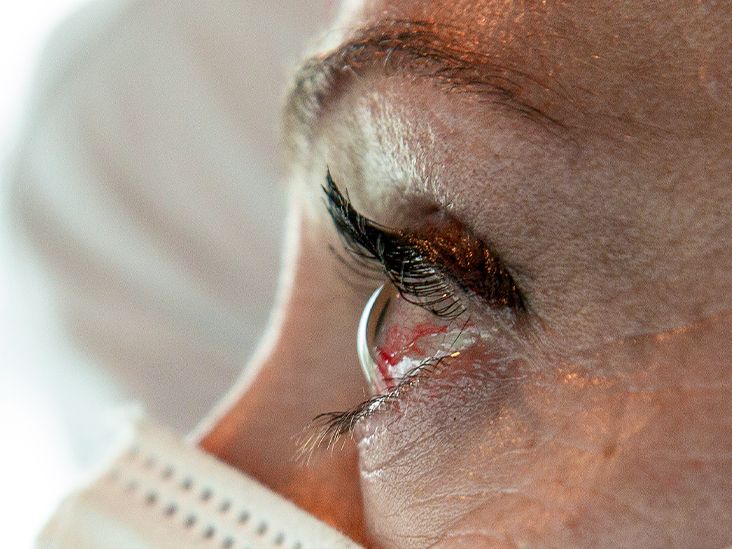
Follicular conjunctivitis is a specific type of pink eye that can make your eyes red, watery, irritated, and annoyingly dramatic. It happens when tiny immune bumps called follicles, usually found on the inner eyelids and conjunctiva, become swollen in response to infection, irritation, allergy, or certain medications.
In plain English: your eye’s defense system notices trouble, presses the alarm button, and suddenly your eyelids feel like they are hosting a very uncomfortable office meeting. The good news is that many cases are mild and improve with supportive care. The important catch is that the cause matters, because viral, bacterial, allergic, toxic, and sexually transmitted causes are not treated the same way.
What Is Follicular Conjunctivitis?
Follicular conjunctivitis is inflammation of the conjunctiva, the thin clear tissue that lines the inside of the eyelids and covers the white part of the eye. What makes it “follicular” is the appearance of small, round, raised follicles on the inner surface of the eyelids, especially the lower lid. These follicles are made of immune cells responding to something they consider suspicious.
Most people know conjunctivitis as pink eye, but that nickname is a little too broad. Pink eye can be viral, bacterial, allergic, irritant-related, or linked to contact lenses or other health conditions. Follicular conjunctivitis is more specific. It often points toward a viral infection, though other causes can also be responsible.
The condition may be acute, meaning it appears suddenly and improves within a few weeks, or chronic, meaning it lingers longer than expected. Chronic follicular conjunctivitis deserves extra attention because it may be caused by chlamydial infection, molluscum contagiosum near the eyelid, medication toxicity, or another hidden trigger.
Common Causes of Follicular Conjunctivitis
1. Viral Infections
Viruses are the leading cause of follicular conjunctivitis. Adenovirus is the classic culprit and is also one reason pink eye spreads so easily in schools, offices, gyms, and homes. Viral follicular conjunctivitis may show up with watery discharge, redness, burning, a gritty feeling, light sensitivity, and sometimes cold-like symptoms.
Other viruses can also trigger follicular conjunctivitis, including herpes simplex virus, herpes zoster virus, molluscum contagiosum, and some respiratory viruses. Herpes-related eye disease is especially important because it can involve the cornea and may require prescription antiviral treatment. This is not the time for “I found leftover drops in the bathroom cabinet” medicine.
2. Chlamydial Infection
Chlamydia trachomatis can cause a chronic follicular conjunctivitis, often called adult inclusion conjunctivitis. This may appear as ongoing redness, mucous discharge, irritation, and swelling that does not clear with standard over-the-counter care. It may affect one eye more than the other and can be associated with a genital infection, even when symptoms elsewhere are mild or absent.
This type needs medical diagnosis and systemic antibiotics, not just random eye drops. Sexual partners may also need treatment to prevent reinfection. It can feel awkward to discuss, but healthcare providers handle these conversations every day. Your eye is not judging you; it just wants the correct treatment plan.
3. Allergies
Allergic conjunctivitis usually causes itching, tearing, redness, and swelling. It is more commonly associated with papillae than follicles, but allergic inflammation can sometimes produce a follicular pattern. Common triggers include pollen, mold, dust mites, animal dander, and cosmetic products.
Allergic eye symptoms often affect both eyes and may appear during certain seasons or after exposure to a clear trigger, such as a cat, fresh-cut grass, or the mysterious scented candle that promised “mountain breeze” but delivered “eyelid chaos.”
4. Toxic or Medication-Related Irritation
Toxic follicular conjunctivitis can happen when the eye reacts to medications, preservatives in drops, contact lens solutions, cosmetics, or repeated chemical exposure. Some people develop chronic irritation after using certain eye drops for a long time, especially if the drops contain preservatives that bother the ocular surface.
This form may improve once the irritating product is stopped or changed, but that decision should be made with an eye care professional, especially if the medication is being used for glaucoma, dry eye disease, infection, or inflammation.
5. Contact Lens-Related Problems
Contact lenses can contribute to eye inflammation when they are worn too long, cleaned poorly, stored in old solution, or used while the eye is already irritated. Contact lens wearers also have a higher concern for keratitis, an infection or inflammation of the cornea that can threaten vision if ignored.
If you wear contacts and develop red eye, pain, light sensitivity, sudden blurry vision, or unusual discharge, remove the lenses and contact an eye doctor promptly. Switching to glasses for a while may not feel fashionable, but neither does turning a mild problem into a corneal emergency.
6. Molluscum Contagiosum Near the Eyelid
Molluscum contagiosum is a viral skin infection that can create small, dome-shaped bumps. When lesions appear near the eyelid margin, viral particles may irritate the eye surface and cause chronic follicular conjunctivitis. This is a classic “look carefully at the eyelid” diagnosis because the eye redness may continue until the skin lesion is treated.
Symptoms of Follicular Conjunctivitis
Symptoms vary depending on the cause, but follicular conjunctivitis commonly includes:
- Redness in one or both eyes
- Watery or mucous discharge
- Burning, stinging, or gritty sensation
- Feeling like something is stuck under the eyelid
- Swollen eyelids
- Light sensitivity
- Eye irritation or mild pain
- Crusting around the lashes, especially after sleep
- Tender lymph nodes near the ear in some viral cases
Viral follicular conjunctivitis often begins in one eye and may spread to the other within a few days. Allergic cases tend to cause more itching. Bacterial cases are more likely to produce thicker discharge, though symptoms overlap enough that guessing is risky. Eyes apparently did not get the memo about making diagnosis convenient.
Follicular vs. Papillary Conjunctivitis: What Is the Difference?
Follicles and papillae are both raised bumps that can appear on the inner eyelids, but they suggest different patterns of inflammation. Follicles are usually small, round, and pale, often linked to viral or chlamydial infections. Papillae are flatter, more vascular bumps that often appear with allergic conjunctivitis, contact lens irritation, or giant papillary conjunctivitis.
This distinction matters because it helps eye care professionals narrow the cause. For example, watery red eyes with follicles after a cold may point toward viral conjunctivitis. Itchy eyes with papillae during spring allergy season may point toward allergic conjunctivitis. A chronic one-sided follicular pattern may raise suspicion for chlamydia or molluscum contagiosum.
How Follicular Conjunctivitis Is Diagnosed
Diagnosis usually begins with a medical history and eye exam. A clinician may ask when symptoms started, whether one or both eyes are affected, what the discharge looks like, whether you wear contact lenses, whether you have cold symptoms, whether anyone nearby has pink eye, and whether you have used new medications, cosmetics, or eye drops.
An eye care professional may use a slit lamp to examine the conjunctiva, eyelids, cornea, tear film, and pattern of follicles. Fluorescein dye may be used to check for corneal involvement, especially if there is pain, light sensitivity, blurry vision, or concern for herpes infection or keratitis.
Lab testing is not always needed for routine cases, but testing may be considered when symptoms are severe, recurrent, chronic, unusual, or suspicious for chlamydia, gonorrhea, herpes, or another specific infection. In short, if your eye is acting like a mystery novel, your doctor may need more clues.
Treatment for Follicular Conjunctivitis
Treatment depends on the cause. There is no single magic drop that fixes every red eye, despite what the medicine cabinet may emotionally suggest.
Supportive Care for Viral Follicular Conjunctivitis
Most viral cases improve on their own. Supportive care may include cool compresses, artificial tears, good hand hygiene, and avoiding contact lenses until the eye is fully recovered. Antibiotic drops do not treat viral infections and may cause side effects or contribute to antibiotic resistance when used unnecessarily.
Viral conjunctivitis may last one to three weeks. During that time, avoid sharing towels, pillowcases, eye makeup, or anything else that gets near the eyes. Wash hands often, avoid touching or rubbing the eyes, and clean commonly touched surfaces. Pink eye is very good at networking, and unfortunately, it does not use LinkedIn.
Antibiotics for Bacterial Causes
If a bacterial infection is suspected, a clinician may prescribe antibiotic eye drops or ointment. Mild bacterial conjunctivitis can sometimes resolve without antibiotics, but treatment may shorten the course, reduce spread, and lower the risk of complications in selected cases.
Contact lens wearers, people with significant discharge, people with immune system concerns, and anyone with severe symptoms should be evaluated more carefully. In some cases, oral antibiotics are needed, especially for chlamydial or gonococcal infection.
Antiviral Treatment for Herpes-Related Disease
Herpes simplex or shingles involving the eye requires prompt medical care. Antiviral medications may be needed, and steroid drops should never be used casually because they can worsen certain viral eye infections if prescribed in the wrong situation.
Allergy Treatment
When allergies are responsible, treatment focuses on reducing exposure and calming inflammation. Options may include artificial tears, cold compresses, oral antihistamines, antihistamine eye drops, mast cell stabilizer drops, and avoiding known triggers. Severe or persistent allergic eye disease may require prescription therapy.
Stopping the Irritant in Toxic Conjunctivitis
If the problem is toxic or medication-related, treatment often begins with identifying and removing the irritant. This may mean switching eye drops, changing contact lens solutions, replacing cosmetics, or stopping a product that is bothering the eye. Do not stop prescribed eye medication without talking to the clinician who recommended it.
Contact Lens Break
People with follicular conjunctivitis should usually pause contact lens wear until symptoms fully resolve and an eye care professional says it is safe to restart. Lenses, cases, and solutions may need to be replaced to reduce reinfection risk. Also, sleeping in lenses when your eyes are irritated is like inviting trouble to bring snacks and stay overnight.
Home Care Tips That Actually Help
While waiting for the eye to recover, practical care can reduce discomfort and prevent spread:
- Use preservative-free artificial tears for dryness or burning.
- Apply a clean cool compress for swelling and irritation.
- Use a separate clean towel for each eye if both eyes are involved.
- Wash pillowcases, towels, and washcloths regularly.
- Avoid eye makeup until symptoms are gone.
- Throw away old mascara, eyeliner, and contaminated applicators.
- Do not share eye drops, cosmetics, towels, or contact lens supplies.
- Wash hands before and after touching the face.
Avoid “redness relief” drops unless a clinician recommends them. Some can temporarily whiten the eye but worsen dryness or cause rebound redness. Your eye may look calmer for a few hours, then return angrier than a cat at bath time.
When to See a Doctor Immediately
Many cases of follicular conjunctivitis are not dangerous, but certain symptoms need urgent evaluation. Seek medical care quickly if you have:
- Moderate to severe eye pain
- Sudden blurry vision or vision loss
- Strong light sensitivity
- Symptoms after eye injury or chemical exposure
- Contact lens use with redness, pain, or discharge
- Thick pus-like discharge that keeps returning
- A rash or blisters around the eye or forehead
- Symptoms lasting longer than a few days without improvement
- Repeated episodes of red eye
- Newborn eye redness or discharge
These warning signs may point to keratitis, uveitis, herpes eye disease, corneal abrasion, chemical injury, or a more serious infection. The goal is not to panic; it is to avoid treating every red eye like it is “just pink eye.” Sometimes the eye is waving a small but very important red flag.
Is Follicular Conjunctivitis Contagious?
It can be, especially when caused by a virus or bacteria. Viral follicular conjunctivitis spreads through contact with infected tears, respiratory droplets, contaminated hands, towels, cosmetics, shared surfaces, or close personal contact. Schools, daycares, offices, and households can become pink-eye relay races if hygiene is poor.
Allergic and toxic forms are not contagious. Chlamydial conjunctivitis can spread through sexual contact and contaminated genital-to-eye transfer, which is why proper diagnosis matters. If the cause is infectious, your healthcare provider can advise when it is reasonable to return to work, school, or close-contact activities.
Prevention: How to Lower Your Risk
Follicular conjunctivitis is not always preventable, but several habits reduce the risk:
- Wash hands often with soap and water.
- Avoid touching or rubbing the eyes.
- Do not share towels, washcloths, makeup, or eye drops.
- Clean contact lenses exactly as directed.
- Replace contact lens cases regularly.
- Never use saliva or tap water to clean lenses.
- Remove lenses before swimming or showering unless your eye doctor gives specific guidance.
- Replace old eye cosmetics, especially after an infection.
- Manage allergies before symptoms spiral.
- Use eye protection when exposed to dust, smoke, fumes, or chemicals.
Prevention is not glamorous, but neither is waking up with eyelids glued together like a craft project gone wrong.
Possible Complications
Most cases resolve without long-term problems. However, complications are possible when the cornea is involved, when herpes viruses are responsible, when contact lens-related infection develops, or when chlamydial or gonococcal infection goes untreated.
Chronic inflammation can also make the eye surface uncomfortable for weeks. People may experience persistent tearing, light sensitivity, dryness, or blurred vision. If symptoms do not improve as expected, follow-up care is important. A lingering red eye is not a personality trait; it is a reason to recheck the diagnosis.
Living With Follicular Conjunctivitis: Real-World Experience and Practical Lessons
Anyone who has dealt with follicular conjunctivitis knows the medical description sounds much calmer than the daily experience. On paper, it is “redness, watery discharge, irritation, and follicles.” In real life, it is waking up, blinking twice, and wondering why your eye feels like it spent the night at a dusty construction site.
One of the most common experiences is confusion. People often assume all pink eye is bacterial and ask for antibiotic drops right away. That is understandable because thick discharge, crusting, and redness look dramatic. But follicular conjunctivitis is often viral, and viral infections need time and supportive care rather than antibiotics. The most helpful shift is realizing that “doing something” does not always mean using stronger medication. Sometimes the best plan is clean hands, artificial tears, cool compresses, no contacts, no makeup, and patience.
Another real-world lesson is that eye rubbing makes everything worse. Rubbing may feel satisfying for about three seconds, then the irritation usually rebounds. It can also move infection from one eye to the other or spread germs to phones, keyboards, door handles, and unsuspecting family members. A better strategy is to keep artificial tears nearby and use a clean compress when the itch or burning becomes distracting.
Contact lens wearers often learn the hardest lesson. When your eye is red and irritated, contacts should come out. Many people try to push through because they dislike glasses, have a big meeting, or believe the lens is not the problem. But contact lens use changes the risk profile. Redness with pain, light sensitivity, or blurred vision needs medical attention because the cornea may be involved. A few days in glasses is a small price to pay for keeping vision safe.
Parents also face a practical challenge: deciding when a child should stay home. If a child has viral or bacterial conjunctivitis with fever, heavy discharge, or poor ability to avoid close contact, staying home may be recommended. But not every red eye requires a long exile from school. The right answer depends on symptoms, school policy, and medical advice. The key is hygiene: handwashing, tissues, separate towels, and reminders not to touch the eyes.
People with chronic symptoms often feel frustrated because the eye may look only mildly red while still feeling constantly irritated. This is where a careful exam matters. Chronic follicular conjunctivitis can hide behind causes such as chlamydial infection, eyelid molluscum, medication sensitivity, or contact lens-related inflammation. If the same eye keeps flaring or symptoms last for weeks, it is worth asking an eye care professional to check the eyelids closely and consider less obvious causes.
The most useful takeaway is simple: follicular conjunctivitis is usually manageable, but the cause controls the treatment. Viral cases need comfort care and infection control. Allergic cases need trigger management and allergy treatment. Bacterial or chlamydial cases may need antibiotics. Herpes-related disease needs prompt antiviral care. Toxic cases improve by removing the irritant. The eye is small, but it is very good at making a big announcement when something is wrong. Listen early, treat wisely, and do not let a red eye become a long-running drama series.
Conclusion
Follicular conjunctivitis is a common but specific type of pink eye involving swollen immune follicles inside the eyelids. It is most often linked to viral infection, but allergies, bacteria, chlamydia, toxic reactions, contact lens problems, and eyelid molluscum can also play a role. Symptoms may include redness, watery discharge, burning, gritty sensation, swollen lids, and light sensitivity.
The best treatment depends on the cause. Many viral cases improve with artificial tears, cool compresses, hygiene, and time. Bacterial and chlamydial causes may require antibiotics. Herpes-related eye disease needs urgent professional care. Contact lens wearers should remove lenses and seek prompt advice if pain, blurred vision, or light sensitivity appears.
The smartest approach is not to guess. If symptoms are severe, persistent, recurrent, or linked to contact lens use, see an eye care professional. Your eyes are not the place for medical freestyle.
Note
This article is for general educational purposes and is not a substitute for professional medical advice, diagnosis, or treatment. Anyone with eye pain, vision changes, significant light sensitivity, contact lens-related redness, chemical exposure, or symptoms that do not improve should contact a qualified healthcare professional or eye care specialist.