

Note: This article is written in standard American English, based on real U.S. home improvement, building safety, energy efficiency, and indoor air quality guidance. It is original, web-ready, and does not include unnecessary citation placeholders.
Turning the Forgotten Garage Into the Favorite Room
Every home has that one space quietly auditioning for a better life. For many families, it is the garage: part parking zone, part storage jungle, part mysterious land where old paint cans go to retire. But with smart planning, a dusty garage can become a comfortable rec room where movie nights, game days, hobbies, workouts, homework sessions, and casual hangouts all get along like they signed a peace treaty.
A garage-to-rec-room conversion is one of the most practical ways to add usable living space without building a full addition. The structure already exists. The roof is already there. The walls are standing. The floor may look like it lost a wrestling match with motor oil, but it is still a floor. The real magic happens when you upgrade comfort, safety, insulation, lighting, flooring, ventilation, storage, and design so the space feels like part of the home instead of a decorated parking spot.
The goal is not just to make the garage “look nicer.” The goal is to make it feel like a room people actually want to use. That means warm in winter, cool in summer, dry when it rains, safe for family activities, bright enough for board games, quiet enough for movie marathons, and organized enough that nobody has to move a leaf blower before sitting down.
Start With a Realistic Plan Before Buying the Fun Stuff
The most tempting part of creating a comfy rec room is shopping for the exciting things: a sectional sofa, a big-screen TV, neon signs, a pool table, a snack fridge, or that arcade machine you swear is “for the kids.” But the best garage conversion starts with the less glamorous questions.
Decide How the Room Will Be Used
A rec room can mean different things depending on your household. For one family, it may be a media room with soft seating and blackout curtains. For another, it may be a teen hangout with gaming stations and durable flooring. Some homeowners want a multipurpose space that works as a gym in the morning, craft room in the afternoon, and football headquarters on Sunday.
Before designing, list the main activities the room must support. Then think about noise, seating, outlets, storage, floor durability, lighting, and heating or cooling needs. A yoga room and a ping-pong room are both recreational spaces, but they do not ask the floor the same questions.
Check Local Permit Requirements
In many U.S. cities, converting a garage into habitable or semi-habitable living space may require building permits, electrical permits, mechanical permits, or inspections. Requirements vary by location, but local building departments often care about insulation, emergency access, fire separation, ceiling height, windows, electrical safety, ventilation, and whether the home still meets parking rules.
This is the part where homeowners sometimes say, “It’s just a couch and drywall.” Unfortunately, city inspectors may not share that poetic vision. If the room will be heated, cooled, wired, insulated, or permanently finished, contact your local building department before work begins. Doing it legally protects safety, resale value, insurance coverage, and your future self from an expensive headache wearing a tool belt.
Moisture Control Comes First
Garages are not always built with comfort in mind. They often have concrete slabs, exposed framing, big doors, temperature swings, and plenty of places where moisture can sneak in. Before adding flooring, drywall, or furniture, check for water problems.
Look for damp corners, musty smells, cracks in the slab, water stains, condensation, peeling paint, or evidence that rainwater flows toward the garage instead of away from it. A rec room should not smell like a basement wearing gym socks. If there is moisture, solve it before finishing the space.
Seal Cracks and Improve Drainage
Small concrete cracks may be repairable with appropriate sealants, while larger cracks or shifting may require professional evaluation. Outside, make sure gutters, downspouts, grading, and driveway slope direct water away from the garage. If the garage sits below grade or floods during storms, address drainage before installing flooring.
Use Materials That Fit the Space
Moisture-resistant materials are often smart choices in a garage rec room. Depending on the design, options may include rigid foam insulation, sealed concrete, luxury vinyl plank, carpet tiles with moisture-resistant backing, rubber flooring for gym zones, or raised subfloor panels designed for concrete slabs. The best floor is not always the fanciest one. It is the one that handles real life without throwing a tantrum.
Insulation: The Difference Between Cozy and “Why Is It Freezing?”
Insulation is one of the biggest comfort upgrades in a garage conversion. Most garages are under-insulated compared with the rest of the house. Without proper insulation and air sealing, the rec room may be too hot in July, too cold in January, and weirdly drafty whenever someone mentions comfort.
Focus on exterior walls, the ceiling, the garage door area, and the floor if needed. If there is living space above the garage, air sealing becomes even more important because garages can contain pollutants such as car exhaust, stored chemicals, and fumes from paints or solvents. A good air barrier helps separate the former garage environment from the rest of the home.
Insulate the Walls and Ceiling
Wall insulation depends on how the garage is built. Open studs may allow fiberglass batts, mineral wool, spray foam, or rigid foam depending on the budget and code requirements. Finished walls may need a different approach. Ceilings also matter, especially if there is an attic above or if the roofline creates intense heat gain.
Air sealing should happen before insulation is covered. Seal gaps around penetrations, rim joists, electrical boxes, plumbing openings, and framing transitions. Insulation slows heat transfer, but air leaks are sneaky little comfort thieves. They slip through cracks while your utility bill laughs quietly in the corner.
Do Not Ignore the Garage Door
The garage door is often the biggest weak point. Some homeowners replace it with a framed wall, windows, or patio doors. Others keep the door for flexibility and add insulation panels plus weatherstripping. If the room is meant to feel fully finished, replacing or professionally sealing the garage door area usually creates better comfort and a more home-like appearance.
Heating, Cooling, and Ventilation Make the Room Livable
A rec room should be comfortable enough to use year-round. Depending on your climate and home layout, heating and cooling options may include extending the existing HVAC system, installing a ductless mini-split, using electric wall heaters, adding ceiling fans, or combining several solutions.
Extending existing ductwork is not always as simple as attaching a new branch and hoping for the best. The current system must have enough capacity, and local codes may require specific installation practices. A licensed HVAC professional can evaluate load needs, airflow, and ventilation. This is especially important if the space will be heavily used or fully finished.
Why Ventilation Matters
Renovated spaces need fresh air and pollutant control. During construction, dust, adhesives, paints, and new materials can affect indoor air quality. After construction, poor ventilation can lead to stuffiness, lingering odors, condensation, and comfort problems. Choose low-VOC paints and finishes when possible, ventilate during work, and avoid storing gasoline, pesticides, solvents, or strong chemicals in the finished rec room.
A rec room should smell like popcorn, clean carpet, or victory after a board game comeback. It should not smell like a lawn mower and a paint thinner bottle formed a garage band.
Choose Flooring That Balances Comfort and Durability
Garage floors are usually concrete, which is strong, practical, and about as cozy as a sidewalk. To make the room comfortable, choose flooring based on moisture, use, budget, and maintenance.
Popular Flooring Options for a Garage Rec Room
Luxury vinyl plank is popular because it is attractive, relatively durable, and comfortable underfoot when paired with the right underlayment. Carpet tiles can create warmth and are easier to replace if one square suffers a tragic soda accident. Rubber flooring works well for workout areas, kids’ play zones, or game spaces where durability matters. Epoxy or polished concrete can look sharp and modern, especially when softened with area rugs.
Avoid installing moisture-sensitive flooring directly over a slab without proper preparation. Concrete can transmit moisture, and flooring manufacturers often have strict installation requirements. Test for moisture if needed, level uneven areas, and follow product guidelines. The flooring is the stage for the whole room. Do not build the show on a damp plot twist.
Lighting: Goodbye Cave, Hello Hangout
Garages often have one lonely ceiling bulb doing the emotional labor of an entire lighting plan. A rec room needs layers of light: general lighting, task lighting, and accent lighting.
Recessed LED lights, flush-mount fixtures, track lighting, or bright ceiling panels can provide even illumination. Floor lamps and table lamps make seating areas feel warmer. LED strips behind shelves, under cabinets, or around a media wall can add personality without turning the room into an airport runway.
Add Natural Light Where Possible
Windows, glass doors, or a properly designed replacement for the garage door can transform the space. Natural light makes the room feel less like a converted utility zone and more like a true extension of the home. Consider privacy, security, energy efficiency, and local code requirements when adding windows.
Electrical Planning for Real-Life Use
A rec room usually needs more electrical support than the original garage offered. Think about television placement, gaming consoles, speakers, mini-fridges, lamps, charging stations, exercise equipment, Wi-Fi boosters, and maybe a popcorn machine because optimism is important.
Hire a licensed electrician for new circuits, outlets, lighting, or panel upgrades. Garages may require specific outlet protection, and finished living areas must meet code. It is much easier to plan outlets before drywall than to discover later that your perfect media wall has one outlet hiding behind the couch like it owes you money.
Design the Room in Zones
A converted garage often has a rectangular shape, which makes zoning especially useful. Instead of treating the room as one big box, divide it into functional areas.
Media Zone
Place the television or projector where glare is controlled and seating feels natural. Use a media console with hidden cable management. Add acoustic panels, curtains, rugs, or upholstered furniture to reduce echo. Garages can sound hollow if every surface is hard, so soft materials help the room feel calmer.
Game Zone
If you want a pool table, foosball table, card table, or arcade cabinet, measure clearance carefully. The biggest mistake is buying the fun thing first and discovering people need to stand in the neighbor’s yard to use it properly. Leave walking paths and consider foldable or wall-mounted furniture for flexibility.
Snack and Storage Zone
A small beverage fridge, coffee station, or snack cabinet makes the room more useful. Built-in cabinets, wall shelves, storage benches, and closed bins help control clutter. A rec room should be relaxed, but “relaxed” does not mean stepping over extension cords and a box labeled “miscellaneous cables from 2009.”
Soundproofing Helps Keep the Peace
Rec rooms are often loud by nature. Movies rumble. Kids laugh. Video games beep. Someone celebrates a ping-pong win like they just won a national championship. Sound control keeps the rest of the house peaceful.
Use insulation in walls, solid-core doors, rugs, curtains, acoustic panels, and soft furniture to reduce noise. If the garage shares walls with bedrooms or neighbors, consider professional soundproofing methods before finishing the walls. Good sound control does not mean silence; it means the fun stays where it belongs.
Safety Details That Should Not Be Skipped
Safety is the invisible upgrade that makes every other upgrade worth it. Install smoke alarms and carbon monoxide alarms as required. Keep exits accessible. Make sure any former garage-to-house separation is handled properly. If the garage still stores tools, chemicals, or equipment in a separate area, keep those items locked, sealed, and away from the living zone.
If the room will be used by children or teenagers, choose durable furniture, safe storage, tamper-resistant outlets where required, and flooring that can handle spills. If exercise equipment is included, leave enough clearance and use stable mats. Comfort is wonderful, but comfort with safety is the real luxury.
Budgeting for a Garage Rec Room Conversion
Costs vary widely depending on size, condition, location, permits, labor rates, insulation, HVAC, flooring, electrical work, windows, and finish level. A basic refresh with paint, rugs, storage, and lighting may be relatively affordable. A full conversion with insulated walls, new HVAC, upgraded electrical, finished flooring, drywall, windows, and built-ins can become a serious remodeling project.
Create three budget categories: must-haves, comfort upgrades, and dream extras. Must-haves include code compliance, moisture fixes, insulation, electrical safety, and climate control. Comfort upgrades include better flooring, lighting, storage, acoustic improvements, and quality seating. Dream extras include custom cabinets, projectors, wet bars, built-in speakers, arcade machines, and the kind of recliner that makes people forget they have responsibilities.
Specific Example: A One-Car Garage Rec Room Layout
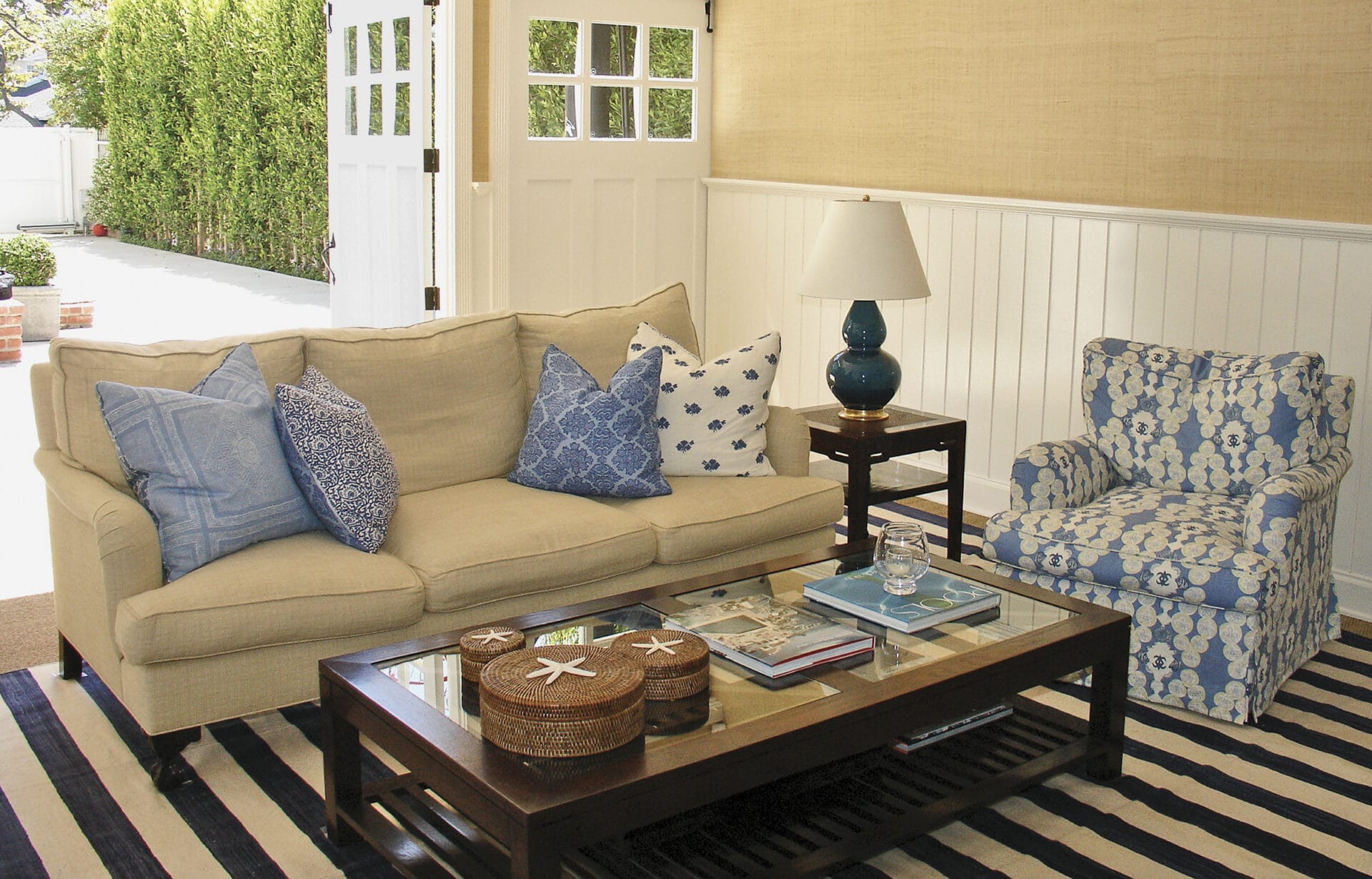
Imagine a standard one-car garage converted into a family rec room. The garage door is replaced with a framed wall that includes two energy-efficient windows. The concrete slab is sealed and covered with luxury vinyl plank. The exterior walls and ceiling are insulated, and gaps are air sealed. A ductless mini-split provides heating and cooling. LED ceiling lights brighten the room, while wall sconces and lamps soften the seating area.
One wall becomes a media center with a mounted TV, closed storage, and floating shelves. A compact sectional sits opposite the screen. Behind the seating area, a small round table works for cards, puzzles, homework, or snacks. A storage bench near the entry holds blankets, game controllers, and board games. The color palette uses warm neutrals, wood tones, and a few bold accents so the room feels cheerful without looking like a sports bar exploded.
This layout works because every decision supports comfort. The space is insulated, ventilated, properly lit, easy to clean, and organized. It still remembers it used to be a garage, but only in the humble way a superhero remembers their origin story.
Extra Experiences and Practical Lessons From Garage-to-Rec-Room Projects
One of the biggest lessons from garage rec room projects is that comfort is built in layers. Many homeowners start with paint and furniture, then wonder why the room still feels cold, echoey, or unfinished. The answer is usually hidden behind the pretty stuff. A comfortable garage rec room needs the bones handled first: dry floor, sealed gaps, insulated surfaces, reliable temperature control, safe wiring, and lighting that does not make everyone look like they are being questioned in a detective movie.
Another common experience is underestimating storage. When a garage becomes a rec room, the items that used to live there still exist. Bikes, tools, holiday decorations, sports gear, and mystery bins do not vanish just because you bought a sofa. Before the conversion, create a storage plan. Some items may move to a shed, attic, basement, or wall-mounted storage system. Others may be donated, sold, or finally released from their emotional support box. A successful rec room does not simply hide clutter; it gives every remaining item a sensible place to live.
Families also discover that flexible furniture is worth its weight in weekend happiness. A giant sectional may look amazing, but if the room needs to host workouts, sleepovers, board games, and holiday overflow seating, modular pieces can be smarter. Nesting tables, storage ottomans, folding game tables, rolling carts, and wall-mounted desks let the room change jobs without requiring a moving crew and a motivational speech.
Sound is another surprise. A garage with drywall, concrete, and minimal textiles can echo like a tiny gymnasium. Add rugs, curtains, upholstered seating, fabric wall panels, bookshelves, and acoustic art to absorb sound. Even simple changes can make movies clearer, conversations easier, and gaming sessions less likely to be heard by someone trying to sleep two rooms away.
Lighting also shapes how often the room gets used. Bright overhead lighting is useful for cleaning, games, and projects, but it can feel harsh during movie nights. Dimmers, lamps, and accent lighting help the room shift moods. Think of lighting as the room’s personality setting. Full brightness says, “Let’s organize the board games.” Soft lighting says, “Let’s watch a movie and pretend laundry is not real.”
The most satisfying conversions usually keep the design simple and durable. Garage rec rooms often become high-traffic spaces, especially for kids, teens, pets, and guests. Choose washable paint, sturdy flooring, easy-clean fabrics, and furniture that does not require a security guard. A beautiful room is great. A beautiful room that survives pizza night is better.
Finally, the best experience is emotional: a converted garage can change how a home lives. Suddenly there is a place for loud games, cozy movies, hobbies, workouts, celebrations, or quiet escape. The room gives the household breathing space. It turns square footage that was once half-used into a daily destination. And yes, there may still be a toolbox somewhere nearby, but now it lives respectfully in a cabinet instead of photobombing family fun.
Conclusion: Build a Rec Room That Feels Like It Belongs
Going from garage to comfy rec room is not just a decorating project. It is a transformation that blends planning, building science, safety, comfort, and personality. Start with permits and moisture control. Add insulation, air sealing, ventilation, climate control, durable flooring, smart lighting, and safe electrical upgrades. Then bring in the fun: seating, games, media, storage, color, rugs, snacks, and the little details that make people want to stay.
A great garage rec room should feel intentional, not improvised. It should be comfortable in every season, easy to maintain, safe for daily use, and flexible enough to grow with your family. Done well, it becomes the room everyone drifts toward after dinner, on rainy weekends, during big games, or whenever the main house feels too formal for popcorn crumbs.
The garage may have started as a place for cars, boxes, and forgotten gardening tools. But with the right upgrades, it can become the coziest, most useful, most personality-packed room in the house. Not bad for a space that used to be famous for oil stains.