

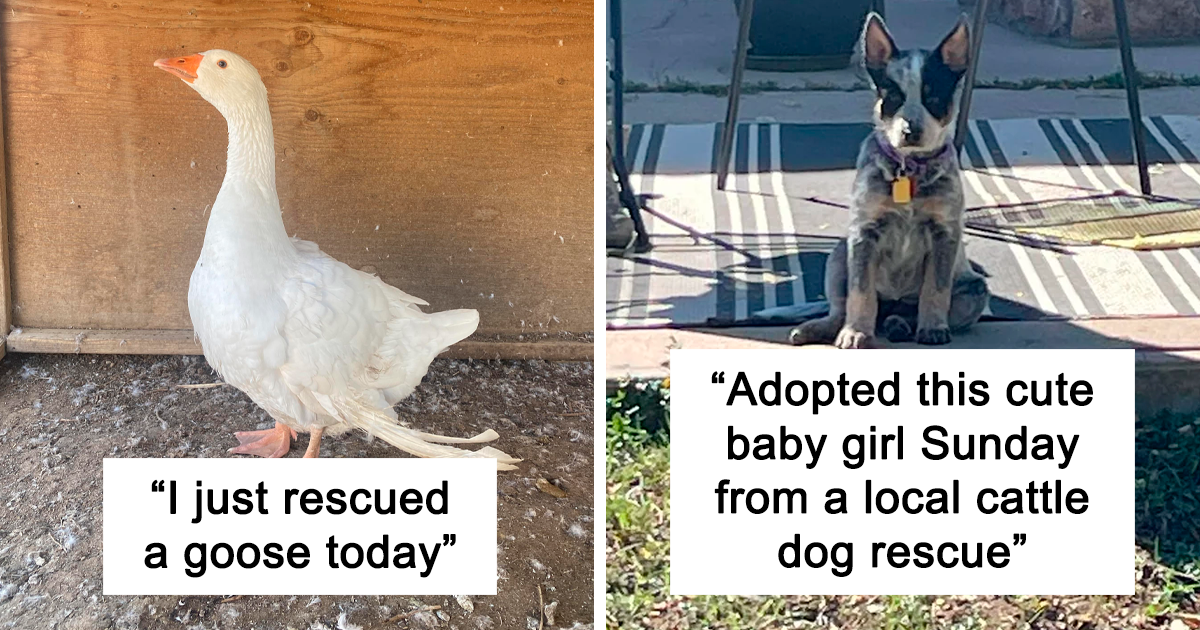
There are few internet genres more powerful than the humble pet adoption photo. You open your phone expecting a quick scroll, and suddenly you are looking at a once-nervous shelter dog asleep belly-up on a floral couch like he pays the mortgage. Or a rescued cat, previously described as “shy,” now draped across her new human’s keyboard as if she has always owned both the house and the Wi-Fi. A great furever home photo does not just show an animal. It shows relief, trust, comedy, chaos, and the exact second a life changes.
That is why collections of heartwarming pet adoption photos never really go out of style. They work on multiple levels at once. They are adorable, obviously. They are hopeful, which the internet could use more of. And they remind people that behind every goofy grin, every first nap, and every “I guess this is my blanket now” pose, there is a real story about rescue, patience, adjustment, and love. In other words, these are not just cute pictures. They are tiny documentaries with fur.
If you gathered 50 of the best pets finding happiness with new owners moments, you would start seeing patterns. Not boring patterns. Emotional patterns. Funny patterns. The same little milestones showing up again and again, from the awkward first car ride to the triumphant first toy hoard. Those recurring scenes tell us something important about pet adoption: the path to a forever home is rarely perfect, but it is often beautiful.
Why “Furever Home” Photos Hit So Hard
The phrase “furever home” can be a little cheesy, yes. But it sticks because it captures what adoption really means. For pets, especially rescue animals, a new home is not just a new address. It is safety. It is predictability. It is food appearing on schedule instead of by luck. It is a lap, a leash, a clean litter box, a familiar voice, and the slow realization that this time, nobody is leaving.
That emotional shift is exactly what makes adoption photos so magnetic. You can often see it in the body language. The dog who looked uncertain in the shelter snapshot is now making direct eye contact, tail going full windshield wiper. The cat who hid in the back of the kennel is now stretched across a sunny windowsill like a tiny velvet landlord. Even before-and-after photos without dramatic transformations still tell a huge story. The “after” image often has one key ingredient the “before” image lacked: ease.
And ease is powerful. It is what turns a photo from “nice pet” into “please excuse me while I cry over this beagle wearing a birthday hat.”
10 Classic Photo Moments You Always See In A Great Furever Home Collection
1. The First Car Ride Home
This is the nervous-but-hopeful classic. One paw on the console. Big eyes. Seatbelt harness. Maybe a blanket. Maybe a look that says, “I do not know what is happening, but I am choosing optimism.” These photos are compelling because they capture the literal transition point. The shelter is behind them. Home is ahead. The pet is between worlds, and the camera somehow catches that strange mix of uncertainty and possibility.
2. The First Real Nap
Every adoption roundup needs at least one animal passed out in a way that suggests total emotional surrender. Tongue out. Legs in the air. Curled into a donut. Sprawled across the bed like an exhausted celebrity after award season. A first deep nap in a new home is not small. It means the nervous system is unclenching. It means the pet is starting to believe this place might be safe enough to sleep without one eye open.
3. The Couch Discovery
Few moments are more universally funny than a newly adopted pet realizing furniture is allowed. The expression is usually somewhere between disbelief and immediate entitlement. One minute they are timid. The next minute they are center-cushion, full-stretch, making family-room decisions. This type of image works because it signals confidence. The pet is no longer merely visiting. They are settling in, and perhaps redecorating spiritually.
4. The Cat In The Window
For adopted cats, the window photo is practically a genre of its own. A windowsill, a bit of sun, maybe a houseplant they should absolutely not chew. These images are quiet, but they say a lot. The cat is choosing to observe rather than hide. They are curious. Interested. Present. For many adopters, that is a huge milestone. The cat who once vanished behind furniture is now openly participating in domestic life, one judgmental stare at a squirrel at a time.
5. The Toy Pile Triumph
Sometimes the most heartwarming image is just a pet beside a ridiculous number of toys. A plush duck. A rope bone. A squeaky pizza slice. Three tennis balls and a stuffed llama for reasons unknown. These photos resonate because they show abundance. Rescue pets often come from unstable situations, so a toy basket can symbolize more than play. It says, “You are expected here. There was planning. There was preparation. Somebody thought about what would make you happy.”
6. The Family Portrait That Is Slightly Chaotic
Perfectly polished adoption portraits are nice, but the truly memorable ones are a little messy. A kid laughing too hard. A dog licking someone’s chin mid-photo. A cat attempting escape. Grandpa smiling like he did not want a pet and is now clearly the pet’s favorite human. Chaos, in this case, is evidence of connection. The animal is no longer a separate story. They are now part of the family plot.
7. The Senior Pet Glow-Up
Older adopted pets bring a special emotional weight to these collections. When a gray-muzzled dog or mature cat lands in a loving home, the resulting photos often feel especially tender. Senior pets may not bring the wild energy of puppies or kittens, but they bring something arguably stronger: gratitude you can practically photograph. A warm bed, a quiet corner, medication on time, gentle routines, and a human who sees them as worth choosing. That is the kind of image that turns people into accidental evangelists for senior pet adoption.
8. The Bonded Pair Plot Twist
Two adopted pets in one frame is almost unfair to the human heart. Maybe it is a bonded cat pair finally curled together in a real home. Maybe it is a resident dog welcoming a new sibling. Either way, these photos remind us that happiness multiplies. When introductions go well, the home expands emotionally. Suddenly the story is not just about rescue. It is about relationship, companionship, and the deeply serious business of deciding who gets the sunny spot on the rug.
9. The “I Chose My Human” Photo
You know the one. The animal is leaning directly into one person, paw draped over an arm, chin on a knee, head tucked into a chest. There is no ambiguity. This pet has made a selection. These images matter because they show attachment forming in real time. They remind viewers that adoption is not one-sided charity. Humans are not only rescuing pets. Pets are choosing people back.
10. The Ordinary Domestic Masterpiece
Not every powerful photo involves a dramatic pose. Sometimes it is just a dog waiting by the kitchen while dinner cooks. Or a cat asleep in the laundry basket. Or a rabbit flopped beside the sofa while the family watches television. These are often the strongest images of all because they show the goal of every forever home: not a cinematic ending, but a stable everyday life.
What These Photos Reveal About Real Pet Adoption
As sweet as these snapshots are, they are even more meaningful when you understand what is happening behind the scenes. A happy adoption photo often represents a lot of invisible work. New owners usually have to prepare the home, create a quiet decompression space, establish routines, monitor food and bathroom habits, schedule veterinary care, and introduce the new pet carefully to children, guests, or other animals. In many homes, the first victory is not “best photo ever.” It is “the dog ate dinner” or “the cat finally came out from under the bed.”
That is one reason the best new pet owner stories feel so satisfying. They are hopeful without being fake. Real rescue transitions can be awkward. Dogs may need time to learn the household rhythm. Cats may spend days conducting a private inspection of one room before expanding their empire. Some pets settle fast. Others need patience and consistency. Many shelters and rescues talk about an adjustment period because what looks like instant love in a photo is often the result of steady, respectful trust-building.
And that is the good news: trust can absolutely grow. It grows when owners keep things calm. It grows when meals arrive on time. It grows when boundaries are gentle and predictable. It grows when a frightened dog is not rushed, when a shy cat is given space, and when a newly adopted pet is treated like an individual rather than a social-media prop. The viral photo is lovely. The routine behind it is what makes the photo possible.
Why These Images Matter Beyond The Cute Factor
Let us be honest: the cute factor is doing a lot of heavy lifting here, and we thank it for its service. But these pet rescue stories matter beyond cuteness because they can change behavior. A single powerful adoption photo can nudge someone toward visiting a shelter. It can make senior pets seem more adoptable. It can challenge the myth that rescue animals are “too damaged” to thrive. It can also help people understand that a pet does not need to be perfect, rare, purebred, or photogenic in a magazine way to be deeply lovable.
There is also something quietly powerful about how these photos reflect the emotional benefits of living with animals. People often talk about pets as companions, but adoption images make that companionship visible. You can see comfort, routine, affection, play, and mutual regulation happening in plain sight. A pet gets safety; a human gets connection. That exchange is a big reason these images resonate so widely online. They remind viewers that home is not just a place. Sometimes it is a person holding a leash and saying, “You live here now.”
If You Scrolled Through 50 Photos, Here Is The Story You Would Really Be Seeing
You would be seeing second chances. Not in a dramatic movie-trailer voice, but in small, domestic ways. A formerly overlooked shelter dog now wearing pajamas. A cat with one ear and enormous confidence. A pet with medical needs getting medication wrapped in peanut butter and called “buddy” like they have been part of the family forever. You would be seeing that happiness does not always arrive with fireworks. Sometimes it arrives as a water bowl, a soft bed, a quiet room, and the absence of fear.
You would also be seeing the new owners change. That is one of the underrated parts of the furever home photos trend. The humans almost always look transformed, too. Softer. Happier. Slightly more sleep-deprived, perhaps, if a puppy is involved, but still deeply pleased with their life choices. Adoption rewires households. Suddenly there are walks to take, toys underfoot, vet appointments on the calendar, and somebody important waiting at the door. The pet gains a family. The family gains a new center of gravity.
That is why these collections endure. They are not just about animals being adorable, though they excel at that. They are about belonging. And in an era when so much online content is cynical, a photo of a rescue pet realizing they are finally home feels almost radical in its sincerity.
Real-Life Experiences Behind The “Furever Home” Feeling
Ask people about the day they brought home an adopted pet, and you rarely get a polished answer. You get stories. The dog who refused to walk through the front door and had to be carried in like a furry ottoman. The cat who disappeared for eight hours and was finally discovered asleep behind the washing machine, perfectly calm, mildly annoyed, and somehow covered in dust. The rabbit who ignored the expensive enrichment toys and fell in love with a cardboard box that looked like it had once held paper towels. These experiences matter because they reveal what adoption actually feels like in a real home: surprising, funny, tender, occasionally inconvenient, and deeply human.
Many owners describe the first breakthrough moment with almost ceremonial detail. It might be the first tail wag aimed specifically at them. The first purr. The first time the pet followed them from room to room. The first time an anxious dog chose to nap with their back turned, which to dog people is practically the emotional equivalent of a signed trust treaty. These milestones can seem tiny from the outside, but to adopters, they are huge. They mark the moment when care starts turning into relationship.
Then there are the stories of adjustment that happen more slowly. Some pets arrive with obvious confidence. Others need a little time and a lot of grace. Owners learn to celebrate progress in oddly specific units: one full meal eaten, one successful litter-box trip, one calm walk around the block, one peaceful introduction to the resident dog, one evening without hiding under the coffee table like a small, furry conspiracy theorist. Over time, those little wins stack up. A week later, the pet is exploring. A month later, they have opinions. Soon enough, they are refusing the cheaper treats and sleeping in the exact spot that makes making the bed impossible. In other words, they are home.
There is also something unforgettable about the way adopted pets change the emotional tone of a household. People often think they are choosing a pet based on size, breed mix, age, or energy level. But once that pet arrives, the change is bigger than logistics. The home becomes more animated. Mornings have purpose. Evenings have rituals. Silence gets replaced by tags jingling, paws on floors, a cat chirping from the hallway, or the unmistakable sound of somebody shredding packaging they absolutely should not have reached. These are not interruptions. They become part of what “normal” means.
That is why the best adoption experiences do not feel like charity. They feel reciprocal. Owners give safety, structure, medical care, patience, and love. Pets give companionship, humor, routine, and the kind of daily emotional presence that is hard to explain until you live with it. They greet you after terrible days. They sit near you during ordinary ones. They remind you that joy can be ridiculously simple: a walk, a toy, a patch of sun, a warm lap, a familiar voice saying their name.
So when people share those glowing “gotcha day” photos or post a sleepy picture captioned “finally home,” they are documenting more than a cute moment. They are recording the start of a relationship that will shape countless little moments afterward. The camera catches only one frame, but the real story continues in feeding routines, vet visits, inside jokes, nicknames, holiday photos, and quiet nights when the pet is asleep nearby and the whole house feels more complete because they are in it. That, more than anything, is the true meaning of a furever home.
Conclusion
“Furever home” photos work because they capture something people instantly understand: happiness looks different when it is safe. A rescue pet does not need a perfect house, a designer bed, or a cinematic soundtrack. They need steadiness, care, patience, and people willing to love them through the awkward beginning. That is why these images land so hard. They show the exact moment uncertainty starts turning into belonging.
So yes, a roundup of 50 heartwarming adoption photos is adorable. But it is also a reminder that every pet deserves the chance to relax into ordinary joy. A couch. A window. A toy basket. A family photo with someone blinking and someone else getting licked in the face. That is the magic. Not perfection. Just home.