

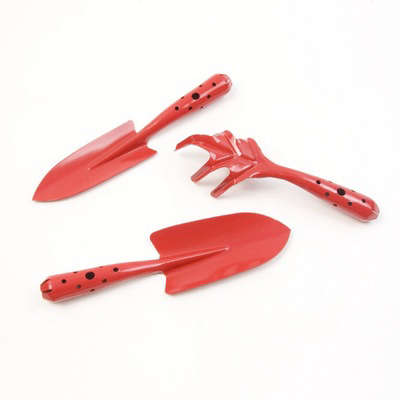
Garden tools are the unsung heroes of every backyard victory. Tomatoes do not care how enthusiastic you are if you show up with the wrong shovel, a dull pruner, and the gardening equivalent of blind optimism. The good news is that building a smart tool kit is easier than many beginners think. You do not need an entire shed that looks like a hardware store exploded. You need a practical set of garden tools that fit your space, your planting style, and your body. Once you have that, everything from digging to pruning to weeding gets easier, faster, and a lot less dramatic.
Whether you grow vegetables, maintain flower beds, or simply try to stop weeds from acting like they own the place, the right garden tools help you work with more control and less strain. They also protect your plants. A clean, sharp blade makes a better cut than a dull one, and a proper hoe can save you hours of crawling around the yard making threats at dandelions. In other words, garden tools are not just accessories. They are the difference between smooth weekend progress and a long afternoon of avoidable frustration.
Why Garden Tools Matter More Than Most Gardeners Realize
Great gardening is not about owning the most tools. It is about owning the right ones. When your trowel feels comfortable, your pruners cut cleanly, and your fork can actually loosen compacted soil, routine chores become manageable. Planting holes are neater. Roots suffer less damage. Weeding becomes a strategic strike instead of a full-body wrestling match. Even watering improves when you use the right nozzle or watering can for seedlings, containers, or established beds.
Good tools also help prevent waste. A strong spade saves time when edging beds. A quality rake moves leaves without shredding your patience. A sturdy wheelbarrow keeps you from making twelve miserable trips with armfuls of mulch. The point is simple: smart garden tools make gardening more efficient, safer, and more enjoyable.
The Essential Garden Tools Every Gardener Should Own
If you are starting from scratch, begin with a small group of essentials. These are the tools that earn their keep season after season.
1. Hand Trowel
A hand trowel is the everyday champion of small planting jobs. It is ideal for transplanting seedlings, digging holes for annuals, scooping potting mix, and working in tight spaces where a long-handled tool would be clumsy. Look for a trowel with a comfortable grip and a solid metal blade that will not bend the first time it meets stubborn soil. This is one of those tools you will reach for constantly, so quality matters.
2. Hand Pruners
Hand pruners, also called pruning shears or secateurs, are essential for trimming soft stems, harvesting herbs, deadheading flowers, and cutting back small branches. If you buy only one cutting tool, make it this one. Bypass pruners are usually the best choice for live stems because they make a clean, scissor-like cut. Anvil pruners are better for dead or dry wood. Think of bypass as the surgeon and anvil as the demolition crew. Both have their place, but one is much nicer to living plants.
3. Loppers
Loppers are the bigger, stronger cousins of hand pruners. They give you more leverage for thicker branches and harder-to-reach cuts. If you maintain shrubs, roses, fruit trees, or ornamental trees, loppers are worth the shed space. Models with longer handles can reduce effort and extend your reach, which is especially useful when your shrub seems personally offended by pruning season.
4. Garden Spade
A garden spade usually has a flatter blade than a digging shovel, which makes it useful for edging beds, slicing through roots, dividing perennials, and moving soil with precision. If you like crisp garden borders or plan to reshape beds, a spade is your best friend. It is the tool that brings order to the landscape and makes everything look more intentional.
5. Digging Shovel
For deep holes, transplanting shrubs, moving compost, and handling bulk material, a digging shovel is a must. Its pointed blade is better suited for penetrating soil than a flat spade. If you are planting trees, installing larger perennials, or hauling mulch, this tool earns its paycheck very quickly.
6. Garden Fork
A garden fork is perfect for loosening compacted soil, lifting root crops, turning compost, and working organic matter into beds. In many cases, a fork can do a better job than a shovel because it breaks up soil with less smearing and less damage to soil structure. It is especially useful in vegetable gardens, where healthy, loose soil is the difference between a decent harvest and a pity salad.
7. Hoe
A hoe is a classic weeding tool, particularly useful in vegetable gardens and open beds. It cuts weeds at the soil surface and helps create furrows for seeds. The best hoe for you depends on your soil and gardening style, but the key is simple: use it regularly. A hoe used early saves you from pulling mature weeds later, which is the gardening equivalent of answering one email now instead of forty next week.
8. Rake
Not all rakes are the same. A leaf rake is light and flexible for gathering leaves and garden debris. A bow rake or steel rake is heavier and better for leveling soil, spreading mulch, or breaking up clods. Many gardeners eventually need both, because asking a leaf rake to level soil is like asking a paper umbrella to survive a hurricane.
9. Watering Can or Hose with a Gentle Nozzle
Watering tools matter more than people think. Seedlings need a gentle shower, not a surprise pressure wash. Containers often need more frequent watering than in-ground plants, and newly planted beds benefit from consistent moisture. A reliable watering can is excellent for patio plants and delicate starts, while a hose with an adjustable nozzle covers larger areas more efficiently.
10. Gloves
Gloves may not dig, cut, or rake, but they absolutely belong in any serious discussion of garden tools. They protect against blisters, splinters, thorns, rough stone, and whatever mystery object is currently hiding in the mulch. Choose gloves based on your tasks: lightweight for dexterity, heavier for pruning and hauling.
11. Wheelbarrow or Garden Cart
If you move compost, soil, mulch, rocks, pots, or branches, a wheelbarrow or cart is less of a luxury and more of a sanity preservation system. It saves time, reduces strain, and keeps your gardening energy focused on actual gardening instead of repeated carrying trips that make you question your life choices.
How to Choose the Best Garden Tools
Buying garden tools should be practical, not impulsive. Yes, shiny new tools are exciting. No, you do not need seventeen specialized gadgets for a ten-by-ten bed.
Prioritize Comfort
Look for handles that feel secure and natural in your hand. Grip comfort matters because even a good tool becomes a bad tool if it causes strain. Gardeners with arthritis or limited hand strength often benefit from lighter tools, longer handles, and designs that reduce bending or increase leverage.
Choose Durability Over Quantity
A small set of well-made tools is better than a huge collection of flimsy ones. Strong steel blades, sturdy connections, and dependable handle materials usually outperform bargain tools that loosen, bend, or rust too quickly. Cheap tools may save money at checkout, but they often charge interest in frustration.
Match Tools to the Job
Use cutting tools for cutting, digging tools for digging, and do not try to make one tool do everything. A trowel is not a pry bar. Pruners are not branch-cutting superheroes. The right tool protects your plants, your muscles, and your weekend.
Garden Tool Maintenance: The Secret to Long-Lasting Performance
Garden tools last longer and work better when you maintain them. Fortunately, maintenance is not complicated.
Clean Tools After Use
Remove soil, sap, and plant debris after each session. This helps prevent rust, improves performance, and reduces the chance of spreading plant diseases. A brush, rag, and a few extra minutes can save you from major problems later.
Keep Blades Sharp
Sharp blades are safer and more effective because they require less force. Pruners, loppers, hoes, spades, and shovels all benefit from occasional sharpening. Clean cuts heal better on plants, and sharp digging edges slip into the soil more easily. Dull tools, by contrast, turn every task into an argument.
Oil and Store Properly
Dry your tools before storing them. Wipe metal surfaces with a light coat of oil to reduce rust, and keep wooden handles dry and in good condition. Store tools in a sheltered, dry area. If they live outside year-round in the rain, they will eventually begin to resemble archaeological finds.
Disinfect When Needed
If you are pruning diseased plants or moving between infected and healthy material, disinfect cutting tools. This simple habit can reduce the spread of disease in the garden. It is not glamorous, but neither is accidentally turning one sick shrub into a neighborhood-wide sequel.
Common Garden Tool Mistakes to Avoid
Many gardening frustrations come from common tool mistakes. One is buying too much too soon. Another is ignoring ergonomics and ending up sore after twenty minutes. A third is using dull blades, which damages plants and wears out the gardener. It is also a mistake to skip maintenance, leave tools outside, or use the wrong cutting tool on live growth.
Perhaps the most common mistake of all is assuming every garden needs the same setup. A balcony gardener needs a different tool kit than someone managing raised beds, fruit trees, and a lawn. Let your garden shape your purchases, not the other way around.
A Smart Starter Kit for Beginners
If you want the simplest possible starting point, begin with these seven: a hand trowel, bypass pruners, shovel, spade, garden fork, rake, and gloves. Add a hoe for vegetable gardening, a watering can or hose nozzle for irrigation, and a wheelbarrow if you move bulk materials often. That combination handles most common tasks without overloading your budget or your storage space.
Final Thoughts on Garden Tools
The best garden tools are not necessarily the fanciest, most expensive, or most numerous. They are the ones that fit your hands, match your garden, and help you work efficiently without exhausting yourself. Good garden tools make planting easier, pruning cleaner, weeding faster, and maintenance more manageable. They also make gardening more fun, which matters because a hobby should not feel like a punishment disguised as landscaping.
Start with the basics, buy the best quality you can reasonably afford, and take care of what you own. Over time, your collection will grow naturally, shaped by real needs rather than impulse purchases. That is the sweet spot: a tool shed full of dependable helpers, not a museum of abandoned good intentions.
Experience: What Garden Tools Teach You After a Real Season Outdoors
There is a big difference between reading about garden tools and actually using them through a full growing season. On paper, every shovel digs, every pruner cuts, and every rake looks ready for action. In real life, the truth shows up fast. A poorly balanced shovel feels twice as heavy by the third planting hole. A bargain trowel that looked fine in the store suddenly bends when it meets compacted soil. Gloves that seemed sturdy become sweaty, stiff, and strangely unhelpful the moment you try to handle delicate seedlings.
One of the first lessons many gardeners learn is that comfort is not a luxury. It is performance. When a handle fits your grip well, your hands stay less tired, your wrist feels better, and you work longer without noticing the clock. The same is true for weight. A slightly lighter tool with solid construction often gets used more than a heavier “professional-looking” one that stays in the corner because it feels like gym equipment with a bad attitude.
Experience also teaches timing. A hoe used for ten quick minutes on tiny weeds feels brilliant. Waiting until those weeds are tall, rooted, and emotionally committed to the space feels like a personal failure. Pruners tell a similar story. Clean, sharp blades make pruning feel precise and satisfying. Dull ones make the task feel clumsy, and the cuts look rough enough to make any gardener wince. After one season, most people stop seeing tool care as an optional chore and start seeing it as the reason the next job goes smoothly.
Another practical lesson is that versatility matters. Some tools become favorites because they solve several problems well. A garden fork can loosen soil, lift root crops, and help turn compost. A sturdy hand trowel can plant annuals, divide small perennials, and scoop amendments. These are the tools that earn permanent residency near the door because you reach for them constantly.
Then there is the emotional side of garden tools, which is surprisingly real. The right tool builds confidence. When you know exactly which one to grab, tasks feel approachable. You stop improvising badly and start working with rhythm. Even maintenance becomes part of the gardening ritual: wash the mud off, dry the blade, return the tool to its place, and quietly admire the fact that you now have a system. It is a deeply satisfying upgrade from the early beginner phase, which often involves losing tools in tall grass and accusing the universe of sabotage.
In the end, experience makes gardeners less interested in owning more tools and more interested in owning better ones. A few reliable garden tools, cared for properly and used often, become part of the rhythm of the season. They help transform gardening from hard labor into skilled work. And once that happens, even the weeding feels slightly less rude.