

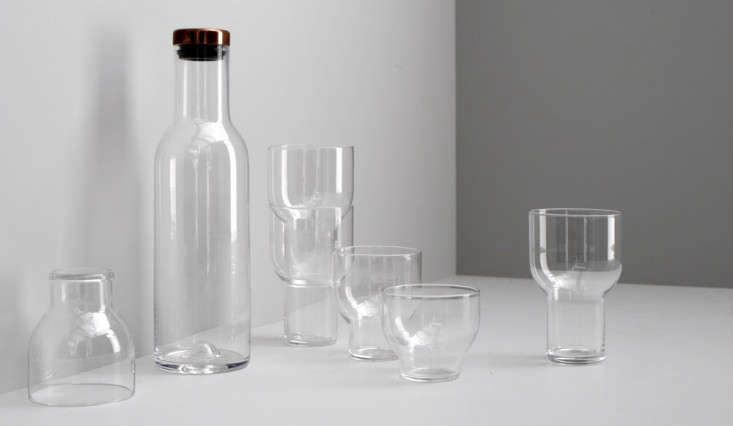
Some home objects shout for attention. Others quietly solve three problems before breakfast. Stackable glasses belong in the second groupthe low-drama, high-function heroes of the kitchen cabinet. And when the idea is filtered through Copenhagen’s design sensibility, the result is not just a drinking glass. It is a small lesson in how everyday living can feel calmer, smarter, and better edited.
The phrase “Genius Stackable Glasses, Copenhagen Edition” captures a very specific kind of design magic: simple glassware that looks refined on the table, feels comfortable in the hand, and stacks neatly when the party is over. No bulky silhouettes. No awkward leaning tower of tumblers. No cabinet door that refuses to close because six glasses have staged a rebellion near the dinner plates.
Inspired by Copenhagen-based design thinking, especially the work of studios such as Norm Architects and brands connected to modern Danish tableware, these glasses prove that practical objects do not have to look practical in the boring sense. They can be elegant. They can be versatile. They can even make your tap water look like it has a reservation at a nice restaurant.
What Makes Stackable Glasses So Genius?
At first glance, stackable glasses seem almost too obvious. Of course glasses should stack. Plates stack. Bowls stack. Food storage containers stack, at least until one lid disappears into another dimension. But drinking glasses are trickier. If the taper is wrong, they get stuck. If the rim is too delicate, stacking can cause chips. If the base is too heavy, the whole column feels unstable. A genuinely good stackable glass has to balance form, function, weight, grip, and storage efficiency.
The Copenhagen approach adds another layer: restraint. Instead of decorating the glass into visual chaos, the best stackable designs focus on proportion. The glass may be mouth-blown, slightly tapered, slender enough to hold comfortably, and clear enough to fit any table setting. It becomes a background character that improves the whole scene without demanding a monologue.
Space-Saving Without Looking Like a Compromise
Small kitchens are excellent teachers. They quickly reveal which objects deserve cabinet space and which ones are just freeloading in ceramic form. Stackable drinking glasses earn their place because they reduce visual and physical clutter. A set of six can occupy the footprint of two or three traditional tumblers, leaving room for mugs, bowls, or that one oddly shaped souvenir cup nobody uses but everyone is emotionally attached to.
The genius is that good stackable glassware does not look like emergency gear for tiny apartments. It looks intentional. On open shelving, a neat stack of clear tumblers can feel almost architectural. On a dinner table, the same glasses look relaxed and modern. That dual identitystorage tool by day, elegant tableware by nightis exactly why this category keeps showing up in design-forward homes.
The Copenhagen Edition: Minimalism With a Human Touch
Copenhagen design is often described with words like simple, functional, warm, and timeless. But the best version of it is not cold minimalism. It is not a white room where everyone whispers and fears leaving fingerprints. It is human-centered design: clean lines, honest materials, practical shapes, and a softness that makes daily routines feel a little more graceful.
That philosophy fits stackable glasses beautifully. A glass is one of the most-used objects in any home. It holds water, juice, iced coffee, wine, cocktails, sparkling water, and occasionally a single flower when the vase is missing. Because it appears so often in daily life, its design matters more than people realize. A poorly balanced glass annoys you every time you pick it up. A well-designed one quietly disappears into the rhythm of the day.
Norm Architects and the Beauty of Everyday Use
Norm Architects, a Copenhagen-based design studio, is closely associated with this kind of refined practicality. Their work for modern tableware brands often emphasizes materials, craftsmanship, and quiet simplicity. In the case of stackable glassware, the design language is not about novelty for novelty’s sake. It is about making a common object more useful, more beautiful, and easier to live with.
The classic idea is simple: a mouth-blown glass with a slender profile that can be used for everyday drinks, evening cocktails, casual dinners, or solo moments on the couch. The shape is designed to feel good in the hand while still allowing multiple glasses to nest safely. That is the kind of detail that sounds minor until you experience the difference. Then suddenly, your old mismatched tumblers start looking like they need a performance review.
Design Details That Matter
Not every stackable glass deserves the word “genius.” Some are merely stackable in the same way a pile of laundry is stackable: technically possible, emotionally unstable. The best examples pay attention to the details that make daily use smoother.
1. The Shape
A stackable glass usually has a subtle taper. The base is slightly narrower than the rim, allowing one glass to rest inside another without jamming. The taper should be gentle enough to look elegant and practical enough to create space. Too wide at the top and the glass feels clumsy. Too narrow at the base and it may feel less stable. The sweet spot is a clean silhouette that stacks securely while still feeling balanced on the table.
2. The Rim
A good rim affects the drinking experience more than people expect. A thin rim feels refined and pleasant, especially for water, wine, or cocktails. A thicker rim may offer durability but can feel less elegant. Copenhagen-inspired stackable glasses often aim for that middle ground: delicate enough to feel polished, sturdy enough for real life.
3. The Weight
Weight is personal. Some people love a heavy tumbler that feels grounded. Others prefer lightweight glassware that moves easily from counter to table. Stackable glasses should not feel flimsy, but they also should not feel like you are lifting a paperweight every time you want sparkling water. A well-balanced glass has just enough heft to feel durable and just enough lightness to feel effortless.
4. The Material
Clear glass is the most versatile choice because it works with every style of tableware. Mouth-blown glass may have small variations that give each piece character. Machine-made glass can offer excellent consistency and durability. Recycled glass adds an eco-minded appeal and often brings subtle texture or color. The best choice depends on how the glasses will be used: everyday family meals, grown-up dinner parties, open-shelf styling, or all of the above.
Why Stackable Glasses Fit Modern Homes
Modern homes are being asked to do more than ever. A kitchen might be a cooking zone, homework station, coffee bar, hosting area, and emotional support snack headquarters. In smaller apartments, every cabinet has to work harder. Even in larger homes, people are moving away from overstuffed cupboards and toward objects that serve multiple purposes.
This is where stackable glassware shines. It supports a simpler, more flexible kitchen. Instead of owning separate glasses for every possible beverage category, many households can rely on one or two well-chosen sets. A 6-ounce glass can serve juice, espresso tonic, wine, or dessert. A 9-ounce or 11-ounce glass can handle water, iced tea, cocktails, beer, or sparkling drinks. The result is less clutter and more freedom.
Perfect for Open Shelving
Open shelving is beautiful until it becomes a public exhibition of kitchen chaos. Stackable glasses help because they create order. A clean column of matching tumblers looks styled without trying too hard. It gives the shelf rhythm and repetition, two design principles that make small displays feel intentional.
If your kitchen has floating shelves, stackable glasses can sit beside white plates, a wooden cutting board, and a small plant for a simple Scandinavian-inspired look. The glasses contribute shine and transparency, which keeps the display from feeling heavy. They also make the shelf useful, not just decorativea very Copenhagen move.
Great for Entertaining
Hosting has a way of exposing every weak link in a kitchen. Suddenly, you realize you own twelve forks, three napkins, and a glass collection that appears to have been assembled during several unrelated life chapters. Stackable glasses make entertaining easier because they are flexible. One style can work for water, wine, spritzers, mocktails, or a simple whiskey over ice.
The best stackable tumblers also transition well from casual to formal. Pair them with linen napkins and handmade plates, and they feel elevated. Use them with pizza and sparkling lemonade, and they still look right. That range matters because most people do not live in catalog photos. Real homes need objects that can survive Tuesday lunch and Saturday dinner.
How to Style Copenhagen-Inspired Stackable Glasses
These glasses are not difficult to style because their strength is simplicity. They work with rustic ceramics, glossy porcelain, matte stoneware, stainless steel flatware, wooden trays, and linen tablecloths. Their clear, unfussy presence lets other materials speak.
For a Minimal Everyday Table
Use clear stackable glasses with white dinner plates, brushed steel flatware, and a neutral placemat. Add a small bowl of lemons or a glass carafe of water. The table will look fresh, practical, and quietly expensiveeven if dinner is pasta with whatever was left in the fridge.
For a Warm Scandinavian Look
Pair the glasses with oak, walnut, or teak accents. Add linen napkins in oatmeal, clay, pale gray, or soft blue. Use a simple ceramic pitcher and a candleholder with clean lines. The goal is not to make the table look empty; it is to make it feel calm and considered.
For Cocktails and Mocktails
Stackable tumblers are excellent for low-effort drinks that still look polished. Try sparkling water with citrus, iced tea with mint, cold brew with a twist of orange peel, or a non-alcoholic spritz with berries and rosemary. The glass shape makes the drink feel designed, even when the recipe is basically “open bottle, add ice, look smug.”
Buying Guide: What to Look For
Before buying stackable glasses, think about your actual lifenot your fantasy life where you host twelve-person dinners every Thursday and never forget to unload the dishwasher. The right set should match your habits, storage space, and tolerance for delicate objects.
Choose the Right Capacity
Smaller glasses around 6 ounces are ideal for juice, wine, espresso drinks, tasting portions, or desserts. Medium sizes around 9 ounces are versatile for water, cocktails, and everyday use. Larger glasses, around 11 to 13 ounces, work better for iced drinks, beer, lemonade, and generous hydration goals. Many households benefit from two sizes: one small, one medium or large.
Check Whether They Are Dishwasher Safe
Dishwasher-safe glassware is a gift to future you. Hand-wash-only glasses can be beautiful, but they require commitment. If the glasses will be used daily, dishwasher safety matters. Also check whether the shape traps water when washed upside down. A beautiful glass that exits the dishwasher carrying a tiny private swimming pool is less charming over time.
Look for Safe Stacking
The glasses should stack without scraping, wobbling, or locking together too tightly. If possible, look for designs with a subtle step, lip, or taper that controls how deeply each glass nests. This protects the rim and makes the stack easier to separate.
Consider Replacement Availability
Even careful people break glasses. It is part of the household ecosystem. Choosing a design that is still in production or easy to reorder can save frustration later. A set becomes more practical when you can replace one piece instead of starting an entirely new collection because a guest gestured too enthusiastically near the sink.
Care Tips for Longer-Lasting Glassware
Stackable glasses are practical, but they still benefit from thoughtful care. Always make sure glasses are fully dry before stacking them. Trapped moisture can create odor, spots, or a less-than-lovely surprise the next time you reach for one. Avoid forcing glasses apart if they stick; a little warm water on the outer glass and cool water in the inner glass can help loosen the seal gently.
For mouth-blown glasses, treat slight variations as part of the charm. They may not be perfectly identical, and that is the point. They bring a handmade quality to the table without feeling fussy. For machine-made everyday sets, inspect the rims occasionally for chips, especially if the glasses are used by children, guests, or anyone who unloads the dishwasher like they are competing in a timed event.
Why the Copenhagen Edition Feels Different
The reason Copenhagen-inspired stackable glasses stand out is not because they invented stacking. It is because they elevate it. The design turns storage efficiency into something visually pleasing. The glasses do not just save space; they make the saved space look intentional.
That is the deeper appeal of Danish and Scandinavian design. It takes everyday routines seriously. Drinking water, setting a table, clearing the dishwasher, hosting friendsthese are ordinary acts, but ordinary acts make up most of life. When the objects involved are better designed, the day feels better designed too.
Experiences With Genius Stackable Glasses, Copenhagen Edition
Living with stackable glasses changes your kitchen in small but surprisingly satisfying ways. The first experience is usually cabinet-related. You open the door expecting the usual crowded shelf, then realize the glasses have condensed themselves into a neat vertical stack. It feels like the kitchen has taken a deep breath. There is finally room for the mugs. There is even room for the bowl you bought because it looked “useful,” although nobody has defined useful yet.
The second experience happens at the table. Stackable glasses have a calm presence. They do not compete with food, flowers, plates, or conversation. They simply make everything look a little more composed. A glass of water catches the light. Iced coffee looks café-ready. A simple citrus drink suddenly seems like it was planned by someone who owns linen napkins and knows where they are.
Guests notice them in a quiet way. They may not say, “What a brilliant example of functional Copenhagen design,” because most dinner guests are not furniture historians. But they do pick them up, turn them slightly, and comment that the glasses feel nice. That is often the best compliment a household object can receive. It means the design is working at the level of touch, not just appearance.
The glasses also encourage better habits. Because they are easy to access, you use them more. Because they stack neatly, you are more likely to put them away properly. Because they look good on open shelves, you may become less tolerant of clutter around them. One smart object can create a ripple effect. Suddenly the cabinet gets edited. The mismatched promotional cup quietly retires. The table starts looking more intentional even on ordinary nights.
In a small apartment, the benefits become even clearer. Stackable glasses help avoid the classic tiny-kitchen problem: owning enough tableware to host friends but having nowhere to store it. A set of stackable tumblers can support everyday use and entertaining without taking over the shelf. They are especially helpful for renters, city dwellers, students, and anyone whose kitchen storage was apparently designed by someone who does not cook.
For families, the experience depends on choosing the right durability. Delicate mouth-blown glasses may be better for adults or special meals, while sturdier stackable tumblers are better for daily traffic. But the concept still works. A practical shape, easy stacking, and multipurpose use can simplify routines in busy homes. The best glass is the one people actually reach for, not the one that lives in a cabinet waiting for a mythical perfect occasion.
There is also an emotional benefit. A beautiful everyday glass makes ordinary drinks feel slightly upgraded. Morning water by the bed, orange juice on Sunday, sparkling water during work, iced tea after errandsthese moments are not glamorous, but they are real. Good design respects them. It says daily life deserves objects that are useful and beautiful, not just objects that survive until the next shopping trip.
That is why the Copenhagen edition idea feels so compelling. It is not about luxury in the loud sense. It is about thoughtful simplicity. The glasses do more with less. They store efficiently, serve flexibly, and style effortlessly. They are modest, but they improve the room. In a world full of gadgets that promise to transform your life and then require three chargers, a stackable glass offers a refreshingly honest proposition: it holds your drink, saves your space, looks good doing it, and asks for nothing more dramatic than a rinse.
Conclusion
Genius Stackable Glasses, Copenhagen Edition is more than a catchy design phrase. It represents a smarter way to think about everyday objects. The best stackable glasses combine beauty, utility, storage efficiency, and comfort in one simple form. They fit small kitchens, modern apartments, relaxed dinner parties, open shelves, and busy daily routines.
Whether inspired by Norm Architects, Audo Copenhagen, or the broader tradition of Danish functional design, this kind of glassware proves that small details matter. A drinking glass may not renovate your kitchen, but it can make the cabinet neater, the table calmer, and the daily ritual of pouring a drink feel a little more intentional. That is genius enough.
Note: This article is an original, web-ready synthesis based on real design, glassware, and small-space living references, written without source links for clean publication formatting.