

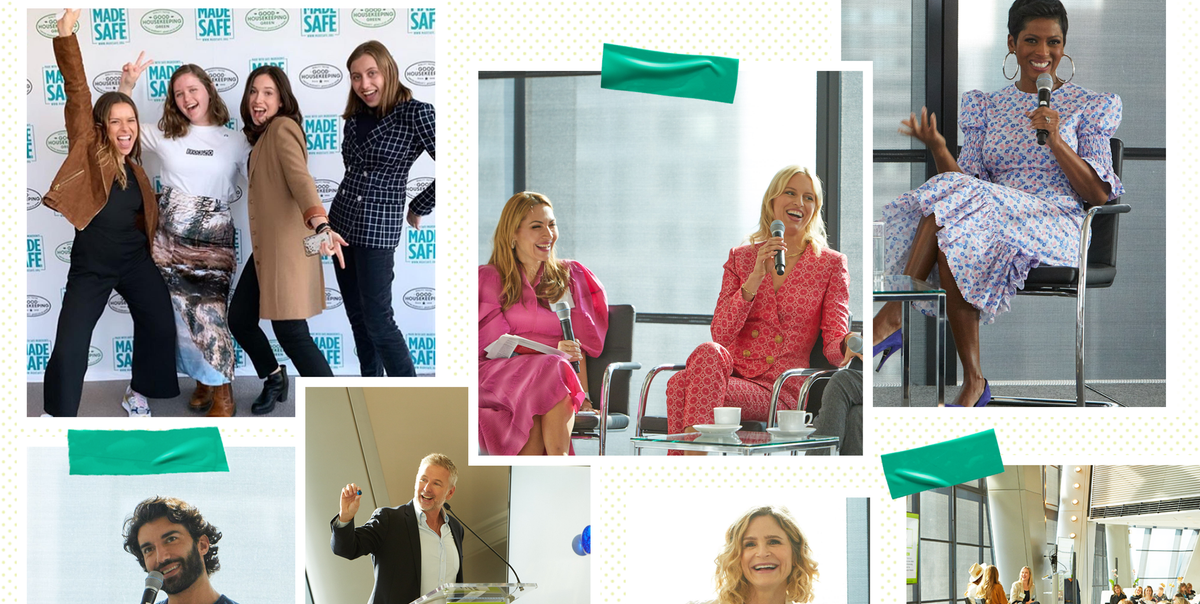
Good Housekeeping has spent generations helping readers choose better products, prepare reliable recipes, organize chaotic homes and occasionally determine whether a cleaning “hack” is clever or simply an excellent way to ruin a countertop. The Good Housekeeping Live & Virtual Events Hub brings that practical editorial spirit into a more interactive setting, connecting audiences with knowledgeable editors, scientists, industry leaders, innovators and lifestyle experts.
Instead of reading a single article and disappearing into the internet wilderness, visitors can use the events hub to discover expert conversations, demonstrations, educational summits and special programs covering subjects that affect everyday life. Depending on the event, participation may involve attending a livestream, registering for a virtual discussion, watching an expert demonstration or revisiting recorded content after the live program has ended.
What Is the Good Housekeeping Live & Virtual Events Hub?
The hub is best understood as a central destination for Good Housekeeping’s event-based programming. It extends the brand beyond print articles, buying guides and recipe collections by giving audiences opportunities to hear directly from the people behind the advice.
Good Housekeeping’s event initiatives have included conversations with innovators, consumer experts, business leaders and changemakers. Past programming has explored cleaning, sustainability, parenting, health, technology and consumer shopping behavior. Some sessions have been created for everyday readers, while others have brought together industry professionals and brands for deeper discussions about emerging trends.
This approach fits naturally with Good Housekeeping’s broader identity. The publication dates to 1885, while the Good Housekeeping Institute began evaluating consumer products in 1900. Today, the Institute operates seven specialized laboratories in an 18,000-square-foot facility in New York City, where scientists, engineers, registered dietitians, analysts and product experts evaluate performance, durability, safety, usability and value.
In other words, these are not events built entirely around cheerful slogans and suspiciously perfect throw pillows. The most valuable programs are grounded in professional testing, editorial research and practical consumer questions.
What Kinds of Events Can Visitors Expect?
The exact schedule can change, but Good Housekeeping live and virtual events generally fall into several useful categories. The variety is part of the appeal: one event might help viewers understand sustainable shopping, while another explores healthier homes, new technology or the science behind familiar products.
Expert Panels and Interviews
Panel discussions give editors, researchers and invited specialists time to examine a topic from several perspectives. Rather than reducing a complicated issue to three dramatic bullet points, a longer conversation can explain what is changing, why it matters and how consumers can respond.
These sessions may feature product innovators, corporate leaders, nonprofit representatives, scientists, authors or public figures. A skilled moderator helps translate industry language into something a normal human can understand without first earning a doctorate in corporate acronyms.
Practical Demonstrations
Good Housekeeping is known for advice that can be used in kitchens, laundry rooms, bathrooms, bedrooms and backyards. Demonstrations are therefore a natural part of its events strategy.
A practical session might show how to use a product correctly, compare different techniques, demonstrate a recipe or explain how laboratory professionals evaluate competing claims. Viewers benefit from seeing the details that written instructions sometimes miss, such as texture, timing, tool placement and the exact moment when “golden brown” becomes “call the smoke detector.”
Consumer and Industry Summits
Some Good Housekeeping events take a broader look at major consumer trends. The brand’s live-events platform has promoted conversations with innovators and changemakers, while archived programming includes sustainability and cleaning-focused summits.
For example, Discover Cleaning 2022: The Clean, Healthy & Happy Home was developed as a virtual event with the American Cleaning Institute. It addressed modern cleaning concerns and new developments in household care. The platform has also featured sustainability programming designed to encourage more ambitious environmental standards.
Sponsored Educational Programs
Some events may be produced with commercial partners. That does not automatically make the content unhelpful, but viewers should pay attention to sponsorship disclosures and distinguish general education from product promotion.
Good Housekeeping states that sponsored content is clearly labeled and that commercial partners do not have material control over independent editorial conclusions. Its product recommendations are guided by editorial and testing standards rather than affiliate relationships alone.
Why Virtual Events Work Well for the Good Housekeeping Audience
Virtual events are especially suitable for lifestyle education because viewers can participate from the same environments where they will use the advice. A cooking demonstration can be watched from a kitchen. A decluttering seminar can be streamed while someone stares judgmentally at a closet. A fitness discussion can be viewed near the yoga mat that has recently served as an expensive floor decoration.
Remote access also removes many barriers associated with traditional events. Participants do not necessarily need to arrange transportation, reserve a hotel room or devote an entire day to attending. A virtual program can reach parents, caregivers, professionals, older adults and other viewers whose schedules make travel difficult.
Well-designed hybrid events do more than broadcast an in-person stage. Event specialists recommend creating a distinct experience for remote participants through live questions, interactive polls, audience discussions, replays and digital resources. Shorter, focused sessions can also hold attention more effectively than marathon presentations.
The Benefits of a Central Events Hub
One Place to Discover New Programs
A centralized hub reduces the need to search through scattered articles, newsletters and social media posts. Visitors can look for event announcements, program descriptions, speakers and registration information in one location.
This is particularly helpful for readers interested in several Good Housekeeping categories. Someone who arrives for a home-cleaning session may discover an upcoming food, wellness or sustainability discussion that would otherwise have escaped their attention.
Direct Access to Trusted Experts
Traditional articles are carefully edited, but live discussions reveal how experts think through questions in real time. Viewers may hear why a recommendation changes under different circumstances, which factors matter most and which popular assumptions deserve to be retired with dignity.
Good Housekeeping’s editorial team works with engineers, chemists, fiber scientists, nutrition professionals, home-care specialists, culinary experts and consumer testers. Event programming can make those specialists feel more accessible and show the reasoning behind their published advice.
Opportunities for Audience Participation
Virtual events can allow viewers to submit questions, respond to polls or interact through moderated chats. These tools help transform an audience from passive spectators into active participants.
Event organizations such as Eventbrite, Cvent and PCMA consistently emphasize that digital participation improves when viewers are given meaningful opportunities to respond. Recorded sessions can extend that value by allowing people to revisit useful sections or catch programs they could not attend live.
A Longer Life for Useful Content
An in-person presentation may last an hour, but a well-organized virtual event can remain useful long afterward. Recordings, transcripts, summaries and related guides turn a one-time program into an ongoing educational resource.
This is especially valuable for demonstrations. A viewer can pause a recorded recipe, replay a product explanation or return to a detailed answer without relying on notes that somehow contain only the words “important tip” and no actual tip.
Popular Themes That Fit the Events Hub
Home Care and Cleaning
Cleaning is one of Good Housekeeping’s strongest areas of expertise. Event topics can include efficient routines, stain removal, appliance care, indoor air quality, disinfecting practices and new household technologies.
The best discussions do more than present shiny new products. They explain which tools are appropriate for specific surfaces, how much cleaning product is actually necessary and why combining random chemicals is not a personality trait.
Food, Cooking and Kitchen Innovation
Good Housekeeping’s Test Kitchen is known for developing and repeatedly testing recipes. Live cooking sessions can make those instructions more approachable by showing preparation techniques, ingredient substitutions, timing and final texture.
Kitchen-focused events may also explore appliances, food trends, meal planning and innovations that save time without turning dinner into a laboratory emergency.
Health, Nutrition and Fitness
Health events can bring registered dietitians, fitness professionals and medical experts into conversations about realistic wellness. Useful programs avoid miracle promises and instead focus on evidence-based habits, accessible movement and practical nutrition.
Because personal health needs vary, responsible sessions should encourage viewers to use general information as education rather than as a replacement for individualized medical care.
Beauty and Personal Care
Beauty events may explain ingredient trends, product testing, skincare routines, hair-care techniques and the science behind performance claims. Demonstrations can be especially helpful when application method affects the result.
These discussions also provide an opportunity to examine inclusivity, skin-tone variation, hair texture, age-related needs and the difference between a genuinely useful innovation and a tiny jar with excellent lighting.
Sustainability and Smarter Shopping
Sustainability programming can help consumers evaluate packaging, durability, energy use, waste reduction and environmental claims. Instead of demanding instant perfection, good events focus on practical improvements and explain how purchasing decisions fit into larger systems.
That approach is valuable because terms such as “green,” “clean” and “eco-friendly” can be vague. Expert conversations can help audiences recognize meaningful certifications, understand trade-offs and avoid paying extra for a leaf printed on a box.
Parenting, Technology and Family Life
Family-focused events may address child development, digital safety, educational products, toys, organization and the everyday logistics of managing a household. Technology discussions can similarly help consumers evaluate smart-home devices, privacy concerns and rapidly changing digital tools.
How to Get More Value From a Good Housekeeping Virtual Event
A little preparation can turn a livestream from background noise into genuinely useful learning.
Review the Program Beforehand
Read the session description and speaker information before the event begins. This helps you decide whether the program matches your interests and gives you time to prepare relevant questions.
Join a Few Minutes Early
Test your audio, browser and internet connection before the presentation starts. Technology has a remarkable ability to behave perfectly until a respected expert begins answering the one question you desperately wanted to hear.
Participate When Interaction Is Available
Use Q&A tools, polls and moderated chats when appropriate. A concise, specific question is more likely to be answered than a three-paragraph autobiography followed by “Thoughts?”
Take Actionable Notes
Record only information you can realistically use. Write down product criteria, steps, warnings, resources and decisions rather than attempting to transcribe every sentence.
Watch the Replay
When a recording is available, return to demonstrations or complex explanations. On-demand access is one of the strongest advantages of digital events because it allows audiences to learn at their own pace.
Accessibility Should Be Part of the Experience
Virtual programming is convenient only when people can actually use it. Captions, readable registration forms, keyboard navigation, accessible documents, clear instructions and transcripts can help participants with different disabilities and technology needs.
The World Wide Web Consortium recommends planning accessibility before an event, providing materials to interpreters and captioners in advance, and making transcripts available when possible. U.S. accessibility guidance also emphasizes equal access to digital information and effective communication.
These features benefit a much wider audience as well. Captions help people watching in noisy homes, transcripts make information searchable and replays allow viewers to process complicated material at a comfortable speed.
An Extended Experience With the Good Housekeeping Live & Virtual Events Hub
Using an events hub like this feels less like entering a formal conference and more like opening the door to a very organized house where every room contains a different expert. In one room, someone is explaining why your towels have gradually developed the texture of roofing material. In another, a chef is demonstrating a weeknight recipe that does not require twelve specialty ingredients and the patience of a medieval monk.
The most enjoyable experience begins with browsing rather than rushing. A visitor may arrive looking for a single cleaning webinar and discover that the larger program includes discussions about wellness, beauty science, kitchen tools, parenting or sustainable shopping. That sense of discovery is important because household decisions rarely exist in isolation. A conversation about laundry products can lead to questions about sensitive skin, packaging waste, water temperature and appliance efficiency.
A strong virtual session quickly establishes why the topic matters. The host introduces the speakers, explains what the audience will learn and avoids spending the first fifteen minutes reading biographies that already appear on the registration page. The conversation then moves into practical details: what consumers misunderstand, what experts examine and what viewers can change immediately.
Demonstrations are often the most memorable part. Written advice may say to apply a small amount of a product, but video shows whether “small” means a pea, a quarter or an amount that could frost a birthday cake. A cleaning specialist can show the direction of a wiping motion. A food editor can demonstrate how a mixture should look before it enters the oven. A beauty scientist can explain why two products with similar labels perform differently.
Audience questions add another layer of value. The prepared presentation covers the main topic, while live questions reveal the odd little complications of real life. Can the method be used on an older appliance? Is the product suitable for a household with pets? Can an ingredient be replaced? What happens when the beautifully organized storage system meets three children and a dog with strong opinions?
Not every question will receive an answer, and not every session will be equally relevant. That is where the hub format helps. Visitors can select events that match their priorities instead of committing to an entire conference schedule. A working parent might watch a twenty-minute segment during lunch. A home renovator might save a longer panel for the weekend. A curious shopper might attend live specifically to ask about testing methods.
The experience becomes even more useful when recordings are available. Replaying a session changes the event from entertainment into a reference tool. Viewers can pause during a demonstration, compare advice with products they already own or share a useful section with another member of the household. This on-demand value is one reason event professionals treat recordings and evergreen content as more than leftovers from the live broadcast.
There is also something reassuring about hearing experts acknowledge uncertainty. Product categories evolve, research changes and personal preferences matter. The best Good Housekeeping-style conversations do not pretend that one solution works for every home. They provide criteria, explain trade-offs and help viewers make informed choices.
By the end of a worthwhile event, the audience should leave with more than a list of products. They should understand the reasoning behind the recommendations, know what questions to ask and feel capable of taking a practical next step. Perhaps that means changing a cleaning habit, trying a new recipe, reading a label more carefully or finally replacing the kitchen tool that has been held together by optimism since 2014.
Final Thoughts
The Good Housekeeping Live & Virtual Events Hub transforms the brand’s familiar lifestyle guidance into an interactive learning experience. It gives audiences access to expert conversations, practical demonstrations, consumer research and discussions about the trends shaping homes, families and purchasing decisions.
Its greatest strength is the combination of authority and usefulness. Good Housekeeping brings a long history of product testing and editorial service, while virtual and hybrid formats make that knowledge easier to access. Visitors can learn directly from specialists, participate in timely discussions and return to recorded material when available.
Note: Event topics, speakers, schedules, registration requirements and replay availability can change. Visitors should review the official events hub for the latest details before planning to attend.