

Your gut microbiome is basically a bustling city of microbes that (mostly) pay rent on time. Feed them well, and they help you digest food, train your immune system, and keep inflammation from throwing a block party at 2 a.m. Feed them poorly, and… let’s just say your bathroom schedule may start acting like a chaotic group chat.
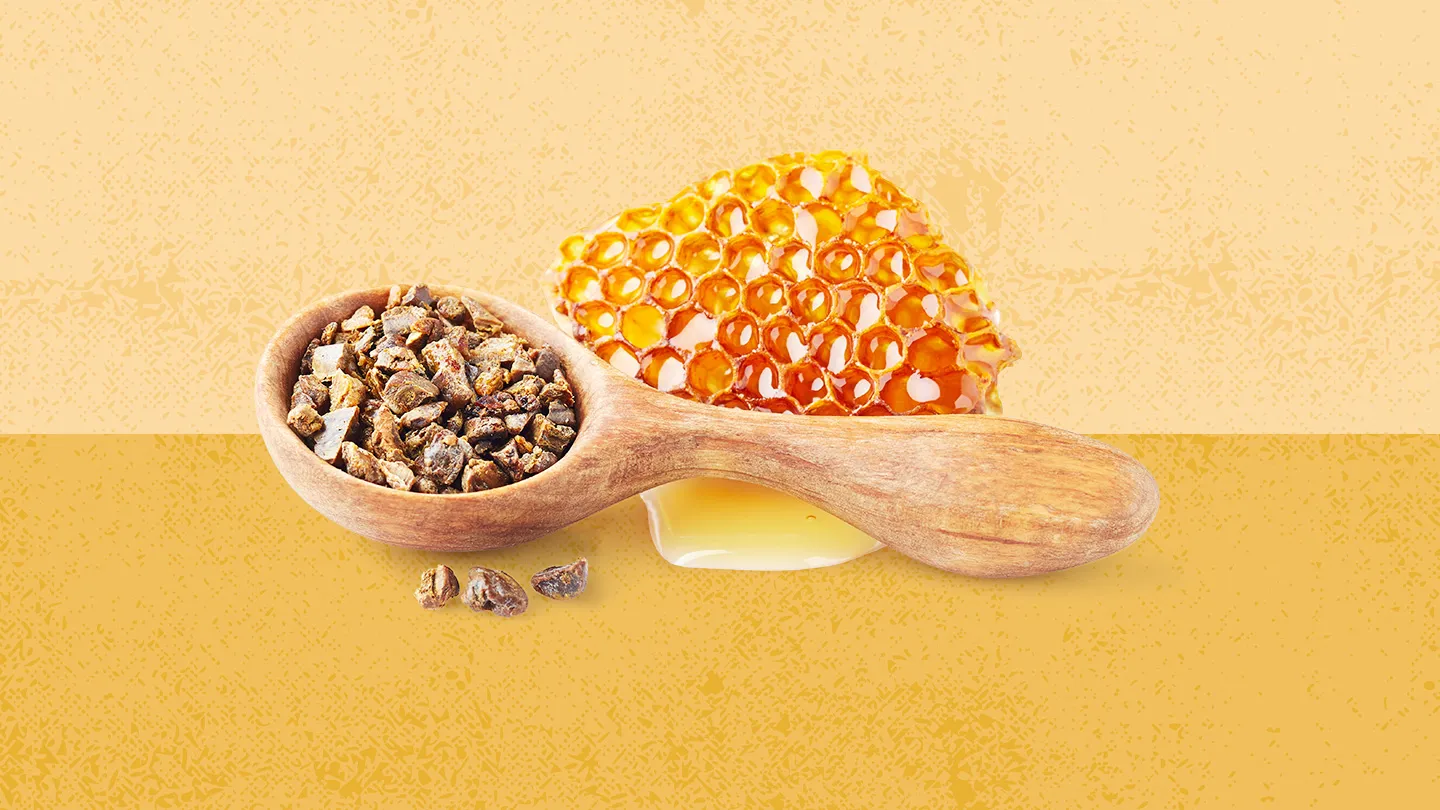
Enter bee propolisa sticky, resin-like substance bees use as the ultimate home-security system for their hives. Humans, of course, looked at this bee-built “caulk” and said: “Yes. That. Put it in a capsule.” The big question: does propolis actually help your gut microbiome, or is it just another supplement trying to sit at the cool kids’ table?
Let’s do a real gut checkwhat propolis is, why it might affect gut bacteria, what the science actually says, and how to use it without accidentally learning you’re allergic to bees in the most inconvenient way.
What Exactly Is Bee Propolis?
Propolis (often nicknamed “bee glue”) is made when honeybees mix plant resins with beeswax and enzymes. In the hive, it seals cracks, fortifies walls, and helps protect the colony from microbeslike a natural antimicrobial grout with a very busy HOA.
Here’s the twist: the chemical makeup of propolis varies a lot depending on geography, season, and which plants the bees raided. That means two propolis products can share the same label while acting like two completely different characters in the same TV show.
Quick Microbiome 101: Why Your Gut Bacteria Care
The gut microbiome isn’t just one “good bacteria” you can high-five and move on. It’s a complex ecosystemthousands of species, all competing, collaborating, and metabolizing what you eat. When that ecosystem is diverse and stable, it’s generally associated with better resilience. When it’s disrupted (often called dysbiosis), it may be linked with digestive issues, inflammation, and metabolic problems.
The microbiome also acts like a biochemical factory. It breaks down fibers into short-chain fatty acids (like butyrate), helps process polyphenols, and produces compounds that can either support or irritate your gut lining. So when a supplement claims it “supports gut health,” what it really needs to prove is: does it improve the ecosystem and/or reduce gut stress?
How Bee Propolis Might Affect Your Gut Microbiome
Propolis is packed with bioactive compoundsespecially polyphenols (like flavonoids and phenolic acids). These are the same general class of compounds found in berries, cocoa, tea, and olivesfoods often associated with gut-friendly effects.
1) Polyphenols: “Food” for microbes (and chemistry for you)
Many polyphenols aren’t fully absorbed in the upper digestive tract, which means a meaningful amount travels to the colonright where your gut microbes live. Once there, bacteria can transform these compounds into smaller metabolites that may have different biological effects than the original ingredient.
Think of polyphenols as: (a) a buffet for certain microbes, and (b) a set of molecular signals that can nudge the microbial community toward a healthier balance. The relationship is famously bidirectional: microbes change polyphenols, and polyphenols can change microbes.
2) Antimicrobial… but not necessarily “carpet bombing”
Propolis has antimicrobial propertiespart of why bees use it. In theory, that could help discourage problematic microbes. The tricky part is that your gut is not a beehive, and you don’t want to wipe out helpful bacteria. In the best-case scenario, propolis acts more like a bouncer than a wrecking ball: discouraging troublemakers while leaving the good regulars alone.
3) Anti-inflammatory and gut-barrier support (the “calm the drama” angle)
A lot of gut misery boils down to inflammation and barrier function. When the gut lining is irritated, it can become more permeable and reactivean issue often discussed in relation to inflammatory bowel conditions (and many less dramatic, but still annoying, gut symptoms).
Propolis has been studied for anti-inflammatory effects in different contexts. If it helps reduce inflammatory signaling in the gut, it could indirectly support a more stable microbiome (because inflamed environments tend to favor different microbial populations).
What the Science Says: Is Propolis Actually “Good” for the Microbiome?
Here’s the honest answer: the evidence is promising in animals and early researchbut limited and mixed in humans. Translation: you can be intrigued, but you shouldn’t bet your intestines’ happiness on it.
Animal and preclinical studies: the strongest “yes, maybe”
Several experimental studies (often using high-fat diets or inflammation models) suggest propolis can alter gut microbiota composition and may increase microbial diversity. Some studies report increases in bacteria often considered beneficial (like Lactobacillus and Bifidobacterium), plus improvements in inflammation-related outcomes in colitis models.
There are also studies in diet-induced metabolic dysfunction models where propolis seems to shift microbiota patterns and improve markers tied to inflammation or metabolism. The key takeaway: in controlled lab settings, propolis can modulate gut bacteriaand those changes sometimes line up with improved gut health signals.
Human research: thinner, and not always dramatic
Human evidence is where things get realbecause humans have messy lives, inconsistent diets, and a suspicious habit of forgetting to take supplements.
One clinical trial context that gets discussed in the literature looked at propolis supplementation (for example, 400 mg/day in a study setting) and measured gut microbiota-related outcomes. Results have not consistently shown major shifts in microbial diversity over relatively short time windows. That doesn’t mean propolis does nothing; it means the effect in humans may be smaller, more individualized, dependent on baseline gut health, or dependent on the propolis type and study design.
Also important: broad reviews of propolis research note that while there are some human trials, much of the overall evidence base still leans heavily on cell and animal studies. That matters if you’re trying to decide whether to spend money on it every month.
So… is it good for your gut microbiome?
If we’re being scientifically polite: propolis has plausible mechanisms and encouraging preclinical evidence, but definitive human proof is not there yet.
If we’re being regular-human honest: it may help some peopleespecially if their gut issues are tied to inflammation or if their diet already supports gut diversitybut it’s not a guaranteed “microbiome upgrade.”
Who Should Be Careful (and Who Should Probably Skip It)
Propolis is not a harmless gummy vitamin. It can interact with health conditions and medications, and it can trigger allergic reactions in sensitive people.
Potential allergy and asthma concerns
- Bee-product allergies: If you’re allergic to bee stings, honey, or related allergens, propolis may be risky.
- Skin reactions: Propolis is a known contact allergen for some people, especially in topical products.
- Asthma/allergic conditions: If you have asthma or significant allergies, talk to a clinician first.
Bleeding risk and medication interactions
Some medical sources warn that propolis may affect blood clotting and can potentially interact with anticoagulants (like warfarin) or other blood-thinning medications/supplements. If you’re on blood thinners, this is a “don’t freestyle it” situation.
Pregnancy and breastfeeding
There isn’t enough reliable safety data to recommend propolis during pregnancy, and many references advise avoiding it or using only under medical guidance.
How to Try Bee Propolis for Gut Health (Smarter, Safer, More Useful)
If you’re curious and medically cleared to try it, here’s how to do it like a cautious adult and not like someone who buys supplements because the label used the word “ancient.”
1) Choose the form that matches your goal
- Capsules/tablets: Easiest for consistent dosing.
- Tinctures: Flexible dosing, but taste can be… intensely botanical.
- Lozenges/sprays: Often aimed at oral/throat benefits more than gut microbiome support.
2) Start low, track your gut, and don’t stack variables
If you start propolis the same week you also switch to a high-fiber diet, begin a new probiotic, and decide to “cut out gluten just in case,” you won’t know what caused what. Try:
- Start with a low dose for 3–7 days.
- Keep diet steady (especially fiber and alcohol intake).
- Track: bloating, stool frequency/consistency, reflux, abdominal pain, and skin reactions.
3) Prioritize quality: your microbiome deserves better than mystery powder
Supplements aren’t regulated like prescription drugs in the U.S., and quality can vary. Look for reputable manufacturing practices and, ideally, third-party testing/certification (for example, programs that verify the product contains what the label claims and screens for impurities).
4) Build the “gut foundation” first
If your goal is microbiome health, propolis should be an add-onnot the foundation. These matter more:
- Fiber diversity: Beans, oats, lentils, vegetables, berries, nuts, seeds.
- Fermented foods: Yogurt/kefir (if tolerated), kimchi, sauerkraut, miso.
- Polyphenol-rich foods: Coffee/tea, cocoa, berries, herbs, olive oil.
- Sleep and stress: Yes, your microbes care that you doom-scrolled until 2 a.m.
FAQ: Fast Answers for Curious Guts
Is bee propolis a prebiotic?
Not in the classic “fiber that feeds bacteria” sense. But because it contains polyphenols that reach the colon and interact with gut microbes, it may have a prebiotic-like influence for some people.
Will it fix bloating or IBS?
There’s no guarantee. Some people might notice benefits if inflammation is part of their issue, but IBS is complex and highly individual. Consider propolis experimentalnot a proven fix.
How long would it take to notice anything?
If it helps, people often report noticing changes within a couple weeks. For microbiome shifts, studies often look at weeks to months. If nothing changes after 4–8 weeks, it may not be your thing.
Can I take propolis with probiotics?
Often yes, but don’t start both at once. Introduce one, observe, then add the other. And if you take medications, check interactions first.
Real-World Experiences (): What People Commonly Notice When Trying Propolis for Gut Health
First, a reality check: personal experiences are not clinical trials. But they can still be usefulespecially when you treat them like “field notes,” not gospel. Below are patterns people commonly report when they experiment with bee propolis for digestion and microbiome support. Think of this as the human side of the gut check.
Experience #1: “My bloating calmed down… a bit.”
Some people describe reduced bloating or a less “puffy” feeling after meals within 1–3 weeks. When that happens, it’s often alongside other gut-friendly habits (more fiber, fewer ultra-processed foods, better sleep). That makes it hard to credit propolis alone. Still, the anti-inflammatory angle is what many people suspect is helpingless gut irritation can mean less gas, less cramping, and fewer “why are my jeans mad at me?” moments.
Experience #2: “My stools got more regular,” or “things… changed.”
A surprisingly common report is a shift in stool frequency or consistencysometimes for the better, sometimes not. A few people notice more regular bowel movements; others notice softer stools, mild constipation, or temporary disruption. That’s not shocking: polyphenol-rich compounds can change microbial activity, and your gut may need time to adapt. This is where tracking helps. If symptoms worsen or persist, it’s a sign to stop or reassess.
Experience #3: “My throat feels great, but my gut didn’t care.”
Propolis is popular for oral and throat comfort, so some people notice benefits there (especially with lozenges or sprays) while gut symptoms stay the same. That doesn’t mean it “failed”it may simply be more effective for oral microbiome or local inflammation than for deep gut ecosystem changes in that individual.
Experience #4: “Oops, I’m sensitive to it.”
This is the un-fun category: itching, rash, mouth irritation, or allergy-style symptoms. A few people also report their asthma or seasonal allergies feeling more reactive. Propolis is a known sensitizer for some individuals, so any sign of allergic reaction should be treated seriously. “Natural” doesn’t mean “universally tolerated.” It means “nature made it,” whichif you’ve ever met a poison ivy plantshould humble us all.
Experience #5: “Nothing happened… which is also data.”
Plenty of people notice no meaningful change. And honestly, that’s valuable information. The microbiome is highly individualized, propolis composition varies by product, and effects in humans may be subtle. If you’ve tried a consistent dose, chosen a quality product, kept other variables stable, and tracked for 4–8 weeks with no benefit, you’ve earned the right to move on without guilt.
The best way to approach propolis is like a responsible experiment: start low, go slow, don’t stack too many new interventions, and prioritize the gut basics (fiber diversity, whole foods, stress and sleep). If propolis helps, greatit’s a supporting actor. If not, your microbiome won’t hold a grudge. It’s too busy running the city.
Conclusion
Bee propolis has a compelling story: it’s rich in polyphenols, it shows microbiome-modulating effects in animal studies, and it may support gut inflammation and barrier function in ways that could indirectly benefit your microbial ecosystem. But human data is still limited and mixedso it’s best viewed as a promising tool, not a proven cure.
If you want to try propolis for gut health, do it safely: watch for allergies, consider medication interactions, choose high-quality products, and build your gut foundation with fiber-rich foods first. Your microbiome prefers consistency over hypelike a wise old librarian who hates trend-chasing.