

Happy hour is supposed to be easy. The snacks are out, the playlist is behaving, and everyone has finally agreed that “just one more group photo” is a threat, not a plan. Then someone asks for a drink, another person wants a different drink, a third person wants “something refreshing but not too sweet,” and suddenly the host has become a full-time beverage traffic controller.
That is the playful problem HardWino set out to solve. HardWino is an open-source, Arduino-based beverage automation project that turns the ritual of pouring and serving into a small engineering showpiece. Instead of hiding technology behind a polished appliance shell, it celebrates the maker spirit: a rotating beverage holder, a screen-based interface, motors, printed parts, and a sense of humor strong enough to survive a kitchen counter full of cups.
At its heart, HardWino is not just about “happy hour.” It is about convenience, consistency, and the joy of turning a repetitive hosting task into a conversation starter. For legal-age adults, it can support responsible beverage service. For family-friendly gatherings, it can be adapted conceptually as a mocktail, soda, juice, tea, or sparkling-water station. Either way, the charm is the same: guests choose, the machine performs, and the host gets to stop asking, “Wait, who wanted the citrus one?”
What Is HardWino?
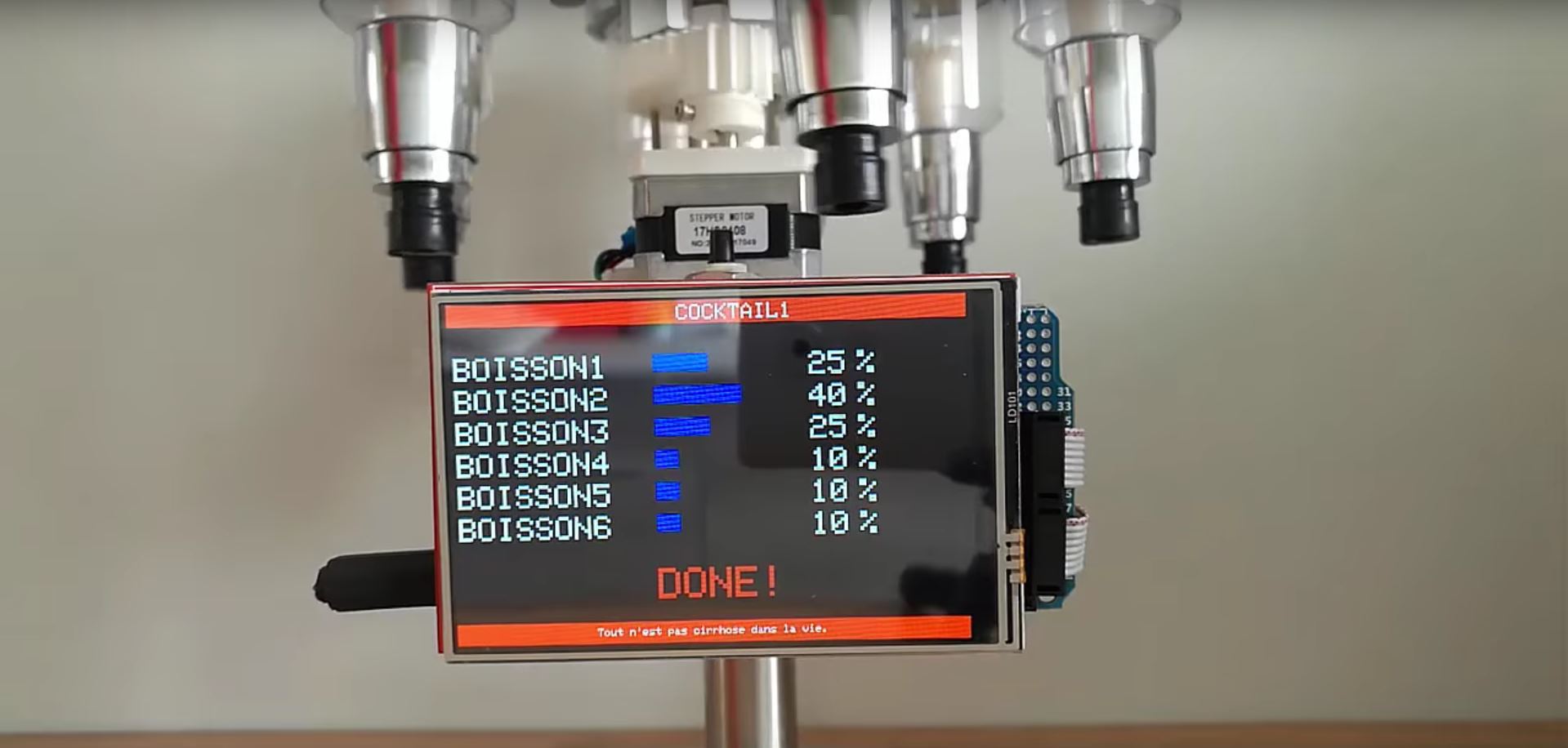
HardWino is best understood as a DIY automated beverage station. The original maker concept featured a six-slot rotating beverage holder controlled by an Arduino Mega, with a TFT screen used for selecting orders. Stepper motors and motor driver boards move the mechanism, while 3D-printed parts support the structure. In maker language, it sits somewhere between a robotic bartender, a tabletop dispenser, and a very opinionated lazy Susan with a microcontroller degree.
The appeal is not that it replaces human hosting. Nobody is inviting a circuit board to give a toast. The appeal is that it handles the boring, repeatable part: choosing from preset options, aligning the right bottle or ingredient position, and creating a more consistent serving routine. In other words, it turns “Could you make me one too?” from a mild social ambush into a button press.
Why Projects Like HardWino Are So Popular
DIY beverage automation projects have become a favorite corner of the maker world because they combine several satisfying ideas at once. There is motion control, user-interface design, mechanical design, power management, 3D printing, and a very visible end result. Unlike a blinking LED tucked inside a breadboard, a beverage station does something guests can understand immediately.
People love projects that feel practical and theatrical. A rotating platform that responds to a screen tap has stage presence. It is not just electronics; it is electronics with a tiny curtain call. The machine moves, the guest reacts, and the host gets to say, “Yes, I know, it looks like a science fair project joined a supper club.”
HardWino also reflects a larger trend: home automation has moved beyond lights, thermostats, and doorbells. Makers now automate routines that are personal, social, and oddly specific. A beverage station is not necessary in the same way a refrigerator is necessary, but it is memorable. That matters. Great maker projects often begin where usefulness and amusement shake hands.
The Technology Behind the Fun
Arduino as the Brain
The Arduino Mega is a natural fit for a project with several moving parts because it offers many input and output pins compared with smaller boards. That gives a designer room to connect a display, buttons or touch controls, motors, and supporting electronics without immediately running out of hardware options. For a multi-part automation project, extra pins are like extra counter space during Thanksgiving: not glamorous, but suddenly essential.
Stepper Motors for Predictable Movement
Stepper motors are useful when a machine needs controlled, repeatable movement. In a rotating beverage holder, predictable positioning matters. The machine needs to know where each slot is, move to the selected position, and stop reliably. If the motor overshoots, the “automation” becomes a guessing game, and guessing games are better left to party trivia.
A Screen-Based Interface
A TFT screen gives the project a more polished feel. Instead of switches labeled with masking tape, guests can interact with a simple visual menu. Good interface design is especially important for party gadgets because nobody wants a user manual between the chips and the salsa. A beverage station should feel obvious: choose an option, wait, collect the result.
3D-Printed Structure
3D printing gives makers a way to create brackets, holders, mounts, and custom mechanical parts without needing a machine shop. For a project like HardWino, printed components make the design more flexible. Need a support that fits the exact motor angle? Print it. Need a holder shaped around the layout? Print that too. Need five versions because the first four were “educational failures”? Welcome to 3D printing, where the trash bin is also a mentor.
What HardWino Gets Right
The smartest part of HardWino is that it focuses on the host experience. Many automated drink projects chase complexity. They add pumps, tubes, wireless apps, recipe databases, lighting effects, and enough moving parts to make a dishwasher nervous. HardWino’s rotating-holder concept is appealing because it makes the automation visible and understandable. You can look at it and grasp the basic idea.
That matters for reliability. In home projects, simpler mechanical concepts are often easier to debug, clean, explain, and improve. A rotating platform also has entertainment value because guests can watch the selection happen. The movement becomes part of the experience rather than hidden machinery.
HardWino also demonstrates a key lesson in product thinking: a fun device does not have to solve a massive problem. It can solve a small annoyance with style. Nobody is lying awake at night wondering how humanity will survive manual beverage selection. But at a gathering, small conveniences feel big. A smoother hosting flow can change the mood of a room.
Responsible Design Matters
Any beverage automation concept should be designed with responsibility in mind. In the United States, alcohol service is limited to adults of legal drinking age, and responsible serving means paying attention to quantity, timing, and guest safety. Automated systems should never be treated as a way to remove judgment from hosting. A machine can rotate, display, and pour; it cannot read the room like a responsible human can.
That is why HardWino-style projects are often most interesting when viewed as general beverage automation. The same principles can support non-alcoholic happy hour options: sparkling lemonade, iced tea, cold brew, fruit spritzers, mocktails, flavored seltzers, or kombucha flights. A “happy hour” does not need alcohol to be happy. Sometimes all it needs is cold citrus, decent music, and nobody arguing over the thermostat.
Food Safety and Cleaning Should Not Be an Afterthought
Beverage gadgets may look playful, but anything that touches drinks needs serious cleaning discipline. Food-contact surfaces should be easy to clean, rinse, sanitize, and dry. Tubes, spouts, holders, trays, and splash zones can collect residue quickly, especially with sugary ingredients. If a machine is fun for guests but miserable to clean, it will eventually become a decorative dust sculpture.
The best beverage automation designs make maintenance obvious. Removable parts are better than mystery crevices. Smooth surfaces are better than complicated corners. Clear labeling is better than “I think that tube had cranberry in it last month.” A thoughtful design should make the responsible action the easy action.
HardWino as a Conversation Starter
One of the underrated benefits of HardWino is social. A homemade automated beverage station gives people something to talk about that is not work, traffic, or the mysterious disappearance of all the good crackers. Guests ask how it works. Someone guesses incorrectly. Another person claims they could build one over a weekend, which is technically possible in the same way climbing a mountain is technically walking uphill.
Maker projects create stories. The final machine is only part of the fun. The real entertainment includes the design decisions, the tests that failed, the motor that turned the wrong way, the printed bracket that almost fit, and the moment everything finally moved as intended. HardWino is a reminder that useful objects can have personality.
SEO-Friendly Takeaway: Why HardWino Still Feels Relevant
HardWino remains interesting because it sits at the intersection of Arduino projects, home automation, DIY beverage dispensers, 3D-printed gadgets, and smart entertaining. Those topics have only grown more popular as hobbyists gain access to cheaper microcontrollers, better desktop 3D printers, and online communities full of shared ideas.
For readers searching for an Arduino beverage dispenser, automated mocktail maker, robotic bartender concept, or DIY happy hour machine, HardWino offers a clean case study. It shows how accessible hardware can transform a simple social routine into a charming interactive device. More importantly, it shows that technology does not always need to be invisible. Sometimes the fun is watching the machine do its little dance.
Practical Examples for Modern Entertaining
Mocktail Night
A HardWino-inspired setup can be imagined as a mocktail selector for guests who want flavorful drinks without alcohol. Think cucumber-lime spritzers, ginger lemonade, hibiscus iced tea, mango seltzer, or berry soda. The automation becomes a fun serving ritual rather than a shortcut to overindulgence.
Office Socials
For workplace events, a non-alcoholic automated beverage station can make break rooms feel less beige. Preset drink choices reduce mess, keep lines moving, and give employees something more exciting than another lukewarm coffee urn that has clearly seen things.
Backyard Parties
Outdoor gatherings are perfect for a beverage station concept because hosts are usually juggling food, seating, music, weather, and one guest who insists they can “totally handle the grill.” A simple automated station can keep drinks organized and make refills easier.
Maker Showcases
At a school-safe STEM demo, maker fair, or community workshop, a non-alcoholic HardWino-style dispenser could teach core concepts like motors, interfaces, mechanical alignment, and user-centered design. The drink is just the reward; the real lesson is systems thinking.
The Real Magic Is Less Effort, More Presence
The phrase “takes the effort out of happy hour” is not really about laziness. It is about presence. Good hosting is not measured by how long someone stands at the counter. It is measured by whether people feel welcomed, relaxed, and included. If automation can handle a repetitive task while the host talks with guests, that is a meaningful improvement.
HardWino captures that idea with a wink. It is practical enough to make sense, silly enough to be fun, and technical enough to impress anyone who has ever spent an afternoon arguing with a motor driver. It is not the future of hospitality, but it is a delightful glimpse of what happens when hospitality borrows a soldering iron.
Experience Section: What It Feels Like When HardWino Joins the Party
The first thing people notice about a HardWino-style beverage station is not the microcontroller. It is the movement. A guest taps a choice, the platform turns, and suddenly everyone nearby becomes a mechanical engineer for six seconds. Heads tilt. Eyebrows rise. Someone says, “Wait, do that again.” That reaction is the entire point. A good party gadget does not need to be perfect; it needs to create a moment.
Imagine setting up a non-alcoholic happy hour with six drink options: sparkling lime, ginger peach tea, cold brew, pomegranate seltzer, mint lemonade, and plain water for the responsible legend in the room. Instead of asking every guest what they want, you point to the station. The menu is clear, the choices are limited enough to prevent decision fatigue, and the machine gives people permission to help themselves without feeling awkward.
The best part is how it changes the host’s rhythm. Normally, the host is trapped in a loop: greet, pour, refill, wipe spill, find ice, repeat. With a beverage station, the host can actually join the conversation. That is the hidden luxury. Automation is not replacing hospitality; it is protecting it from busywork.
There is also a little comedy in the imperfections. Maybe the machine rotates with dramatic seriousness, as if selecting a sparkling lemonade is a matter of national importance. Maybe a guest applauds when it stops in the right place. Maybe someone gives it a nickname by the end of the night. These are the small details that make a gathering memorable.
From a design perspective, the experience also teaches humility. Every smooth interaction depends on dozens of quiet choices: where the screen sits, how clearly the options are labeled, whether cups fit comfortably, whether spills are easy to wipe, and whether the machine looks inviting rather than intimidating. The best version of a HardWino-inspired station is not the one with the most features. It is the one guests understand instantly.
For a family-friendly event, the concept becomes even better. Kids and adults can choose colorful mocktails, flavored waters, or juice blends, while the host keeps everything organized. For a tech meetup, it becomes a demo. For a backyard dinner, it becomes a centerpiece. For a quiet Friday night, it becomes proof that even pouring a drink can be upgraded with a little creativity and an unreasonable number of wires.
That is why HardWino still feels charming. It takes an everyday task and adds delight. It reminds us that home automation does not always need to be serious, invisible, or controlled by a voice assistant that mishears “lights” as “llamas.” Sometimes the best smart device is the one that makes people laugh, serves something refreshing, and lets the host finally sit down.
Conclusion
HardWino Takes The Effort Out Of Happy Hour because it turns beverage service into a smarter, smoother, more entertaining experience. As an Arduino-based maker project, it blends motors, interface design, 3D-printed parts, and practical hosting logic into one memorable machine. Its greatest lesson is not that every home needs a robotic beverage station. Its lesson is that small automation can make social moments feel easier and more fun when designed responsibly.
For modern readers, the best way to think about HardWino is as inspiration. It shows how DIY electronics can solve real hosting friction, support non-alcoholic drink stations, improve consistency, and create a conversation piece that guests remember. Happy hour should be about people, not pressure. If a clever little machine can help the host spend less time pouring and more time laughing, that is a win worth raising a glass of sparkling lemonade to.