

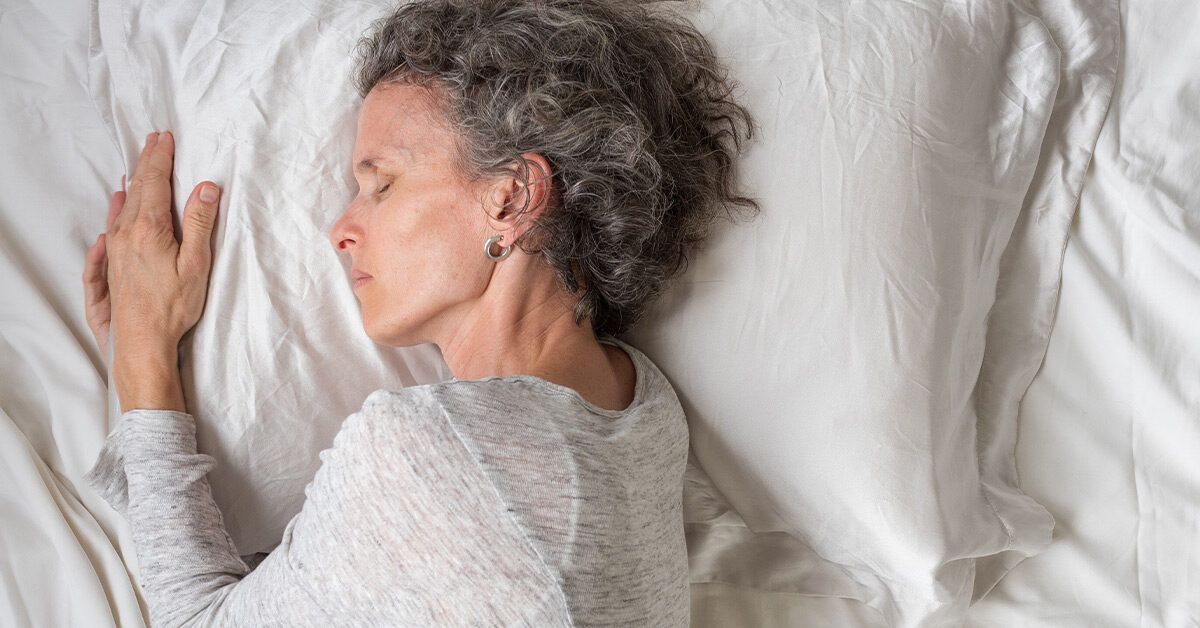
Sleep is supposed to be the easiest part of self-care. You lie down, close your eyes, and let your body do its nightly housekeeping. In reality, though, sleep can turn into a low-budget wrestling match with pillows, blankets, acid reflux, snoring, and that one shoulder that suddenly acts like it has a grudge.
That is why sleep position matters more than people think. The way you sleep can affect breathing, spinal alignment, acid reflux, circulation, snoring, and even how hard your heart has to work overnight. No, your sleep position is not a magical cure for every health problem. But it can absolutely make certain issues better, worse, or dramatically more annoying.
So what is the healthiest sleep position for your heart and overall health? For most adults, the answer is side sleeping, especially if the goal is better breathing, less snoring, fewer reflux symptoms, and more comfortable body alignment. But the real answer has a twist: the “best” position depends on what your body is dealing with. If you have sleep apnea, pregnancy discomfort, nighttime heartburn, back pain, or heart failure symptoms, the details matter.
Let’s sort through the options without turning your bedroom into a science lab.
Why Sleep Position Matters for Heart Health
When people hear “sleep position for heart health,” they often imagine the heart sitting in the chest like a moody houseplant that only thrives if tilted at exactly 17 degrees. The truth is less dramatic and more useful. Sleep position affects the heart mostly indirectly by influencing breathing, circulation, and sleep quality.
One of the biggest reasons is obstructive sleep apnea. When the airway repeatedly narrows or collapses during sleep, oxygen levels can drop, sleep becomes fragmented, and the body gets hit with repeated stress responses. That matters because poor breathing during sleep has been linked to high blood pressure, irregular heart rhythms, coronary artery disease, stroke, and heart failure risk. In other words, if your sleep position helps you breathe better, it may also be helping your heart sleep a little easier.
Position can also affect acid reflux, which may not sound heart-related until you remember how often reflux symptoms can mimic chest discomfort. It influences blood flow during pregnancy, shortness of breath in some people with heart failure, and muscle tension in the back and neck that can wreck sleep quality. And poor sleep, in general, is bad news for cardiovascular health.
So while there is no universal one-size-fits-all “heart position,” there is a very practical rule of thumb: the best sleep position is the one that supports easy breathing, good circulation, healthy spinal alignment, and uninterrupted rest.
The Best Overall Sleep Position: Side Sleeping
If sleep positions were running for office, side sleeping would probably win by a comfortable margin. It is the most broadly helpful option for the largest number of adults.
Why side sleeping usually comes out on top
Side sleeping helps keep the airway more open than back sleeping, which is a huge advantage for people who snore, have mild sleep apnea, or wake up feeling like they spent the night gargling gravel. When you sleep on your back, the tongue and soft tissues are more likely to fall backward and crowd the airway. On your side, that problem is often reduced.
Side sleeping can also be friendlier to the spine when done correctly. A neutral side position, especially with a pillow between the knees, may reduce pulling on the hips and lower back. It can also be easier on the neck if the pillow fills the space between the head and mattress rather than letting the head tilt awkwardly like a crooked coat hanger.
For people with nighttime reflux, side sleeping is often a winner too. And during later pregnancy, side sleeping is widely recommended because it can improve comfort and reduce pressure on major blood vessels.
That is why side sleeping is often described as the healthiest sleep position for overall health. It checks the most boxes for the most people.
How side sleeping may help the heart
Here is the important distinction: side sleeping does not strengthen the heart the way exercise does, and it does not replace medical treatment. Its biggest heart benefit is that it often reduces conditions that strain the cardiovascular system overnight, especially sleep-disordered breathing.
So if your goal is “best sleep position for heart health,” side sleeping often earns the crown because it supports a calmer, better-oxygenated night. Not flashy, but very effective.
Left Side vs. Right Side: Does One Side Win?
This is where things get interesting. People love a clear winner, but the body loves nuance.
Sleeping on your left side
Left-side sleeping is often recommended for people with acid reflux or GERD. Research suggests acid tends to clear faster from the esophagus in this position than when sleeping on the back or right side. If you have ever gone to bed feeling fine and then woken up with your chest and throat staging a fiery protest, this is useful information.
Left-side sleeping is also commonly recommended during pregnancy because it may support blood flow and reduce pressure on internal organs and large blood vessels. For many pregnant sleepers, it is the classic comfort move, often paired with enough pillows to build a small fort.
Sleeping on your right side
Right-side sleeping may be more comfortable for some people with heart failure or nighttime shortness of breath. Some heart patients report that lying on the left side feels uncomfortable or worsens breathlessness, which is why they naturally shift to the right. This does not mean the right side is automatically “better for the heart” for everyone. It means that for certain people with heart conditions, the right side may simply feel easier.
That is the key point: left side is often better for reflux; right side may feel better for some people with heart failure symptoms. If you have diagnosed heart disease and notice one side clearly makes breathing or chest discomfort worse, that is worth discussing with your doctor rather than just arguing with your mattress.
Back Sleeping: Good for Alignment, Bad for Some Breathing Problems
Back sleeping gets mixed reviews, and honestly, it deserves them.
On the positive side, sleeping on your back can help keep the spine more evenly aligned. Weight is distributed more symmetrically, and some people with low back discomfort do well in this position, especially if they place a pillow under the knees. That little trick can reduce pressure on the lower back and make the position feel much less rigid.
Back sleeping can also be helpful for people who want to avoid twisting the neck or pressing one shoulder into the mattress all night. From a posture standpoint, it can be a very sensible choice.
But here comes the catch: back sleeping is often the worst position for snoring and obstructive sleep apnea. It can also worsen reflux for some people, especially when lying flat. If you wake up choking, gasping, snoring loudly, or feeling exhausted despite spending enough hours in bed, back sleeping may not be doing you any favors.
For people with congestion, chronic breathing issues, or some forms of heart or lung disease, lying completely flat can also make shortness of breath worse. In those cases, sleeping with the head elevated may be more comfortable than true flat-back sleeping.
So yes, back sleeping can be healthy. It is just not universally healthy.
Stomach Sleeping: Usually the Worst Trade-Off
Stomach sleeping is the rebel of sleep positions. Some people swear by it. Most experts do not.
The main issue is mechanical. Sleeping on your stomach usually forces the neck into rotation for hours and can flatten the natural curve of the spine. That can lead to neck stiffness, shoulder pain, and low back discomfort. If you wake up feeling like you lost a wrestling match with your pillow, this may be why.
There is one reason some people like stomach sleeping: it can sometimes reduce snoring by helping keep the airway more open than back sleeping. But for most adults, the strain it places on the neck and back makes it a poor long-term choice. It is usually the position with the highest “maybe this is why everything hurts” potential.
If stomach sleeping is the only way you can rest, the goal should be damage control: use a very thin pillow or no pillow under the head if comfortable, and consider placing a small pillow under the pelvis to reduce strain. But if you can transition to side sleeping, your neck will likely send a thank-you note.
The Best Sleep Position by Health Goal
For heart health
Best overall: Side sleeping, because it may reduce sleep apnea severity and support better breathing.
For acid reflux or heartburn
Best: Left-side sleeping, ideally with the upper body slightly elevated.
For snoring or mild obstructive sleep apnea
Best: Side sleeping. Back sleeping is usually the least helpful.
For low back pain
Best: Side sleeping with a pillow between the knees, or back sleeping with a pillow under the knees.
For neck pain
Best: Side or back sleeping with a pillow that keeps the neck in a neutral position.
For pregnancy
Best: Side sleeping, especially later in pregnancy, often with bent knees and pillow support.
For heart failure with nighttime breathlessness
Best: Often the right side or a more elevated sleeping position may feel better, but this is highly individual and should be discussed with a clinician.
Simple Ways to Make Your Sleep Position Healthier
The sleep position itself matters, but the setup matters almost as much. A good position with a terrible pillow is like buying running shoes and then filling them with pebbles.
- Use the right pillow height: Your neck should stay neutral, not bent sharply up or down.
- Add a pillow between the knees for side sleeping: This can reduce hip and lower-back strain.
- Put a pillow under the knees when back sleeping: It may ease pressure on the lower back.
- Try a wedge or head elevation for reflux or breathlessness: Lifting the upper body can help gravity do some useful work.
- Avoid heavy meals and alcohol close to bedtime: Especially if reflux or snoring is part of the problem.
- Train your body gradually: If you want to stop back sleeping, a body pillow or strategically placed pillow behind your back can help keep you on your side.
When Sleep Position Is Not Enough
Sleep position can help, but it is not a substitute for medical care. If you have loud snoring, pauses in breathing, waking up gasping, chest discomfort when lying down, unexplained fatigue, or shortness of breath at night, do not just keep buying pillows like you are trying to solve a mystery with home decor.
Those symptoms can point to sleep apnea, significant reflux, heart failure, or another medical issue that needs real evaluation. Position can improve the situation, but sometimes the real hero is a sleep study, proper treatment, or a conversation with your doctor.
Final Thoughts
If you want the simplest answer, here it is: side sleeping is usually the healthiest sleep position for your heart and overall health. It tends to support breathing, reduce snoring, help many people with reflux, and work well for body alignment. Left-side sleeping often gets bonus points for reflux and pregnancy. Back sleeping can be excellent for spinal support, but not for everyone, especially people with sleep apnea or frequent snoring. Stomach sleeping is generally the least recommended because the neck and back usually pay the price.
The smartest approach is not chasing a trendy “perfect” position. It is matching your position to your body’s needs. If you breathe well, sleep deeply, wake up without pain, and do not feel like a haunted accordion during the night, you are probably on the right track.
Your heart, spine, lungs, and digestive system may never agree on everything. But with the right position, they can at least stop arguing at 2:00 a.m.
Experiences and Everyday Lessons From Sleep Position Changes
One reason this topic matters so much is that people often notice the effects of a sleep position change almost immediately. Someone who has slept on their back for years may switch to side sleeping because of snoring complaints from a partner and realize within a week that mornings feel less foggy. The partner is thrilled because the room no longer sounds like a chainsaw convention, and the sleeper is thrilled because they are no longer waking up with a dry mouth and a headache. That does not diagnose sleep apnea by itself, but it does show how much position can influence breathing quality.
People with reflux often describe a different kind of victory. They may spend months assuming dinner was the only enemy, only to discover that the position they sleep in is half the story. Many report that sleeping on the left side, especially with the upper body slightly elevated, cuts down on that burning middle-of-the-night feeling. It is not glamorous. It is not a miracle. But it can be the difference between sleeping through the night and sitting upright at 1:30 a.m. wondering why tomato sauce has declared war.
Then there are people with neck and back pain, who often learn that the problem is not only the mattress but the geometry. Side sleepers who let the top leg drop forward without support may wake up with a twisted lower back. Back sleepers who do not support the knees may feel stiff and compressed in the morning. Once they add a knee pillow, a better neck pillow, or a small amount of lumbar support, the improvement can feel surprisingly dramatic. Sometimes the body is not asking for a complete lifestyle overhaul. Sometimes it just wants better engineering.
Pregnant sleepers have some of the most relatable experiences of all. As pregnancy progresses, comfort can become a nightly puzzle with no obvious solution. Many describe side sleeping with pillows between the knees, under the belly, and behind the back as the only reliable way to stay comfortable. It may look excessive to an outsider, but when a pillow arrangement lets someone sleep for more than two consecutive hours, it becomes less “extra” and more “essential infrastructure.”
People with heart failure or chronic shortness of breath sometimes notice something even more specific: one side simply feels easier than the other, or sleeping flat becomes miserable while a slightly elevated setup feels manageable. That is a reminder that comfort is not trivial. The body often tells you useful things. A position that consistently worsens breathlessness deserves attention, not stubbornness.
The common thread in all of these experiences is simple. Sleep position is not a tiny detail. It is part of how the body breathes, circulates, digests, and recovers. The best results usually come from paying attention, making one change at a time, and noticing what your body keeps trying to tell you before sunrise.