

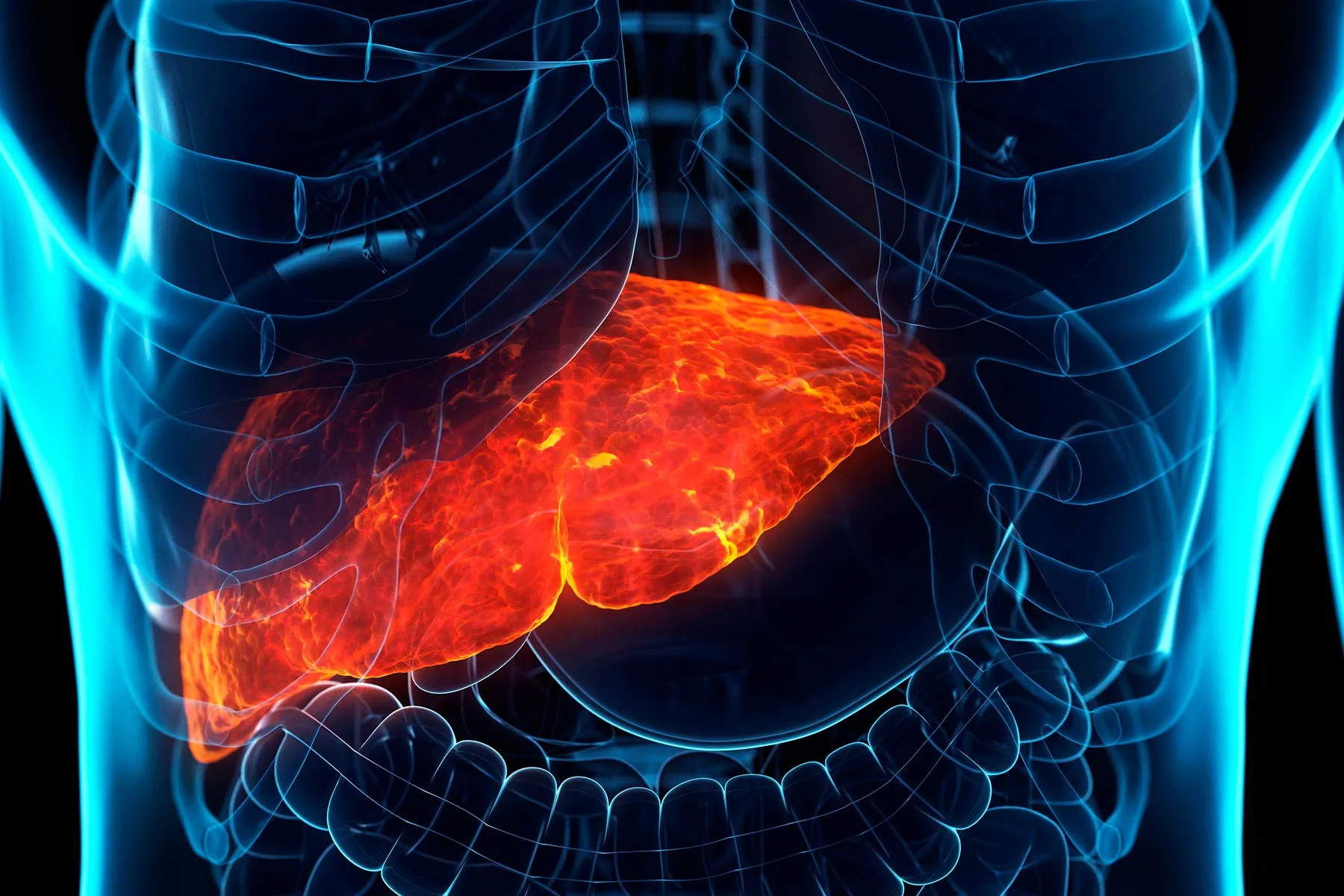
Hemochromatosis is a condition in which the body stores too much iron. Iron is essential; it helps red blood cells carry oxygen, supports energy production, and keeps many body systems running. But like that one houseguest who “just needs the couch for two nights” and is still there six months later, too much iron can become a problem.
When iron builds up beyond what the body can safely manage, it may collect in the liver, heart, pancreas, joints, skin, and endocrine glands. Over time, untreated iron overload can contribute to liver disease, diabetes, arthritis, heart problems, hormonal changes, and other serious complications. The good news is that hemochromatosis is often treatable, especially when it is found early.
This guide explains the major types of hemochromatosis, common symptoms, causes, diagnosis, treatment options, lifestyle considerations, and real-world experiences people may face while managing the condition.
Medical note: This article is for educational purposes only and should not replace professional medical advice. Anyone with possible symptoms, abnormal iron tests, or a family history of hemochromatosis should speak with a qualified healthcare provider.
What Is Hemochromatosis?
Hemochromatosis, sometimes called iron overload disorder, happens when the body absorbs or receives more iron than it can use. The human body has no easy “delete button” for extra iron. It can lose small amounts through skin shedding, menstruation, or blood loss, but it cannot simply flush out large iron stores on demand.
In many people, the condition develops slowly. A person may feel fine for years while iron gradually accumulates. That is one reason hemochromatosis can be sneaky. Early symptoms often look like ordinary life complaints: fatigue, aching joints, low energy, stomach discomfort, or feeling “off.” It is easy to blame work, age, stress, bad sleep, or the mysterious power of Monday mornings.
However, when iron continues to rise, organs may become damaged. The liver is especially vulnerable because it stores much of the body’s excess iron. The pancreas, heart, joints, and hormone-producing glands may also be affected.
Types of Hemochromatosis
Hemochromatosis is not just one single condition. Doctors usually divide it into hereditary forms and secondary forms.
1. Hereditary Hemochromatosis
Hereditary hemochromatosis is the most common form. It is caused by inherited gene changes that make the body absorb too much iron from food. The most common type is linked to mutations in the HFE gene, especially the C282Y mutation. Some people inherit two copies of a disease-associated gene variant, while others may carry one copy and never develop significant iron overload.
Hereditary hemochromatosis often appears in adulthood. Symptoms may develop earlier in men, while women may notice symptoms later, partly because menstruation and pregnancy can reduce iron stores for many years.
2. Type 1 Hemochromatosis
Type 1 is the classic HFE-related hereditary hemochromatosis. It is most often associated with variants such as C282Y and, less commonly, combinations involving H63D. This form usually progresses slowly and may not cause symptoms until middle age.
3. Juvenile Hemochromatosis
Juvenile hemochromatosis is rare but more aggressive. It can cause severe iron overload at a younger age, sometimes during adolescence or early adulthood. Because it may affect the heart and hormone systems earlier, timely diagnosis is especially important.
4. Non-HFE Hereditary Hemochromatosis
Some inherited forms are caused by changes in genes other than HFE. These may involve genes that help regulate hepcidin, transferrin receptor activity, or iron transport. They are less common but can still cause significant iron buildup.
5. Secondary Hemochromatosis
Secondary hemochromatosis, also called acquired iron overload, is caused by another condition or medical situation. It may occur in people who receive repeated blood transfusions, have certain blood disorders such as thalassemia or sickle cell disease, use excessive iron supplements, or have chronic liver disease. In these cases, the issue is not always that the intestines absorb too much iron; sometimes iron enters the body through repeated transfusions or other medical factors.
Common Symptoms of Hemochromatosis
Hemochromatosis symptoms can be vague, slow-moving, and annoyingly easy to misread. Many people have no symptoms at first. Others only discover iron overload after routine blood work shows high ferritin, abnormal liver enzymes, or elevated transferrin saturation.
Early Symptoms
Early signs may include:
- Fatigue or unusual tiredness
- Weakness
- Joint pain, especially in the hands, knees, hips, or ankles
- Abdominal pain or discomfort
- Low sex drive
- Erectile dysfunction
- Brain fog or difficulty concentrating
- Unexplained weight loss
Joint pain is one of the classic complaints. Some people notice stiffness or aching in the knuckles, especially the second and third knuckles of the hand. Unfortunately, joint symptoms may not always reverse completely after iron levels improve, which makes early detection valuable.
Later Symptoms and Complications
If iron overload continues untreated, symptoms may become more serious. Possible complications include:
- Liver enlargement, fibrosis, cirrhosis, or liver cancer risk
- Diabetes due to pancreatic damage
- Irregular heartbeat or heart failure
- Bronze, gray, or darker skin tone
- Arthritis
- Hormonal problems, including low testosterone or early menopause
- Enlarged liver or abnormal liver blood tests
These complications do not happen to everyone. Many people diagnosed early and treated appropriately can avoid serious organ damage and live normal, active lives.
What Causes Hemochromatosis?
The cause depends on the type. In hereditary hemochromatosis, the body’s iron-control system is genetically altered. Normally, a hormone called hepcidin helps regulate how much iron is absorbed from food. When this system does not work properly, the intestines keep absorbing iron even when the body already has enough.
In secondary hemochromatosis, iron overload may result from repeated transfusions, certain anemias, chronic liver disease, or too much iron intake through supplements. Blood transfusions are lifesaving when needed, but each unit of blood contains iron. Over time, repeated transfusions can add up to a large iron burden.
Risk Factors
Several factors may increase the chance of developing hemochromatosis or iron overload:
- A family history of hereditary hemochromatosis
- Having two copies of certain HFE gene variants
- Northern European ancestry, especially Celtic or Nordic ancestry
- Being male
- Repeated blood transfusions
- Some inherited blood disorders
- Chronic liver disease
- Taking iron supplements without medical supervision
Having a risk factor does not mean a person will definitely develop disease. Genetics can load the iron cart, but lifestyle, sex, blood loss, alcohol use, infections, and other health conditions may influence how much damage occurs.
How Hemochromatosis Is Diagnosed
Diagnosis usually begins with blood tests. Because symptoms can look like many other conditions, doctors often need lab results to separate hemochromatosis from fatigue, arthritis, thyroid problems, liver disease, diabetes, or “I stayed up scrolling until 2 a.m.” syndrome.
Transferrin Saturation
Transferrin saturation measures how much iron is attached to transferrin, the protein that carries iron in the blood. A high transferrin saturation can be an early clue that the body is absorbing too much iron.
Serum Ferritin
Ferritin reflects stored iron. High ferritin may suggest iron overload, but ferritin can also rise from inflammation, infection, alcohol use, metabolic syndrome, liver disease, or other causes. That is why doctors interpret ferritin alongside transferrin saturation, medical history, physical findings, and sometimes genetic testing.
Genetic Testing
If blood tests suggest hereditary hemochromatosis, genetic testing may check for common HFE variants. This can help confirm the diagnosis and guide family screening. Close relatives of someone with hereditary hemochromatosis may be advised to discuss testing with a healthcare provider.
Liver Tests and Imaging
Doctors may order liver enzyme tests, ultrasound, MRI, or other imaging to evaluate liver health and estimate iron levels in organs. In some cases, especially when liver disease is suspected, additional testing may be needed.
Liver Biopsy
Liver biopsy is no longer required for every person with hemochromatosis, but it may be used in selected cases to assess liver damage, scarring, or unclear diagnoses.
Treatment for Hemochromatosis
Treatment depends on the cause, severity, symptoms, and whether organ damage has occurred. The main goal is simple: reduce excess iron before it causes more trouble.
Therapeutic Phlebotomy
Therapeutic phlebotomy is the standard treatment for many people with hereditary hemochromatosis. It is similar to donating blood, except it is prescribed as medical therapy. Removing blood removes iron because red blood cells contain iron-rich hemoglobin.
During the initial phase, a healthcare provider may remove about a pint of blood once or twice a week, depending on iron levels, hemoglobin, tolerance, and overall health. This phase may last for months. Once iron stores reach the target range, maintenance phlebotomy may be scheduled less often, sometimes every few months.
Many people tolerate phlebotomy well, though some may feel tired or lightheaded afterward. Drinking fluids, eating appropriately, and following the clinic’s instructions can help.
Iron Chelation Therapy
Iron chelation uses medication that binds excess iron so the body can remove it through urine or stool. Chelation may be used when phlebotomy is not safe or practical, such as in people with certain types of anemia, transfusion-related iron overload, or serious heart complications.
Chelation therapy must be monitored carefully because the medicines can have side effects and require regular follow-up.
Treating Complications
If hemochromatosis has affected the liver, heart, pancreas, joints, or hormone system, treatment may also include managing those complications. For example, diabetes may require blood sugar management, heart rhythm issues may need cardiology care, and cirrhosis may require liver monitoring.
Diet and Lifestyle Tips
Diet alone usually cannot treat hemochromatosis, but smart choices can support medical care. People with hemochromatosis should follow their clinician’s advice, especially because needs vary from person to person.
Common Recommendations
- Avoid iron supplements unless specifically prescribed.
- Avoid high-dose vitamin C supplements, which can increase iron absorption.
- Limit alcohol, especially if liver tests are abnormal or liver disease is present.
- Avoid raw shellfish because people with iron overload may be more vulnerable to certain infections.
- Eat a balanced diet rather than following extreme restrictions.
- Do not start phlebotomy-like blood removal outside medical supervision.
Some people assume they must avoid every iron-containing food forever. Usually, that is not realistic or necessary. Spinach does not need a villain costume. The bigger issue is controlling iron overload through proper diagnosis, treatment, and monitoring.
When to See a Doctor
A person should talk with a healthcare provider if they have unexplained fatigue, joint pain, abnormal liver tests, high ferritin, high transferrin saturation, bronze or grayish skin changes, diabetes with unclear cause, heart symptoms, or a family history of hemochromatosis.
Family history matters. If a parent, sibling, or child has hereditary hemochromatosis, relatives may benefit from screening. Early testing can identify iron overload before permanent organ damage develops.
Living With Hemochromatosis
Many people with hemochromatosis live well after diagnosis. The key is follow-up. Iron levels can improve, but monitoring helps keep them from climbing again. Maintenance treatment may continue for life in hereditary cases, though the schedule varies.
Living with hemochromatosis often means learning a new vocabulary: ferritin, transferrin saturation, HFE, phlebotomy, maintenance phase. At first, it may sound like a medical spelling bee. Over time, many patients become very familiar with their numbers and treatment rhythm.
Good communication with a healthcare team makes a major difference. Patients should ask what their target ferritin range is, how often to repeat labs, whether relatives should be tested, and what symptoms should trigger a call.
Real-World Experiences With Hemochromatosis
People often describe hemochromatosis as a diagnosis that finally explains a long list of confusing symptoms. One common experience is the “I thought I was just tired” story. A person may spend months or years blaming exhaustion on work, parenting, aging, poor sleep, or stress. Then routine blood work shows elevated ferritin or transferrin saturation, and suddenly the puzzle pieces begin to click together.
Another frequent experience is joint pain that feels out of proportion. Someone may notice aching in the hands, stiffness in the knuckles, or discomfort in the knees and hips. They may assume it is normal wear and tear. Sometimes it is. But in hemochromatosis, iron can contribute to joint problems, and the pattern may prompt a doctor to check iron studies. This is why persistent symptoms deserve attention, even when they seem ordinary.
Phlebotomy can also feel strange at first. Many patients say the first treatment is emotionally bigger than the procedure itself. Sitting in a clinic while blood is removed for medical reasons can sound dramatic, but the process is often straightforward. Some people compare it to blood donation with extra paperwork and better tracking. After several sessions, many become comfortable with the routine. They learn to hydrate, eat beforehand if advised, and avoid planning a marathon or a heroic grocery run immediately afterward.
There can be a social side, too. Friends may not understand why someone with “too much iron” cannot simply eat less steak and call it a day. Diet matters, but hemochromatosis is usually not solved by avoiding one food group. Patients may need to explain that their body handles iron differently and that treatment is based on lab monitoring, not guesswork. A little humor helps: “My body is basically a dragon hoarding iron, except less glamorous and with more blood tests.”
Family conversations are another real-life challenge. Because hereditary hemochromatosis can run in families, diagnosis may lead to discussions with siblings, parents, or adult children. These conversations can feel awkward, but they are important. A relative who feels perfectly healthy may still have elevated iron levels. Early screening can prevent complications before symptoms appear.
Some people also experience relief after treatment begins. Fatigue may improve, skin changes may lessen, and lab numbers may move in the right direction. However, improvement is not always instant. Joint pain, established cirrhosis, diabetes, or hormonal issues may not fully reverse. This reality can be frustrating, but it also highlights the value of catching the condition early.
Living with hemochromatosis is ultimately about rhythm: testing, treatment, maintenance, and awareness. It is not a condition to ignore, but it is also not a reason to panic. With appropriate medical care, many people manage iron overload successfully and keep their lives moving forward, one ferritin check at a time.
Conclusion
Hemochromatosis is a serious but often manageable condition in which excess iron builds up in the body. The most common form is hereditary hemochromatosis, but secondary iron overload can also occur because of transfusions, blood disorders, liver disease, or excess iron intake. Symptoms may include fatigue, joint pain, abdominal discomfort, skin darkening, low sex drive, diabetes, liver disease, and heart problems.
Diagnosis usually relies on blood tests such as transferrin saturation and ferritin, followed by genetic testing or organ evaluation when needed. Treatment often involves therapeutic phlebotomy, while chelation therapy may be used for selected patients. Lifestyle steps, including avoiding unnecessary iron supplements, limiting alcohol, and following medical guidance, can support long-term health.
The most important takeaway is simple: early diagnosis matters. If iron overload is found before major organ damage occurs, treatment can be highly effective. Hemochromatosis may be sneaky, but with the right testing and care, it does not have to win.