

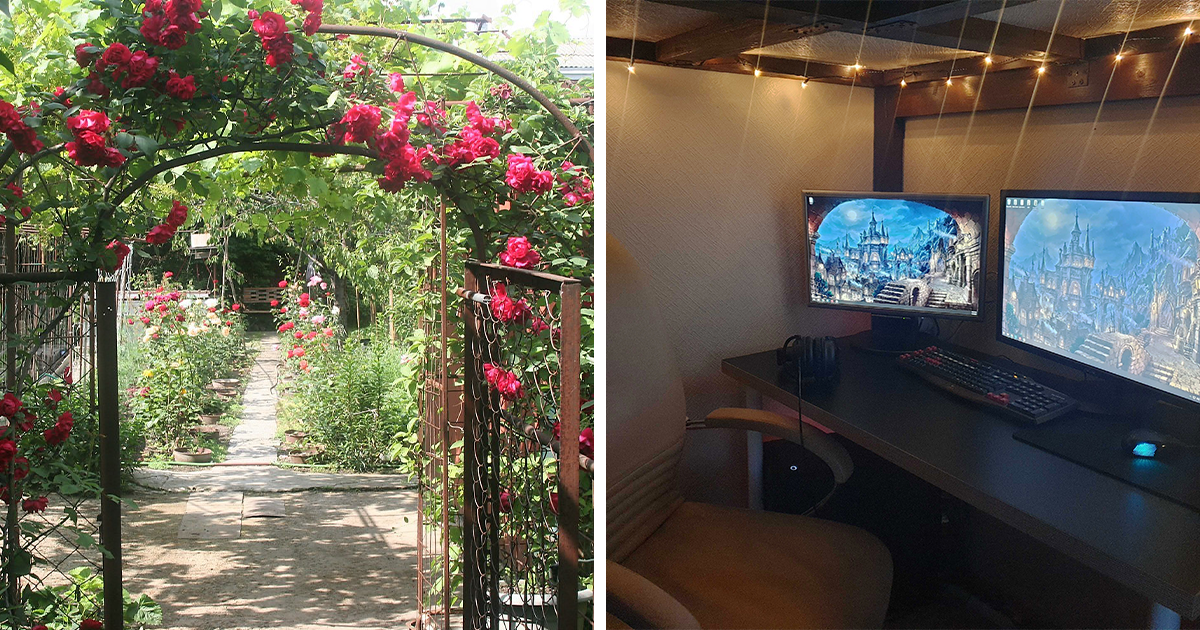
Note: This article is written as a web-ready community feature about meaningful places, personal memories, and the quiet power of sharing a special photo online.
Introduction: Some Places Don’t Just Sit on a MapThey Move Into Your Heart
Everyone has a place that feels like more than a location. It might be a childhood backyard with a tree that somehow knew all your secrets. It might be a beach where you learned how tiny your problems looked next to the ocean. It might be a coffee shop, a library corner, a hospital room, a hiking trail, a grandparent’s kitchen, or the cracked sidewalk outside your first apartment. To everyone else, it may look ordinary. To you, it is practically a museum exhibit titled, “Here Is Where My Life Happened.”
That is the charm behind the idea of “Hey Pandas, Share A Picture Of A Place That’s Very Special For You (Close)”. It is not just another photo-sharing prompt. It is an invitation to pause, open the camera roll, and find the image that still makes your chest do that tiny emotional hiccup. You know the one. The “I’m fine, just staring at a bench for personal reasons” feeling.
Special places matter because they connect memory, identity, comfort, and belonging. A place becomes meaningful not only because of how it looks, but because of what happened there, who was there, what changed there, or what part of yourself you discovered there. A photo of that place can become a small emotional time machine. One glance, and suddenly you remember the weather, the sound, the smell, the person standing next to you, or the version of yourself who needed that place most.
Why Do Certain Places Become So Special?
A special place is rarely special by accident. It earns its title through repeated memories, emotional turning points, or a deep sense of safety. Psychologists often use the phrase place attachment to describe the emotional bond people form with specific environments. In plain English, it means some places become part of our personal story. They stop being background scenery and start acting like supporting characters.
Think of a family kitchen. It may not have marble countertops or magazine-perfect lighting, but it has the smell of soup, birthday candles, holiday chaos, and someone yelling, “Don’t touch that yet!” That kitchen may be more emotionally valuable than a five-star restaurant because it contains layers of lived experience. The same is true of a park bench, a school hallway, a small-town street, or a quiet bedroom window where you once watched rain and made a major life decision.
Places become meaningful when they hold:
- Memory: Something important happened there.
- Connection: Someone meaningful is tied to that place.
- Comfort: The place helped you feel safe, calm, or understood.
- Growth: You changed, healed, learned, or began again there.
- Identity: The place reminds you who you are or where you came from.
That is why a photo of an old porch can be more powerful than a postcard of a famous landmark. The landmark may impress people. The porch may undo you emotionally before breakfast. Very rude of the porch, honestly.
The Power of a Picture: Why Photos Make Places Feel Alive Again
Photos do something memory cannot always do on its own: they give feelings a visual anchor. Human memory is not a perfect recording device. It shifts, softens, edits, and sometimes adds dramatic lighting like it is directing its own movie. A photograph helps preserve details that might otherwise fadethe blue paint on the door, the sunlight on the floor, the way the trees leaned over the path, the tiny sign in the background you never noticed until years later.
When people share pictures of special places, they are not merely saying, “Look at this view.” They are saying, “This mattered to me.” That difference is everything. A mountain photo may be beautiful, but the story behind it may be that someone climbed it after a hard year. A picture of a hospital garden may seem simple, but to the person sharing it, that garden may represent survival. A snapshot of a messy dorm room may look like laundry crimes and snack wrappers, but it may also mark the first place someone felt independent.
This is why community prompts like “Hey Pandas” work so well. They turn ordinary readers into storytellers. Instead of scrolling past polished perfection, people get to see real emotional geography: places loved for imperfect, personal, funny, heartbreaking, or wonderfully specific reasons.
What Kind of Place Is “Very Special”?
The best thing about this topic is that there is no correct answer. A special place does not need to be famous, expensive, remote, or Instagram-ready. It does not need a sunset, though a sunset does help the drama department. It simply needs meaning.
1. A Childhood Place
Childhood places often stay with us because they shaped our earliest sense of the world. A backyard, playground, school library, neighborhood store, or grandparent’s house can hold a surprising emotional charge. You may remember the exact corner where you built forts, the fence you were told not to climb, or the room where adults had conversations you pretended not to hear while absolutely hearing everything.
2. A Place of Healing
Some places matter because they helped us recover. This could be a walking trail after grief, a bedroom after burnout, a garden after illness, or a bench where you finally allowed yourself to breathe. These places may not look dramatic, but emotionally, they are superheroes wearing casual clothes.
3. A Place Connected to Someone You Love
A place can become special because of a person. Maybe it is the diner where you met your partner, the fishing spot your father loved, the church steps where your grandmother always waited, or the airport gate where you said goodbye. The location becomes a container for love, loss, gratitude, or longing.
4. A Place Where You Became Yourself
Many people have a place that marks a turning point: the city where they moved alone, the college campus where they found their voice, the first apartment where they learned that dinner can, technically, be cereal, or the studio where they discovered their creative side. These places are special because they hold evidence of transformation.
5. A Place in Nature
Forests, beaches, mountains, lakes, gardens, and parks often become meaningful because nature gives people room to reset. A quiet trail can feel like therapy with better lighting and fewer forms to fill out. Green spaces may help people feel calmer, more connected, and more present, which is why so many special-place photos feature trees, water, sky, or an aggressively photogenic rock.
Why Sharing Special Places Builds Community
Online spaces can be noisy, strange, and occasionally full of people arguing with the confidence of a raccoon in a parking lot. But they can also create moments of real connection. A prompt asking people to share a special place invites vulnerability without forcing anyone to reveal too much. It says, “Show us a piece of your world.” That is simple, but powerful.
When one person shares a photo of a quiet lake and explains that it helped them through a difficult season, someone else may recognize the feeling. When another person posts a picture of their grandmother’s kitchen, readers may think of their own family homes. The exact location differs, but the emotional language is familiar. We may live in different cities, countries, and circumstances, but most people understand what it means to love a place.
This kind of sharing reminds us that people are not just profile pictures and comment sections. They are made of memories, routes, rooms, landscapes, rituals, and places they still miss. A meaningful photo can make strangers feel less strange.
How to Choose the Right Photo to Share
If you were answering the prompt yourself, choosing the picture might be harder than expected. Your camera roll may suddenly become an emotional obstacle course: vacation photos, old neighborhoods, blurry concert shots, your dog looking majestic in a sunbeam, and approximately 437 screenshots you definitely meant to delete.
To pick a strong image, ask yourself these questions:
- Which place do I still think about when life gets stressful?
- Where did I feel completely myself?
- Which photo has a story behind it?
- What place would I revisit if time travel came with snacks?
- Which location changed how I saw myself, someone else, or the world?
The best photo is not always the prettiest one. It is the one that carries the most meaning. A slightly blurry picture of a family porch may say more than a perfect landscape shot. A dark photo of a concert venue may matter more than a professionally edited skyline. Meaning beats polish almost every time.
How to Write a Caption That Makes People Care
A good caption gives the photo emotional context. It does not need to be long, poetic, or dramatic enough to require background violin music. It just needs honesty.
Try a caption like:
- “This is the trail I walked every morning after moving to a new city. It made the place feel like home.”
- “My grandmother’s kitchen. The wallpaper was questionable, but the pancakes were legendary.”
- “This beach is where I realized I wanted a different lifeand then slowly built one.”
- “It looks like an ordinary bus stop, but it is where my best friend and I laughed every day after school.”
- “This tiny balcony saved my sanity during a very strange year.”
The magic is in the specific details. Instead of saying, “This place is special,” explain why. Tell readers what happened there, what it smelled like, who was with you, what changed, or why you keep returning to it in memory.
A Gentle Reminder About Privacy
Sharing meaningful places can be beautiful, but it is also wise to protect your privacy. If the place is your home, a child’s school, a private address, or somewhere connected to sensitive personal history, consider cropping the image, removing location tags, or describing it in general terms. You can still tell the story without handing the internet a treasure map to your front door. The internet is many things; subtle is not one of them.
You might say “a small park near my old apartment” instead of naming the exact park. You might share a close-up of the garden rather than the house number. You might post a landscape view without identifying the trail. The emotional truth of the story matters more than the exact coordinates.
Why Closed Prompts Still Matter
The word “Close” or “Closed” in a community prompt can sound final, but it does not make the idea any less meaningful. In fact, a closed prompt often becomes a kind of archive. It captures a moment when people paused their usual scrolling and shared something personal. The submissions may stop, but the stories remain.
That is one reason these posts are so appealing. They create a snapshot of collective memory. One reader shares a mountain. Another shares a childhood bedroom. Someone else shares a city street, a cemetery path, a bookstore, a barn, a bridge, or a hospital window. Together, the photos become a reminder that “special” is not one-size-fits-all. It is deeply personal, sometimes funny, sometimes tender, and often impossible to explain without saying, “You had to be there.”
Examples of Special Places People Might Share
To understand the emotional range of this topic, imagine the kinds of photos readers might contribute:
The Family Porch
A faded porch with two mismatched chairs may represent decades of conversations, summer evenings, family gossip, and mosquito battles that no one technically won. It is not just a porch. It is a family theater.
The First Apartment
The first apartment may have bad plumbing, suspicious carpet, and a kitchen too small for both a person and ambition. Still, it may be special because it represents independence. It says, “I survived on my own, even when my cooking suggested otherwise.”
The Local Park
A small neighborhood park can become special through repetition. Morning walks, difficult phone calls, picnic blankets, first dates, lonely afternoons, and quiet celebrations can turn a public space into a personal landmark.
The Road Trip Stop
Sometimes a special place is unexpected: a gas station in the middle of nowhere, a roadside overlook, or a diner discovered during a wrong turn. These places matter because they interrupt ordinary life and become unforgettable by surprise.
The Place You Can’t Return To
Some places are special because they no longer exist or no longer belong to us. A sold house, a changed neighborhood, a closed shop, or a childhood field now covered by buildings can still live vividly in memory. Photos of these places become especially precious because they preserve what time has rearranged.
Experiences Related to “Hey Pandas, Share A Picture Of A Place That’s Very Special For You (Close)”
There is something oddly brave about sharing a picture of a special place. It may not look brave at first. After all, you are not skydiving, rescuing kittens from a volcano, or assembling furniture without crying. You are just uploading a photo. But the moment you explain why that place matters, you reveal a small piece of yourself.
Imagine someone sharing a photo of a quiet lake at sunrise. The image is peaceful, maybe even simple. But the caption explains that this was where they went every Sunday morning after losing someone they loved. Suddenly, the lake is not just pretty. It becomes a witness. It held their silence. It gave them a place to grieve without needing to perform strength for anyone.
Another person might share a picture of a cluttered kitchen table. There are coffee mugs, mail, a half-finished puzzle, and maybe one chair that looks like it has survived three generations and several questionable repair attempts. To outsiders, it is a normal kitchen. To the person posting, it is the place where their family gathered every night, where arguments softened into laughter, where homework was done, bills were worried over, and birthdays began with badly sung songs. The table is not furniture; it is a memory magnet.
Someone else may post a picture of a city street. Nothing fancyjust brick buildings, parked cars, and a little rain on the pavement. But that street might be where they lived when they first moved away from home. It might remind them of learning public transportation, buying groceries with a tiny budget, and discovering that loneliness and freedom sometimes arrive holding hands. That street may represent the first time they became responsible for their own life. No wonder it feels sacred.
Then there are the places tied to joy: the beach where friends laughed until sunset, the campground where a child saw stars clearly for the first time, the bookstore where someone met their favorite author, the animal shelter where a family found the dog who now owns the couch. These places carry happiness so specific that even a slightly crooked photo can bring it back.
My favorite kind of special-place story is the one that seems small until the explanation lands. A bus stop where two best friends talked every afternoon. A hospital hallway where a nurse gave someone good news. A school theater where a shy student first stepped onstage. A garden where someone planted tomatoes after retirement and accidentally became the neighborhood’s unofficial salsa supplier. These are not famous locations, but they are emotionally enormous.
That is the heart of the “Hey Pandas” prompt. It gives people permission to honor places that may never appear in travel magazines but deserve to be remembered. It reminds readers that meaning does not require luxury. Sometimes the most special place in the world is a corner of a room, a cracked driveway, a path behind a house, or a bench with a view that only becomes beautiful once you know the story.
Conclusion: A Special Place Is a Story With Coordinates
At its core, “Hey Pandas, Share A Picture Of A Place That’s Very Special For You (Close)” is about more than pictures. It is about belonging, memory, identity, and the places that quietly help us become who we are. These places may be grand or humble, public or private, far away or just down the street. What makes them special is not their popularity, but their emotional weight.
A meaningful place can comfort us, challenge us, remind us, or return us to a version of ourselves we thought we had lost. A photo of that place can preserve the feeling long after the moment has passed. And when people share those photos with a community, they create something bigger than a gallery. They create a map of human experience, marked not by tourist attractions, but by love, change, grief, laughter, courage, and home.
So if you were answering the prompt, choose the picture that still speaks to you. Tell the story behind it. Let the internet see the porch, the lake, the road, the room, the garden, the city block, or the tiny corner of the world that somehow became yours. The place may look ordinary to someone else, but that is the funny thing about special places: they do not need everyone to understand them. They only need to matter to you.