

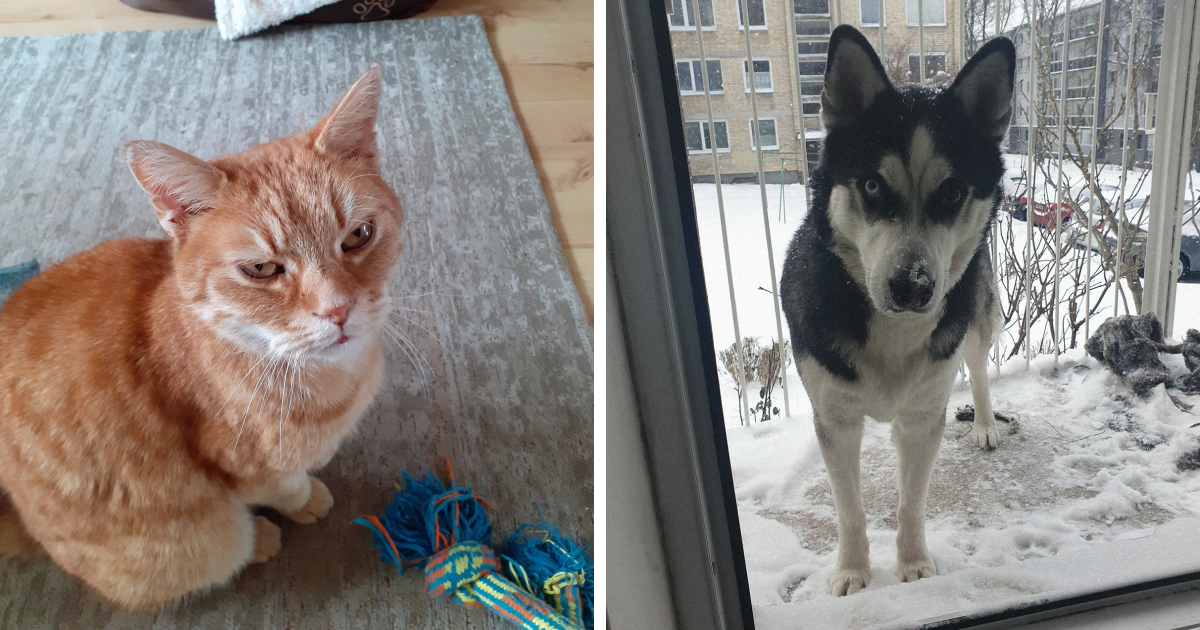
There are two types of people on the internet: people who post pet photos and people who pretend they are “too busy” while secretly zooming in on a stranger’s cat at 1:17 a.m. The title “Hey Pandas, Take A Photo Of Your Pet” feels like a cheerful invitation from the internet’s softest corner: grab your phone, find your furry, feathered, scaly, or suspiciously judgmental roommate, and capture the tiny personality that makes your home feel alive.
Pet photography is not just about cute pictures. It is storytelling, memory keeping, comedy, and sometimes evidence that your dog absolutely did steal the sandwich. A good pet photo can show trust, curiosity, chaos, comfort, and personality in a single frame. Whether you want to share a funny image online, create a keepsake, improve your adoption listing photos, or simply document your pet’s glorious career as a couch potato, the best pet pictures come from patience, observation, and respect for the animal.
The good news? You do not need a studio, a $3,000 camera, or a lighting assistant named Chad. You can take wonderful pet photos with a smartphone, natural light, a clean background, and a willingness to crawl on the floor like a documentary filmmaker following a very small celebrity.
Why Pet Photos Make People Stop Scrolling
Pet photos work because they are instantly emotional. A dog tilting its head, a cat blinking slowly in a sunbeam, a rabbit standing like it just heard neighborhood gossipthese moments feel real. They give viewers a tiny break from the noise of the day. In a crowded feed full of news, ads, arguments, and suspiciously perfect brunch plates, a genuine pet photo says, “Here is a creature with no agenda except maybe snacks.”
That is why community prompts like “share your pet photos” are so popular. They invite people to participate without needing professional skills. Nobody has to write a dissertation on feline philosophy. A photo of a sleepy tabby melting off a pillow does the job. Pet images are also highly shareable because they are universal. Even people who do not own pets often understand the humor of a dog looking guilty beside a destroyed roll of paper towels.
Before You Take the Photo: Put Your Pet First
The best pet photography rule is simple: your pet’s comfort matters more than the shot. A relaxed animal looks better on camera anyway. Stress shows up in the body. Dogs may avoid eye contact, lick their lips, yawn, pant when they are not hot, tuck their tails, show the whites of their eyes, or turn away. Cats may flatten their ears, puff their tails, crouch, hide, swish their tails sharply, or freeze. If your pet is telling you “no thanks,” listen.
Never force costumes, poses, props, or locations that frighten your animal. A photo of a happy pet being itself will always beat a staged shot where the animal looks like it is negotiating with fate. Use treats, toys, gentle praise, and short sessions. If your pet walks away, the photo shoot is over. Congratulations: your pet is now the creative director.
Choose the Right Light
Light can turn an ordinary snapshot into a frame-worthy portrait. Natural light is usually the easiest and safest choice. Try photographing your pet near a window, on a shaded porch, in a bright room, or outside during early morning or late afternoon. Soft light reduces harsh shadows and helps show texture in fur, feathers, scales, and eyes.
Avoid direct midday sun when possible. It can create blown-out highlights, squinty expressions, and dramatic shadows that make your golden retriever look like it is starring in a crime thriller. Flash can also startle some pets, especially nervous dogs and cats, so use it carefully or skip it. If your indoor photos look blurry, move closer to a window or turn on more room lighting. Cameras focus faster and freeze movement better when they have enough light.
Get Down to Their Level
One of the fastest ways to improve pet photos is to stop photographing everything from human height. Get low. Sit, kneel, or lie on the floor. When you shoot from your pet’s eye level, the image feels more intimate. You are no longer looking down at your pet; you are entering their world.
For a small dog, that might mean placing your phone just above the floor. For a cat lounging on a windowsill, it might mean moving sideways until you catch the light in its eyes. For a guinea pig, it may require heroic commitment and a lint roller afterward. Eye-level photos make pets look important, expressive, and present. That is exactly what they are.
Focus on the Eyes
In pet portraits, the eyes are everything. A technically imperfect photo can still feel powerful if the eyes are sharp and expressive. On most smartphones, tap your pet’s face or eye on the screen before taking the shot. This helps lock focus and exposure where it matters most.
If your pet is moving, use burst mode or action mode. Take several frames in quick succession, then choose the best one later. This is especially useful for dogs playing fetch, cats leaping after toys, birds stretching their wings, or any animal experiencing the mysterious phenomenon known as “zoomies.” The perfect expression often lasts less than a second, so give yourself options.
Use Treats and Toys Without Turning the Shoot Into a Circus
Treats and toys can help guide attention, but moderation is key. Hold a treat near the camera to encourage eye contact. Squeak a toy once to get a head tilt. Dangle a feather wand for a cat. Use a favorite ball for a dog. Then shoot quickly. If you overdo the excitement, your calm portrait session may become a full-scale athletic event.
It also helps to have a second person. One person can handle the toy or treat while the other takes the photo. This teamwork is especially useful for puppies, kittens, rescue animals, or pets who believe stillness is a myth invented by humans.
Clean the Background, Not the Personality
A distracting background can steal attention from your pet. Before taking the photo, scan the frame. Remove laundry piles, food wrappers, tangled cords, and the mysterious chair where every household item goes to retire. A simple background helps your pet stand out.
That does not mean the image has to be sterile. Context can add charm. A dog sitting beside muddy hiking boots tells a story. A cat curled on a bookshelf says, “I am literary and also blocking your novel.” A parrot on its favorite perch or a rabbit beside a chew toy can show real personality. The goal is not perfection. The goal is visual clarity.
Capture Personality, Not Just Cuteness
Cute photos are wonderful, but personality makes a pet photo memorable. Think about what makes your pet your pet. Is your dog heroic in the park but terrified of cucumbers? Does your cat look like a retired judge? Does your hamster sleep like it pays rent? Build the photo around that truth.
For playful pets, photograph motion: jumping, running, rolling, pawing, chasing bubbles, or making that face dogs make when their ears briefly become wings. For calm pets, use quiet moments: sleeping, watching birds, resting their chin on your knee, or sitting in a patch of sunlight. For older pets, focus on dignity and tenderness: gray muzzles, soft eyes, favorite blankets, and familiar routines.
Try Simple Composition Tricks
Use the Rule of Thirds
Instead of placing your pet directly in the center every time, imagine the frame divided into three equal sections vertically and horizontally. Put your pet’s eyes near one of those lines or intersections. This small adjustment can make the image feel more balanced and professional.
Leave Room for the Story
If your dog is looking toward the left, leave some empty space in that direction. If your cat is staring dramatically out the window, include part of the window. Space gives the viewer somewhere to look and makes the photo feel intentional.
Use Portrait Mode Carefully
Portrait mode can blur the background and make your pet stand out. It works especially well when your pet is still and clearly separated from the background. However, it can sometimes blur whiskers, ears, or fur edges in odd ways. Take one photo with portrait mode and one without. Your future self can judge with snacks.
How to Photograph Different Pets
Dogs
Dogs often respond well to movement, voice, toys, and treats. Take them for a short walk or play session before the shoot if they are too energetic. A slightly tired dog is often more patient. Use squeaky toys sparingly for expression, and shoot outdoors in open shade for flattering light. For black dogs or dark-coated dogs, avoid harsh sun and choose backgrounds that help separate their shape.
Cats
Cats prefer negotiation. Let them choose a comfortable spot, then work around them. Window light is your best friend. Avoid chasing a cat with the camera because that usually produces one photo of a tail leaving the room. Use toys, soft sounds, and patience. A slow blink, a paw stretch, or a sleepy sunbeam portrait can be more magical than a forced pose.
Small Pets
Rabbits, guinea pigs, hamsters, reptiles, and birds need calm handling and safe environments. Use a secure area, remove hazards, and avoid stressful props. For tiny pets, get close without crowding them. A plain blanket, a favorite hideout, or a familiar perch can create a clean scene while keeping the animal comfortable.
Editing: Make It Better, Not Fake
Editing should enhance the photo, not turn your pet into a wax museum version of itself. Adjust brightness, contrast, sharpness, and cropping. Remove temporary distractions like dust or a random sock in the corner if needed. But keep natural features, scars, markings, gray fur, and unique details. Those are part of your pet’s story.
For social media, crop depending on the platform. Vertical photos work well for mobile feeds and stories. Horizontal photos are great for banners, albums, and blog layouts. Square crops are useful for profile-style posts. Always keep the face clear and avoid cutting off ears, tails, or paws unless the crop is intentionally close.
Pet Photo Ideas for the “Hey Pandas” Challenge
If you are joining a pet-photo prompt, try giving your post a theme. Themes make photos easier to enjoy and comment on. Here are a few ideas:
- The derp shot: Capture your pet mid-yawn, mid-jump, or mid-confusion.
- The royal portrait: Photograph your pet sitting proudly like it owns the house, which it probably does.
- The tiny routine: Show breakfast time, window watching, toy selection, or nap preparation.
- The action hero: Freeze a leap, chase, fetch, or zoomie moment.
- The cozy close-up: Focus on paws, whiskers, sleepy eyes, or a nose boop.
- The before-and-after: Pair a baby photo with a current photo to show growth, rescue progress, or aging gracefully.
Common Mistakes to Avoid
The first mistake is rushing. Pets do not understand deadlines, editorial calendars, or the emotional importance of your caption. Give them time. The second mistake is using too much clutter. The third is ignoring body language. A stressed animal will not look relaxed just because the angle is cute.
Another common mistake is taking only one photo. Professionals take many frames and choose the strongest. You should too. Move slightly. Try a lower angle. Change the background. Wait for the ears to perk up or the eyes to soften. Great pet photography is often a numbers game mixed with love.
Why Pet Photos Matter More Than We Think
Pet photos become emotional bookmarks. Years later, they remind us of the ordinary moments we did not know we would miss: the way a dog slept with one paw over its nose, the way a cat claimed the same cardboard box for six months, the way a rabbit stood on its back legs whenever the refrigerator opened. These images are not just “content.” They are memory storage.
They can also help animals find homes. Clear, warm, honest photos of adoptable pets can make them more visible to potential adopters. A good photo helps people imagine a real relationship, not just a listing. It shows personality, size, expression, and charm. In rescue and shelter settings, photography can become advocacy.
Real-Life Experiences: What Happens When You Actually Try to Photograph Your Pet
Anyone who has tried to take a good pet photo knows the process is part art, part comedy, and part emotional endurance test. You begin with a simple dream: one nice picture. Nothing fancy. Just your pet looking sweet, maybe with both eyes open. Then reality enters wearing muddy paws.
For example, imagine trying to photograph a dog in the backyard during golden hour. The light is perfect. The grass is glowing. The dog sits beautifully for exactly two seconds, then hears a squirrel file a tiny legal complaint from the fence. Suddenly your peaceful portrait session becomes sports photography. You take forty-seven photos. Twenty are blurry, nine include only one ear, six show the dog’s backside, and one is accidentally a masterpiece. That one photo makes the entire circus worth it.
Cats offer a different experience. A cat may look stunning in a beam of window light, elegant as a painting. You lift your phone slowly. The cat remains still. You think, “This is it.” Then, just as you tap the shutter, the cat turns its head to lick its shoulder with the intensity of a creature avoiding paparazzi. The resulting photo is not glamorous, but it is honest. It says, “I am beautiful, but I have priorities.”
Small pets bring their own lessons. A hamster may move faster than expected. A rabbit may decide the best composition is under the couch. A bird may investigate the camera as if preparing to launch a product review. These moments teach patience. They also remind you that pet photography works best when you build the session around the animal’s natural behavior instead of forcing the animal into your plan.
One of the most rewarding experiences is photographing an older pet. Senior pets may not leap as high or run as fast, but they often give the camera something deeper: trust. A gray muzzle resting on a blanket, cloudy eyes looking toward a familiar voice, a slow walk through the yardthese photos carry tenderness. They may not be the funniest images online, but they often become the ones people treasure most.
Another memorable experience is sharing the photo afterward. Pet photos invite stories. Someone sees your dog sleeping upside down and comments that their dog does the same. Someone notices your cat’s expression and says it looks like a tiny landlord. Suddenly, a simple image becomes a conversation. That is the magic of “Hey Pandas, Take A Photo Of Your Pet.” It is not only about the photo. It is about the shared recognition that animals make life softer, sillier, and more wonderfully unpredictable.
The best experience of all is realizing your pet does not need to perform to be worth photographing. The quiet moments count. The weird moments count. The imperfect, blurry, badly timed pictures count too, because they belong to a real life shared with a real animal. Take the photo. Take many. Save the funny ones. Print the beautiful ones. Back them up. One day, even the picture where your dog looks like a confused potato may become priceless.
Conclusion
“Hey Pandas, Take A Photo Of Your Pet” is more than a cute internet prompt. It is a reminder to notice the companion beside you: the tail thump under the table, the whiskers in the sunlight, the paws on the windowsill, the dramatic sigh from the couch. Great pet photos do not require perfection. They require attention, kindness, and a little willingness to look ridiculous while crawling across the carpet.
Use soft light. Get low. Focus on the eyes. Keep your pet comfortable. Let personality lead the shot. Whether your final image is majestic, hilarious, chaotic, or heart-melting, it will be realand that is exactly why people love pet photos in the first place.