

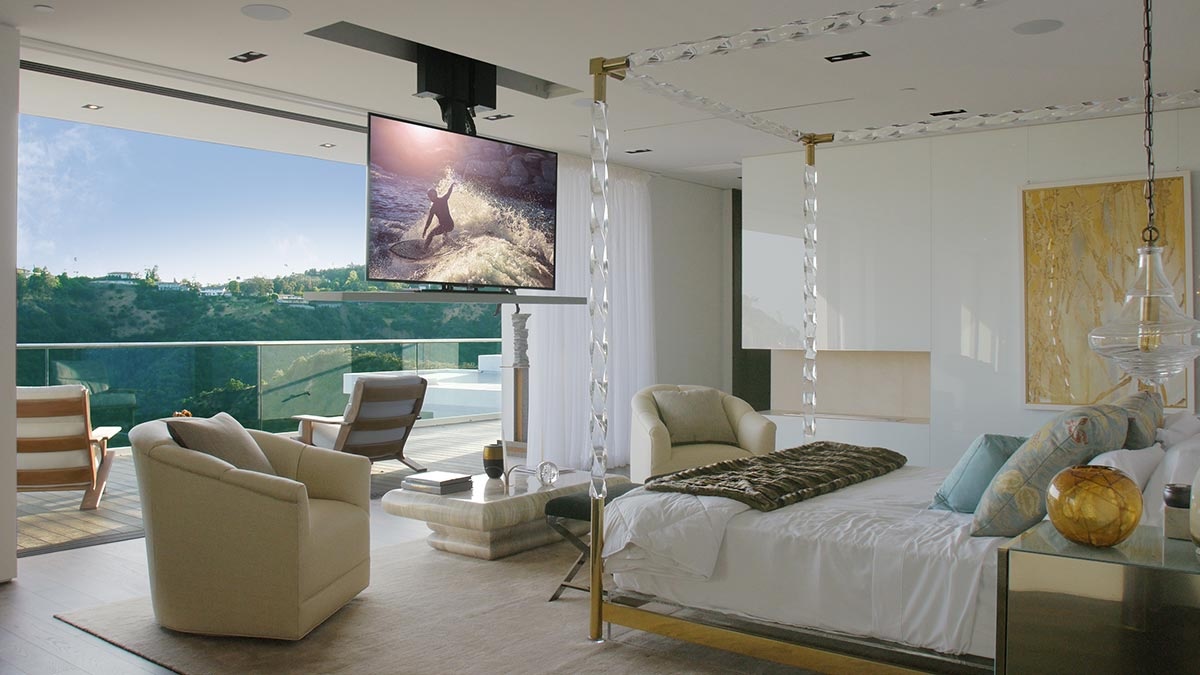
Some homes look beautiful. Other homes quietly perform magic tricks. A drawer appears where a baseboard used to be. A bookshelf swings open like a spy movie prop. A hallway bench swallows backpacks, dog leashes, and that one reusable grocery bag nobody remembers buying. These are the hidden home features that make everyday life smoother without shouting, “Look at me, I am storage!”
Hidden home features are having a very real moment because they solve two problems at once: clutter and visual chaos. Instead of adding more bins, baskets, and bulky furniture, homeowners are building function into the bones of the house. The best hidden features do not feel gimmicky. They feel calm, intentional, and slightly geniuslike your home finally got promoted to management.
Whether you live in a small apartment, a suburban house, a historic bungalow, or a new-build with builder-grade everything, these clever hidden home ideas can help you use space better, organize smarter, and make your rooms feel more polished. Below are the hidden features worth copying, from secret doors and appliance garages to toe-kick drawers and built-in charging stations.
Why Hidden Home Features Are So Popular
The modern home has to do more than ever. It is a kitchen, office, gym, homework zone, pet station, entertainment hub, and sometimes a place where laundry quietly becomes a permanent sculpture. Hidden features help a home multitask without making every room look like a storage unit with throw pillows.
Designers often focus on “invisible function,” which means adding practical features that blend into the surrounding architecture. Think cabinets that disappear into wall paneling, a pantry door disguised as part of the kitchen, or a mudroom bench that looks custom and elegant while hiding a family’s entire shoe population.
These ideas also work beautifully for resale appeal. Buyers may not remember every paint color, but they will remember a hallway cabinet that hides coats, a kitchen with tucked-away appliances, or a bookcase door that opens to a small office. Hidden home features create delight, and delight is powerful. It is the difference between “nice house” and “wait, show me that again.”
1. Hidden Doors That Lead to Useful Spaces
A hidden door is the celebrity of secret home features. It can be dramatic, practical, or both. The classic version is a bookcase door that swings open to reveal a pantry, office, powder room, closet, playroom, or storage area. But today’s hidden doors go far beyond the mystery-novel bookshelf.
Some doors are concealed in wall paneling. Others are blended into cabinetry, wallpaper, wainscoting, or slatted wood walls. In a kitchen, a hidden door might lead to a walk-in pantry. In a living room, it might hide a toy closet. In a bedroom, it could disguise a dressing area or compact home office.
How to Copy It
Start with a space you already want to hide: a utility closet, pantry, laundry room, or awkward storage nook. Then match the door treatment to the surrounding wall. If the wall has trim, continue the trim across the door. If the wall has wallpaper, paper the door too. For a bookcase-style hidden door, make sure the shelves are shallow enough to swing safely and use proper hardware designed for the weight.
The goal is not to fool a detective. It is to create a clean, seamless look that makes functional areas feel integrated instead of accidental.
2. Under-Stair Storage That Finally Uses the Awkward Triangle
The space under the stairs is one of the most ignored areas in a home. It is also one of the most useful. That odd triangular cavity can become pull-out drawers, a coat closet, a mini pantry, a pet nook, a wine cabinet, a reading den, or a compact powder room if plumbing and layout allow.
Pull-out drawers are especially practical because they make deep storage accessible. Instead of crawling into the under-stair cave like you are searching for lost treasure, you simply slide out a drawer and grab what you need. Shoes, seasonal decor, sports gear, cleaning supplies, backpacks, board games, and bulky winter items all fit well here.
Best Uses for Under-Stair Storage
For families, use this zone as a drop station for shoes and school bags. For small homes, turn it into a pantry extension. For pet owners, create a built-in dog bed with storage above. For design lovers, add cabinet fronts that match nearby millwork so the whole staircase looks intentional.
The under-stair area is proof that your home may already have more square footage than you think. It is just hiding under the steps, waiting for better management.
3. Kitchen Toe-Kick Drawers for Flat Items
Toe-kick drawers are small drawers installed in the recessed space below lower kitchen cabinets. They are nearly invisible when closed, but they can hold surprisingly useful items. Baking sheets, cooling racks, placemats, serving trays, cutting boards, pet bowls, and rarely used flat tools are all good candidates.
This feature is especially smart in small kitchens where every cabinet matters. Instead of stacking pans in a wobbly tower that threatens your ankles every time you open the door, toe-kick drawers give flat items their own quiet little parking spot.
How to Copy It
If you are remodeling a kitchen, ask your cabinetmaker about adding toe-kick drawers during the design phase. If you are working with existing cabinets, a skilled DIYer or carpenter may be able to retrofit drawers into the toe-kick space, depending on the cabinet construction. Use durable slides and a low-profile pull or push-latch mechanism to keep the look seamless.
Toe-kick drawers are not for heavy cookware or items you use ten times a day. They are best for slim, lightweight pieces that need a home but do not deserve prime cabinet real estate.
4. Appliance Garages That Hide Countertop Clutter
A kitchen can be clean and still look busy if the counters are crowded with a toaster, blender, coffee grinder, stand mixer, air fryer, and a collection of cords doing modern dance. An appliance garage solves the problem by giving small appliances a hidden but accessible home.
An appliance garage is usually a cabinet or counter-level compartment with a lift-up, pocket, tambour, or retractable door. When closed, it blends with the cabinetry. When open, it becomes a ready-to-use station for coffee, breakfast prep, baking, or smoothies.
Where It Works Best
Place an appliance garage near an outlet and near the task it supports. A coffee station works well near mugs and breakfast supplies. A baking station belongs near mixing bowls, flour, sugar, and measuring tools. A toaster station makes sense near plates and bread storage.
The key is ventilation and convenience. Do not trap hot appliances in a closed cabinet immediately after use. Let them cool before closing the door. Hidden should never mean hazardous; it should mean tidy, efficient, and pleasingly smug.
5. Built-In Hallway Benches With Secret Storage
A hallway bench is already useful. Add hidden storage, and it becomes a household command center. Built-in benches can hide shoes, umbrellas, reusable bags, sports gear, pet supplies, and seasonal accessories. Add tall cabinets or upper cubbies, and the area becomes a mudroom even if your home does not technically have one.
This idea works beautifully near the kitchen, garage entry, front door, or back door. Closed cabinet fronts keep the view calm. Hooks handle daily jackets and bags. Drawers or lift-top seats hide the mess that would otherwise migrate across the floor like a clutter parade.
Small-Space Version
If you cannot build a full mudroom, use a storage bench with a hinged lid, slim shoe drawers, or a wall-mounted cabinet above a narrow seat. Choose finishes that match nearby trim or cabinetry so the feature feels built in rather than squeezed in.
In a busy home, a hidden-storage bench can save mornings. Keys, shoes, bags, and dog leashes finally have assigned seats. Unfortunately, it cannot make anyone leave on time, but let us celebrate progress.
6. Mirror Cabinets Outside the Bathroom
Medicine cabinets are familiar in bathrooms, but the same concept works in entryways, bedrooms, laundry rooms, and hallways. A mirror or framed art piece can conceal shallow shelves for keys, sunglasses, chargers, mail, grooming tools, pet medication, lint rollers, or everyday essentials.
This is one of the easiest hidden home features to copy because it does not require a full renovation. Wall-mounted mirror cabinets and framed storage cabinets can look decorative while quietly organizing small items that usually become surface clutter.
Where to Use One
Try one near the front door for keys and wallets, in a bedroom for jewelry and accessories, in a laundry room for stain removers and sewing supplies, or in a hallway for first-floor essentials. The best hidden storage is close to where the item is used. If you store the dog leash upstairs, your dog will judge you, and frankly, the dog has a point.
7. Charging Drawers and Hidden Tech Stations
Modern homes have a cable problem. Phones, tablets, watches, earbuds, gaming devices, power banks, and mystery cords all need charging. A hidden tech drawer keeps devices powered without turning the kitchen counter into an electronics repair shop.
A charging drawer usually includes built-in outlets or USB ports inside a drawer. It may be located in the kitchen, mudroom, office, bedroom, or family room. Devices charge out of sight, cords stay contained, and surfaces remain clear.
Safety and Design Tips
Use products and outlets designed for in-drawer installation, and have electrical work completed according to local code. Add dividers so cords do not become a tangled jungle. Choose a drawer with enough space for airflow, and avoid overloading it with too many devices.
For a simpler version, place a cable organizer inside a desk drawer or cabinet near an outlet. Even a low-tech solution can make your home feel calmer when the cord chaos disappears.
8. Pocket Offices Behind Closed Doors
Not every home has room for a dedicated office, but many homes have a closet, landing, alcove, or cabinet wall that can become a hidden work zone. A pocket office is a compact workspace that disappears when the doors close.
Inside, you might include a small desktop, outlets, task lighting, shelves, file storage, and a corkboard or whiteboard. Outside, it looks like ordinary cabinetry or a closet. This is ideal for remote work, homework, bill paying, crafting, or managing household paperwork.
How to Make It Comfortable
Do not forget lighting, ventilation, and seating. A hidden office should not feel like a punishment closet. Use a comfortable chair that can tuck away, add warm lighting, and keep supplies minimal. If you only need a laptop and notebook, a shallow cabinet office may be enough.
The beauty of a hidden office is psychological as much as practical. At the end of the day, you close the doors and the work mess disappears. The emails may still exist, but at least they are not staring at you during dinner.
9. Banquette Seating With Deep Drawers
Built-in banquettes are popular in breakfast nooks and small dining areas because they save space and add charm. Add drawers beneath the seats, and they become storage heroes. This hidden feature is excellent for table linens, kids’ art supplies, board games, seasonal dishes, candles, and entertaining pieces.
Compared with loose chairs, a banquette can make a tight dining corner feel cozy and efficient. It also creates a custom look, especially when paired with cushions, sconces, and a pedestal table.
Drawer or Lift-Top?
Drawers are easier for daily access because you do not need to remove cushions. Lift-top benches can hold larger items but are better for things you use less often. If you are planning a new banquette, choose drawers whenever space allows. Your future self will thank you while casually finding the holiday napkins in under eight seconds.
10. Hidden Laundry Zones
A full laundry room is wonderful, but a hidden laundry zone can be just as useful. Stackable machines behind cabinet doors, a washer and dryer tucked into a hallway closet, or a laundry area concealed behind sliding doors can make a home more efficient without dedicating an entire room to socks.
Other hidden laundry features include pull-out hampers, fold-down ironing boards, drying racks that retract into the wall, and narrow cabinets for detergents and cleaning supplies. These details keep laundry practical without letting it dominate the room.
Design Details That Matter
Plan for ventilation, plumbing access, noise control, and durable surfaces. If machines are behind doors, louvered or vented doors may be needed depending on the setup. Include a counter or fold-down shelf for sorting and folding if space allows.
Laundry is never exactly glamorous, but hidden laundry features can make it feel less like a chore zone and more like a well-designed system. That is a major emotional upgrade for anyone who has ever folded towels on top of a washing machine while questioning their life choices.
11. Pull-Out Pantries in Narrow Spaces
A pull-out pantry can turn a narrow gap beside the refrigerator, oven, or cabinet wall into highly functional storage. These tall, slim units are ideal for spices, oils, canned goods, snacks, baking supplies, or cleaning products.
The advantage is visibility. Instead of losing items at the back of a deep cabinet, you slide the pantry out and see everything at once. It is especially helpful in small kitchens, apartments, and homes without walk-in pantries.
What to Store
Use pull-out pantry storage for lightweight, frequently used goods. Keep heavy items lower and avoid overloading the slides. Group items by category: breakfast, baking, cooking oils, snacks, or school-lunch supplies. A hidden pantry is only helpful if it does not become a vertical junk drawer with pasta.
12. Recessed Wall Niches and Between-Stud Storage
Walls contain small pockets of potential. In some non-load-bearing interior walls, the space between studs can be used for recessed cabinets, niches, spice storage, bathroom shelves, or display ledges. This is a clever way to add storage without stealing floor space.
Bathrooms are especially good candidates. A recessed medicine cabinet, shower niche, or toilet-area cabinet can hold toiletries and cleaning supplies while keeping the room streamlined. In kitchens, a recessed spice niche can work if placed safely away from heat and moisture.
Before You Cut Into a Wall
Always check for plumbing, wiring, ductwork, and structural concerns before opening a wall. This is not the place for guesswork and heroic YouTube confidence. When done correctly, recessed storage looks custom, saves space, and makes a small room feel more considered.
13. Furniture That Hides More Than It Shows
Not every hidden feature has to be built into the house. Storage ottomans, lift-top coffee tables, beds with drawers, nightstands with hidden compartments, and benches with interior storage can make a major differenceespecially for renters.
The trick is choosing pieces that look like furniture first and storage second. A beautiful ottoman that holds blankets is better than a plastic bin pretending to be a lifestyle choice. A lift-top coffee table can create a hidden work surface, snack zone, or game storage area without adding another desk.
Best Rooms for Hidden Storage Furniture
In the living room, use storage ottomans for blankets, remotes, and games. In the bedroom, choose beds with drawers for off-season clothes. In the entryway, use a bench with shoe storage. In a child’s room, use lidded seating or under-bed drawers for toys.
Hidden storage furniture is the renter-friendly cousin of custom built-ins. It may not involve millwork, but it still brings order, beauty, and fewer frantic searches for the TV remote.
14. Hidden Pet Stations
Pet supplies are adorable in theory and chaotic in reality. Food bags, bowls, leashes, toys, grooming tools, and litter accessories can spread quickly. A hidden pet station keeps everything together while blending into the home.
Popular ideas include pull-out feeding drawers, built-in crate cabinets, leash drawers near the door, litter boxes concealed in ventilated cabinets, and food storage bins tucked into a pantry or mudroom. A pet washing station can also be hidden in a laundry room or mudroom if space and plumbing allow.
Keep It Practical
Use washable surfaces, ventilation, and easy access. Food storage should seal tightly. Feeding stations should be simple to clean. Built-in crates or litter cabinets should give pets enough room and comfort. Hidden features should make life better for both humans and animals, not just impress guests who do not live with the shedding.
15. Secret Storage Behind Decorative Panels
Decorative wall panels, framed art, sliding panels, and cabinet fronts can hide shallow storage in living rooms, bedrooms, and hallways. This works especially well for items you want nearby but not visible: remotes, routers, board games, paperwork, candles, batteries, and small tools.
A media wall is a great example. Instead of leaving cords, routers, and gaming accessories exposed, conceal them behind ventilated cabinet panels. The television remains the focal point, while the tech clutter quietly disappears.
Design Tip
Repeat materials. If the wall has wood slats, continue them across the storage door. If cabinets are painted the wall color, keep hardware minimal. Hidden storage works best when it looks like part of the architecture rather than a secret box glued to the wall.
How to Choose the Right Hidden Feature for Your Home
Before copying every clever idea on the internet, ask one question: what problem am I actually solving? Hidden features are most successful when they respond to real habits. If shoes pile up by the door, build entry storage. If appliances crowd the counter, add an appliance garage. If work papers invade the dining table, create a pocket office.
Also consider access. If you use something daily, the hidden feature should open easily. If it takes three steps, two latches, and a motivational speech, you will stop using it. Good hidden design is simple, intuitive, and close to the action.
Budget matters too. Furniture with hidden storage is usually the most affordable option. Retrofitted drawers, wall cabinets, and organizers fall in the middle. Custom hidden doors, built-ins, and architectural millwork cost more but can add long-term value and style.
Common Mistakes to Avoid
The first mistake is hiding things too well. If nobody remembers where the batteries, passports, or pet medicine are stored, your hidden feature has become a domestic escape room. Label interior bins, group categories, and keep a simple system.
The second mistake is ignoring safety. Electrical charging drawers, appliance garages, laundry closets, and hidden tech cabinets need proper ventilation and code-compliant installation. Secret is fun. Overheating is not.
The third mistake is choosing novelty over usefulness. A hidden bookcase door is wonderful if it leads to storage or a room you use. It is less wonderful if it blocks furniture, sags on cheap hardware, or becomes an expensive party trick. Practical magic is the goal.
Real-Life Experience: What Hidden Home Features Teach You After Living With Them
After living with hidden home featuresor helping plan them for a real householdyou quickly learn that the best ones are not always the flashiest. The feature everyone notices first might be the secret door, but the feature everyone uses daily is usually much simpler: a drawer for chargers, a bench for shoes, a pull-out pantry, or a cabinet that hides the coffee maker.
The biggest lesson is that hidden storage works only when it matches real behavior. For example, a family may dream of a perfect mudroom with labeled cubbies, but if everyone enters through the garage, the hidden storage needs to be near that door, not beside the formal front entry. Otherwise, backpacks and shoes will continue landing where gravity and habit prefer. Design cannot defeat routine; it has to partner with it.
Another experience-based truth: shallow storage is often better than deep storage. Deep cabinets sound generous, but they can become caves where objects go to retire. Pull-outs, drawers, and narrow shelves make items visible. A slim pull-out pantry may hold less than a deep cabinet, but it often works better because you can see the olive oil, the cinnamon, and the emergency chocolate without performing an archaeological dig.
Hidden features also make cleaning feel easier. When every object has a nearby concealed home, tidying becomes less dramatic. You are not “cleaning the house”; you are returning five things to five smart places. That difference matters, especially in busy homes. A storage bench by the door can reset an entry in two minutes. A charging drawer can clear a countertop instantly. An appliance garage can make a kitchen look photo-ready even if the toaster has seen things.
There is also an emotional benefit. Hidden home features create calm because they reduce visual noise. Open shelves can be beautiful, but not everyone wants to style cereal boxes and phone chargers like museum objects. Closed storage gives real life a backstage area. Guests see the polished performance; the extra batteries, dog treats, and takeout menus wait politely behind the curtain.
The most satisfying hidden features often come from small annoyances. A homeowner tired of stepping over shoes adds a toe-level shoe drawer. Someone frustrated by tangled cords installs a charging station. A cook who hates lifting a stand mixer creates an appliance garage with a sturdy shelf. These are not random upgrades; they are answers to daily friction.
If you are planning your own hidden home feature, walk through your house with a notebook for one week. Write down where clutter collects, what you move repeatedly, and which items never seem to have a home. The best design clues are already there. Your house is basically leaving breadcrumbs. Some of them may be actual breadcrumbs, especially if you have children, pets, or a suspiciously enthusiastic snack habit.
Start with one improvement. Add a storage bench, install a wall cabinet behind art, organize a charging drawer, or create a pull-out pantry insert. Once you experience the joy of hidden function, you may start seeing secret potential everywhere. That blank wall? Storage. That stair cavity? Storage. That awkward hallway? Storage with better lighting. Suddenly, your home stops feeling too small and starts feeling under-discovered.
Conclusion
Hidden home features are not just about secret doors and dramatic reveals. They are about making a home easier to live in. The best ideas hide clutter, improve flow, save space, and create small moments of delight. From toe-kick drawers and appliance garages to under-stair storage and pocket offices, these upgrades prove that great design does not always need to be loud. Sometimes it just needs to open smoothly, close quietly, and make you wonder why every house does not come with one.