

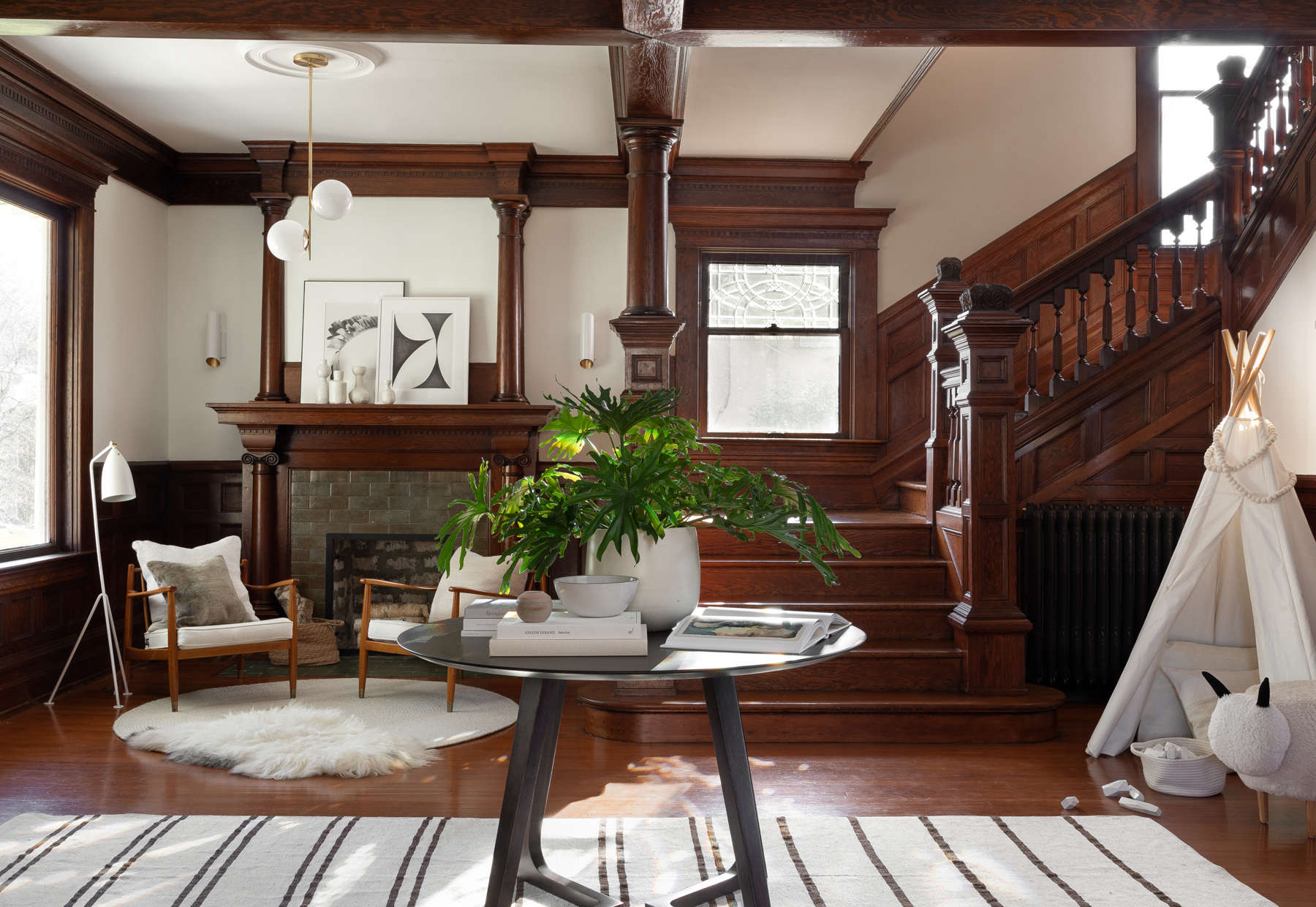
Dark wood paneling in an old house is a little like a great vintage coat: timeless, dramatic, and occasionally
responsible for making you look like you’re starring in a noir filmespecially at 3 p.m. in January.
The good news? You don’t have to rip it out, sand your life away, or pretend you “love the mood” while squinting
to find the light switch. You can brighten a paneled room while respecting the home’s history, preserving
character-defining details, and keeping the cozy factor (without drifting into “Victorian submarine”).
This guide pulls together best practices from preservation guidance, paint manufacturers, and home-improvement
pros to help you choose the right strategywhether you want a subtle refresh, a reversible glow-up, or a full-on
“I can finally see the book titles on my shelf” transformation.
Start Here: Is the Paneling a Feature… or Just a Phase the House Went Through?
Before you change anything, decide what kind of dark paneling you have. In historic homes, paneling can be
genuinely character-definingpart of the architecture and craftsmanship that makes the house worth loving in
the first place. Preservation guidance generally emphasizes identifying and keeping interior elements that
communicate a building’s historic character, including paneling and finishes, and avoiding changes that obscure
or destroy those features. That doesn’t mean you can’t update; it means you should update thoughtfully.
Quick “what is it?” clues
-
Early, high-quality woodwork (often solid wood, detailed trim, real joinery):
more likely to be historically significant and worth preserving or treating gently. -
Mid-century or later decorative paneling (thin veneer, repeated grain pattern, visible seams):
more flexiblepainting can be an excellent refresh without sacrificing irreplaceable craftsmanship. -
Historic room function matters: a library, dining room, or formal hall may have been designed
to feel rich and intimate. Brightening can still workjust aim for “inviting” instead of “operating room.”
If you’re in a designated historic district or using preservation tax incentives, you may want to check local
rules before major changes. Even if you’re not, it’s smart to treat original woodwork like you would treat an
antique: you can clean it, tune it up, and style it beautifullybut you don’t refinish it with a belt sander
while binge-watching a show.
The Brightening Ladder: Fix the Light Before You Fight the Wood
Dark paneling isn’t always the villain. Sometimes the real culprit is a single overhead fixture that resembles a
tired UFO and emits approximately the brightness of a candle in a windstorm. The most effective updates usually
happen in this order: clean + reflect + layer lighting + adjust contrast. Painting is a powerful tool,
but it’s not the only tooland it’s not always the first one.
Step 1: Clean like you mean it
Wood paneling can look darker than it is because of years of wax buildup, smoke residue, old polish, and general
“historic-house patina” (aka grime with a good publicist). A careful cleaning can noticeably lift the tone and
improve how the surface reflects light. Use the gentlest cleaner that works, test in an inconspicuous spot, and
avoid soaking the wood. A soft glow often returns once you remove the film that’s been stealing your light.
Step 2: Change what the wood is bouncing back
Wood reflects what you give it. If everything else is darkheavy drapes, deep wall colors, dark rugsthe paneling
absorbs the room. If you brighten the other surfaces, the wood starts to read as warm and grounded instead of
cave-like.
- Window treatments: swap heavy curtains for sheers, light linen, or shades that stack high.
- Rugs: a light or medium-toned rug can instantly lift a dark floor + dark panel combo.
- Large art: brighter artwork (even just larger white mats) adds reflected light to the wall plane.
- Reflective finishes: brass, chrome, glass, and glossy ceramics act like little light multipliers.
Lighting That Actually Works in Paneled Rooms (Not Just “Add a Lamp”)
Paneled rooms love layered lighting. The goal is to create multiple light sources at different heights so the
walls don’t swallow illumination and the ceiling doesn’t feel like a lid. You’re designing a “light ecosystem,”
not auditioning a single chandelier to do the whole job.
Layer your lighting in three zones
-
Ambient: overhead fixture(s), but ideally diffused and/or multiple sources. If you can add
recessed lighting, use it sparingly and thoughtfullyhistoric ceilings can be precious. - Task: reading lamps, desk lamps, and sconces where you actually need light (chairs, desks, side tables).
-
Accent: uplights behind plants, picture lights, LED strips on shelves, or a discreet floor uplight in corners.
Accent lighting is the secret weapon for paneling because it adds glow without flattening the wood grain.
Bulb tips that make an outsized difference
- Color temperature: 2700K–3000K often looks best with warm woodbright enough to feel fresh, warm enough to feel historic.
- High-CRI bulbs: make wood tones look richer and less muddy.
- Use dimmers: paneled rooms do “bright” and “cozy” beautifullydimmers let you choose the vibe, not endure it.
If the room lacks natural light, mirrors helpbut only if they have something useful to reflect. Place a mirror
where it catches a window, a lamp, or a bright adjacent wall, not where it reflects your clutter pile (unless you
want daily accountability, which is a bold lifestyle choice).
Color and Contrast: Brighten Without Erasing the Soul
You can make dark paneling feel intentional by controlling contrast. Think of the wood as the “anchor,” and use
lighter elements to create balance. The biggest bang-for-your-buck contrast moves are usually ceilings, textiles,
and trim.
Ceilings: the underrated brightening lever
Painting the ceiling a lighter color (or even a soft warm white) can dramatically lift the whole room because it
increases perceived height and bounce. In many historic interiors, ceilings and upper walls were used to
introduce lighter tones and decorative finishesso this approach can feel period-friendly rather than trendy.
Trim and built-ins: choose your strategy
- Keep wood trim, lighten everything else: works beautifully when the trim is high-quality and the paneling is the star.
- Paint trim + leave paneling: creates a cleaner frame and can make paneling look more intentional (especially with lighter furnishings).
- Paint built-ins only: a great compromiseyour eye lands on lighter cabinetry, while the paneling remains warm and historic.
If you’re styling rather than painting, look for “light-leak” pieces: glass tables, leggy chairs, open shelving,
and furniture with visible floor underneath. Heavy, blocky furniture + dark paneling is how rooms become
photogenic but uninhabitable.
If You Decide to Paint: Do It Like a Pro (So It Doesn’t Peel in Six Months)
Painting paneling can absolutely brighten a historic homeespecially if the paneling is later, damaged, or not
character-defining. The key is preparation. Most paneling failures happen because someone skipped cleaning,
rushed primer, or tried to paint glossy wood like it was drywall. Wood remembers. Wood retaliates.
Step-by-step: painting paneling the right way
- Inspect: identify whether it’s solid wood, veneer, or laminate; check for loose panels and waxy buildup.
- Clean thoroughly: remove grease and residue so primer can bond. Let the surface dry fully.
- De-gloss: lightly sand or use a deglosser where appropriate. The goal is a surface your primer can grip.
- Fill (optional): if you want a smoother wall, fill grooves with joint compound or wood filler, then sand. If you like the paneled look, skip this.
- Prime: brush grooves and edges; roll flat sections. Don’t skip primerpaneling stains and tannins will stain right through paint if you let them.
- Sand lightly after primer: smooths the surface and helps the finish look intentional.
- Topcoat: two coats, quality interior paint. Satin or eggshell often works wellbrightens, but still feels appropriate in older rooms.
Primer: choose based on what you actually have
The right primer is the difference between “fresh and classic” and “why is my wall crying brown streaks?”
Stain-blocking primers help prevent bleed-through from wood tannins and old stains. If you’re painting
tannin-rich woods (or knotty wood), you may need an oil-based or shellac-based solution to lock things down.
For glossy or hard-to-bond surfaces like laminate or veneer, specialty bonding primers are often recommended.
Application tips for a smoother finish
- Work the grooves with a brush: then roll the flats. This reduces drips and keeps the texture controlled.
- Consider spraying primer: especially if you want the most uniform look on deeply textured paneling.
- Ventilation matters: primer and paint cure better (and you’ll feel less like you’re living inside a hardware store).
Painting doesn’t have to mean “white.” In fact, a historic house can look incredible with
creamy off-whites, soft stone colors, pale sage, or muted bluesshades that brighten while staying true to the
home’s age. If you want drama without darkness, try a lighter wall color plus a slightly deeper trim color.
The room stays crisp, but not sterile.
Alternative Finishes That Keep the Wood Vibe (Without the Gloom)
If you love the idea of wood but want it lighter, you have options beyond opaque paint. These approaches can be
especially appealing in historic homes where you want to preserve texture and grain.
Pickling / whitewash-style looks
Pickling is essentially a translucent, light-toned finish that allows the grain to show. It can brighten the
surface while keeping “wood” as the main character. Results vary based on species, existing finish, and
absorption, so test first. The goal is a softened, airy wood tonenot “I spilled milk on the wall and called it a day.”
Cerusing (highlighting the grain)
Cerusing emphasizes grain by filling pores with a light pigment. It’s gorgeous on open-grain woods like oak.
It’s more work than paint, but it can look extremely high-end and historic-friendly when done well.
Refinish selectively (the “lighten the top half” trick)
If the room has a chair rail or wainscot height paneling, consider brightening above it while leaving the lower
wood darker. That’s a classic, old-house-appropriate move that increases brightness at eye level without erasing
the architectural base.
Design Tricks That Make Dark Paneling Feel Brighter Overnight
Sometimes the best refresh is not a productit’s a plan. Here are high-impact changes that don’t require
repainting a single board.
1) Treat the room like a gallery
Dark paneling can be an incredible backdrop for art. Use larger pieces, lighter mats, and frames with some sheen.
A picture light or two can turn the wall into a feature, not a shadow.
2) Go lighter, not smaller, with upholstery
A pale sofa or light chairs can “float” against dark wood. Add texturelinen, bouclé, cottonso it feels
welcoming rather than show-roomy.
3) Repeat light tones around the room
One bright rug won’t fix a cave if everything else is espresso-colored. Repeat light tones in at least three places:
a rug, curtains, and one major furniture piece (or artwork). The repetition tricks your eye into reading the room as balanced.
4) Add one big reflective moment
A large mirror, a glossy built-in, a glass-front cabinet, or even a polished metal coffee table can bounce light
in a way multiple small items can’t. One “big reflector” is often more effective than a dozen shiny knickknacks.
Historic-Home Safety and Preservation Notes (Unsexy, But Important)
Lead paint: assume it’s possible
If your house (or the paneling/trim) has older paint layers, lead is a real possibility. Older guidance often
assumes that houses built before 1950 may contain lead-based paint, and removal methods can create hazardous dust.
If you’re sanding, stripping, or disturbing older coatings, use appropriate testing and safety protocols, and
consider professional helpespecially for large-scale work.
Gentlest method first
Whether you’re cleaning, refinishing, or repainting, start with the least aggressive approach that gets the job done.
Historic materials can be surprisingly durable, but they don’t appreciate being “improved” into dust.
Moisture always wins if you ignore it
Dark rooms often have lower airflow and can hide moisture issues. Before you seal anything under paint or new finishes,
address leaks, condensation, or damp basements. Paint is not a moisture solution; it’s a moisture cover story.
Two Mini Case Studies (Because Seeing It Helps)
Case Study 1: 1920s Craftsman “moody den” → bright-but-still-cozy
Problem: dark oak paneling, one overhead fixture, heavy drapes, and a dark rug. The room felt smaller than it was.
Solution: swapped drapes for light linen shades, added two floor lamps and a table lamp on dimmers, installed a picture light,
and added a light vintage-style rug. Painted the ceiling a warm off-white and used a large mirror opposite the window.
Result: the wood read as warm and intentional, not oppressive. The room became a favorite place to readwithout requiring anyone
to read by headlamp like a coal miner.
Case Study 2: 1970s veneer paneling in a historic home addition → clean, classic backdrop
Problem: veneer paneling installed decades after the home was built; it visually fought the original trim and made the addition feel dated.
Solution: thorough cleaning, light sanding/deglossing, bonding primer appropriate for slick surfaces, then two coats of a soft
historic-leaning greige in eggshell. Kept original wood trim unpainted where it was high quality and continuous with the older rooms.
Result: the addition looked intentional and connected to the older house. Brightness improved dramatically, and the original trim
stood out as the special detail it deserved to be.
Conclusion: Brightness Without the “Flipped” Feeling
The best historic-house refresh doesn’t erase the past; it edits it. Dark paneling can be a gorgeous, character-rich feature
as long as the room has enough light, contrast, and breathing room to let the wood feel warm instead of weighty. Start with
lighting and styling, then consider paint or alternative finishes if the space still feels dim. And if you do paint, treat
prep and primer like the main eventbecause on wood paneling, they are.
Bright rooms aren’t always the whitest rooms. They’re the rooms where light can travel, bounce, and land softlyso you can
enjoy your home’s history without feeling like you’re living inside a mahogany shoebox.
Bonus: Real-World Experience Notes ( of “What I Wish People Told Me”)
Here’s the part that never makes it into the glamorous before-and-after photos: brightening a paneled room is less like
“one bold decision” and more like “a series of small, extremely satisfying wins.” The first time you clean a section of
wood and realize the paneling isn’t actually blackit’s just been wearing a century of dullness like a blanketyou’ll
feel a little betrayed (by dust), and then immediately hopeful.
The biggest mindset shift is accepting that paneling isn’t a wall color; it’s a material. And materials behave. They
reflect light differently, they change throughout the day, and they can look wildly different depending on what’s across
from them. I’ve seen rooms where people painted the paneling, hated the result, and then realized the real issue was that
the only light source was a single ceiling fixture with a bulb that belonged in a refrigerator. Once they layered in
lamps and used warmer bulbs, the painted paneling finally made sense. In other homes, people did the opposite: they were
ready to paint, but once they swapped heavy drapes for light shades, added a big rug, and hung brighter art, the wood
suddenly looked elegantlike it had been waiting for better supporting actors.
Another “experience lesson” is that contrast is your friend, but harsh contrast is not. Historic spaces generally look
best when the transitions feel intentional and a little soft. A crisp pure-white ceiling against very dark wood can look
modern (sometimes great!), but a warm white or creamy tone often feels more natural in older interiors. If you’re unsure,
paint a large test area and check it morning, afternoon, and night. Paneling tends to amplify color temperature: cool
whites can feel bluish or stark; warm whites can feel sunny and calm.
If you choose to paint, the emotional payoff is realespecially the first evening when you turn the lamps on and the room
finally “glows” instead of “absorbs.” But the frustration is also real if you rush prep. The most common regret I hear is:
“I wish I’d cleaned more,” closely followed by: “I wish I’d used the right primer.” Wood tannins are like that one friend
who says they’re fine and then shows up dramatically later. When bleed-through happens, it feels personal, but it’s just
chemistry and moisture and old finishes doing what they do. Seal it correctly at the start and you skip the whole drama.
Finally, don’t underestimate how much a paneled room can handle modern elements. A historic house doesn’t need everything
to look like it came from the same decade. In fact, dark paneling often looks best when you lean into the contrast:
contemporary art, lighter upholstery, cleaner-lined furniture, and a few reflective accents. The wood becomes the
grounding element. The room becomes livable. And you get to keep the charmwithout needing to develop night vision.